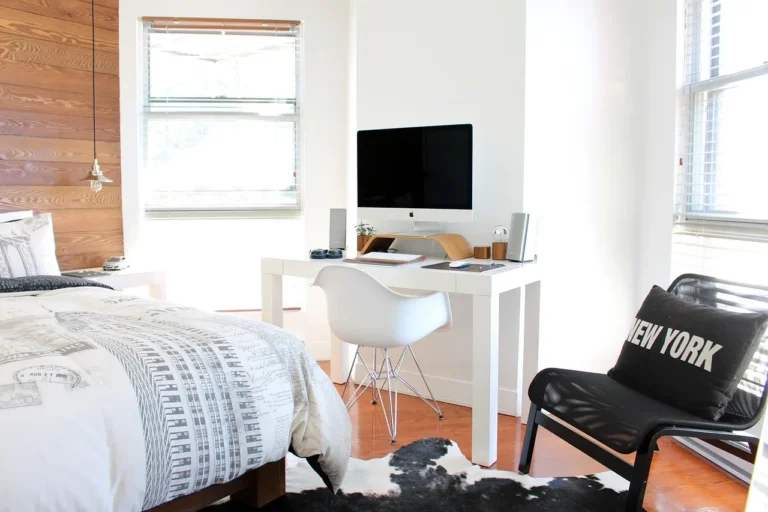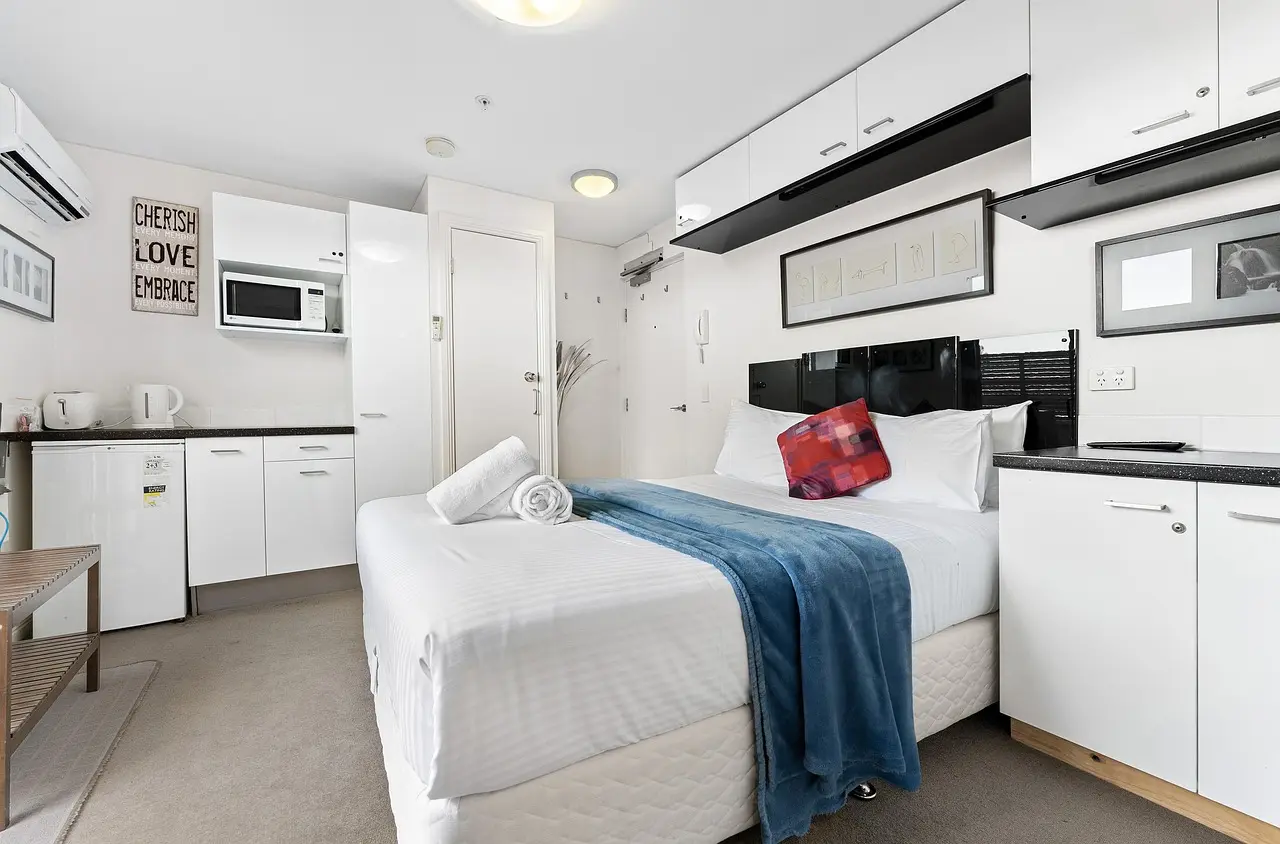
Small Bedroom Problems: How to Fix a Cramped Room
For a small bedroom, start by keeping 30 inches of clear walking space on at least one side of the bed, then use wall-mounted storage and a lighter visual field to fix the cramped feel. If you ignore circulation, the room feels tighter, storage gets harder to reach, and the bed starts dominating the entire space. This guide shows how to diagnose the layout, storage, light, and furniture choices causing the problem and the fastest fixes for each one.
Why does my small bedroom feel cramped?


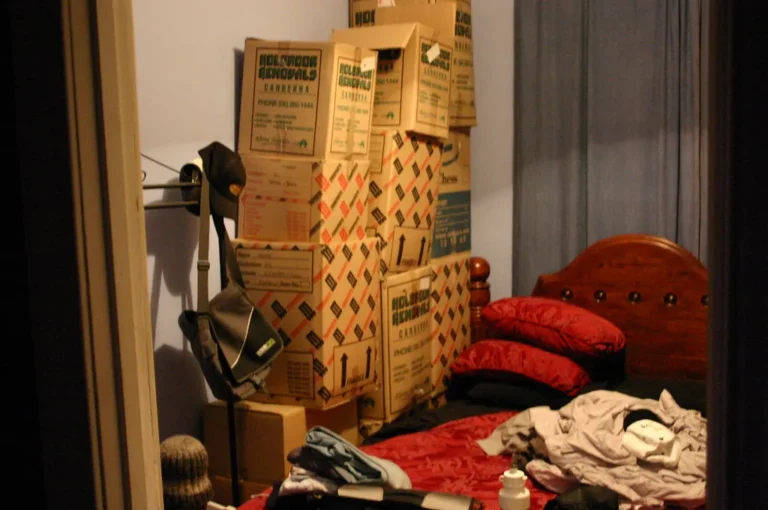
A cramped bedroom usually has more than one cause at once: too much furniture for the floor plan, blocked movement around the bed, and cluttered surfaces that keep the eye from settling. Common layout mistakes can make a bedroom feel cramped and chaotic, so the first step is to read the symptoms before adding storage.
What the room is telling you
If you have to turn sideways to pass the bed, the layout is too tight. If the door opens into furniture, or if your view from the bed stops at a tall dresser, the room will feel smaller than its actual square footage.
If the bed area feels crowded but the closet is already packed, the issue is usually not just storage. It is a mix of circulation, furniture scale, and visual clutter from open bins, overloaded nightstands, and extra pieces that do not earn their footprint.
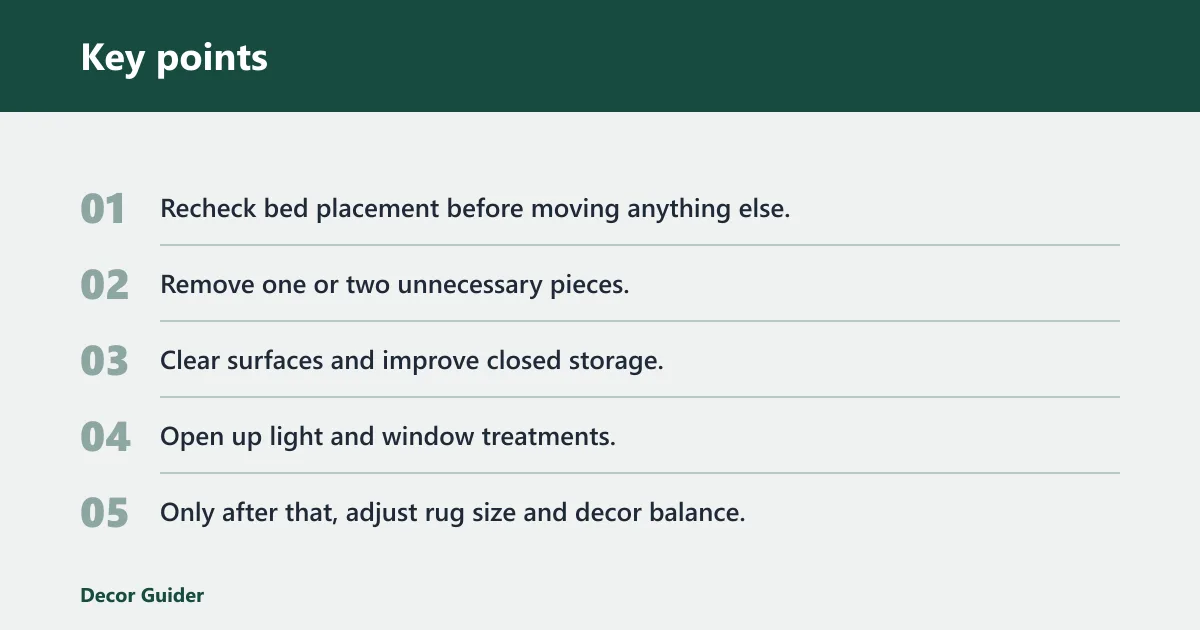
Fix order: layout, storage, light, then decor
- Recheck bed placement before moving anything else.
- Remove one or two unnecessary pieces.
- Clear surfaces and improve closed storage.
- Open up light and window treatments.
- Only after that, adjust rug size and decor balance.
A common first-timer mistake is buying storage before the bed is placed correctly. That usually traps the room in the same cramped circulation pattern, just with more furniture inside it.
Bed placement first
Bed placement should come before any other layout decision. A good bedroom bed position should allow movement on both sides when possible, preserve sightlines to the door and at least one window, and may work better floated instead of pushed into a corner.
How to place the bed for better flow
Start by centering the bed where the room still allows movement around it. If one side must be tighter, keep the more used side open and make sure the doorway does not face a wall of bulky furniture. Seeing the door and at least one window from the bed can make the room feel more open and less boxed in.
Floating the bed can solve a bad corner layout, but only if circulation improves. It fails when the room is too narrow for the new path, because the bed ends up acting like a barrier instead of a centerpiece. In a long, narrow room, leaving the bed slightly off the wall can work better than pinning it into the corner.
Suppose a roughly 9-by-11-foot bedroom has a full bed, one slim nightstand, and a dresser. If the bed is shoved into the corner and the dresser blocks the window wall, the room will feel tighter than it needs to. Move the bed so at least one side can be used comfortably, then clear the window wall before adding anything else.
When floating the bed works better
Floating the bed often helps when the room has a clear central axis and enough depth for movement. It is less successful in very narrow rooms where both sides would shrink below usable width, or where the bed would block a closet door, radiator, or outlet.
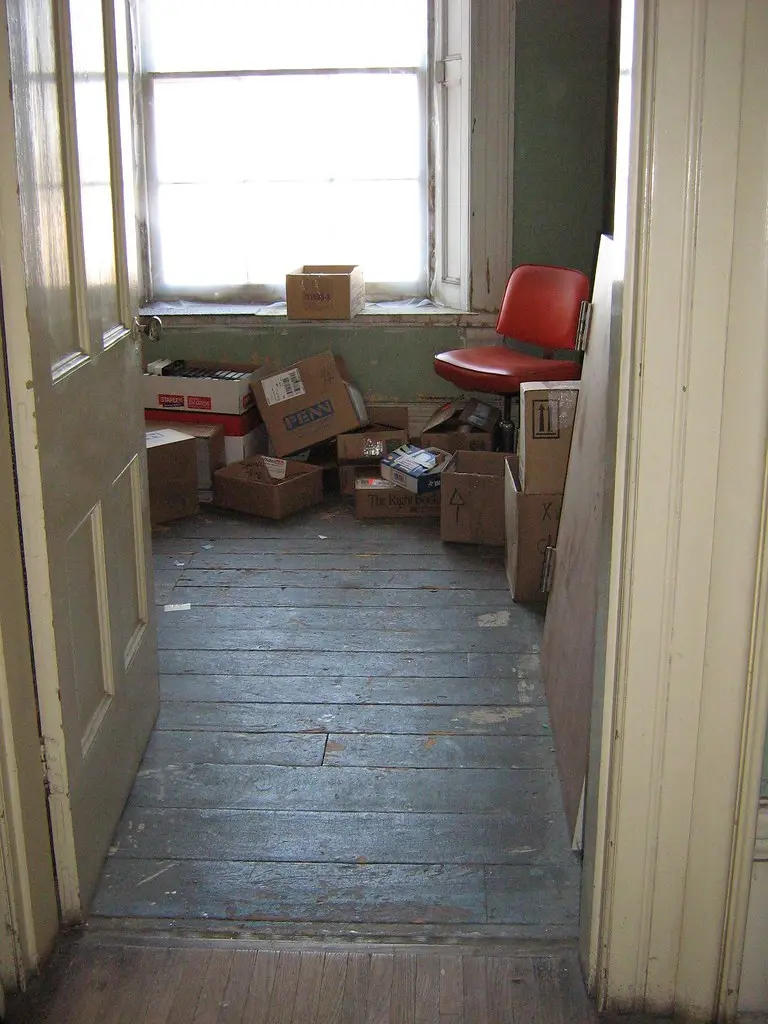
Are you using too much furniture?
Too many pieces make the room feel cramped, and oversized pieces make it feel even smaller. In a tight room, keep the furniture to the essentials: bed, nightstands, and dresser. Wirecutter recommends furniture that does double duty in tiny bedrooms, which matters most when square footage is limited.
How to decide what stays
Ask whether each item solves a daily need. If it only holds decor, duplicate storage, or occasional overflow, remove it first. A room with one well-sized dresser and one compact nightstand usually feels calmer than a room with multiple small pieces scattered around the perimeter.
A practical rule in a very small bedroom is to stop at the essentials plus one helper piece. That helper might be a storage bench, a narrow shelf, or a stool that doubles as a landing spot. If a piece blocks a walking path, it is too large for the room even if it fits on paper.
Furniture that earns its footprint
- A storage bench at the foot of the bed or under a window
- A dresser that can also hold a TV or mirror
- A nightstand with a drawer and a shelf
- A bed with built-in drawers when the room needs hidden storage
House Beautiful warns that pushing furniture against walls can flatten the room. That matters because a bedroom can still feel crowded even with fewer pieces if every item is oversized, crowded into corners, or lined up without breathing room.
Storage bedroom fixes

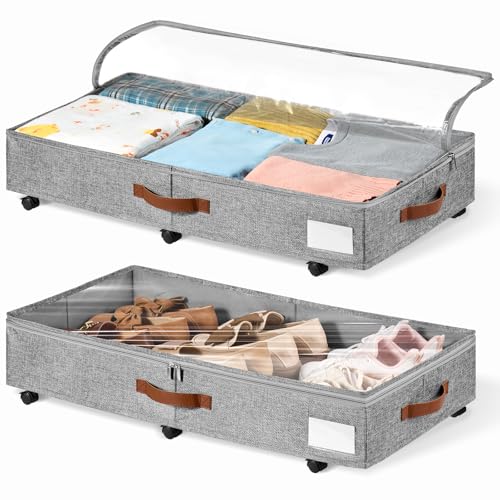
Storage helps most after circulation is under control. A storage bed can hide bulky items and reduce visual clutter, which helps the room feel lighter and more spacious, but it is not the best fix for every narrow room. If the drawers cannot open cleanly, the bed may solve one problem while creating another.
When a storage bed helps
Built-in drawers or concealed storage work well when floor space is limited and the room needs to absorb folded linens, off-season clothing, or items that would otherwise spill into open view. IKEA suggests using beds with drawers to organize a small bedroom, and that approach is strongest when the drawer access is not blocked by walls or other furniture.
Storage beds are less helpful in rooms with tight side clearances. If drawers need extra space to open, you may lose the very circulation the room needs. In that case, a lift-up base or under-bed bins may be more practical than a drawer bed.
Drawer dividers and organizers
Drawer dividers and organizers help sort clothing by type, especially underwear, socks, and accessories. That kind of sorting matters in a compact wardrobe because it keeps the closet or dresser from spilling out into the room.
Use the drawers you already have before adding new furniture. A divided top drawer can replace three loose trays, and a single labeled organizer can keep small items from migrating to the nightstand. The goal is fewer visible piles, not more containers.
Keep nightstands small and functional
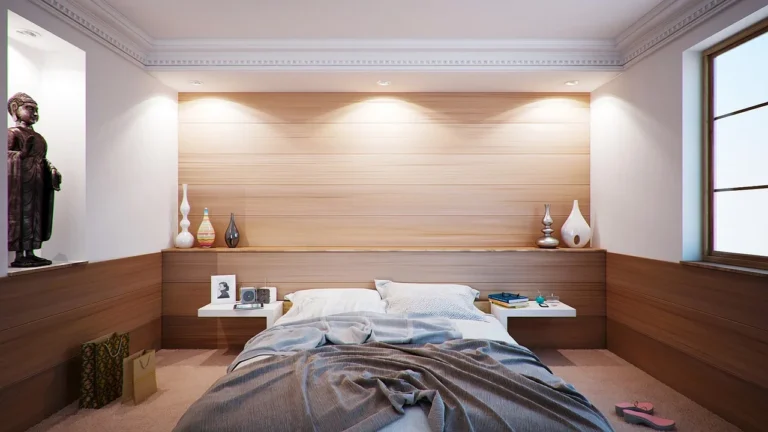
Nightstands should stay small on top and useful underneath. A drawer-plus-shelf design gives you a place to stash reading glasses, chargers, and water without exposing everything at once. Wall-hung lighting can free up the top surface and reduce the need for a larger table.
Drawers, a lower shelf, and one lamp are usually enough. If the nightstand becomes a catchall, the room reads as cluttered even when the floor is clear.
What size rug works in a small bedroom?
The best rug in a small bedroom is large enough to anchor the bed zone without slicing the floor into smaller pieces. House Beautiful recommends a larger rug that allows furniture to sit on top, and a practical target is about 12 inches of flooring visible around the perimeter.
How to size it
The rug should sit under the front two-thirds of the bed or extend beyond the sides enough to unify the zone. A rug that is too small creates visual fragments, while an oversized rug can crowd the perimeter and make the room feel heavier.
| Rug choice | What it does visually | Best use case |
|---|---|---|
| Too small | Breaks the floor into separate pieces | Rarely useful in a small bedroom |
| Well sized | Anchors the bed and frames the sleeping zone | Most small rooms with a standard bed |
| Oversized | Can crowd edges if it leaves no border | Only when the room is large enough to support it |
The same source says the rug should leave about 12 inches of flooring visible around the perimeter. That border matters because it keeps the room from feeling packed edge to edge.
Light and windows
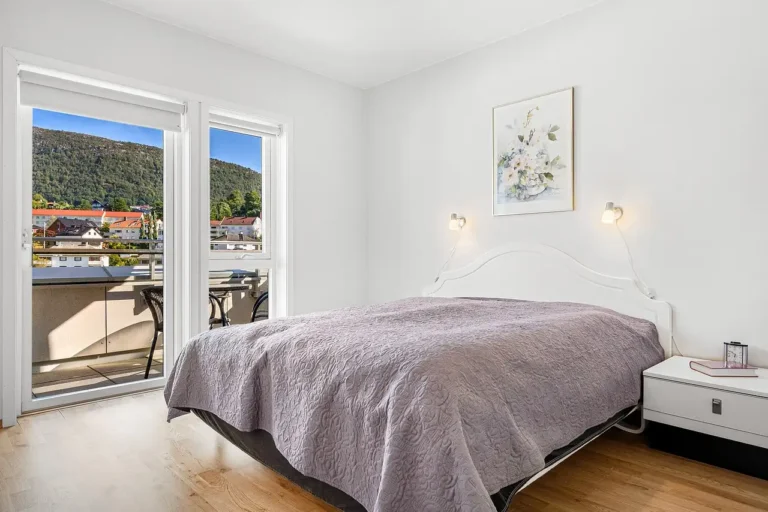
Natural light should stay as open as possible. Window placement can affect how large a room feels, and heavy curtains or shades can make the room feel smaller. If the window wall is buried behind a dresser, tall headboard, or thick drapery, the room usually feels darker and smaller.
Keep the window wall open
Use the lightest window treatment that still gives you privacy and sleep control. Heavy curtains can weigh down the room visually, especially in small spaces with limited daylight. If you need blackout coverage, look for a slimmer stack or a shade that does not bulge far into the room.
The same source says blocking windows makes a room feel smaller. That makes window access a layout issue, not a decor detail. The path to the window should stay clear, and the view should not be chopped up by tall or bulky furniture.
Lighting that saves space
Wall-mounted lights, cordless lamps, and pendants can reduce floor and surface clutter. This works especially well where outlets are limited, because you can free up the nightstand and avoid cords crossing the room.
When the room has no easy outlet near the bed, a cordless lamp can solve the lighting problem without adding another cable run. A pendant can do the same job while keeping the nightstand clear. Wall-mounted options are especially useful in rooms where every flat surface is already doing too much.
Small bedroom problem matrix
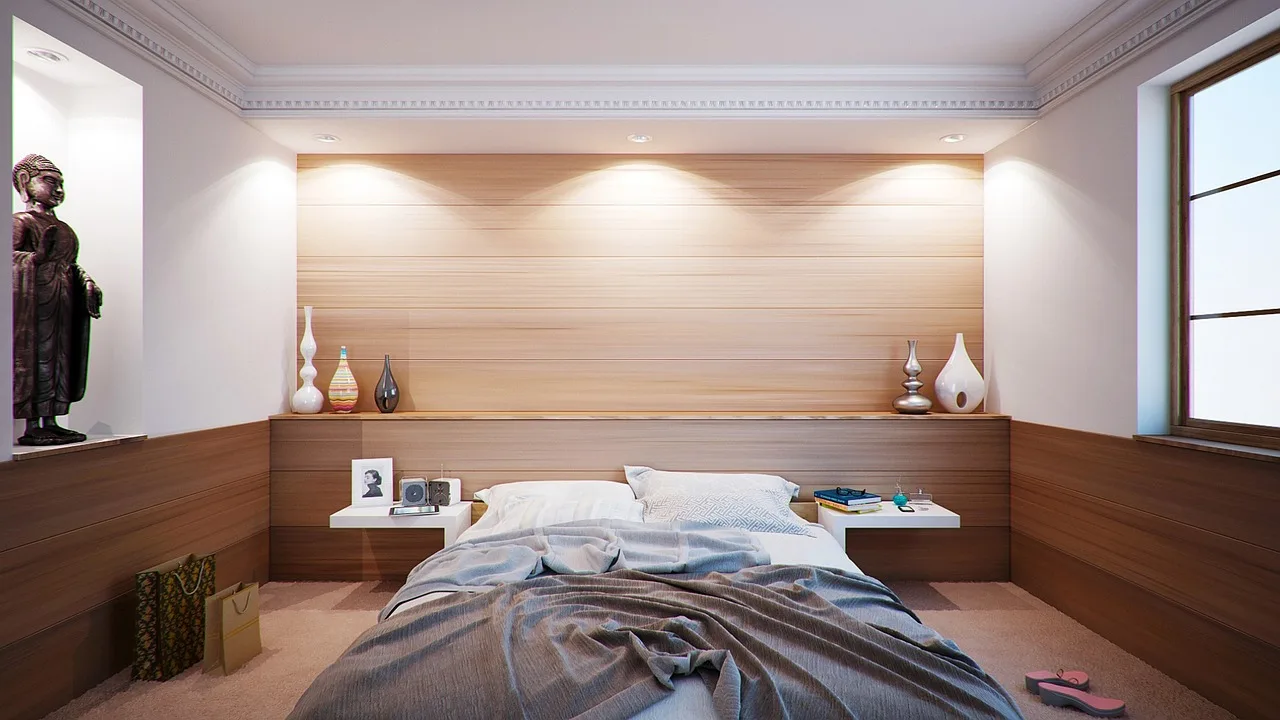
This matrix ranks common small-bedroom problems by urgency and impact. Start at the top, fix the highest-priority symptom first, and move down only after circulation and visual clutter are under control.
| Priority | Symptom | Likely cause | Quick fix | Renter-safe fix | When to upgrade |
|---|---|---|---|---|---|
| 1 | You cannot pass the bed without turning sideways | Bed placement blocks circulation | Shift the bed to restore a clear side path | Float the bed if the room still allows movement on both sides | When the room needs a different layout or a smaller bed |
| 2 | The room feels crowded as soon as you enter | Too many pieces for the floor plan | Remove one nonessential item | Swap in double-duty furniture only where needed | When a furniture edit still leaves no clear floor |
| 3 | The bed dominates the entire room | Oversized bed frame or bulky headboard | Reduce visual bulk with lighter bedding and fewer extras | Choose a simpler frame or lower profile base | When the bed size itself is too large for the room |
| 4 | Surfaces stay messy even after tidying | No closed storage for small items | Clear the nightstand and top surfaces | Add drawer organizers and tray storage | When open storage keeps spilling into the room |
| 5 | The window wall feels boxed in | Furniture or heavy treatments block light | Move tall pieces away from the window | Use lighter curtains or shades | When the existing window setup still darkens the room |
| 6 | The rug looks like a floating island | Rug is too small for the bed zone | Replace it with a larger size | Use a rug that sits under the bed and leaves about 12 inches around the perimeter | When the room needs a custom-sized floor covering |
| 7 | Nightstands hold piles instead of essentials | Surface is too small or storage is missing | Remove nonessential items from the top | Use a small nightstand with a drawer and shelf | When wall-hung lighting could free the surface |
| 8 | Clothes spread across chairs and corners | Wardrobe storage is poorly sorted | Sort by type and fold what belongs in drawers | Use drawer dividers and organizers for underwear, socks, and accessories | When the closet cannot absorb the load |
| 9 | One wall feels empty but still awkward | Dead space is left unused | Add a narrow shelf or bench only if it fits the path | Use a storage bench under a window or at the bed foot | When the space can support built-in storage |
| 10 | The room feels dim after dark | Lighting is limited to one lamp or a ceiling fixture | Add a second light source near the bed | Choose wall-mounted, cordless, or pendant lighting | When electrical work or a new fixture is worth it |
Renter-safe fixes versus upgrades
Renter-safe fixes change the room without altering the structure. That means moving furniture, switching to smaller pieces, using organizers, and changing lamps or window treatments. Upgrade-level fixes include built-in storage, electrical work, and any change that requires permanent installation.
Start with the smallest fix that restores flow. If the bed path improves and the surfaces calm down, you may not need anything else.
Frequently asked questions
Why does my small bedroom feel so cramped?
A small bedroom feels cramped when several pressure points stack up: too much furniture, blocked circulation, and cluttered surfaces. If the bed blocks the path, the window is hidden, and the nightstand is overloaded, the room will read smaller than it is even if the square footage has not changed.
What are the biggest mistakes in a small bedroom layout?
The biggest mistakes are putting the bed in a bad traffic lane, using oversized furniture, blocking windows, and filling every wall with pieces that do not earn their footprint. Pushing furniture hard against the walls can also flatten the room, making it feel less open than a more balanced arrangement.
How do I make a small bedroom feel bigger without remodeling?
Clear the bed path, remove one or two unnecessary pieces, open the window wall, and switch to smaller lighting and storage items. A better-sized rug and lighter window treatment can also help. These changes work because they improve sightlines and reduce visual clutter without changing the structure.
What furniture should I remove from a small bedroom first?
Remove the pieces that block movement or duplicate storage first. Extra chairs, oversized ottomans, second nightstands you never use, and bulky accent pieces usually go before the bed or dresser. If a piece is purely decorative and occupies prime floor space, it is a strong candidate to leave out.
How can I add storage in a tiny bedroom without making it crowded?
Use storage that replaces another function instead of adding a new footprint. A storage bed, drawer dividers, a nightstand with drawers, and a bench that holds items can all help. Keep the closet and dresser organized by category so underwear, socks, and accessories do not spread into open view.
How do I place the bed in a small bedroom for better flow?
Place the bed so you can move around it as much as the room allows, then check that you can still see the door and at least one window from the bed. If the room is narrow, floating the bed slightly off the wall may improve flow more than forcing it into a corner.
Products related to this article
Sponsored / affiliate links. As an Amazon Associate I earn from qualifying purchases. I may earn additional commission from eligible campaigns.