How to Arrange Bedroom Lighting
Arrange bedroom lighting in three layers: one ceiling ambient source, about two bedside lights beside the bed, and one or two task or accent lights aimed away from the pillow line. Poor placement leaves glare, dark corners, and light that keeps you awake. This guide maps where each light should go, how many layers to use, and how to avoid common bedroom lighting mistakes.
Bedroom lighting basics
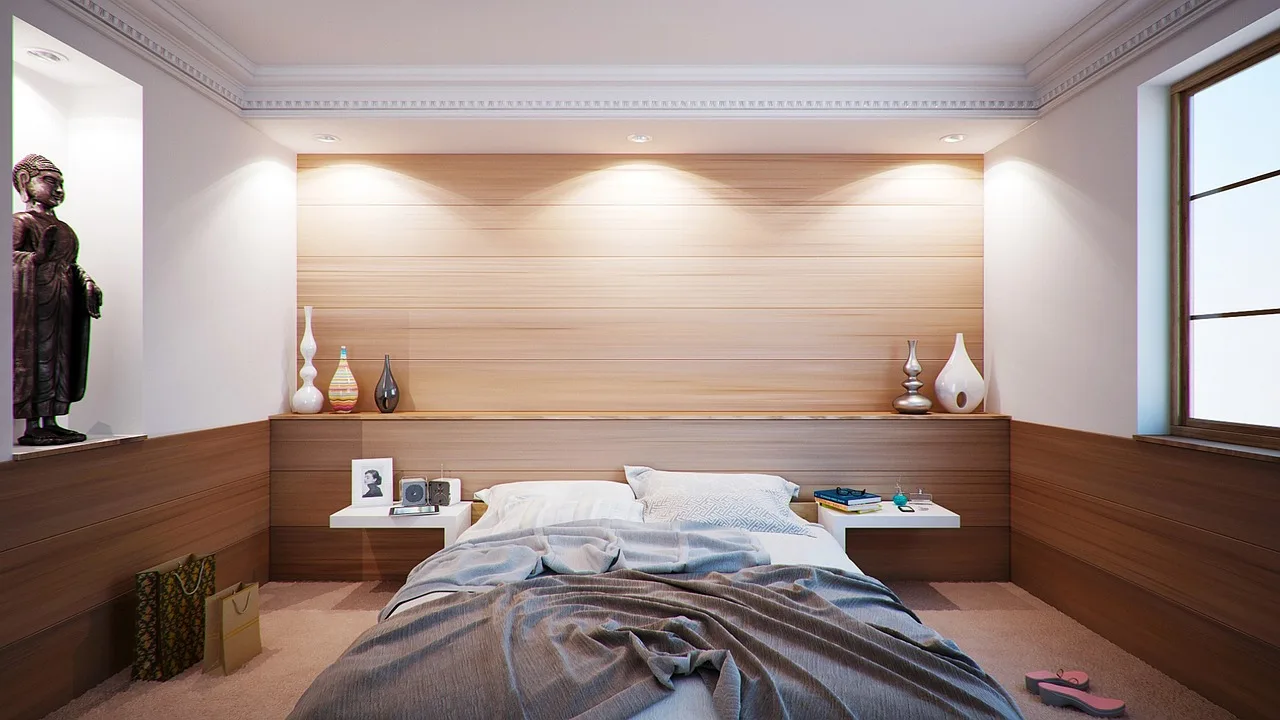
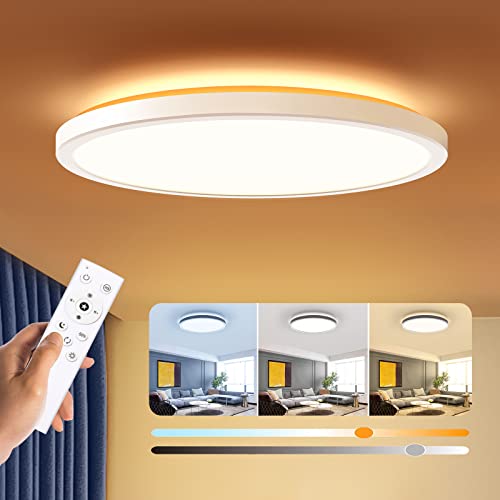

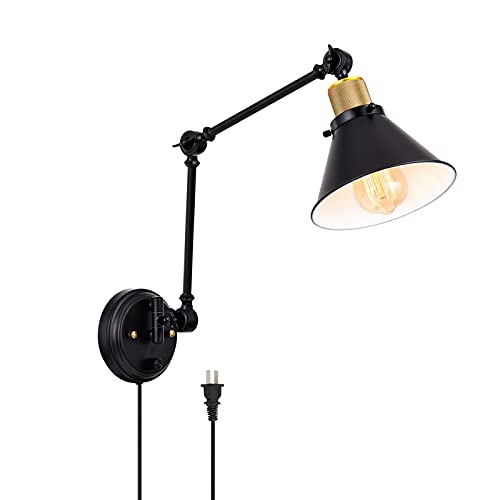
Bedroom lighting works best when each fixture has one job. Ambient light fills the room, task light helps you read or dress, and accent light adds a low glow for late evenings. If one fixture has to do all three, the room usually ends up too dim or too harsh.
Ambient, task, and accent roles
A ceiling lamp on a dimmer is a strong starting point for general bedroom light. Put it in the center of the room when you want even coverage, then lower it before sleep so the ceiling light does not flatten the room or hit your eyes directly.
Task light belongs where you actually do something. Bedside table lamps, wall lights, and reading lamps should sit next to the bed or beside a chair, not across the room. Accent light belongs low and indirect, such as under the bed frame, behind furniture, or on shelves.
Warm white and dimming basics
For most bedrooms, warm white light works best as the default, especially in the evening. It feels gentler than cooler light and fits winding down. A dimmer matters just as much as color, because lowering brightness before sleep keeps the room from feeling abrupt at night.
Use a dimmer, wireless dimmer, or smart bulb so you can shift from daytime brightness to a lower evening level without changing fixtures. Keep all lights off during sleep. If streetlight leaks in, blackout curtains or blinds help block it and support a darker sleep zone.
How many light sources a bedroom needs
Most bedrooms commonly work best with at least three points of light: one overhead or main ambient source, one reading light, and one low accent light. Larger rooms, long narrow rooms, or couples’ rooms often may need about four or five points so the bed, closet, and corners each get usable light.
A common first-time mistake is putting one bright ceiling light in the center and stopping there. That creates strong shadows at the bed and dresser, then forces you to run the room at a higher brightness than you need.
Where should bedside lamps go?
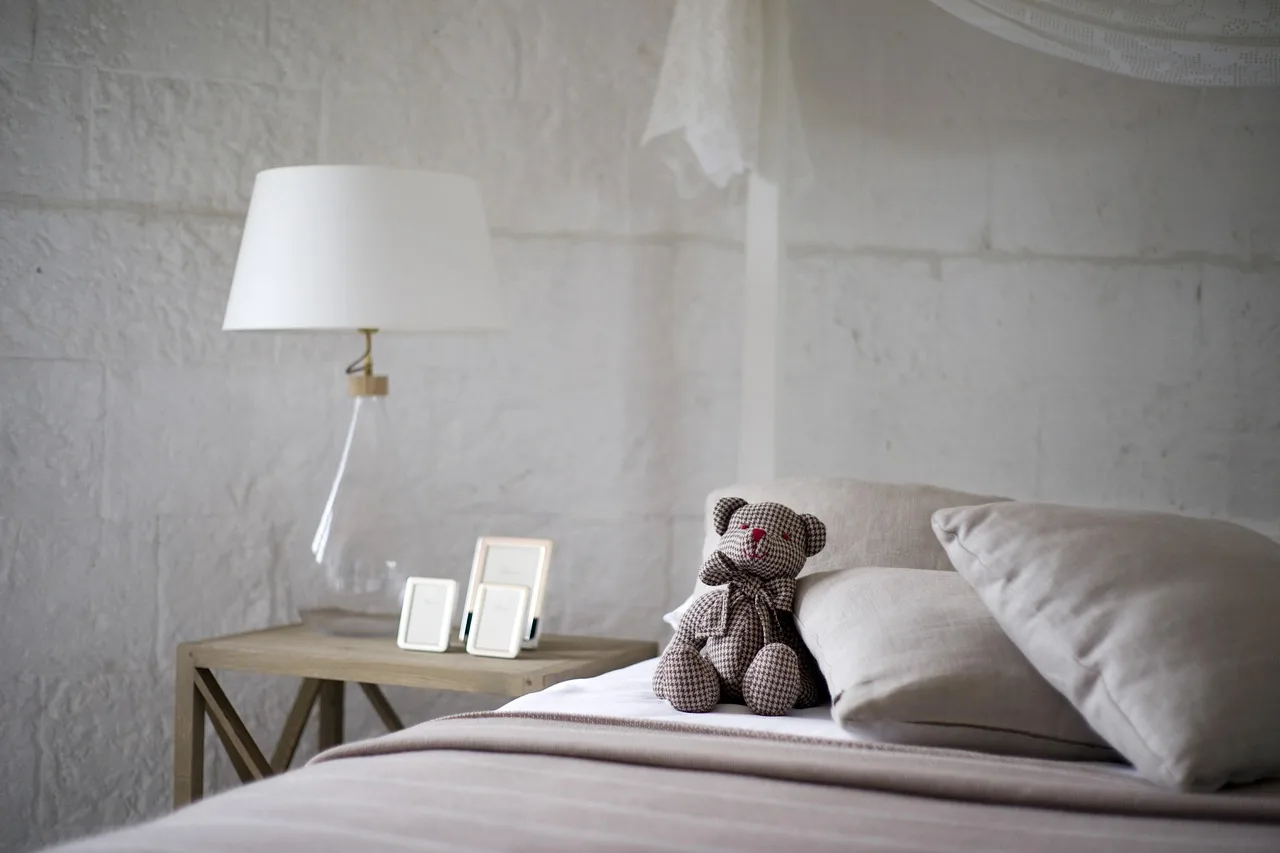
Bedside lamps should sit on the nightstand or a side table close enough to read without reaching, but far enough back that the bulb does not shine into your eyes. The shade should block direct glare from the pillow line while still lighting the book or e-reader clearly.
Nightstand height and shade position
Place the lamp so the bottom of the shade sits roughly at seated eye level or slightly below it when you are in bed. That keeps the light aimed downward onto the page instead of across the room. If the lamp is too tall, you see the bulb; if it is too short, the light hits your lap and fades before the book.
IKEA says reading lamps by the bed provide focused light for concentration. A shade that diffuses the bulb helps, and a lamp with a narrower beam works better than an exposed globe near the pillow.
One lamp versus two for different sleep schedules
If both sleepers go to bed at the same time, one lamp on each side gives balanced light and avoids one person leaning across the other’s body. If one partner reads later, put the brighter or more adjustable lamp on that side and choose a dimmer setting for the other side.
Say your bedroom is 11 by 12 feet and one person sleeps early while the other reads for 30 minutes. Put the reading lamp on the active reader’s nightstand, use a lower-wattage lamp on the other side, and keep both aimed inward toward the mattress rather than outward into the room.
Reading light without bedside glare
Direct bulb glare is the main problem to solve. Choose shades that hide the lamp source from a lying position, and avoid bare bulbs at eye level. If the lamp still feels bright, switch to a lower-lumen bulb or add a dimmer plug so the reading zone stays bright while the pillow zone stays calm.
How do you light a bedroom without overhead lighting?

If there is no ceiling fixture, a common approach is to build the room from the corners inward. Use a floor lamp for ambient fill, then add one bedside light or wall light for reading, and finish with one soft accent source. That combination replaces overhead light without forcing one fixture to do everything.
Floor lamp placement in corners and by seating
Floor lamps can provide overhead light without ceiling installation. Put one in a corner near the bed or beside a chair, where the shade can wash light upward or outward without pointing at your face. Arc lamps work well when you need reach over a bed edge; tripod and torchiere styles fit corner placement better.
If the room has only one outlet, place the floor lamp where the cord can run along a wall rather than across a walkway. A switch on the cord or a remote control keeps the lamp useful when the outlet is behind furniture.
Wall lights when there is no ceiling fixture
Wall lights are a space-saving alternative, and swing-arm designs are ideal for reading in bed. Mount them high enough that the beam lands on the book, not the pillow, and low enough that you can adjust the arm without stretching. Sconces also free up the nightstand.
For glare control, keep the bulb shielded by the shade or fixture body. A wall light mounted too high can cast light across the whole room and leave the reading zone too dim. A fixture mounted too low can create a bright spot at eye level.
Using plugs, cords, and switches cleanly
For renters, choose plug-in wall lights, floor lamps, or adhesive cord clips rather than hardwired fixtures. Use a wireless dimmer or smart bulb if the wall switch is awkwardly placed. That gives you day-to-night control without changing the wiring.
For homeowners, ceiling wiring opens more options, but the same placement rules still apply. The best plan is the one that lets you reach the switch easily, dim the room before sleep, and avoid exposed cords along the walking path.
Bedroom lighting placement matrix
This placement matrix gives you a room-by-room starting point. Use it as a layout guide, then adjust for bed size, closet position, and outlet locations. The goal is not more fixtures. The goal is the right fixture in the right zone.
| Room setup | Recommended fixture types | Exact placement zones | Dimmer use | Common mistakes to avoid |
|---|---|---|---|---|
| Small room | Flush ceiling lamp, one bedside lamp, one mirror, one LED strip | Center ceiling; lamp on the side table nearest the main reader; mirror opposite the window; strip under the bed frame | Yes, on the ceiling lamp and bedside lamp | Too many bright fixtures, bulky floor lamps, exposed bulbs |
| No ceiling light | Floor lamp, wall light or swing-arm, LED strip | Floor lamp in a corner; wall light beside the bed; strip behind the headboard or shelving | Yes, on the floor lamp and reading light | One lamp in the room center, cord across the floor, harsh bare bulbs |
| Reading-first | Ceiling lamp on dimmer, two bedside reading lamps, task lamp near chair | Ceiling in center; bedside lamps on both nightstands; chair lamp beside seating zone | Yes, on every main fixture | Light aimed into the pillow line, weak bulb output, no control for bedtime |
| Vanity corner | Mirror lights, ceiling ambient light, small task lamp | Mirror facing diffused light on both sides; ambient light above or nearby; task lamp on the vanity edge | Yes, especially for mirror lights | Single light above the mirror, uneven face shadows, cool mixed color temperatures |
| Couples’ room | Ceiling lamp, two bedside lamps or sconces, accent strip | Ceiling center; matching lights on each side of the bed; strip under bed or behind furniture | Yes, with separate control if possible | One shared bright lamp, mismatched bulbs, no way to read while the other sleeps |
| Renter-friendly room | Plug-in floor lamp, plug-in wall light, wireless dimmer, LED strip | Corner floor lamp; adhesive or plug-in wall fixture beside bed; strip under frame or shelf edge | Yes, use wireless or remote control | Hardwiring needs, cords left loose, fixtures placed too high for reading |
How do you layer bedroom lighting?
Layering means assigning each light to a zone. Start with ambient light for the whole room, then add task light where you read or dress, then add accent light near the floor or behind furniture. That order keeps the room usable without making it feel overlit.
Put ambient light first
Ambient light should cover the room without creating a hotspot. A ceiling lamp on a dimmer is the easiest version, but a floor lamp can fill this role when there is no overhead fixture. Keep it bright enough to move around safely, then lower it in the evening.
Several smaller lamps can make a room feel larger, because the light comes from several points instead of one glaring center. That is useful in a small bedroom with dark corners or a long room with uneven coverage.
Add task light where you read or dress
Task light belongs at the bedside, vanity, or dresser. If you read in bed, the light should land on the page from the side or slightly above, not from behind your head. If you dress at a mirror, place light so your face gets even illumination without shadows under the eyes.
Use diffused light on both sides of the mirror when possible. That gives flatter, more natural light than a single source to one side, which can distort what you see when you are applying makeup or checking colors.
Use accent light for low-level glow
Accent light should stay low and indirect. LED strip lights can go under the bed frame or behind furniture, and they work well on shelves too. They add enough glow for late-night movement without forcing the whole room to stay bright.
String lights can add a cozy touch, but keep them secondary. They should never be the only light you rely on for reading or getting dressed.
What is the best lighting for reading in bed?

The best reading light is focused, adjustable, and placed beside the bed rather than above your face. A swing-arm sconce, table lamp, or reading lamp with a diffused shade works well when the beam lands on the page and the surrounding room stays dimmer.
Sconce and swing-arm placement heights
Mount wall lights high enough to clear the pillow and low enough that the arm can reach the reading zone. A swing-arm fixture is especially useful when you want the light to move with your position in bed. That keeps the beam on the page instead of in your eyes.
Lamp output and beam direction
Reading light needs enough output to avoid eye strain, but not so much that it washes the whole room. A practical rule is to choose a bulb and shade combination that creates focused light at the book and softer light around the bed. If the light feels harsh, step down the bulb or add a diffuser.
Suppose a bedside lamp lights the page well but makes the room too bright to fall asleep after. The fix is usually not another lamp. It is a dimmer, a warmer bulb, or a shade that narrows the beam toward the bed surface.
Reducing contrast around the pillow zone
Keep the pillow zone darker than the reading zone. That difference helps you stay alert enough to read, then settle down more easily when you turn the lamp off. A bedside lamp on a dimmer is useful because you can lower it gradually before sleep instead of switching from bright to dark all at once.
How can you make a bedroom feel cozy with lights?
Cozy bedroom lighting comes from low, warm, controllable sources, not from one overly bright fixture. Use warm white bulbs, dimming, and indirect accent lighting so the room feels calm in the evening and still bright enough in the morning.
LED strip placement under beds and furniture
LED strip lights work best under the bed frame, behind a headboard, or along shelving. That keeps the source hidden and gives the room a soft edge glow. Remote-controlled or smart-home compatible strips are useful because they let you lower brightness without getting out of bed.
Mirror placement for daylight and lamp reflection
Mirrors can reflect natural and artificial light, which makes the room appear larger and brighter. Place a mirror opposite a window to bounce in daylight, or behind a lamp if you want to spread its glow deeper into the room. Use a mirror near a dresser only if the reflected light does not hit the pillow area.
Blackout curtains, blinds, and evening control
Blackout curtains or blinds block streetlight and help keep sleep conditions darker. Pair that with a morning plan: open them when you want daylight, then close them again in the evening so artificial light does not compete with outdoor light from nearby windows or signs.
Common bedroom lighting mistakes
Most bedroom lighting problems come from control errors, not fixture count. Too much cool light, bare bulbs at eye level, poor dimmer compatibility, and mixed color temperatures all make the room feel restless. Fix the placement and control first, then worry about style.
- Too much cool light: Use warm white for general bedroom lighting, especially in pendant and mood lighting.
- Glare from exposed bulbs: Add shades, move the fixture lower, or shift to a wall light that hides the source.
- Poor dimmer compatibility: Check that the bulb works with the dimmer, wireless dimmer, or smart bulb setup you plan to use.
- Overlit bedrooms: Keep accent lights soft and use only the brightness you need for the current task.
- Mixed color temperatures: Keep the room on one warm range so bedside, ceiling, and accent lights do not clash.
- Light fighting sleep: Use blackout curtains or blinds, then turn everything off for sleep instead of leaving a glow on all night.
Frequently asked questions
How many lights should a bedroom have?
Most bedrooms work with three to five light sources, depending on size and use. A basic room needs ambient light, bedside reading light, and one soft accent source. Larger or shared rooms often need an extra lamp or sconce so each side of the bed has control.
Where should bedside lamps be placed?
Bedside lamps should go on the nightstand or a side table close to the bed edge, with the shade at about seated eye level or slightly below it. That placement keeps the bulb out of direct view and puts the light on the page instead of the pillow.
Should bedroom lights be warm or cool?
Warm white is the better default for most bedrooms, especially at night. It feels gentler for winding down and works well with dimming. Cooler light is harder to pair with sleep routines, so save it for spaces where you need more alert task lighting.
Products related to this article
Sponsored / affiliate links. As an Amazon Associate I earn from qualifying purchases. I may earn additional commission from eligible campaigns.