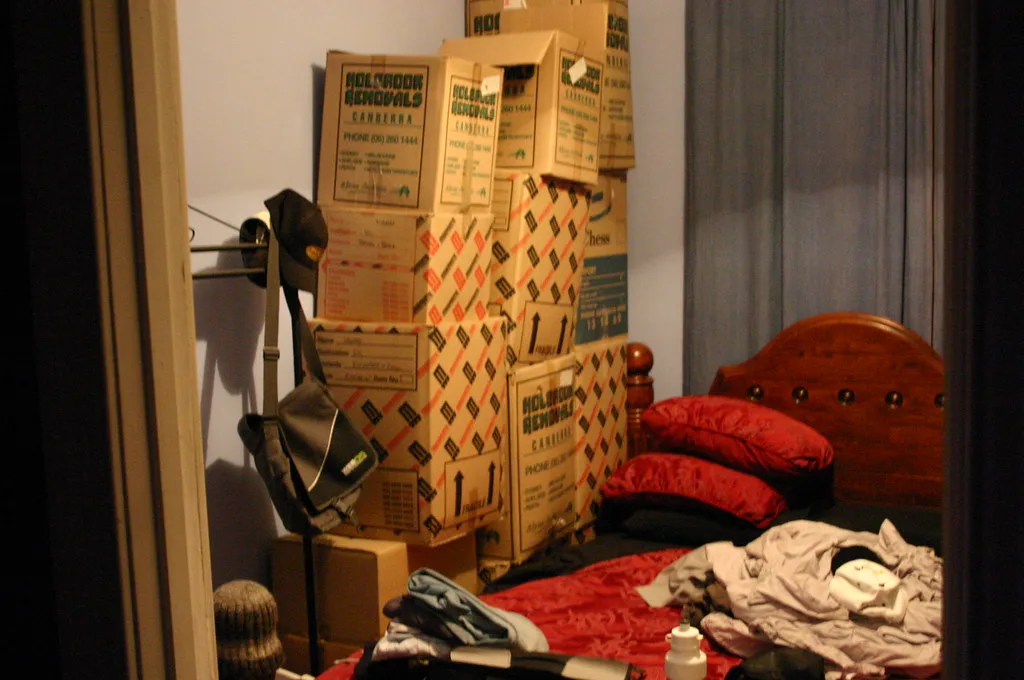
Best Bedroom Storage Ideas for Small Rooms (2026): we compared
For a clutter-free bedroom, pick storage by room size and upkeep: small rooms need under-bed or wall-mounted storage, medium rooms do well with beds with drawers, and high-clutter homes need closed cabinets with daily return spots. If that match is off, clutter piles up, mornings drag, and cleaning takes longer. I use room size, clutter source, and the maintenance you will actually do to choose storage that holds up day after day.
This guide is part of our Bedroom design ideas series.
Quick comparison
| Product | Badge | Best for | Price | ||
|---|---|---|---|---|---|
 |
SpaceAid 4 Pack 10" High Under Bed Storage Containers,SpaceAid | Our pick | 4-pack 10-inch deep under-bed bins | $52.98
Price as of 28 Sep 2026
|
View |
 |
SPACELEAD Slim Storage Cart 3 Tier,Bathroom OrganizerSPACELEAD | Budget pick | Slim 3-tier rolling utility cart | $19.95
Price as of 28 Sep 2026
|
View |
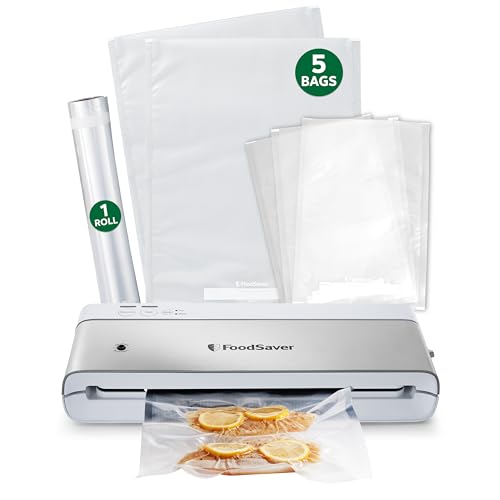 |
FoodSaver Compact Vacuum Sealer Machine with Airtight BagsFoodSaver | Also great | Compact vertical vacuum sealer for food | $69.99
Price as of 28 Sep 2026
|
View |
 |
Yecaye Under Bed Storage with Wheels, 2Pack Under BedYecaye | Pair with it | Rolling under-bed drawers with wheels | $28.99
Price as of 28 Sep 2026
|
View |
Start with the decision, not the decor. The wrong storage adds bulk, traps dust, or makes daily reach annoying, so the best choice is the one that fits how the room gets used.
Ideal Home frames the bedroom as a place to “banish clutter” and keep it feeling like a sanctuary for rest and relaxation. I use that as the filter here: storage should pull its weight, stay calm in view, and fit the room’s real limits.
How we chose
The shortlist is based on four things: how much storage it adds versus floor space used, how easy it is to reach daily items, whether it suits renters or needs built-in work, and which clutter type it handles best. That keeps the focus on function, not on hidden compartments alone.
I also weighed daily cleaning. Storage that blocks vacuums, catches dust, or turns simple access into a lift-and-squat routine can save space but create friction.
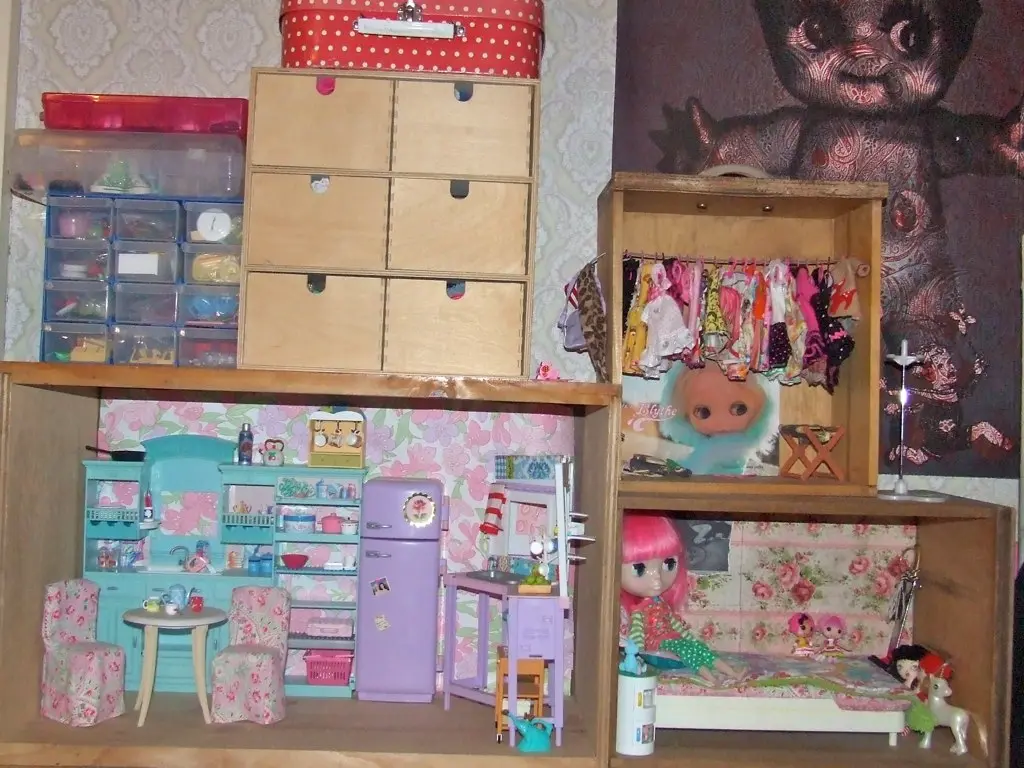
SpaceAid under-bed bins: best for seasonal bedding and overflow
SpaceAid’s 4-pack under-bed bins suit bedrooms where bedding, jumpers, or off-season clothing need to be stored. Based on the spec sheet and owner feedback, the 10-inch depth helps when a room needs hidden capacity without changing the bed footprint.
What stands out is the clear lid and fabric build, which can make contents easier to see and keep soft items together. They make it easier to see what is stored and keep soft items together instead of drifting into the wardrobe or chair pile. For rental bedrooms, this is one of the easier no-drill options.
The drawback is access. Bins still need floor clearance, and if the bed sits low, pulling them in and out can be awkward. They also work best when the items inside stay light enough to move without daily effort.
Yecaye under-bed drawers: best for low-floor-space rooms
Yecaye’s rolling under-bed drawers fit bedrooms that need storage to disappear under the frame and move out cleanly. Based on specs and reviews, the metal frame and wheels make them better for clothes, blankets, or shoes than soft bins that sag over time.
The clear window is practical for quick identification, and the 66-pound capacity helps when the under-bed zone becomes the main overflow zone. This suits small rooms where every inch of clear floor matters.
The drawback is that rolling storage needs a compatible bed height and enough clearance to glide well. Wheels are handy, but they also mean the drawer system depends on a straight, unobstructed path.
SPACELEAD slim storage cart: best for bedside overflow
SPACELEAD’s slim cart is best when the clutter sits beside the bed rather than in the wardrobe. It works for books, chargers, hand cream, reading glasses, or the small carry-in items that end up on the floor or on top of a dresser.
The 360-degree wheels and adjustable shelf setup make it easy to shift for cleaning or rework into a tighter nook. That mobility matters in rentals and in rooms that need storage to move out of the way sometimes.
The drawback is visual weight. A cart can look busy if it sits in open view, and open shelving asks for regular tidying. It is a utility piece, not a hiding place.
FoodSaver compact vacuum sealer: best for compressing soft bedroom overflow
FoodSaver’s compact vacuum sealer is not a furniture fix, but it can help when bedding, blankets, and seasonal textiles are taking too much closet space. Based on the spec sheet and owner feedback, it is most useful for compressing soft items before they go into a closet, bin, or under-bed container.
The vertical design keeps counter use lower than bulkier machines, which matters in small homes with tight storage. It can also reduce the number of bags needed for bulky textiles over time.
The drawback is that it solves compression, not access. If you seal everything too tightly, you may create a second problem: items become harder to grab, sort, or rotate when the season changes.
What should you buy for a small bedroom?

For a small bedroom, the best buy is usually hidden storage that does not widen the room: an ottoman bed for bedding and out-of-season clothes, or under-bed storage if you need a cheaper, rental-friendly fix. If bedside clutter is the issue, a slim cart or built-in bedside cabinetry can work better than another bulky cabinet.
If the problem is clothes and bedding
An ottoman bed is the strongest all-round option for a small room because it adds lift-up storage without taking extra floor space. A divan bed is the next best choice when you want storage under the mattress base and do not have room for separate wardrobes or large chests.
If the problem is bedside clutter
Choose bedside cabinetry, a built-in headboard with small drawers, or a narrow rolling cart. Bedside clutter behaves differently from wardrobe overflow; it needs daily access, not deep storage. A small drawer for medicines, chargers, and reading items beats a deep box that gets ignored.
If the room also has to fit work items
Use multifunctional furniture only where the room truly needs dual use. A storage bench, a sleeper setup, or a slim cart can help if the bedroom also handles occasional work, but too many multiuse pieces can make a small room feel crowded fast.
If you rent and cannot drill
Use under-bed bins, rolling drawers, and slim carts first. They are the least committal options and do not require permanent fixing. Avoid solutions that depend on wall anchoring unless the landlord allows it and the room has enough layout flexibility to justify the effort.
What should you declutter before organizing bedroom storage?
Start by removing what you do not need before buying anything. The biggest wins usually come from unused clothing, duplicate bedding, extra throw items, old paperwork, and random bedside objects that never return to a fixed place. Storage should support what remains, not hide poor sorting.
Sort by use, not by sentiment
Split items into keep, donate, repair, and bin. Then separate bedtime items from wardrobe overflow. That distinction matters because a book, charger, and medication need fast access, while off-season sweaters can live farther away in closed storage.
Measure the storage volume you actually need
Before buying bins or a bed base with drawers, estimate how much you are trying to store. A room that only needs to clear bedside clutter should not get a huge storage system. A wardrobe overflow problem may need a bed with hidden capacity or a combination of solutions.
Are ottoman beds good for storage?
Yes. Ottoman beds are one of the best hidden-storage choices for bedrooms because they add lift-up storage and do not take extra floor space. They are especially good for bedding and out-of-season clothing, which are bulky, used less often, and easy to keep in one closed zone.
What they store well
They work best for soft, light-to-medium items: duvets, pillows, spare sheets, seasonal clothes, and spare blankets. The enclosed base keeps those items out of sight, which helps a room feel calmer when open shelving would look busy.
Where they fall short
The tradeoff is lifting effort. If the storage is used every day, the motion can become annoying. They can also trap dust if the interior is not cleaned periodically, and they are less convenient for items you need several times a day.
Who should avoid it
People with limited lifting ability, very low ceilings, or a bed wall that is hard to access may prefer drawers or under-bed bins instead. An ottoman bed is best when the bedroom can support one large hidden compartment and daily access is not constant.
How do I make my bedroom less cluttered?
Make the room less cluttered by cutting what enters the bedroom and giving every remaining item a place that matches how often it is used. Bedrooms improve fastest when daily items stay near the bed, seasonal items move deeper into storage, and duplicates are removed early.
Use a decluttering system first
- Pull everything out of the main problem zone.
- Separate daily items from seasonal overflow.
- Remove unused clothing, spare bedding, and duplicates.
- Assign one storage home to each category.
- Buy containers only after you know the real volume.
Keep a return point near the bed
A small tray, drawer, or bedside cabinet makes clutter less likely to spread. If the room has no place for current-use items, they will land on the floor, the bed, or any open surface available.
How do I hide bedroom clutter neatly?
Hide bedroom clutter with closed storage that fits the item type. Soft items go under the bed or into an ottoman bed, small daily items belong in bedside cabinetry, and paperwork does better in low cabinets than in open baskets that fill up visually fast.
Use closed storage for visual calm
Closed fronts work best when the clutter is plain utility clutter: chargers, tissue packs, paperwork, and spare bedding. Open shelves are useful for items you reach often, but too many visible objects can make the room feel heavier and harder to clean.
Avoid overfilling hidden storage
Hidden storage fails when every compartment becomes a catchall. Dust, access problems, and forgotten items build up quickly. Leave one spare zone so the storage can stay functional instead of turning into a sealed pile.
How do I choose between built-in and freestanding bedroom storage?
Choose built-in storage when the room has awkward dimensions, high clutter, or a long-term layout you do not expect to change. Choose freestanding storage when you rent, move often, or need the room to stay flexible. Built-ins usually give a cleaner fit; freestanding pieces give easier changes.
Built-in works best when access needs are specific
A built-in headboard with bedside cabinetry can replace separate nightstands and add reading lights, book niches, and small drawers for medicines and clothing. That setup is strong in couples’ rooms and guest rooms where each side needs a defined landing spot.
Freestanding works best when the room may change
Under-bed bins, rolling drawers, and slim carts are easier to move, replace, or remove. They suit renters and anyone who wants storage without committing to joinery. The tradeoff is that they can look less tailored and may need more regular tidying.
How can I add storage without making my bedroom feel crowded?
Add storage by using the room’s unused depth instead of filling open floor. Low-profile, hidden, or built-in pieces usually feel lighter than tall cabinets. Keep the main walking path clear, and avoid adding storage that forces the eye to stop at multiple bulky surfaces.
Use low cabinets at the end of the bed
A bed-end bank of low cabinets works well for books and paperwork, and it should roughly match the width of the bed. That keeps the piece visually anchored instead of looking like an afterthought. It also gives a dedicated zone for things that are not wardrobe items.
Keep the mix limited
One good storage type often beats three mediocre ones. If the room already has a bed with drawers, you may not need a cart, a trunk, and extra baskets. Too many solutions can make a bedroom feel busier than before.
What bedroom storage ideas work for couples?
Couples usually need more storage volume, more defined zones, and less conflict over access. Built-in headboards with bedside cabinetry, divan beds with drawers, and ottoman beds can work well when each person has a clear place for personal items, charging, and night-time essentials.
Separate the daily items
Each side of the bed should have an obvious home for the things used every night. That can be a small drawer, shelf niche, or bedside cabinet. Shared storage without clear zones becomes messy faster because neither person knows where the item belongs.
Choose access over maximum capacity
For couples, a storage system that is too hard to open or too deep to sort can become frustrating. A slightly smaller but easier setup often works better than a huge hidden cavity that one person avoids using.
What bedroom storage ideas work in a guest room?
Guest rooms do best with storage that stays calm, simple, and easy to reset. A built-in headboard with small drawers, low cabinets at the bed end, or a compact under-bed system keeps linens and guest supplies nearby without filling the room with permanent bulk.
Keep guest access simple
Guest rooms should not require a tutorial. Storage that is obvious and closed tends to work better than complicated lift mechanisms or several loose bins. A clean, small set of options makes the room easier to prepare between visitors.
Use multifunctional pieces carefully
A sleeper or storage bench can help when the room also doubles as a study or hobby space. But if the guest room is already tight, too many dual-purpose pieces can make it feel crowded and less restful.
What storage works under a bed?
Under-bed storage works best when floor space is limited and you need a zone that stays out of sight. Bins, drawers, and raised bed systems all work, but they should preserve access and airflow. The goal is hidden storage, not a sealed dust trap.
Keep airflow and access clear
If the storage sits too tight to the floor, dust can gather and cleaning becomes harder. If it is too large, it can block the path for bed movement or baseboards. Measure the clearance before buying anything that relies on rolling or sliding.
Choose the right format for the item type
Soft bedding and out-of-season clothing do well in bins or lift-up bases. Shoes and smaller categories often work better in drawers, especially when you want quick identification. Paperwork is usually a poor fit for under-bed space unless the containers stay dry and very organized.
What bedroom storage ideas work for a small room?
The best bedroom storage for a small room is usually an ottoman bed, a divan bed with storage, or well-sized under-bed storage. These options add capacity without eating the walking space that small bedrooms depend on. Low cabinets and built-in bedside cabinetry also work when the layout allows them.
Best overall pick for most bedrooms
An ottoman bed is the strongest choice for most bedrooms because it gives lift-up storage without taking extra floor space, and it fits the biggest clutter type in bedrooms: bedding and out-of-season clothing. For rooms that can handle the lifting motion, it is the most efficient single upgrade.
Which one should you buy?
If budget is tight, start with under-bed bins or rolling drawers. If the room is very small and you want the best single fix, choose an ottoman bed. For couples, look at a divan base with drawers or a built-in headboard with bedside cabinetry. For guest rooms, keep storage simple and closed.
If you want the least visual weight, choose storage that sits low and stays hidden: under-bed drawers, a bed-end bank, or bedside cabinetry built into the headboard. If you need the most capacity per square foot, an ottoman bed is the cleaner answer, but only if the lifting effort suits the household.
For renters, avoid anything that depends on drilling or permanent joinery unless permission is clear. For homeowners planning a long-term bedroom, built-in storage can be worth the effort because it gives a tighter fit and better use of awkward wall space.
Before buying, use this checklist: measure floor space, bed height, door swing, drawer clearance, and what needs daily access. Then match the storage type to the clutter, not the other way around. That is how the bedroom stays easy to use after the novelty fades.
Frequently asked questions
What is the best bedroom storage for a small room?
An ottoman bed is usually the best single choice because it adds storage without taking extra floor space. If the room cannot handle the lifting motion, under-bed drawers or a divan bed with storage are the next best options for keeping the floor clear.
Products related to this article
Sponsored / affiliate links. As an Amazon Associate I earn from qualifying purchases. I may earn additional commission from eligible campaigns.