Bedroom Storage Problems: How to Fix Them
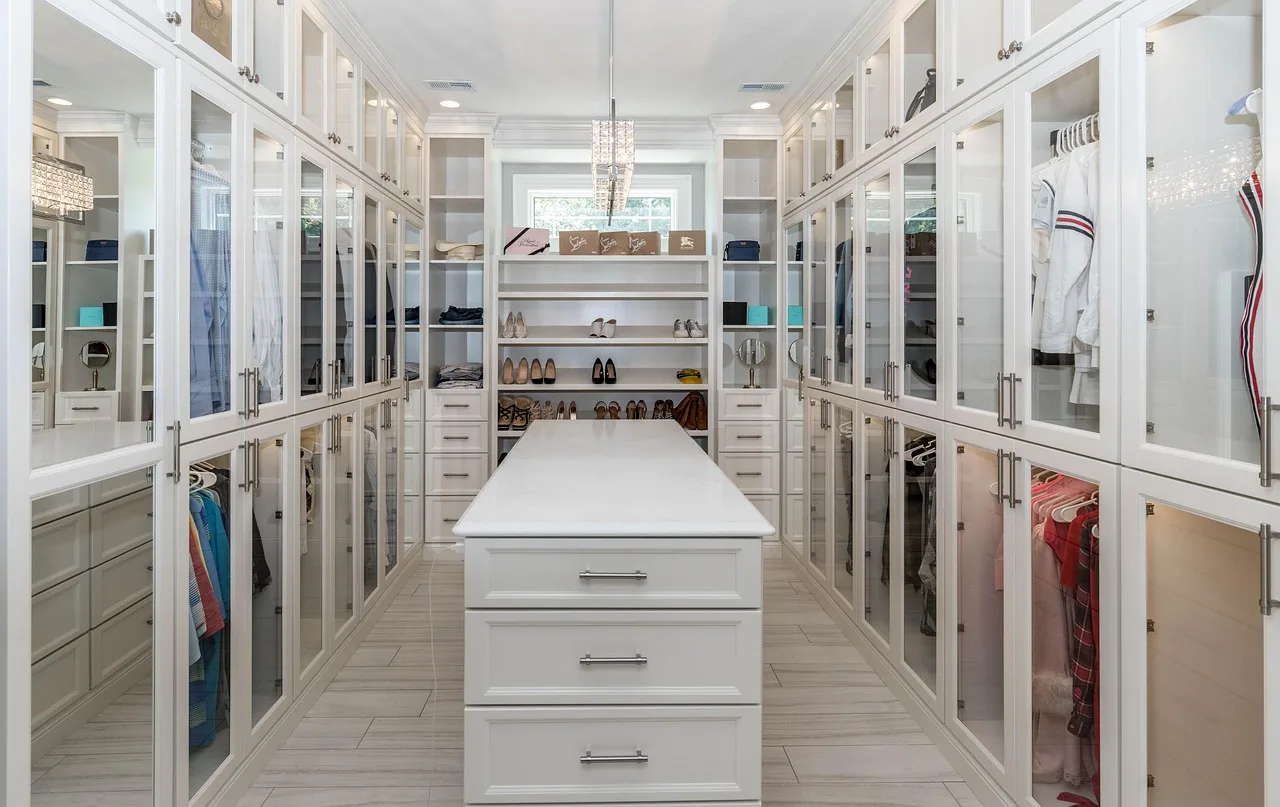
Fix bedroom storage by identifying the failure first: too many folded clothes need more drawer or shelf space, dead space needs a better layout, and rental limits call for freestanding or damage-free fixes. Skip that step, and clutter spreads, access gets worse, and you buy the wrong storage twice. This guide helps you match common bedroom storage problems to the right fix by room type, budget, and constraint.
Bedroom storage diagnosis matrix
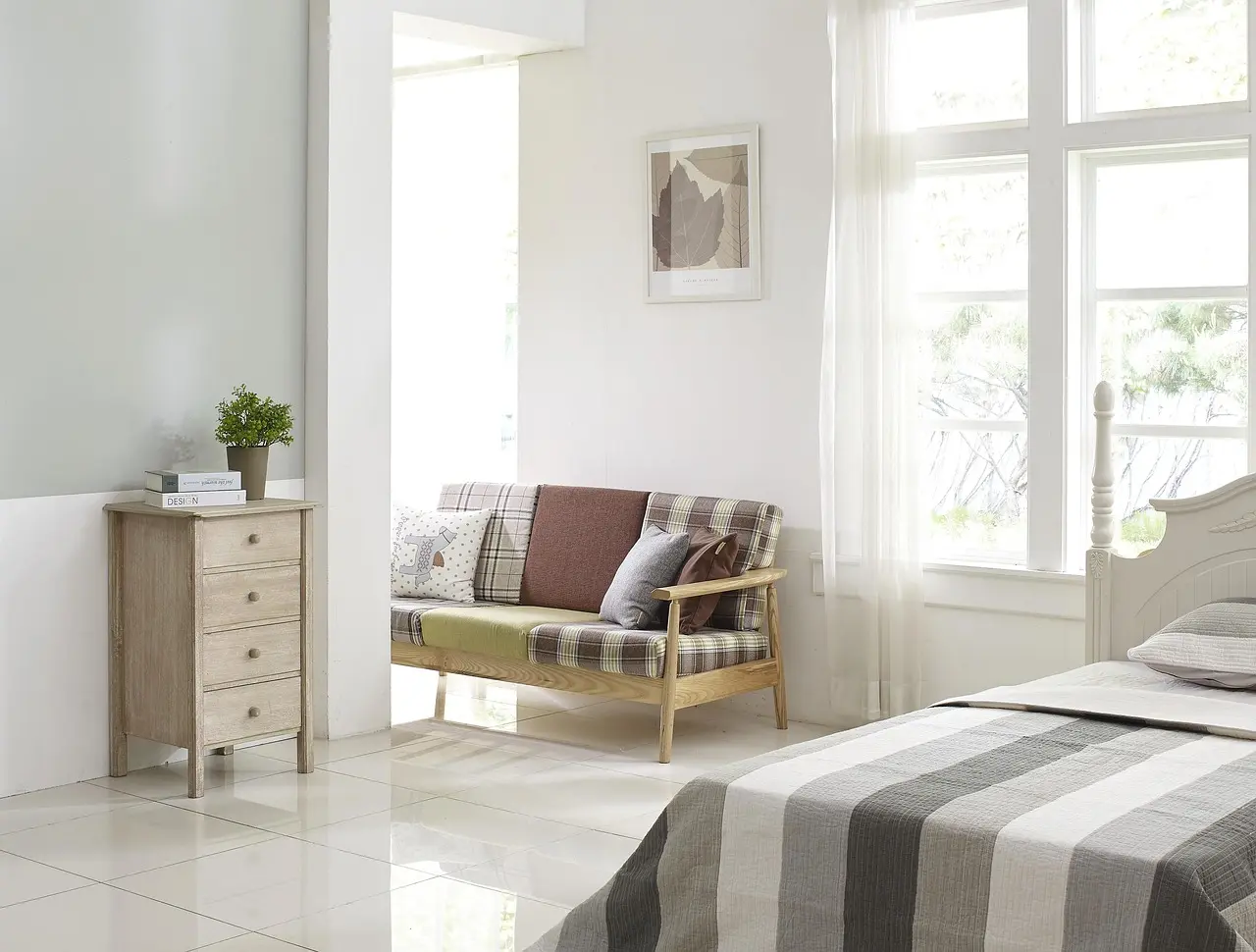
Use this matrix before you shop. Match what is failing, then choose the smallest fix that clears the bottleneck. The best answer is usually the one that fits the problem, the room, and the mounting limits at the same time.
| Failure case | What is going wrong | Best fix | Estimated capacity impact | Drill or no-drill |
|---|---|---|---|---|
| No closet | Hanging clothes, folded clothes, and shoes are competing for the same open floor. | Wardrobe with hanging rail plus shelves, or a PAX-style modular unit | High: adds a full clothes zone and can separate hanging from folded storage | Either, depending on the unit and anti-tip setup |
| Overflowing dresser | Drawers are stuffed, and top surfaces become a dumping ground. | Move some folded items into a wardrobe or add a second dresser only if floor space allows | Medium to high: frees drawers for daily items and clears the top | No-drill if freestanding |
| Under-bed waste | There is open clearance under the bed, but it is unused or dusty. | Low-height under-bed storage boxes with lids | Medium: seasonal clothes, linens, or spare bedding gain hidden storage | No-drill |
| Doorway bottleneck | Furniture blocks the path from the door or narrows the entry area. | Swap deep furniture for wall shelves, hooks, or a slimmer nightstand | Low to medium: clears traffic without adding bulk | No-drill or drill, depending on the fix |
| Shared room conflict | Two people are using the same surfaces, drawers, and corners. | Split storage zones and assign separate bins, shelves, or wardrobe sections | Medium: reduces overlap more than it adds space | No-drill is easier |
| Low-light corner | Dark corners become dead space because items are hard to see and reach. | Closed storage with labels or a wardrobe section with internal lighting if available | Low to medium: recovers a usable zone | Usually no-drill |
| Awkward corner or alcove | Standard furniture leaves gaps or wastes an odd-shaped recess. | Modular storage, shelves, or a fitted wardrobe layout | Medium: turns unusable geometry into storage | Either |
| Seasonal overflow | Off-season clothes and bedding are mixed into daily storage. | Lidded boxes under bed or in a high shelf zone | Medium: frees primary drawers and rods | No-drill |
| Cable clutter | Chargers, cords, and adapters spread across the nightstand and floor. | Nightstand storage with a drawer or shelf plus a cord path | Low to medium: mostly clears surfaces and walking space | No-drill |
| Renter limits | Walls, trim, or built-ins cannot be altered permanently. | Freestanding wardrobe, boxes with lids, hooks, and rail systems with damage-free mounting | Medium: depends on how much floor space you can spare | No-drill preferred |
Read the room for the failure mode
Start where the clutter actually appears. Clothes on chairs point to missing hanging or folded capacity. Items stacked by the door point to a traffic problem. Cords on the floor point to a bedside storage problem, not a wardrobe problem.
Use space you already have before buying anything
Bedroom storage categories on retail sites usually separate dressers and storage drawers, armoires and wardrobes, and storage organization products. That split matters because each one solves a different bottleneck. A room with spare wall height but little floor area needs a different fix from a room with unused under-bed clearance.
Track what is overflowing
List the items that have nowhere stable to go: hanging clothes, folded clothes, linens, accessories, or seasonal pieces. One category often causes the mess. If sweaters overflow but shirts hang fine, a taller wardrobe is not the first answer.
Decision tree: overflow type first, then wasted space, then room constraint, then the fix. If the overflow is clothes, move to hanging or drawer capacity. If the overflow is objects on the floor, look for traffic-friendly storage. If the wasted space is under the bed or above furniture, use those zones before adding another bulky piece. If the constraint is renter rules, stay freestanding or damage-free.
- Identify the item group that keeps escaping its assigned place.
- Note the place where the spill starts: drawer, floor, bed, door, or corner.
- Check whether the problem is capacity, access, or layout.
- Select the smallest storage fix that directly addresses that failure.
Bedroom layout checklist before you buy storage
Check the bed path, door swing, drawer clearance, and window access before bringing in anything new. A storage piece that technically fits can still make the room hard to use if it narrows the walking lane or blocks light.
- Leave a clear path from the door to the bed.
- Make sure cabinet doors and dresser drawers can open fully.
- Keep enough space in front of the bed for standing and making it.
- Do not block window handles, curtains, vents, or natural light.
- Keep charging gear and daily items within easy reach of the bed or entry point.
How do you choose between a dresser and wardrobe?
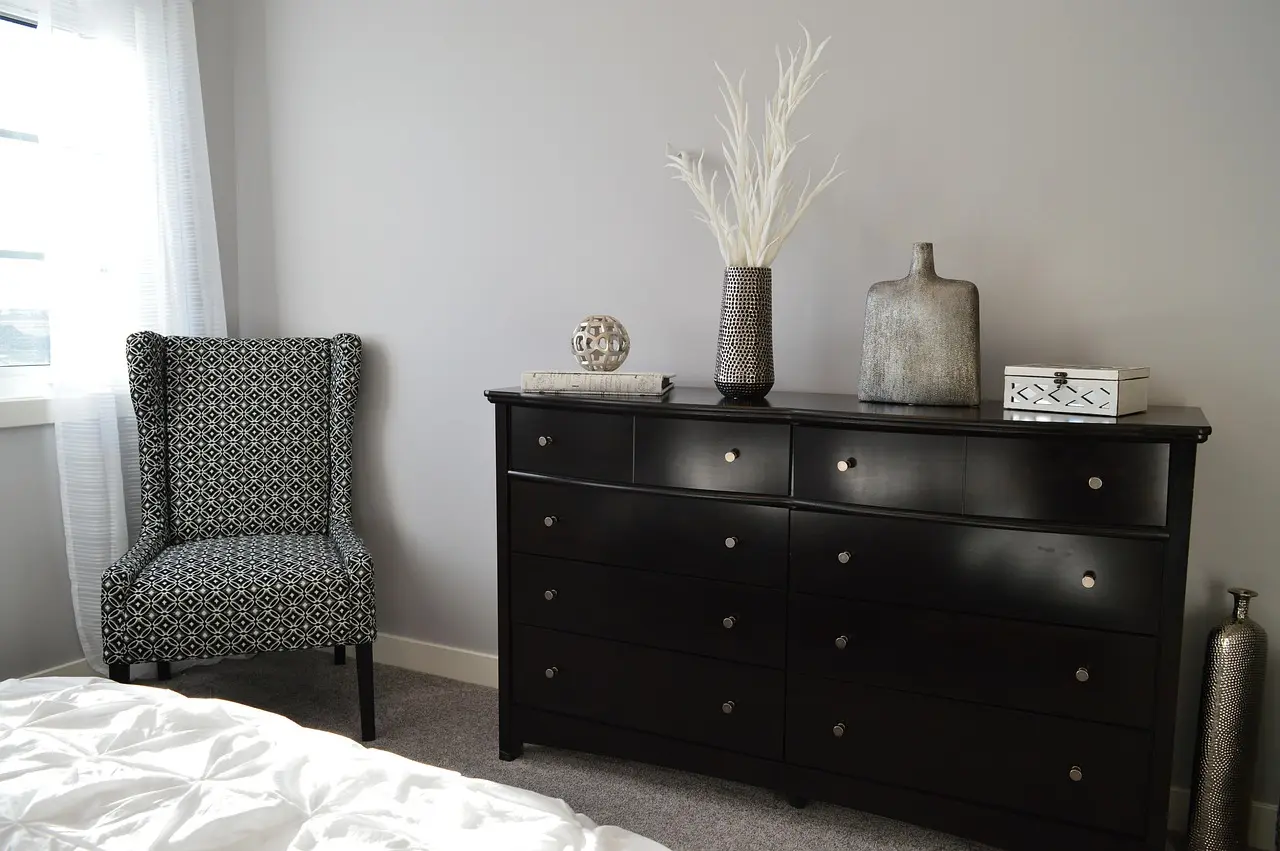
Choose a dresser when most of the problem is folded clothing, small accessories, or a surface that needs order. Choose a wardrobe when hanging clothes are the main overflow or when you need one enclosure to divide hanging, folded, and seasonal storage. The deciding factor is what you store, then how much width, depth, and height the room can give up.
What each one stores best
A dresser is often a good fit for folded clothing and accessories, since drawers help keep stacks separated and easier to sort. A dresser with more drawers can split clothing by type, while a simpler model may suit a lighter load. For example, IKEA lists the FÅGELFJÄLLET dresser as an 8-drawer model, and also shows a 3-drawer dresser in the same series priced at $179.99. Drawer count, not just the label, is what determines how much of the overflow it can absorb.
A wardrobe is better for closed clothes storage when hanging space is the priority. A wardrobe can hold hanging garments and folded items in the same cabinet, which makes it useful when a room has no closet or a closet is too small. IKEA’s PAX / FLISBERGET wardrobe combination measures 59×23 5/8×93 1/8 inches, and a second option measures 59×23 5/8×79 1/4 inches. In storage planning terms, deeper and taller wardrobes tend to work best where the wall can support a larger footprint and the room can spare the height.
How width, depth, and height affect fit
Width determines how much wall you can give up. Depth affects whether doors open cleanly and whether you can still walk past the piece. Height matters because tall storage can recover wall space in a small room, but only if the ceiling, trim, and nearby window placement leave enough clearance.
Suppose a room has a narrow wall beside the bed and the only spare zone is tall, not wide. A taller wardrobe can solve the problem without taking the whole wall. If the room is short on floor space but has more width, a low dresser may fit better and still reduce clutter.
Single-door versus double-door formats
Single-door formats often fit tighter spots and can work well for a narrow bedroom or an alcove. Double-door formats are commonly reported to make access easier and can support a split interior, with one side for hanging and one side for shelves or drawers. If the room is small, door swing becomes part of the storage diagnosis, not an afterthought.
What should you do with tight floor space?
When floor space is tight, use small-footprint storage that works near the bed or the entry point instead of adding another bulky cabinet. Nightstand storage, hooks, rail systems, and wall shelves can clear the room without turning it into a furniture obstacle course. The goal is to free walking paths and move small items into fixed zones.
Nightstand storage that earns its footprint
A nightstand should store bedside essentials, not only hold a lamp. A drawer or lower shelf can keep chargers, books, hand cream, headphones, and a water glass within reach. A compact nightstand can still handle daily items when the drawer is reserved for the things that otherwise collect on top. IKEA’s FÅGELFJÄLLET series includes a nightstand priced at $89.99.
Hooks and rail systems near the entry point
Hooks and rail systems work well for bags, robes, belts, and tomorrow’s outfit. Near the bedroom door, they catch the items that usually end up on the chair or floor. Renters can look for no-drill options first; drilled mounts are better when the wall can handle them and the load is more demanding.
Wall shelves with safe clearance
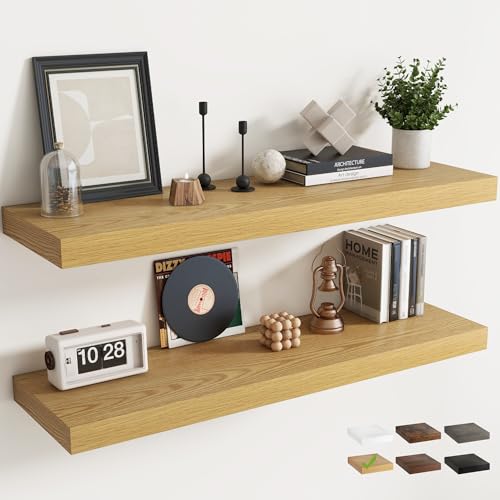
Wall shelves make sense when you have vertical space above a dresser, desk, or nightstand, but only if the shelf clears the furniture below it and stays within the weight limit. Use shelves for books, a few folded items, or display pieces. Daily-use items should stay easy to reach, or the shelf will become dead storage.
IKEA lists a wall shelf in the bedroom area priced at $34.00, and also groups some bedroom pieces as part of a coordinated series for a calm room. That makes shelves useful as part of a larger plan, not a random add-on.
How can under-bed storage actually help?
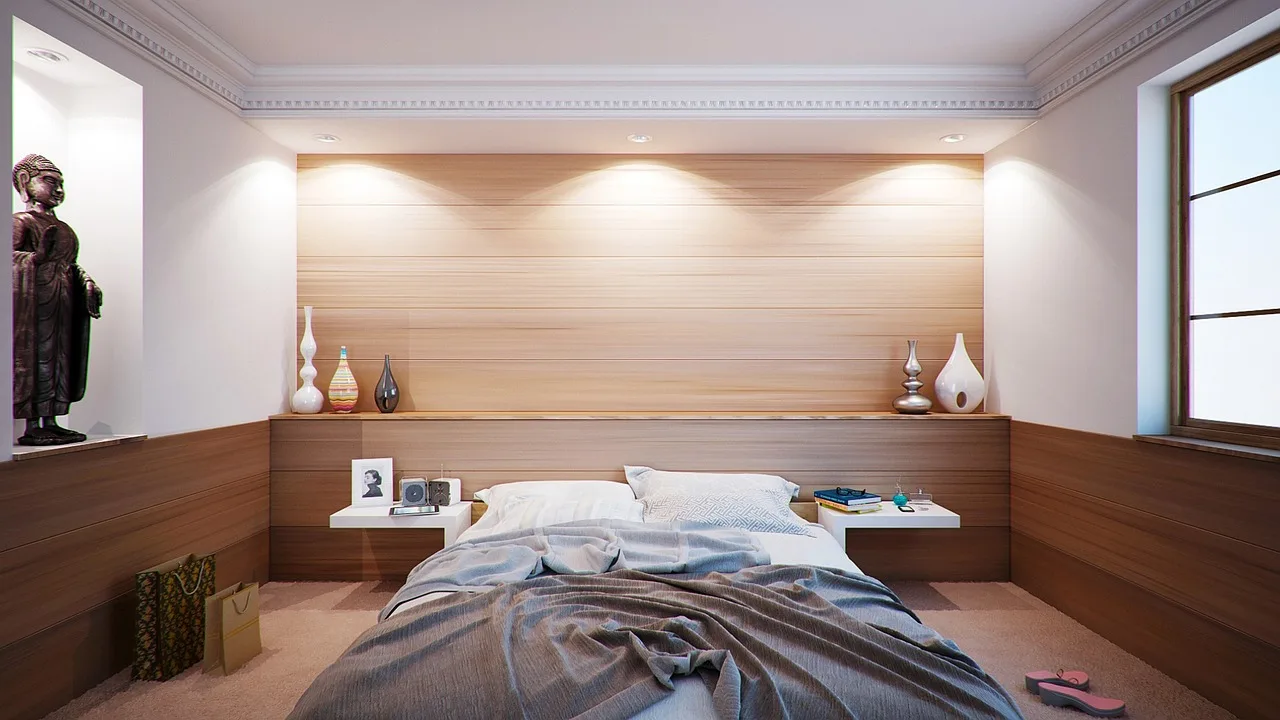
Under-bed storage helps when the bed frame leaves usable height beneath it and the room needs hidden capacity for items that do not need daily access. It works best for seasonal clothing, spare bedding, and low-use items. The right container matters, though, because open storage invites dust and makes the space harder to manage.
Lidded boxes versus open bins
Storage boxes with lids are the better choice when you want dust control, stackability, and labels that stay readable. A lidded box is usually better for items you rotate in and out, while open bins are more convenient for frequent grab-and-go use. Lidded containers are also easier to keep grouped by season, which helps keep the rest of the room from filling back up.
Use open bins only when the contents need fast access and you can tolerate more visual clutter. For seasonal rotation, lids win. They keep items cleaner and make it easier to move the whole box without losing the stack. The same source lists a storage box with lid in the bedroom section priced at $7.99.
Seasonal items and low-height containers
Under-bed containers should be low enough to slide under the frame without forcing them. Flat boxes make sense for sweaters, extra sheets, summer shoes, or winter accessories that do not need standing storage. If the container is too tall, it will catch on the frame and turn access into a chore.
Dust control and access planning
Dust control matters because under-bed storage is close to the floor and often out of sight. Keep the items grouped by season or category so you can pull out one box instead of unpacking everything. A common first-timer mistake is mixing daily items with seasonal overflow; that makes the bed area hard to use and hard to clean.
When does modular storage make sense?
Modular storage makes sense when the room has an awkward shape, a changing inventory, or a need to scale up later. PAX-style systems are useful because shelves, drawers, and hanging rails can be arranged around the clothing mix instead of forcing everything into one fixed layout. That flexibility helps in small rooms and in larger rooms with uneven wall space.
Fitting shelves, drawers, and hanging rails
A modular interior can separate long hang, short hang, folded items, and accessories without needing separate furniture pieces. That is useful when one person needs more hanging space and another needs more drawers. It also helps keep the same cabinet useful as wardrobe needs change over time.
Scaling the system for small or large rooms
One benefit of a modular wardrobe is that it can start as a single section and grow later if the room changes. In a small bedroom, a narrow run can hold the essentials without crowding the path. In a larger room, the same family of parts can create a full storage wall instead of scattered pieces.
How do you organize the room so clutter stays down?
Set up clear zones so every item has one home: clothes zone, linen zone, accessories zone, and seasonal rotation. If those categories share the same drawer or shelf, clutter comes back fast. The system should also protect the bed path, the door swing, and the area around windows.
Set up clothes, linen, and accessory zones
Keep daily clothes where they are easiest to reach, such as a dresser top drawer or a wardrobe rail. Put linens together so sheets and pillowcases do not spread into clothing storage. Accessories need a smaller zone with dividers, a drawer, or a labeled box so they do not migrate to every flat surface.
Keep cables and chargers out of the spill zone
Charging gear should live beside the bed, not on top of clothing storage. A drawer, shelf, or cord path in the nightstand keeps adapters from spreading onto the floor or dresser top. If the phone, watch, and tablet all charge in the bedroom, give cords their own home from the start.
Build a seasonal rotation routine
Rotate clothes and bedding by season so off-season items do not compete with daily essentials. Store the current season within easy reach and move the rest to under-bed boxes, high shelves, or a wardrobe section that is not in daily use. This keeps the room from filling up again after a cleanup.
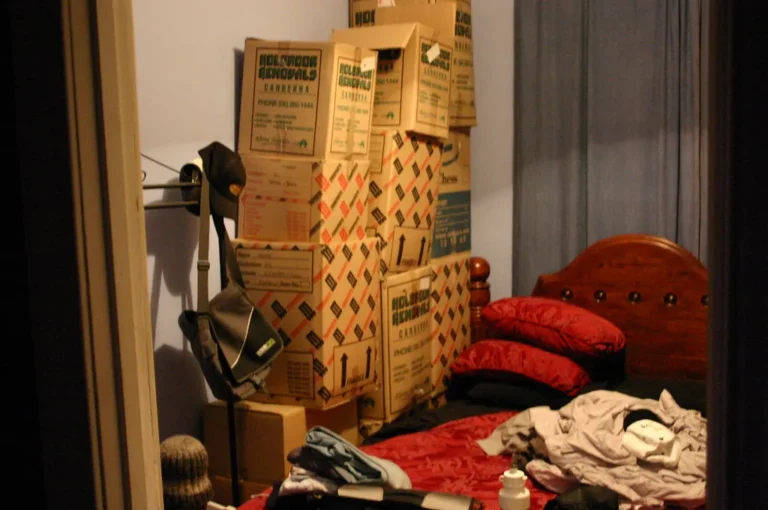
Picture a roughly 10-by-12 bedroom where the dresser top is covered with chargers, the chair holds hoodies, and the floor near the door is full of bags. The fix is not one more basket. It is a split plan: bedside storage for charging, hooks by the door for bags, and a separate clothes zone for folded items.
Frequently asked questions
How to fix storage issues in a small bedroom
Use storage that does not block movement. Nightstand storage, wall shelves, under-bed boxes, and a narrow wardrobe usually work better than several small bins on the floor. Keep clearance around the bed and door first, then use height and hidden spaces for the overflow.
What should I do if my bedroom has no closet?
Build a clothes zone with a wardrobe, modular storage, or a combination of drawers and hanging space. If floor area is tight, choose one tall unit rather than several shallow pieces. Add under-bed storage for seasonal items so the main cabinet stays usable.
How can I create more bedroom storage without buying a lot of furniture?
Use the furniture you already have more efficiently. Add hooks, use the top of a dresser for a defined catch zone, store seasonal items in labeled boxes with lids, and move chargers into the nightstand. Small changes can free enough space to delay buying a larger piece.
What bedroom storage works for renters?
Renters usually do best with freestanding wardrobes, lidded storage boxes, hooks, and rail systems that do not require permanent changes. If you do mount something, choose a damage-free or no-drill option. That keeps the room flexible and avoids unnecessary wall repairs later.
How do I organize a bedroom with too many clothes?
Sort clothes by how they are stored, not just by type. Keep hanging items in the wardrobe, folded items in the dresser, and off-season pieces in under-bed boxes or high storage. If every drawer is full, the room needs more capacity, not more folding tricks.
Products related to this article
Sponsored / affiliate links. As an Amazon Associate I earn from qualifying purchases. I may earn additional commission from eligible campaigns.