How to Make Your Bedroom Cozy for Winter
Make your bedroom cozy for winter by fixing the biggest heat leaks first: stop drafts, add one warm layer under bedding, switch to flannel or another winter-warm fabric, and use dim, warm light before bed. Skip the basics and you get colder sleep, higher heating demand, and a room that feels hard instead of restful. This guide ranks the highest-impact winter bedroom swaps by warmth, sleep quality, and budget so you know what to do first.
This guide is part of our How to Make Your Home Cozy for Winter: Rooms, Doors, Drafts and Warmth series.
What you’ll need



- Flannel sheets, ideally 100% cotton, with 170+ GSM as a starting point for winter weight
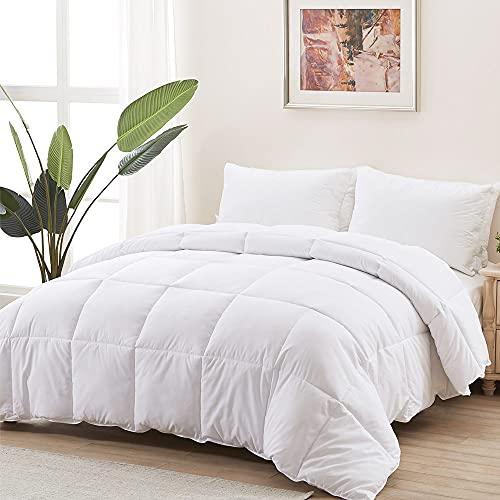
- A winter-weight duvet or comforter, or an all-season insert with enough loft for your climate
- A slightly oversized duvet insert for fuller coverage
- A plush area rug sized to anchor the bed zone
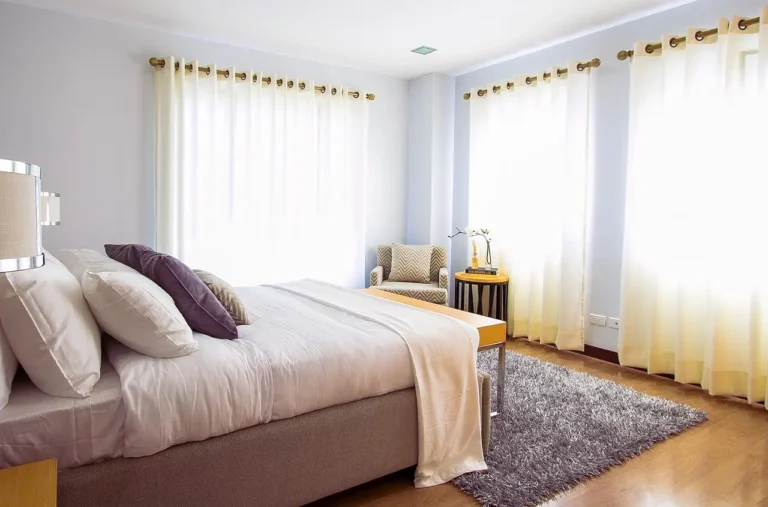
- Blackout or thermal curtains, or both in a layered window treatment
- Warm bulbs around 2700K for lamps or sconces, preferably dimmable
- A chunky knit throw blanket for a top layer
- A diffuser or candle with lavender, vanilla, cedar, or amber scent
- Storage bins, trays, or drawer organizers for surface control
- Warm-neutral or deep-tone accents such as cream, taupe, caramel, forest green, burgundy, charcoal, or calming blue
Start with the bed
The fastest comfort gain usually comes from bedding. Flannel sheets, a winter-weight duvet or comforter, and a bed that holds heat well do more for winter sleep than decorative accents, especially for cold sleepers. If the room already feels chilly at night, begin here before buying pillows or wall decor.
- Replace light cotton sheets with flannel, or another winter-warm layer that holds heat better.
- Choose a duvet or comforter with enough loft for your climate; warmth depends on fill power or fill weight.
- Use a slightly oversized insert so the bed looks fuller and the edges cover you better.
- Add one throw blanket at the foot of the bed. Keep it as a backup layer, not the only winter cover.
Should you use flannel sheets in winter?
Yes, if you sleep cold or your room loses heat overnight. Flannel is a strong winter bedding choice, and 100% cotton is often preferred for breathability. A common starting point is 170+ GSM. That gives you a warmer, softer feel without making the bed feel plastic or stiff.
How can I make my bedroom cozy for winter?

Start with the biggest comfort leaks: bedding, window treatment, floor warmth, and light. Then add texture and color once the room feels better to sleep in. That order matters because pillows and candles can soften the mood, but they do little if the bed still feels cold.
Use a layered window setup
Blackout or thermal curtains help retain warmth and support sleep quality. They matter most on drafty windows, where heat loss and light leakage often show up together. If you already have curtains, line them or replace them with a denser fabric before adding more decor.
Swap to warm lighting
Warm bulbs around 2700K create a softer evening feel than harsh overhead light. Dimmable bulbs work best in lamps, sconces, or layered lighting because they let you lower brightness without turning the room dark. A ceiling light alone usually feels too sharp for winter evenings.
Add scent with restraint
A diffuser or candle can make the room feel calmer, but treat scent as atmosphere rather than warmth. Lavender is a safe starting point, and vanilla, cedar, or amber also fit a winter bedroom. Keep the scent light enough that it does not compete with sleep.
How do you warm up a cold bedroom floor?
Use a plush area rug where bare feet land first. A rug softens the first step out of bed and adds a visible warmth layer. Size matters too: the rug should anchor the bed area instead of floating as a tiny island in the middle of the room.
Choose the right rug shape and placement
For most bedrooms, the rug should extend beyond the sides and foot of the bed so the room feels grounded. If the floor still feels cold, a rug pad or layered rug approach can help, especially over tile or thin flooring. Plush pile matters most for bare-foot comfort.
Use one practical fallback
Suppose your bedroom has laminate flooring and the space beside the bed still feels icy after adding a rug. Add a second runner along the main walking path, then recheck the area the next morning. That fixes the route you actually use, instead of covering the whole room unnecessarily.
How do you make a small bedroom cozy in winter?
Keep the room visually quiet. Small bedrooms feel warmer when surfaces are clear, storage is contained, and the color palette stays tight. Use one or two texture changes, not a dozen small objects that crowd the room and make it feel busier.
Reduce visual clutter first
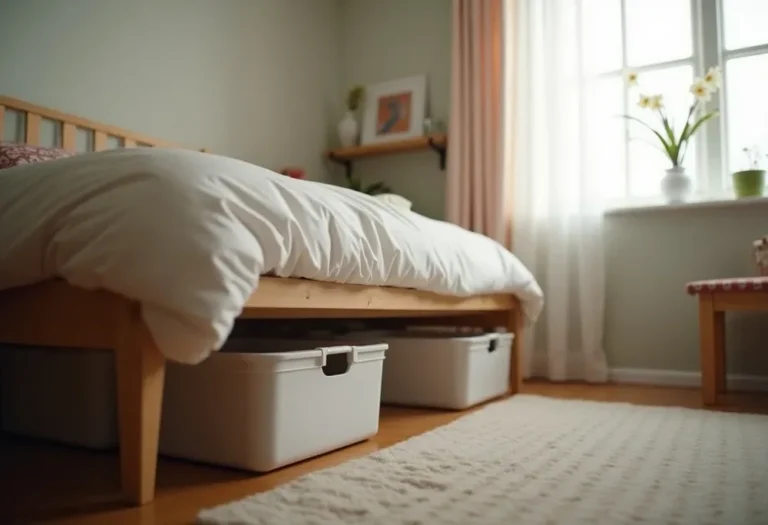
Clear the nightstand, limit loose decor, and keep only the items you use at bedtime. Trays and storage bins help hide chargers, books, and extra objects, which matters even more in a small room because clutter can make the space feel colder and tighter.
Pick a restrained winter palette
Warm neutrals such as cream, taupe, and caramel tend to read calm and soft. Deep tones like forest green, burgundy, and charcoal also work well. Blue can stay in the mix if you want a calmer feel, but keep it muted so the room does not turn cool or busy.
What textures make a bedroom feel cozy?
Velvet, knit, and soft pile fabrics create the strongest comfort signal, but they work best as accents. Use velvet in a headboard, pillow, or curtain panel, and choose matte or higher-sheen finishes based on how soft or polished you want the room to feel. Chunky knit throws add visual warmth fast.
Use texture where the eye lands first
Place the most tactile fabric at the bed, window, or reading chair. A velvet pillow and a knit throw can change the room’s feel without requiring a full makeover. Do not rely on a chunky throw as your main bedding layer if the room is genuinely cold; that is a comfort accent, not the core solution.
Winter bedroom priority table

The order below puts warmth and sleep quality ahead of style. It also separates the first move for renters, small bedrooms, and cold sleepers, because those rooms usually need different first fixes.
| Intervention | Expected comfort impact | Estimated cost | If this still feels cold |
|---|---|---|---|
| Flannel sheets plus a winter-weight duvet | High | Low to medium | Check for thin mattress pads or a draft from the headboard wall. |
| Blackout or thermal curtains | High | Medium | Inspect window gaps and add a liner or wider panels. |
| Plush area rug | Medium to high | Medium | Add a rug pad or runner where feet land first. |
| Warm 2700K dimmable lighting | Medium | Low to medium | Replace a harsh overhead bulb with lamp-based lighting. |
| Clutter control with trays or bins | Medium for mood | Low | Remove extra surface items and move rarely used objects into storage. |
| Texture accents and scent | Low to medium | Low | Use these after the room is already warm enough to sleep in. |
A weekend refresh can cost about $150 to $400. A layered upgrade can cost about $500 to $1,500. A full hibernation haven can cost $2,000 to $7,000+. That range helps you plan without buying everything at once.
Ranked fixes for renters
- Use flannel sheets and a better duvet insert.
- Add blackout or thermal curtains you can take with you.
- Place a rug over the coldest floor area.
- Switch lamps to 2700K bulbs and dim them in the evening.
Ranked fixes for small bedrooms
- Clear the nightstand and visible surfaces.
- Choose one strong textile change, such as a rug or duvet.
- Keep the palette in warm neutrals or one deep tone.
- Use one velvet accent rather than many small accessories.
Ranked fixes for cold sleepers
- Start with flannel sheets, preferably 100% cotton and 170+ GSM or above.
- Move to a winter-weight duvet or comforter with more loft.
- Add blackout or thermal curtains to reduce heat loss near the bed.
- Use a plush rug if the floor still pulls heat from your feet.
Common mistakes
One common mistake is buying decor before solving bedding and window heat loss. Another is using too many small accents, which can crowd a bedroom and make it feel restless rather than calm. The third is choosing a curtain or bulb that works against warmth, such as thin panels or cool, bright light.
Fix the room in the right order
Suppose a modest bedroom already has a couple of throw pillows, a knit blanket, and a candle, but the bed still feels cold at night. Upgrade the sheets and curtain layer first. That gives you a better sleep result than adding more decorative pieces.
Use an adjustment step, then recheck
After each change, make one adjustment and recheck the room the next night. Add one layer at a time: one curtain panel set, one rug, or one blanket. That keeps you from overspending on fixes that do not move comfort enough.
How do you make your bedroom feel like a warm retreat?
Focus on the bed, window, floor, light, and then the final styling layer in that general order. The retreat feeling comes from comfort first and decoration second. Velvet, knit texture, warm colors, and scent all help, but they work best after the room holds heat and supports sleep well.
Build the atmosphere last
Use a chunky knit throw, one velvet pillow, and a low light source to finish the room. If the room still feels stark, soften the palette with cream, taupe, caramel, forest green, burgundy, or charcoal. Keep the arrangement simple so the bed remains the visual center.
Frequently asked questions
What bedding makes a bedroom warmer in winter?
Flannel sheets, especially 100% cotton in 170+ GSM or higher, are a strong winter choice. Pair them with a fluffy comforter or duvet and, if needed, a slightly oversized insert so the bed holds heat and feels fuller.
What lighting feels cozier in a winter bedroom?
Use warm bulbs around 2700K in lamps or sconces, and choose dimmable bulbs if possible. Layered lighting works better than a bright overhead fixture because it lowers glare and makes the room feel softer before bed.
What colors make a bedroom feel cozy in winter?
Warm neutrals and deep tones usually work best: cream, taupe, caramel, forest green, burgundy, and charcoal. Calming blue can also work if it stays muted. Keep the palette limited so the room feels settled rather than busy.
How do I decorate a bedroom for winter without overbuying?
Buy in this order: bedding, curtains, rug, lighting, then accents. Use one texture move, one color change, and one scent source at most in the first round. That keeps the room calm and prevents spending on pieces that do not improve comfort.
Products related to this article
Sponsored / affiliate links. As an Amazon Associate I earn from qualifying purchases. I may earn additional commission from eligible campaigns.