What Color Dresser Goes Best With A White Bed?
Choosing furniture for your bedroom can feel like a puzzle. You’ve picked out a lovely white bed, but now you’re staring at a blank space where a dresser should go. You want it to look good.
You want it to match. But what color dresser truly goes best with a white bed? It’s a common question, and the good news is, you have lots of great options.
This guide will help you find the perfect fit.
The best color dresser to go with a white bed is often a natural wood tone for warmth, or contrasting colors like black or gray for a modern feel. Consider your room’s overall style, existing colors, and the mood you want to create when making your final choice.
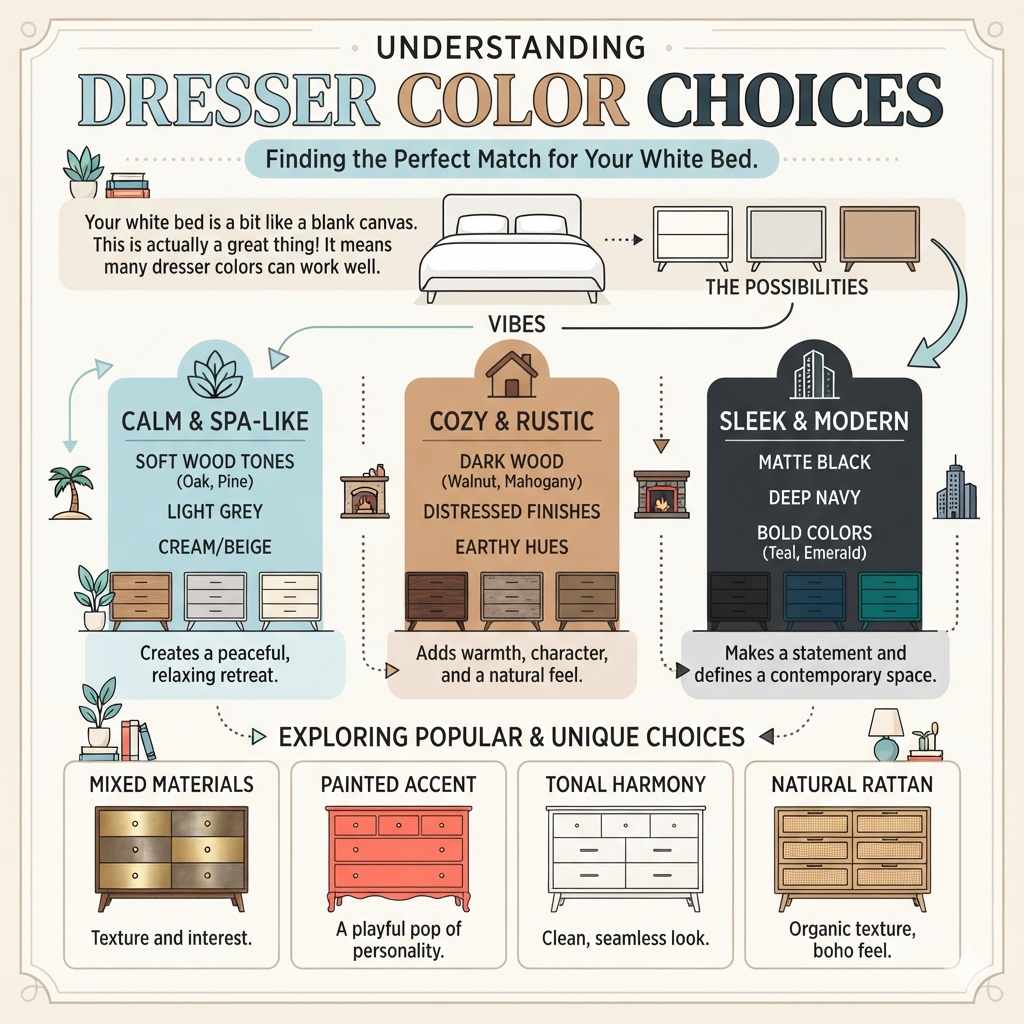
Understanding Dresser Color Choices
Your white bed is a bit like a blank canvas. This is actually a great thing! It means many dresser colors can work well.
We just need to think about how different colors make a room feel. Some colors add warmth. Others make the room feel clean and crisp.
Some might make a bold statement. It all depends on what you want your bedroom to feel like.
Think about the vibe you are going for. Do you dream of a calm, spa-like retreat? Or maybe a cozy, rustic haven?
Perhaps a sleek, modern escape? The color of your dresser plays a big role in setting that mood. It’s more than just a place to store clothes.
It’s a key piece of your bedroom’s story.
We will dive into popular choices. We will talk about why they work. We will also touch on some less common but stylish ideas.
This will help you see the possibilities. You’ll get a clearer picture of what will make your bedroom feel just right for you.
The Warm Embrace of Wood Tones
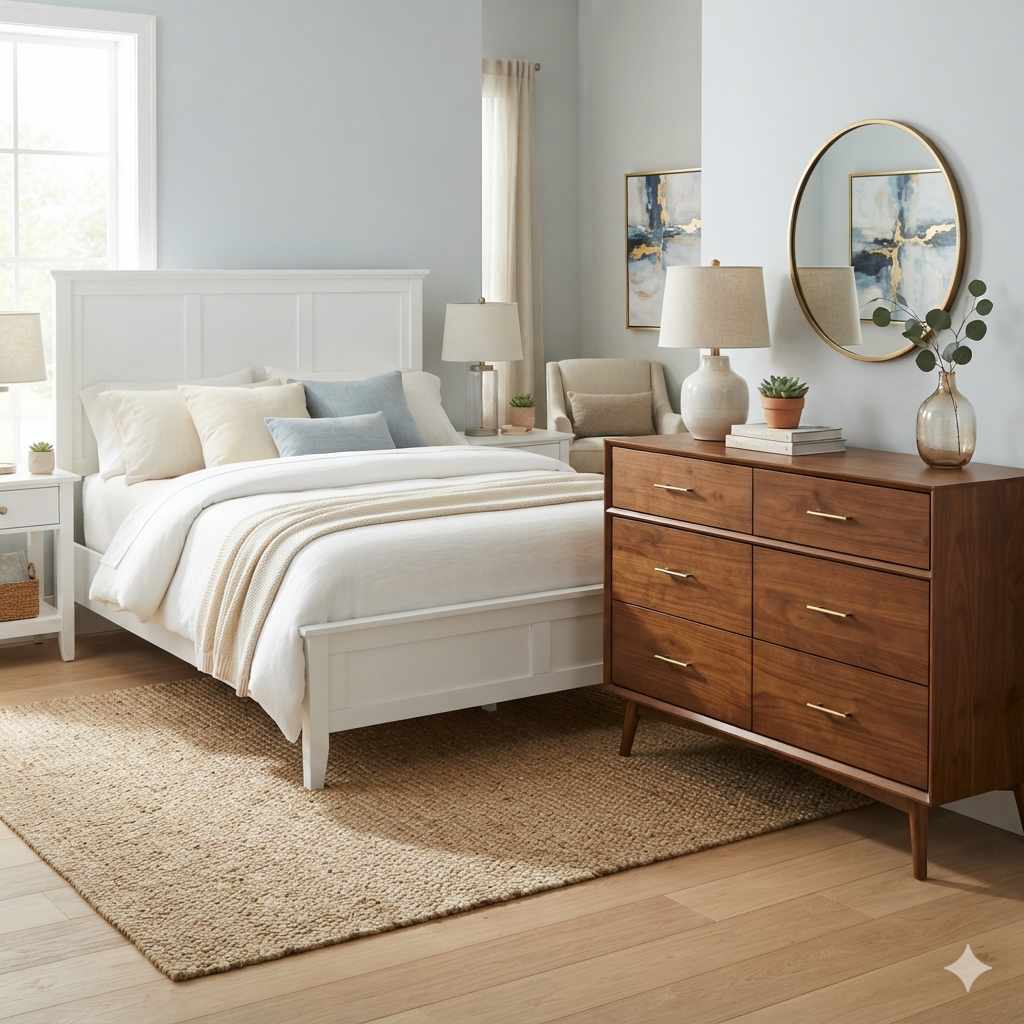
Wood dressers are a timeless choice. They bring natural beauty into any room. A white bed paired with wood creates a classic look.
This combination feels inviting and comfortable.
Light Woods: Think of woods like pine, birch, or light oak. These woods have a soft, natural grain. They pair beautifully with a white bed.
This creates a bright, airy feel. It’s perfect for smaller rooms. It makes the space feel larger and more open.
Light wood tones add a touch of Scandinavian or minimalist style. They are easy on the eyes and promote a sense of calm.
Medium Woods: Oak, maple, or cherry wood in their natural medium tones are also fantastic. They offer a bit more depth than light woods. A medium wood dresser grounds the white bed.
It adds a cozy, welcoming feel. This is a versatile choice. It works well in many bedroom styles.
It feels traditional yet still fresh.
Dark Woods: Walnut, espresso, or dark mahogany can create a dramatic effect. A dark wood dresser against a white bed offers a strong contrast. This can make the white bed pop.
It adds a touch of elegance and sophistication. Dark wood can make a room feel more intimate and luxurious. Be mindful of the room’s size, though.
Too much dark furniture can make a small room feel smaller.
I remember a client’s guest room. She had a lovely white iron bed. She was unsure about dresser color.
We chose a simple, light oak dresser. It completely transformed the room. It felt so much more welcoming.
The light wood brought a soft warmth that the white bed alone couldn’t provide. It was a simple change with a big impact.
The grain of the wood also matters. A smooth, uniform grain might lean more modern. A more rustic, knotty grain adds character and a country feel.
Consider the overall style of your room when picking the wood type.
Wood Dresser Quick Guide
Light Woods: Pine, Birch, Light Oak.
Best for: Bright, airy rooms, minimalist, Scandinavian styles.
Feeling: Light, open, clean.
Medium Woods: Oak, Maple, Cherry.
Best for: Most styles, traditional, transitional.
Feeling: Warm, inviting, classic.
Dark Woods: Walnut, Espresso, Mahogany.
Best for: Dramatic contrast, elegant, luxurious rooms.
Feeling: Sophisticated, intimate, rich.
The Crisp Contrast of Black
Black is a bold choice that always makes a statement. A black dresser against a white bed creates a striking contrast. This look is modern, chic, and sophisticated.
It’s a popular choice for bedrooms aiming for a dramatic flair.
A matte black finish can feel very contemporary. A glossy black finish adds a touch of glamour. Either way, black offers a strong visual anchor in the room.
It helps to define the space and give it structure. It works particularly well if you have other black accents in your room, like picture frames or lamps.
When I was decorating my own bedroom, I considered black. I have a white duvet cover. I thought a black dresser would look sharp.
I chose a dresser with clean lines and a modern design. It really grounded the room. It made the white bedding stand out even more.
It felt a little edgy but in a good way.
Black can also absorb light. If your room is already a bit dark, consider a black dresser with lighter hardware. Or, make sure you have plenty of other light elements and good lighting to balance it out.
It’s all about achieving a good balance in the room.
The style of the black dresser is also important. A sleek, handle-less black dresser is very modern. A black dresser with ornate details or metal hardware might lean more towards a classic or industrial style.
Black Dresser Style Notes
Matte Black: Modern, understated, sophisticated.
Glossy Black: Glamorous, high-end, attention-grabbing.
Hardware: Silver, gold, or brushed nickel hardware can change the look.
Balance: Pair with lighter accents or good lighting.
The Cool Sophistication of Gray
Gray is a wonderfully versatile neutral. It bridges the gap between black and white. A gray dresser can offer a softer contrast than black.
It still provides definition without being too overpowering. This makes it a fantastic choice for many bedroom styles.
Light Grays: Think of soft, pale grays. These can mimic the look of a very light wood. They keep the room feeling bright and airy.
A light gray dresser can be very calming. It’s a great option if you want a serene bedroom environment. It feels modern and clean, similar to white but with a touch more substance.
Medium Grays: These grays offer more presence. They provide a distinct contrast to the white bed. A medium gray dresser can add a touch of coziness.
It feels grounded and sophisticated. This is a very popular choice for contemporary and transitional bedrooms. It’s neutral enough to let other decor elements shine.
Charcoal Grays: These are the darkest grays. They are close to black but often feel a bit softer. A charcoal gray dresser provides a strong contrast.
It can add depth and drama to the room. It’s a good alternative if black feels too harsh for your taste. It still delivers that sophisticated, modern edge.
I saw a bedroom once with a white tufted bed. The walls were a soft, light gray. The dresser was a medium charcoal gray.
It was a beautiful, cohesive look. The gray dressers acted as a perfect middle ground. It kept the room from feeling too stark with all the white and gray.
Gray is also excellent for camouflaging dust. If you have a busy lifestyle, a medium or dark gray dresser might be more forgiving than pure white or very light wood. It’s a practical choice that still looks stylish.
Gray Dresser Pairings
With White Bed: Creates a soft or strong contrast.
With Accent Colors: Gray is a great neutral base for blues, greens, or even blush tones.
With Other Furniture: Works well with white, wood, or even metal furniture.
Feeling: Calm, sophisticated, versatile.
Unexpected & Bold Colors
While neutrals are popular, don’t shy away from color! A white bed is the perfect backdrop for a dresser in a vibrant hue. This is a chance to inject personality and fun into your bedroom.
Navy Blue: A deep navy dresser can be incredibly elegant. It offers a rich, grounding color that pairs beautifully with white. It feels sophisticated, almost like a moody alternative to black.
It works well in both traditional and modern settings. Navy is calming and can promote restful sleep.
Deep Green (Emerald or Forest): These rich greens bring a sense of nature and tranquility indoors. A green dresser can make your bedroom feel like a serene escape. It’s especially lovely if you have plants in your room.
It adds a touch of organic luxury.
Blush Pink or Dusty Rose: For a softer, more romantic feel, consider a blush or dusty rose dresser. These shades add a touch of warmth and femininity without being overwhelming. They create a cozy and inviting atmosphere.
Mustard Yellow or Terracotta: If you want something warm and earthy, these colors are wonderful. They can bring a cheerful or grounding energy to the room. They pair surprisingly well with crisp white, creating a balanced yet vibrant look.
I once helped a friend choose a dresser for her guest room. She had a simple white platform bed. She wanted something fun.
We ended up choosing a dresser painted a beautiful, muted teal. It was unexpected but looked amazing. It made the guest room feel unique and cheerful.
The white bed kept it from being too much.
When choosing a bold color, think about the tone. A muted or dusty version of a color will feel more sophisticated. A bright, saturated version will be more playful and energetic.
Consider the overall size of your room and the amount of light it receives.
Bold Color Dresser Ideas
Navy Blue: Elegant, grounding, sophisticated.
Deep Green: Natural, tranquil, luxurious.
Blush Pink: Soft, romantic, feminine.
Mustard Yellow/Terracotta: Warm, earthy, cheerful.
Consider: Muted tones for sophistication, bright tones for playfulness.
Pair with: White bed, neutral walls, and complementary accents.
The Power of White on White (and Cream!)
You might think, “A white dresser with a white bed? Isn’t that too much?” Not necessarily! A white dresser can create a monochromatic look.
This can be very chic and modern. It can make your room feel larger and more cohesive.
Pure White: A pure white dresser can blend seamlessly with a white bed. This creates a clean, streamlined appearance. It’s ideal for a minimalist aesthetic.
It’s also great for small rooms as it doesn’t break up the visual space. You can add visual interest with texture. Think of a dresser with interesting drawer fronts or hardware.
Off-White or Cream: If pure white feels too stark, an off-white or cream dresser is a softer alternative. These warmer whites offer a gentle contrast to a bright white bed. They add a touch of coziness and can feel more traditional or farmhouse-inspired.
This is a great way to achieve a layered neutral look.
The key to making white-on-white work is to play with textures and finishes. Different sheens (matte vs. glossy) can create subtle differences.
Hardware can also be a game-changer. Choosing black, brass, or even clear acrylic hardware on a white dresser can add definition and style.
I’ve seen bedrooms where everything was white or cream. It looked incredibly elegant. The bedding was white, the dresser was a soft cream, and the walls were a pale ivory.
It felt so serene and airy. The textures of the fabrics and the slight variations in white tones kept it from being flat. It was a masterclass in subtle design.
If you choose a white dresser, think about how you’ll use it. White can show scuffs and marks more easily. This is something to consider if you have kids or pets running around the bedroom.
However, many white finishes are durable and can be cleaned easily.
White Dresser Strategies
Monochromatic Magic: Creates a seamless, modern look.
Texture Play: Use different finishes or hardware to add interest.
Hardware Matters: Black, gold, or clear pulls pop against white.
Off-White/Cream: Softer alternative for warmth.
Consider: Durability and cleaning needs for busy households.
Considering Your Room’s Existing Colors
The most beautiful dresser for your white bed won’t exist in a vacuum. You need to think about the rest of your room. What colors are already present?
What vibe are you aiming for?
Wall Color: Are your walls a neutral like beige, gray, or white? Or are they a bolder color like blue or green? A neutral wall color gives you more freedom with dresser color.
If your walls are already a strong color, you might want to choose a more neutral dresser to balance things out. Or, you could choose a dresser that complements your wall color.
Flooring: The color and material of your flooring are also important. If you have light-colored wood floors, a darker dresser might provide a nice contrast. If you have darker floors, a lighter dresser might brighten the space.
Other Furniture: Do you have other large pieces of furniture in the room, like a nightstand, a bench, or a desk? Try to coordinate the style and color of your dresser with these items. They don’t have to match exactly, but they should feel harmonious.
For example, if your nightstand is a medium wood, a medium wood dresser would likely look good. If you have a gray nightstand, a gray dresser would be a natural fit.
Accent Colors: Look at your throw pillows, curtains, rugs, and artwork. What colors do you see repeated? You can choose a dresser color that picks up on one of these accent colors.
This will help tie the whole room together. For instance, if you have blue accents, a navy dresser could be a fantastic choice.
I helped a friend with her master bedroom. She had a white bed, light beige walls, and dark brown nightstands. She wanted a dresser that felt cohesive.
We looked at a few options. We decided on a dresser with a dark brown finish that was similar to her nightstands. This created a sense of balance.
The white bed provided a bright focal point.
Room Harmony Checklist
Walls: Neutral or bold?
Flooring: Light or dark wood? Carpet?
Other Furniture: Style and color of nightstands, etc.
Accents: Colors in pillows, curtains, art.
Goal: Create balance and a cohesive feel.
Pro Tip: Don’t be afraid to mix and match finishes, but ensure they have a similar undertone (e.g., warm wood with warm metal accents).
What This Means for Your Bedroom Design
The color of your dresser is a significant design decision. It impacts the entire feel of your bedroom. Choosing wisely can elevate your space.
It can make it feel more complete and harmonious.
Creating a Focal Point: A dresser in a contrasting color can serve as a secondary focal point. It draws the eye and adds visual interest. A bold color can make the dresser a statement piece.
A dark wood can provide a grounded anchor against the lighter bed.
Defining Your Style: The dresser color contributes to your overall bedroom aesthetic. A light wood dresser leans towards Scandinavian or modern. A dark wood or black dresser can feel more traditional or contemporary.
A painted dresser can bring in a playful or sophisticated element.
Enhancing the Feeling of Space: Lighter colored dressers, like white, gray, or light wood, can make a room feel larger and more open. Darker colors can make a room feel cozier and more intimate. It’s about how the color interacts with the light in your room.
I’ve seen many bedrooms where the dresser was an afterthought. It often looked out of place. But when the dresser color was chosen with intention, the whole room just clicked.
It felt designed and thoughtful. It’s like finding the last piece of a puzzle.
Consider the functionality too. Do you need a dresser that can hide clutter easily? A darker color or a wood grain might be better.
Do you want your room to feel as bright and airy as possible? Stick to lighter tones. The right color dresser can make your white bed feel even more special.
When It’s Normal and When to Worry
It’s important to remember that “normal” is subjective in interior design. What looks great in one room might not in another. However, there are some general guidelines.
When a Color Combo is Normal:
It’s completely normal for a white bed to look good with almost any dresser color. Wood tones (light, medium, dark) are always a safe and classic bet. Grays and blacks offer modern contrast.
White or cream dressers create a clean, cohesive look. Deep, muted colors like navy or forest green add sophistication. The key is that the dresser color feels intentional and fits with the overall design of your room.
When You Might “Worry” (or Re-evaluate):
You might want to rethink your choice if:
The dresser color clashes jarringly with other main elements in the room. For example, a very warm wood dresser with very cool-toned blue walls might look a bit off if not balanced. The dresser color makes the room feel significantly darker or smaller than you desire, and this wasn’t the intention.
* The style of the dresser clashes completely with the style of your white bed or other furniture. A very ornate antique dresser might not pair well with a super modern, minimalist white bed unless that’s a specific design choice.
My cousin chose a bright, almost neon yellow dresser for her guest room. She had a simple white bed. While it was certainly a statement, it felt a little overwhelming against the white.
The rest of the room was quite neutral. It ended up looking a bit like an accidental splash of color rather than a planned design element. She later repainted it a softer mustard, and it looked much better.
Don’t stress too much! Most “mistakes” can be fixed with paint or by adding other decor elements. The goal is to create a space you love.
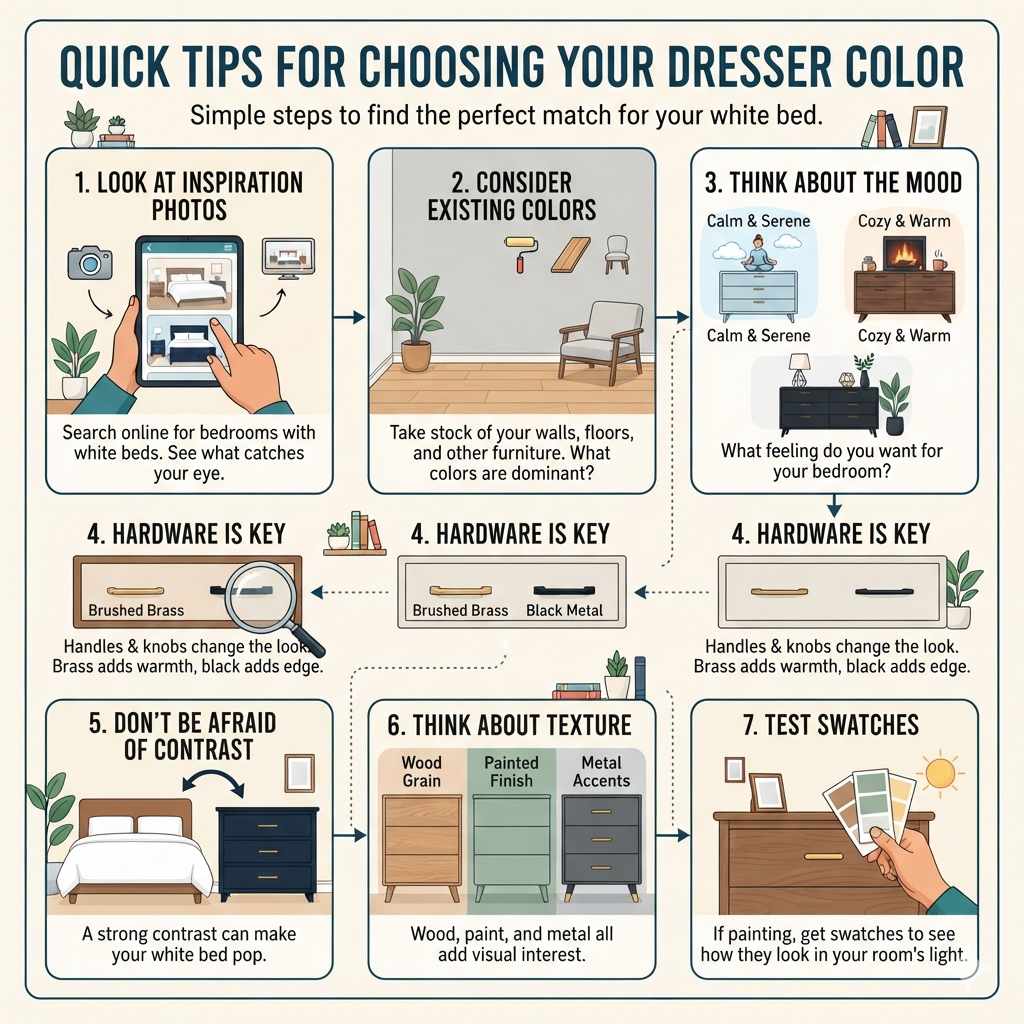
Quick Tips for Choosing Your Dresser Color
Here are some simple steps to help you decide:
- Look at Inspiration Photos: Search online for bedrooms with white beds. See what dresser colors and styles catch your eye.
- Consider Your Existing Colors: Take stock of your walls, floors, and any other furniture. What colors are dominant?
- Think About the Mood: Do you want calm and serene? Cozy and warm? Modern and chic?
- Hardware is Key: The handles and knobs on a dresser can significantly change its look. Brushed brass can add warmth, while black metal can add a modern edge.
- Don’t Be Afraid of Contrast: A strong contrast can make your white bed pop.
- Think About Texture: Wood grain, painted finishes, and metal accents all add visual interest.
- Test Swatches (if possible): If you’re painting a dresser, get some paint swatches to see how they look in your room’s light.
Frequently Asked Questions About Dressers and White Beds
What is the most popular dresser color to go with a white bed?
Wood tones are consistently popular because they add warmth and work with many styles. Gray and black are also very popular for creating modern contrast.
Can I have a white dresser with a white bed?
Yes, absolutely! A white dresser with a white bed creates a clean, monochromatic look that can make a room feel larger and more modern. Playing with different textures and hardware is key to making it interesting.
Should my dresser match my nightstand?
It doesn’t have to match exactly, but coordinating is a good idea. You could choose a dresser in the same wood tone or color family as your nightstand. Alternatively, you can mix and match if the styles complement each other and create a balanced look.
What color dresser works best in a small bedroom with a white bed?
Lighter colors tend to work best in small bedrooms. Think light wood tones, white, or light gray dressers. These colors help the room feel more open and spacious.
Avoid very dark or heavy colors that can make the space feel cramped.
How can I make a wood dresser look good with a white bed?
Wood dressers are very versatile with white beds. Light woods create a soft, natural look. Medium woods offer warmth and balance.
Dark woods provide a dramatic, elegant contrast. The key is to choose a wood tone that complements the overall mood and style you want for your bedroom.
Are bold colored dressers a good idea with white beds?
Yes, bold colored dressers can be a fantastic choice with white beds! The white bed acts as a neutral canvas, allowing a colorful dresser to stand out and become a statement piece. Colors like navy blue, deep green, or even a soft blush can add personality and charm.
Bringing It All Together
Choosing a dresser color to go with your white bed is an exciting step in designing your perfect bedroom. Remember, white is a fantastic neutral that offers a lot of flexibility. Whether you crave the natural warmth of wood, the sharp contrast of black, the cool calm of gray, or a pop of vibrant color, there’s a dresser out there that will make your white bed feel even more at home.
Focus on the overall mood you want. Look at the other colors in your room. Trust your own style.
Your bedroom is your sanctuary, and the right dresser will help make it feel just that way. Happy decorating!
Products related to this article
Sponsored / affiliate links. As an Amazon Associate I earn from qualifying purchases. I may earn additional commission from eligible campaigns.