How to Move a Dresser Without Removing the Drawers
Move a dresser with drawers left in place only if it is short, sturdy, and lightly loaded, and the route is flat and open. Remove the drawers if the dresser is tall, top-heavy, or has to go up stairs. Bad moves can tip the dresser, crack the frame, jam drawers, and injure hands or backs.
Before you move the dresser
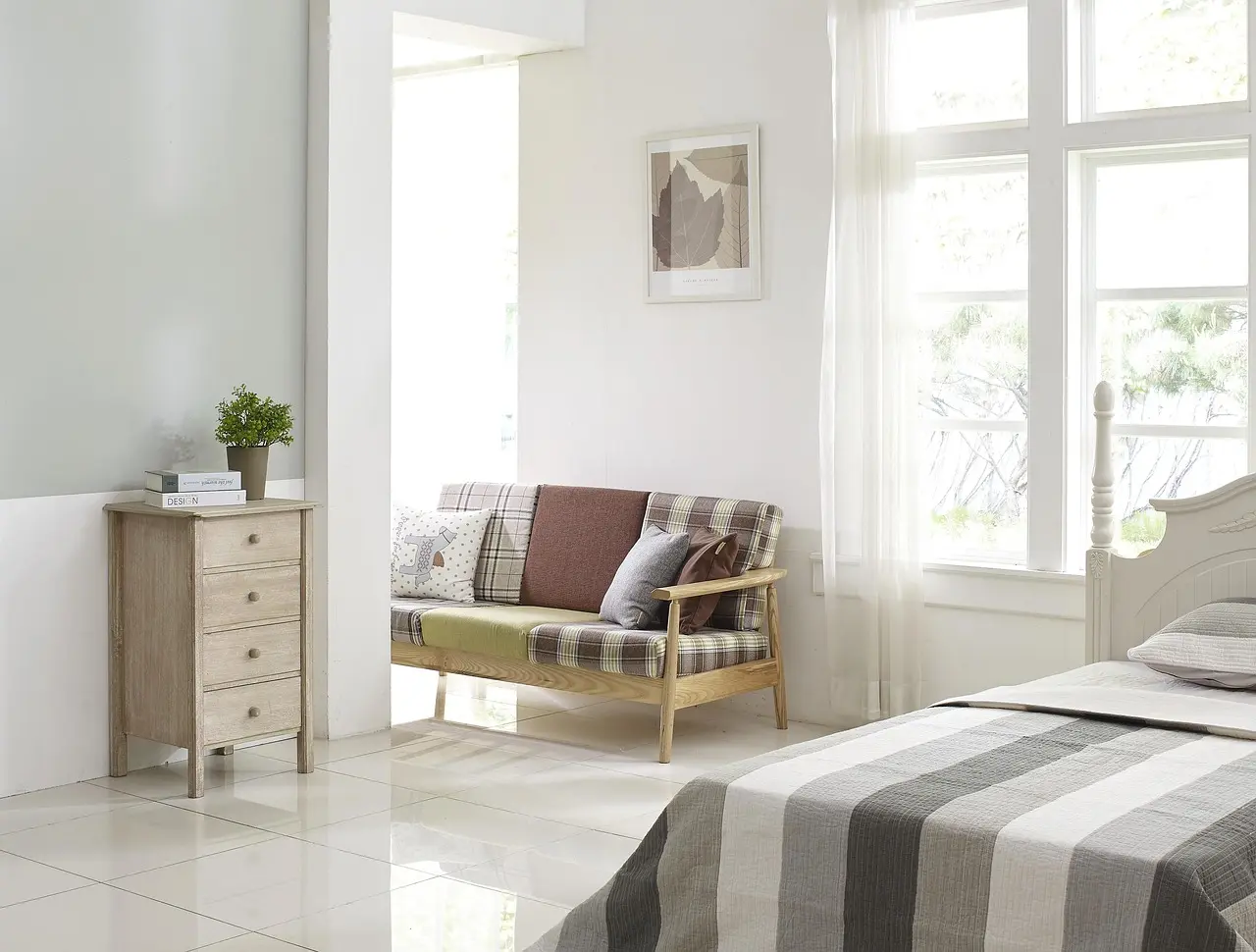


A dresser is awkward because its weight sits high and far from your hands. That shape makes it more likely to tip, drag, or twist in a doorway, and the finish can scratch or dent fast if corners hit trim or walls. The CPSC warns that furniture tip-overs can be deadly and recommends anchoring dressers and keeping heavy items in lower drawers when possible. CPSC tip-over guidance
Start by deciding whether the route is a short, flat reposition or a real move. A short move across one room can sometimes be done with drawers installed and secured. A moving-day carry, a narrow hall, or any stair section pushes the risk up fast. If the dresser is an IKEA model, check the model page or assembly instructions first so you know how the drawers and safety hardware are meant to release; for example, IKEA’s product and assembly pages show the exact drawer and anchor details for a given model. STORKLINTA drawer dresser 6 drawers, white STORKLINTA drawer dresser 6 drawers, white AA-2508611-2-2
Why dresser shape and height matter
Low dressers and chests are easier to keep stable because the center of gravity stays lower. Tall dressers, mirror dressers, and anything with a wide top over a narrow base are more likely to tip when drawers shift or a helper lifts one side unevenly. That risk is why anchor-and-release hardware and careful loading matter so much on tall units.
When a short move is different from a moving-day carry
A short reposition on a flat floor gives you more control, especially if you can use sliders or a dolly. A moving-day carry adds doorframes, turns, ramps, and loading pressure, which is where left-in drawers and loose contents become a problem. For stairs, the safest advice is to use two people and the right moving equipment rather than improvising a one-person carry. moving straps dollies
What you’ll need
Use the lightest tool that still matches the route. Sliders help on flat floors, dollies help on open flat areas, and moving straps or a stair-rated dolly help when the route forces lifting or stair control. The key is to protect the finish and keep the dresser centered so it cannot twist. moving straps dollies
- Moving blankets for the body, corners, and trim
- Stretch wrap to hold blankets in place without tape on the finish
- Furniture sliders for hardwood, tile, or carpet
- A four-wheel furniture dolly for flat, open floors
- An appliance dolly for upright stair handling with a second helper
- Forearm-style moving straps
- Packing tape only for labels, not on the finish
- Marker and small bags or labels for removed drawers and hardware
- A screwdriver or the tool needed for your drawer hardware
Should you remove the drawers?
This table gives the move-it-or-remove-it call based on dresser height, load, and route. If the route gets tighter, steeper, or more awkward, move to the safer column. When in doubt, remove the drawers and empty the contents.
| Scenario | Risk level | Remove drawers? | Empty contents? | Best handling method |
|---|---|---|---|---|
| Low dresser | Low | No, if it is sturdy and the route is flat | Recommended for heavy items | Secure drawers, wrap the body, then use sliders or a furniture dolly |
| Tall dresser | High | Yes | Yes | Remove drawers, carry the shell with two people, and use a dolly only on flat ground |
| Fully loaded dresser | High | Yes | Yes | Unload first; then move the empty shell with wrap and a dolly or straps |
| Empty dresser | Moderate | Usually no, unless the route is tight | Already empty | Secure drawers, protect corners, and use sliders or a dolly |
| Stair move | Very high | Yes | Yes | Use an appliance dolly, a second helper, and proper strapping; keep the dresser upright |
| IKEA or soft-close dresser | Moderate to high | Usually yes for a full move | Recommended | Check the slide type, release clips, and manual; remove drawers if the tracks resist or the frame flexes |
How to tell whether the drawer type uses release levers or clips
Side-lever slides usually release when you press the levers on both sides at the same time, while some soft-close systems use safety tabs or hidden clips that must be depressed or lifted in a specific direction. If the drawer will not move after you check both sides, stop and look up the exact hardware instead of forcing it. One helpful internal reference is the drawer type uses release levers guide for identifying hardware behavior before you pull hard.
How do you move a dresser without removing drawers?
Keep the drawers in only if the dresser is short, the load is light, and the route is flat and open. Secure every drawer so it cannot slide or pop open, then move the piece on sliders or a furniture dolly. If the dresser feels top-heavy, remove the drawers instead.
Use height, load, and route to choose your path
Leave the drawers installed when the dresser is low, the contents are light, and there are no stairs, tight turns, or long carries. Remove them when the dresser is tall, the drawers hold heavy items, or the route includes a narrow doorway, a landing, or a stair edge.
When to empty contents even if the drawers stay installed
Empty clothes, books, shoes, and any dense items from drawers that will stay in place if those drawers are part of the weight problem. Left-in drawers shift the center of gravity and can open mid-carry, especially if the dresser tilts or gets rotated through a door.
When to remove the drawers instead
Remove the drawers for tall dressers, mirror dressers, any stair move, and most full-size pieces. If the dresser uses metal glides with side levers, press and hold both levers simultaneously to release the drawer. Soft-close drawers may need safety tabs or clips that do not move the same way, so check the mechanism before pulling hard.
How do you move the dresser safely?
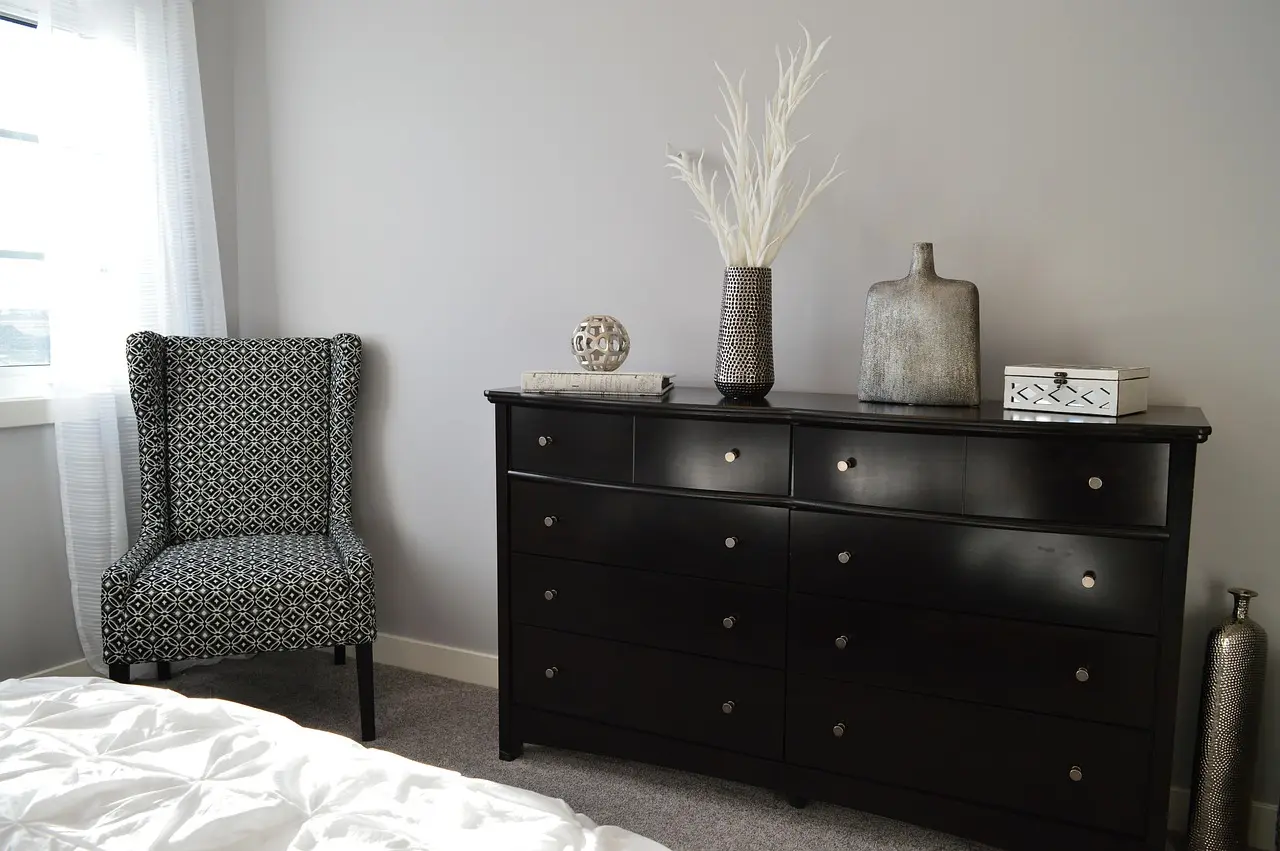
Use a step-by-step move only after the drawers are secured or removed and the path is clear. A four-wheel furniture dolly is ideal for flat, open floors. An appliance dolly is generally better for stairs, but only with a second helper and proper strapping. Follow the product manual and the moving equipment instructions so the load stays controlled. moving straps dollies
- Clear the route, open doors fully, and remove loose rugs, cords, and threshold clutter.
- Remove drawers if the dresser is tall, overloaded, or headed for stairs; label each drawer if you take it out.
- Secure any drawers that stay in place with stretch wrap around the body, not tape on the finish.
- Wrap moving blankets around corners, edges, and the front face, then hold them in place with stretch wrap.
- Slide furniture sliders under the feet or base if you are crossing a flat floor or carpet.
- Use a furniture dolly for flat, open floors and keep the dresser centered on the platform.
- Lift only as needed to place the dresser on the dolly, then set it down flat before moving farther.
- For stairs, an appliance dolly with a second helper is generally recommended; keep the dresser upright and move one step at a time.
Say your dresser is 54 inches tall and the top drawer is half full of folded clothes. On a flat hallway move, that may still be enough weight up high to make the piece wobble. Removing the drawers and moving the empty shell is the safer call.
Suppose a low chest has only lightweight clothing in the top two drawers and needs to cross a tile floor into a bedroom. That is a better candidate for staying intact, as long as the drawers are secured and the route has no thresholds that could catch the base.
How to stop a dresser from tipping while moving
Keep one hand and one helper’s attention on the high side of the dresser, especially on turns and thresholds. Do not let the load roll or tilt onto one corner, and pause if the center of gravity shifts. If the dresser starts to lean, lower it immediately, reset the straps, and unload more weight before continuing.
When furniture sliders can fail on thresholds or carpet
Sliders are best on smooth, level surfaces and short carpet transitions. They can catch on raised thresholds, thick pile, uneven seams, and damaged flooring, which can jerk the dresser sideways or stall it while the top keeps moving. If the route has a lip or a soft carpet edge, switch to lifting, a dolly, or another method.
How to protect corners, veneer, lacquer, and painted finishes
Use moving blankets anywhere the dresser can touch a wall, frame, or door trim. Veneer, lacquer, and painted surfaces can chip or scuff quickly, so avoid direct tape on the finish. Stretch wrap should hold the blanket, not sit on bare wood as the only protection.
How do you move a dresser through a narrow doorway?
Measure the doorway width, the dresser depth, and the clearance on both sides before you start. If the opening is tight, remove the drawers, turn the piece only as needed, and stop before the drawer faces or mirror catch on the frame. Do not force a tight fit.
Turn the dresser on its side only if the frame and finish can take it
Some dressers can be tipped onto one side for a short pass-through, but only if the finish is well protected and the build is sturdy. Older wood-on-wood drawers and fragile veneer can bind or scrape when the case twists. If the drawer faces snag, back out and remove the drawers.
Stop if the drawer faces or mirror catch
Attached mirrors should come off before the dresser moves. A caught mirror adds height and shift risk, and one hard bump can crack glass or pull the dresser off balance. If the dresser starts to bind in the doorway, stop and reset the angle instead of forcing it.
How do you move a dresser on stairs?
Stairs are the highest-risk part of a dresser move because the load can tip backward or twist out of line. Use an appliance dolly with a second helper, keep the dresser upright, and move one step at a time. If the setup feels unstable, remove the drawers and stop before the carry begins.
Why stair handling needs a different tool
A furniture dolly is built for flat floors, not steps. On stairs, the dresser needs to stay controlled against the dolly frame so it cannot pitch forward. That is why an appliance dolly with straps is the standard safer choice, not a four-wheel platform dolly.
How to keep the load controlled on each step
Keep the heavier side low and the dresser centered on the dolly. Move slowly, communicate before each step, and pause on landings. If the load shifts, set it down, re-center it, and reduce the weight before continuing.
How do you move an IKEA dresser safely?
Check the model’s manual for the drawer release method and any anchor or release safety feature. IKEA’s product and assembly pages identify the specific hardware for each model, and that matters because some drawers use side-mounted releases while others use clips or tabs. If the frame flexes, remove the drawers instead of forcing them. STORKLINTA drawer dresser 6 drawers, white STORKLINTA drawer dresser 6 drawers, white AA-2508611-2-2
Check the model page before you pull the drawers
IKEA lists the exact dimensions, materials, and release or anchor details by model, so the safest move starts with the specific product page and assembly manual. For a model like STORKLINTA, that information tells you whether the drawer system has a release lever, a clip, or another stop you should disengage first.
Do not force soft-close or clip-based slides
Soft-close hardware often resists a straight pull because a stop or clip is holding the drawer in place. Forcing it can bend the slide or tear out the rail. If the drawer stops abruptly, identify the release point rather than yanking harder.
Frequently asked questions
How to move a dresser by yourself
Move it alone only for a short, flat reposition of a low dresser that is already empty or lightly loaded. Use sliders first, then a furniture dolly if the floor is open. Do not attempt stairs, long carries, or a full-size dresser alone.
Do you have to empty dresser drawers when moving?
You do not have to empty every drawer in every case, but heavy drawers should be unloaded before the move. Keep only light contents in a low, sturdy dresser on a short flat move. For tall pieces or stairs, empty all drawers.
Should you remove drawers when moving?
For most dressers, removing the drawers is the better choice. That is especially true for tall units, mirrored pieces, and any move that includes stairs or tight turns. If the drawer type uses release levers or clips, check the mechanism before pulling hard.
How do you keep dresser drawers from opening during a move?
Close each drawer fully, then secure the dresser body with stretch wrap over moving blankets. If the drawers still feel loose, remove them instead. Do not use tape on the finish, and do not count on a single strap to keep a top-heavy dresser shut.
How do you move a heavy dresser down stairs?
Use an appliance dolly, a second helper, and proper strapping. Keep the dresser upright and move one step at a time. If the load is too awkward, remove the drawers first or stop and bring in additional help rather than forcing a solo stair move.
Can you leave clothes in dresser drawers when moving?
Light clothing may stay in place for a short flat move if the dresser is low and the drawers are secured. Heavy clothes, shoes, books, or dense folded items should come out. The more the load sits high in the dresser, the more likely it is to tip or shift.
Products related to this article
Sponsored / affiliate links. As an Amazon Associate I earn from qualifying purchases. I may earn additional commission from eligible campaigns.