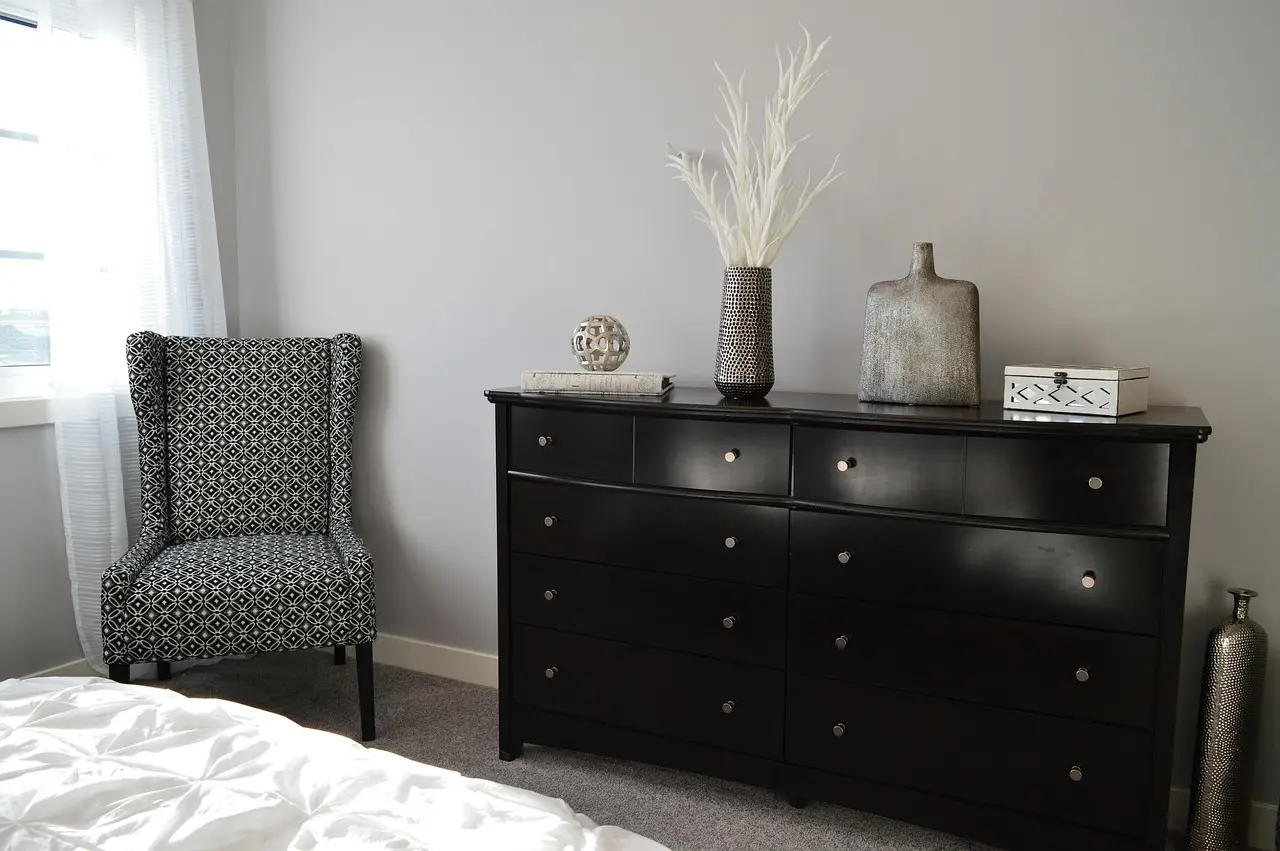
Dresser vs Armoire for Bedroom Storage: How to Choose
Choose a dresser if you want quick daily access and your bedroom has enough clearance for the drawers to open; choose an armoire if closet space is limited and hanging storage matters more than drawer access. Pick the wrong one and your main route feels tight, doors hit other furniture, and clothes stack up where you walk. This guide compares space use, garment types, and room fit so you can pick the right one.
| Decision factor | Dresser | Armoire for Bedroom Storage | Winner |
|---|---|---|---|
| Best storage type | Folded clothes, accessories, daily-use items | Hanging clothes, mixed storage, closet replacement | Tie |
| Room movement impact | Needs front clearance for drawers and a wider wall run | Needs door-swing room, ceiling clearance, and more opening space | Depends on layout |
| Top surface use | Usually useful for a mirror, lamp, or folded items | Usually limited top-surface usefulness | Dresser |
| Closet replacement potential | Poor | Strong | Armoire for Bedroom Storage |
| Vertical efficiency | Lower and wider | Taller and better for ceiling height | Armoire for Bedroom Storage |
What is the difference between a dresser, an armoire, and a chest of drawers?
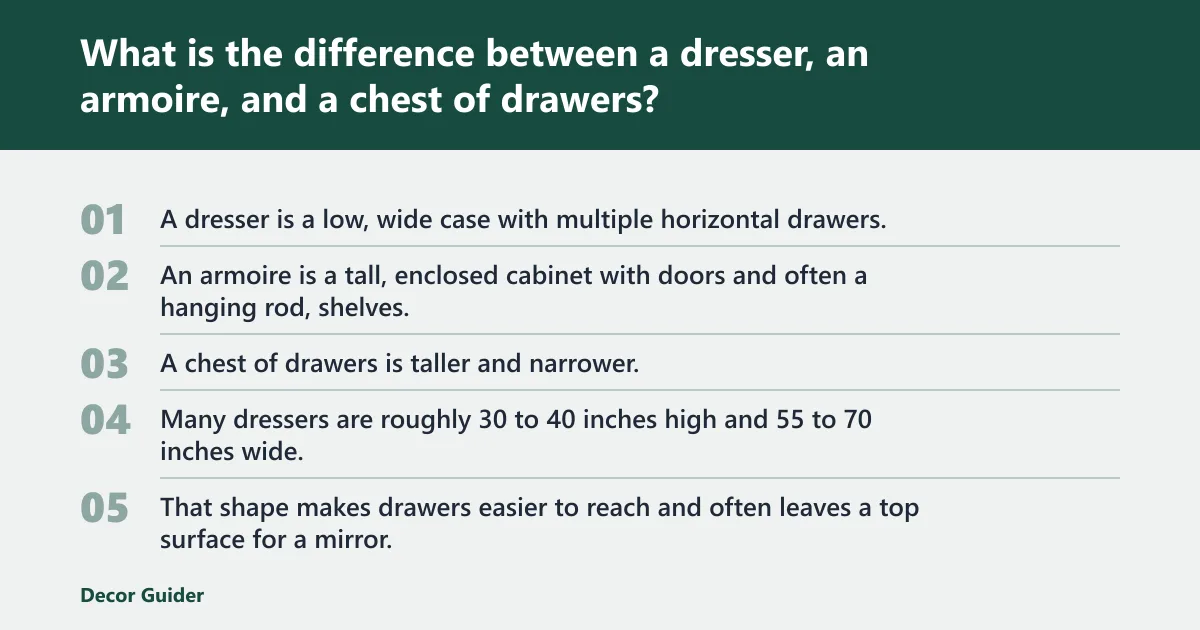
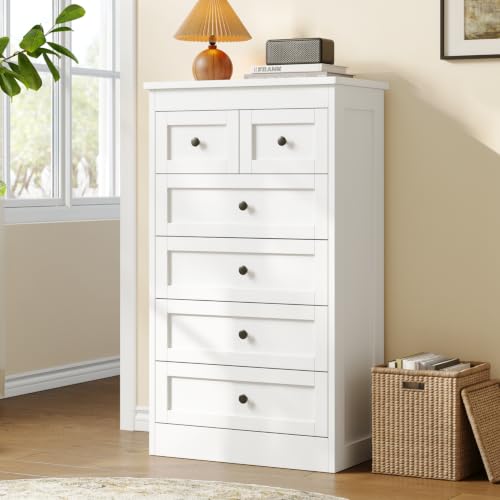
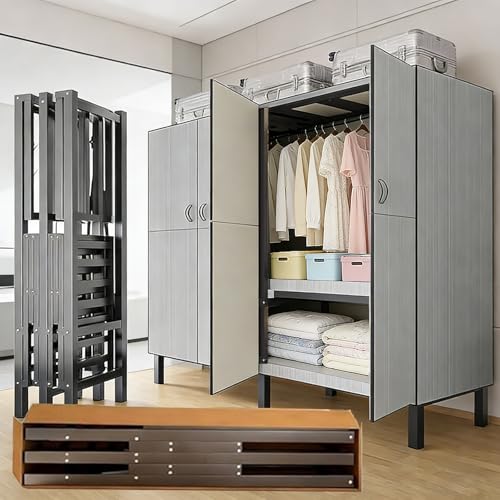
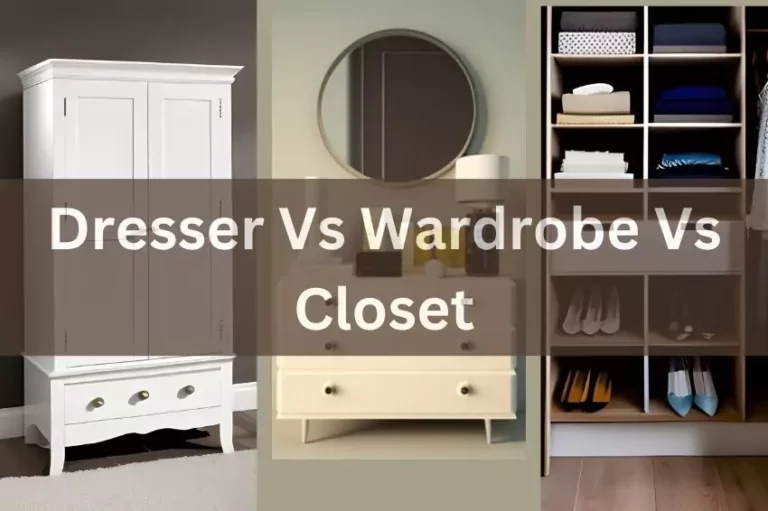
A dresser is a low, wide case with multiple horizontal drawers, usually built for folded clothing and everyday access. An armoire is a tall, enclosed cabinet with doors and often a hanging rod, shelves, or drawers. A chest of drawers is taller and narrower, so it uses vertical space more efficiently when floor space is tight.
Dresser: low, wide storage with usable top surface
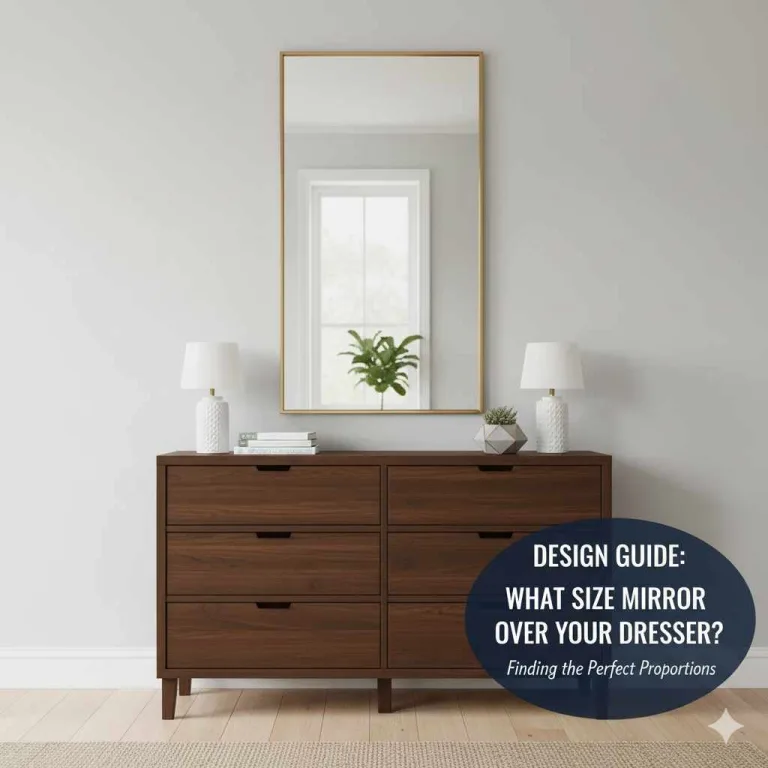
Many dressers are roughly 30 to 40 inches high and 55 to 70 inches wide. That shape makes drawers easier to reach and often leaves a top surface for a mirror, lamp, jewelry box, or folded clothing. It works best when the room has enough wall width and enough open space in front of the drawers.
Armoire: tall enclosed cabinet with hanging or mixed storage
An armoire is a tall, enclosed cabinet, often with two doors and a mix of hanging space, shelves, or drawers. It can be used when closet space is limited or missing, and it can store hanging clothes, folded sweaters, shoes, blankets, or even a television. It asks more of the room because the doors need space to open.
Chest of drawers: narrower and taller than a dresser
A chest of drawers is the better fit when floor space is tight but vertical space is available. Five- and six-drawer chests are common, and they generally take less wall width than a dresser. The trade-off is less usable top surface and usually a smaller footprint for staging a lamp or mirror.
📊 One competitor states dresser prices typically range from $300 to $1,500. Source: Dresser vs Armoire: Which One Is Right for You?.
Which takes up more space in a bedroom?
A dresser usually takes more wall width, while an armoire usually takes more visual and working space because it is tall and needs opening room for doors. The real issue is not only footprint; it is what happens when drawers or doors are open and you still need to walk past the piece.
Wall width versus floor depth for a dresser
Many dressers are roughly 55 to 70 inches wide, so they can dominate a long wall. Dresser depth and drawer extension require extra clearance in front, and that working space can cut into a bedside path fast. In narrow rooms, a dresser may fit on paper and still block the main route once drawers open.
Ceiling height, doorway clearance, and door swing for an armoire
An armoire is usually taller and narrower, and typical sizes on one competing guide are width 30 to 48 inches, depth 20 to 26 inches, and height 60 to 84 inches. Ceiling height matters, especially with crown molding or a fan, and the doorway has to allow safe delivery. The doors also need room to swing without hitting a bed, lamp, or closet door.
Walkway impact after opening drawers or doors
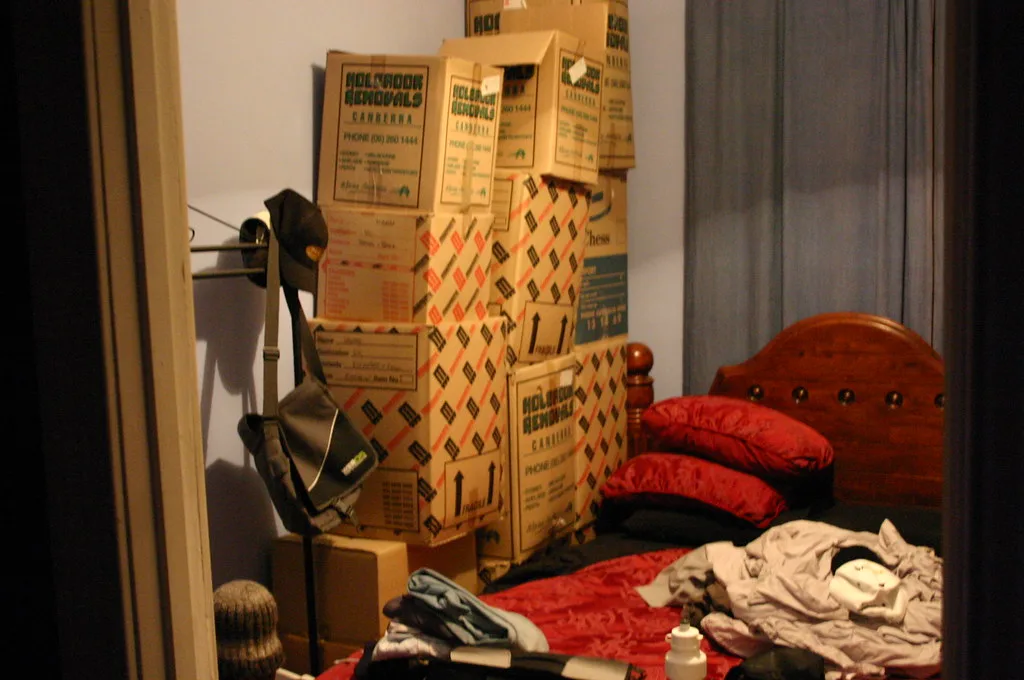
This is where many buyers guess wrong. A dresser may have a smaller closed footprint but still choke the room once drawers are pulled out; an armoire may stay neat when shut but block movement when its doors open. The better choice is the one that leaves the clearer route from bed to door, not the one with the smaller brochure footprint.
What should I store in each piece?
Use a dresser for folded clothes, underwear, socks, accessories, and items you reach every day. Use an armoire for hanging garments, coats, dresses, and suits, especially when the bedroom has no closet or only partial closet space. Mixed wardrobes need the piece that matches the main garment type, not the one that looks more flexible on paper.
Best items for a dresser
Dressers work best when the contents are mostly foldable and used often. The top can hold items you grab often, and the drawers work well for categories you sort by size or season. If a bedroom routine is built around quick morning access, a dresser usually feels easier to live with.
Best items for an armoire
Armoires work best for hanging garments and wrinkle-prone clothing that should not be stacked. The hanging rod is the key feature to check, along with its width and placement, because that determines whether dresses, suits, and coats fit cleanly. For someone replacing a missing closet, this is the stronger storage tool.
Mixed wardrobes and shared bedrooms
When one person has mostly folded clothing and another needs hanging space, a single piece often cannot do both jobs well. Shared bedrooms also need cleaner traffic paths, so a bulky item that solves storage but blocks access becomes a daily nuisance. In those rooms, a chest of drawers plus a smaller hanging unit can work better than one oversized cabinet.
How do I measure if it will fit?

Measure the wall width, the open space needed in front, the door swing, and the ceiling height before buying, along with any other nearby clearance that could affect fit. Also check where the bed, lamps, closet doors, outlets, vents, and trim sit, because these details decide whether the piece fits in real use, not just in a floor plan.
Wall width worksheet
Record the full wall run, then subtract baseboards, outlets, vents, windows, and any trim that reduces placement space. A dresser needs a clear horizontal stretch; an armoire needs enough room for the cabinet plus its doors and room to stand in front of them. If a radiator, window, or closet door cuts the wall in half, that wall may be unusable.
Open-drawer clearance worksheet
For a dresser, open-drawer clearance matters as much as closed depth. Case depth plus drawer pull-out space determines the working zone in front of the piece, and that can block a narrow hallway or the gap beside a bed. If the path is already tight, the dresser can feel larger in use than an armoire with closed doors.
Door swing and walking path worksheet
For an armoire, tape the door swing on the floor before buying. Mark the cabinet width, then mark the arc of each door and check that it does not overlap the bed, bedside table, lamp, or closet door. If you have to step sideways every time the doors are open, the piece is too large for the route.
Interior dimensions versus exterior size
Usable storage can be smaller than the outside size because thicker frames and fronts can reduce interior volume. That matters when comparing models that look similar in the store but hold very different amounts inside. A wider dresser with shallow drawers may store less than a slightly smaller one with better interior drawer dimensions.
Room-fit checklist: use this before you buy
This checklist keeps the decision tied to movement, not category labels. It is the fastest way to avoid a piece that crowds the room, blocks a door, or looks fine until the first morning you try to open it.
- Measure the wall width available for placement, then subtract baseboards, outlets, vents, windows, and trim.
- Measure ceiling height, and note crown molding, fans, or any overhead obstruction that could affect a tall piece.
- Mark the bed edge, closet door, bedroom door, and any lamp or nightstand that sits near the target wall.
- For a dresser, tape out drawer pull-out space in front of the case.
- For an armoire, tape out the full door swing and check the path in front of both doors.
- Confirm the route into the room, including corners, hall turns, and doorway width.
- Compare what you own now: folded items, hanging garments, or a mixed wardrobe.
- Check interior drawer dimensions or hanging rod placement so the outside size matches real storage.
| Storage type | Best choice | Why it fits | Fit warning |
|---|---|---|---|
| Folded clothes | Dresser | Easy drawer access and useful top surface | Needs drawer clearance in front |
| Hanging clothes | Armoire | Hanging rod supports dresses, suits, and coats | Needs ceiling height and door swing room |
| Accessories | Dresser | Small items sort well in drawers | Watch interior drawer dimensions |
| Mixed wardrobe | Armoire or hybrid setup | Combines hanging space with shelves or drawers | Check whether the interior is divided usefully |
Choose Dresser if… / Choose Armoire for Bedroom Storage if…
Choose a dresser if your bedroom has enough wall width, you open drawers daily, and the room can spare pull-out clearance in front. Choose a chest of drawers if floor space is tight and you still want vertical storage. Choose an armoire if your closet is missing, your wardrobe depends on hanging space, and the doors will not clash with the bed or traffic path.
Choose a dresser if…
Choose a dresser if most of your clothing is folded, you want fast access, or you need a usable top surface for a mirror or lamp. It is also the safer pick when the bedroom has a clear wall but limited height. If the room already feels narrow, avoid a dresser that steals too much walkway once the drawers open.
Choose an armoire if…
Choose an armoire if hanging storage can replace closet space, or if your clothes wrinkle easily and need to stay on hangers. It also works well in rooms where vertical space is available and wall width is limited. Just make sure the doors can open fully without hitting the bed, fan, or nearby furniture.
Choose a chest of drawers if…
Choose a chest of drawers if you need vertical storage but cannot spare the width of a dresser. It is a practical middle ground for smaller bedrooms, especially when the room can handle height better than breadth. If you need strong top-surface utility, though, a dresser usually does that job better.
Frequently asked questions
Is a dresser or armoire better for bedroom storage?
A dresser is better for fast access to folded clothes and daily-use items. An armoire is better when you need hanging storage or you are replacing missing closet space. The better choice depends on what you store most often and how much open movement space the room can spare.
What is the difference between a dresser and an armoire?
A dresser is a low, wide drawer case built for folded storage and easy access. An armoire is a tall enclosed cabinet that often includes hanging space, shelves, or drawers. The shape, opening style, and interior layout are what make them behave very differently in a bedroom.
Can an armoire replace a dresser in a bedroom?
Yes, if the interior layout includes drawers or shelves and the clothing mix fits that format. An armoire can handle hanging items and some folded storage, but it may not be as quick for everyday drawer access. It replaces a dresser best when closet space is also limited or missing.
Which takes up more space, a dresser or an armoire?
Neither answer is universal. A dresser usually takes more wall width, while an armoire usually needs more vertical clearance and more door-swing room. The one that takes up more usable space is the one that disrupts walking paths, bedside access, or nearby doors in your room.
What should I store in a dresser versus an armoire?
Use a dresser for folded clothes, underwear, socks, accessories, and other items you grab often. Use an armoire for hanging garments, coats, dresses, suits, blankets, or mixed storage that needs a rod and shelves. If your wardrobe is split evenly, measure carefully before deciding.
How do I measure if a dresser or armoire will fit my room?
Measure wall width, ceiling height, and the route into the room first. Then tape out drawer pull-out space for a dresser or door swing for an armoire. Finish by checking beds, lamps, closet doors, outlets, vents, and trim so the piece fits while you still can move around it.
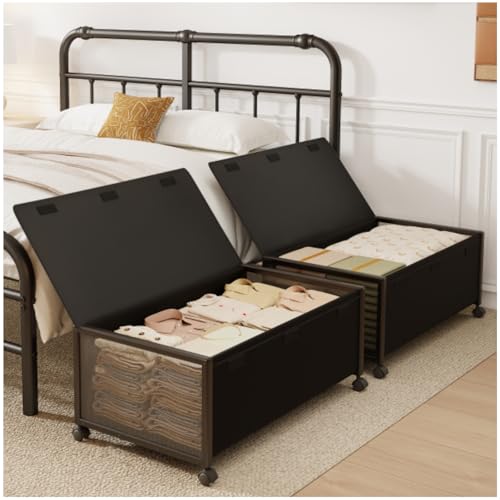
Products related to this article
Sponsored / affiliate links. As an Amazon Associate I earn from qualifying purchases. I may earn additional commission from eligible campaigns.