Dresser vs Vanity for Small Bedrooms: Which Fits Best?
For a small bedroom, I choose a dresser when storage and clear movement matter more than a seated grooming spot; I pick a vanity only if I can spare roughly enough width for the piece plus room for a chair to pull out. Pick the wrong piece, and it blocks walkways, pushes clutter onto the bed, and makes daily routines feel tight. This guide compares footprint, storage, and use so you can decide fast.
Dresser vs vanity in a small bedroom: the real trade-off
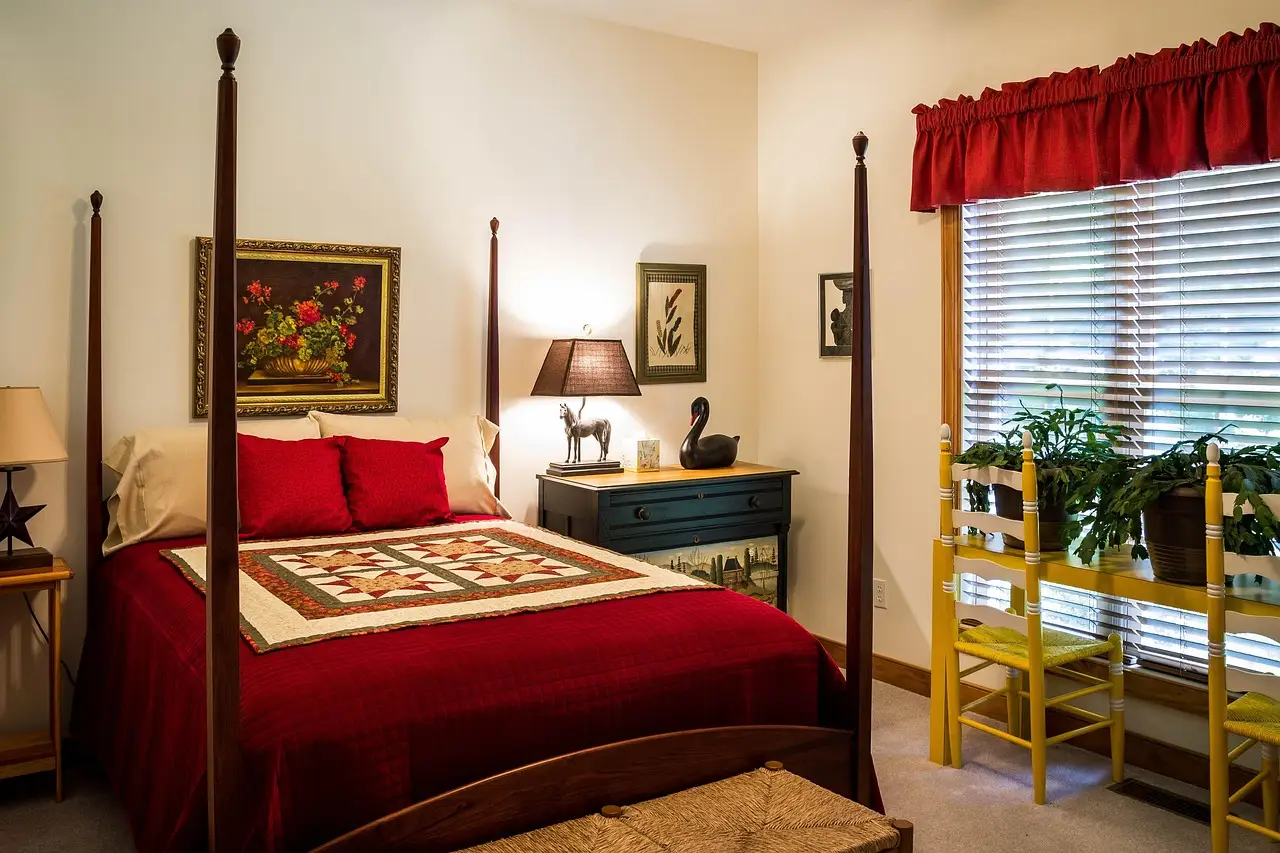


The trade-off is simple: a dresser usually gives more storage in less floor area, while a vanity gives up some of that space for seated grooming. In a tight room, the seat zone is where trouble starts, because it competes with bed access, door swing, and the path you use every day.
If storage and circulation matter most, the dresser usually wins. If makeup or grooming is a daily seated routine and the room has spare clearance, the vanity can earn its place.
| Decision factor | Dresser | Vanity for Small Bedrooms | Winner |
|---|---|---|---|
| Footprint use | Usually more efficient for storage per square foot | Needs extra open area for chair or stool pull-out | Dresser |
| Chair clearance | Not required | Required for comfortable seated use | Dresser |
| Storage capacity | Typically stronger, especially with 4 to 8+ drawers | Usually less, since seating space replaces drawers or cabinet area | Dresser |
| Daily grooming convenience | Works if paired with a mirror and good top-surface layout | Better for sitting, makeup, and hair tasks | Vanity for Small Bedrooms |
| Traffic-flow risk | Lower when sized correctly | Higher in narrow rooms or shared bedrooms | Dresser |
Footprint use
A dresser usually fits the small-bedroom brief better because every inch goes to storage or a usable top. Vanity layouts spend part of the footprint on leg room, which helps only if seated grooming is part of the daily routine.
IKEA says it offers dressers in wide, narrow, short and tall sizes, which matters here because you can choose a shape that matches the room instead of forcing the room around the piece.
Chair clearance and traffic flow
A vanity needs pull-out space in front of it, and small rooms can feel tight fast because of that. If the chair blocks a closet door, bed corner, or walkway, the vanity stops being convenient and becomes something you avoid using.
That risk is lower with a dresser because the user stands at the piece. No chair means fewer conflicts with traffic.
Storage capacity and daily use
A dresser is built for storage first. Deep drawers handle sweaters, denim, and bulkier items, while shallower drawers can hold socks, cosmetics, or charging gear.
A vanity can still hold daily items, but it usually gives up storage to preserve the seated zone. In a small bedroom, that trade often shows up as clutter elsewhere.
How much space do you actually need?
A vanity needs more usable floor area than a dresser because the chair or stool has to move in and out cleanly. Measure the wall space, the door swing, and the walkway you actually use before shopping, or the furniture will look fine on paper and fail in the room.
For a dresser, room depth matters mainly for opening nearby doors and walking past the piece. For a vanity, depth matters twice, once for the furniture itself and again for the seat clearance in front of it.
Measure width, depth, and doorway swing first
Start with the wall where the piece will live, then note the usable width after trim, outlets, and closet doors are removed from the count. Door swing can steal the very space needed for a drawer front or chair pull-out.
If the dresser or vanity sits near the bedroom entry, trace the door arc on the floor before buying. That one check prevents the most common placement mistake.
Check chair or stool pull-out clearance
For a vanity, the seat area must stay open long enough for comfortable use. If the chair has to be shoved sideways or partly under the bed to fit, the setup is too tight for everyday use.
That is why many small rooms work better with a dresser and a mirror. The room keeps its walking lane.
Leave room for daily traffic around the bed
Small bedrooms fail when furniture blocks the routes used most often: bed access, closet access, and the door path. The right piece leaves those routes clear even when drawers are open.
If the room already feels narrow, a seated grooming station can make it feel cramped fast. A dresser usually creates less friction.

What a dresser gives you that a vanity usually does not
A dresser is storage-first furniture, and that matters in a small bedroom more than many buyers expect. It keeps folded clothes, undergarments, seasonal items, and accessories in one place without demanding chair space.
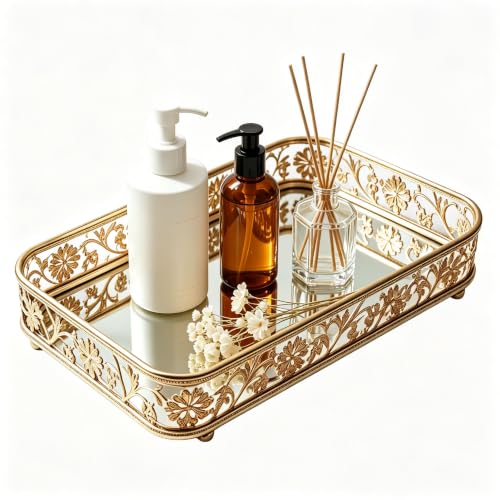
It also gives a stable top for a mirror, tray, lamp, or daily-use items. That makes it easier to split grooming and storage without giving the floor to a full vanity zone.
Drawer capacity and configuration
Drawer count often varies, and the layout changes how well the piece works. Deep drawers suit bulkier clothing, while shallow upper drawers are better for makeup, jewelry, and small tools.
In tight rooms, a tall narrow dresser often beats a wide low one because it uses vertical space instead of floor width. That is where the room usually runs out first.
Top-surface use
The dresser top can become a controlled landing zone if it stays edited. A mirror, small tray, and one daily item group are enough for most rooms.
If the top starts holding everything, the dresser stops functioning well as a vanity substitute. Keep the surface clear enough that drawers remain the main storage point.
Why dresser formats matter in narrow rooms
Wide low dressers work well when wall width exists and the room can spare a longer run of furniture. Narrow dressers and tall chests suit tighter walls because they preserve walking space.
Walmart lists dressers marketed for bedroom and living room use, which is a reminder that shape and placement matter as much as the label. The room decides the fit.
When a vanity makes sense in a small bedroom
A vanity makes sense when seated grooming happens daily and the room can spare the chair zone without blocking movement. If makeup, hair, or skincare routines happen at the same spot every day, that dedicated setup can be worth the lost storage.
The room must still absorb the storage loss. If the closet is generous or another room handles clothing overflow, a vanity becomes more realistic.
Best fit for makeup-heavy routines
A vanity is strongest for users who want a seated, fixed grooming station. It keeps products, tools, and lighting in one place instead of spreading them across a dresser top.
That convenience matters most when the routine is long and repeatable. Short, stand-up routines usually do not need the dedicated seat.
What you give up in storage and circulation
The biggest cost is storage. If the vanity replaces a dresser, clothing and linens need a new home.
The second cost is movement. In a small room, the chair area can turn into a choke point, especially in shared bedrooms and studio apartments.
When a closet can absorb the storage loss
If the closet handles most clothing and the bedroom only needs a small amount of extra storage, the vanity becomes easier to justify. That is especially true when the user values routine comfort over extra drawers.
Without that closet support, the room usually ends up cluttered elsewhere.
Can you use a dresser as a vanity in a bedroom?
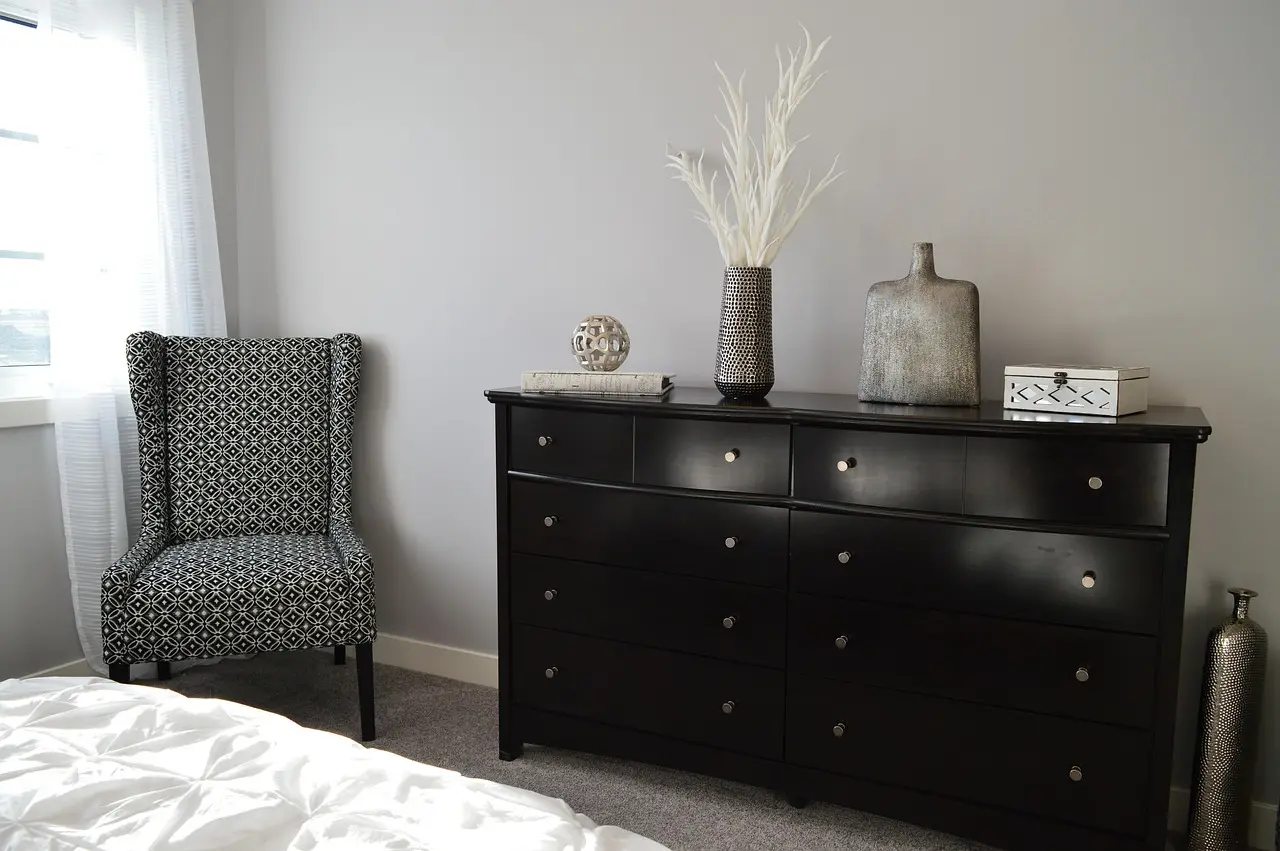
Yes. A dresser can function as a vanity if the height feels comfortable, the top has room for daily grooming items, and a mirror is placed well. This is often the best small-bedroom compromise because it keeps storage while creating a practical grooming zone.
The trick is to avoid turning the top into a dumping ground. Once that happens, the setup loses both storage order and grooming ease.
Best dresser sizes for a makeup station
A short dresser works well when a seated grooming height is needed and wall space is limited. A narrow tall dresser can also work if the room needs vertical storage more than a wide top.
IKEA’s BRIMNES 4-drawer dresser is listed at 30 3/4×18 1/8×48 7/8 inches, which is the kind of proportion that often suits tighter rooms. IKEA also lists LILLBERGET 6-drawer dresser dimensions as 55 1/8×16 7/8×26 3/4 inches, a lower profile that can support top-surface use more easily.
Mirror placement options
A wall-mounted mirror saves surface space. A freestanding mirror works when you want flexibility. An attached mirror keeps the setup together and can be the simplest option for a small room.
Finally Furnished notes that a mirrored dresser can create the illusion of more space in a small room. The key is placement near light and not crowding the wall around it.
How to organize the top
Use a tray or small bins so daily items do not spread across the whole surface. Keep only the items used every day on top, and store backups in drawers.
If the dresser has shallow upper drawers, assign them to makeup or accessories. Deep lower drawers should hold clothing or bulkier items.
What dresser dimensions work in a narrow bedroom?
Narrow bedrooms usually do best with dressers that preserve walking space, which means tall or narrow formats rather than long and wide ones. The goal is to use vertical storage before consuming the wall needed for movement or a closet door.
A low wide dresser can still work if the wall is long and the room has enough depth to keep the walkway open.
Wide, narrow, short, and tall formats
IKEA says it offers dressers in wide, narrow, short and tall sizes. That range is useful because the right format depends on the room, not the category name.
For tight rooms, tall units often beat wide ones. For rooms with low ceilings or a mirror setup, shorter dressers can be easier to pair with wall storage above them.
Examples that show the spread
IKEA lists HEMNES 8-drawer dresser dimensions as 63×37 3/4 inches. Finally Furnished lists a Liberty Furniture dresser at 40 x 18 x 73 inches and a Gloria Black-Finish Wood dresser at 55 x 16 x 38 inches.
Those different footprints show why measuring the room matters more than chasing a style label. A small bedroom may handle one shape and fail with another.
Should a small bedroom have a dresser with a mirror?
Often yes, especially when the room needs both storage and a grooming spot. A dresser with a mirror gives a middle ground: it keeps clothing storage while still supporting hair, makeup, and daily prep.
It also helps when the room feels visually tight, because the mirror can reflect light and open up the wall plane. That works best when the mirror is not oversized for the wall.
When the compromise makes the most sense
This setup is strongest when the user wants a vanity-like function but cannot spare full chair clearance. It also works well in kids’ rooms and shared bedrooms where a full vanity would disrupt movement.
When closet space is limited, the mirror-on-dresser approach often keeps the room usable without losing needed storage.
Materials and durability considerations
Solid wood tends to hold up well, while manufactured wood can be lighter and easier to move in small rooms. Veneer can look clean if the construction is sound, but finish quality matters because small bedrooms often mean tighter contact, more movement, and more wear at corners.
IKEA notes some dressers include an anchor feature, and it also describes GULLABERG as having floor-protecting fittings included. Those features matter in small rooms where stability and floor contact are hard to ignore.
Surface and load concerns
A dresser that carries a mirror or daily-use items should have a stable top and sensible load expectations. Homely Fusion says a dresser vanity should have a height that matches a standard vanity, and it also notes that vessel sinks need a flat, sturdy surface.
Even without a sink, that flat and stable surface idea still applies when the dresser is doing double duty.
How do you choose between more storage and a seated vanity area?
Choose storage first if the room holds most of your clothing, accessories, and daily essentials. Choose the seated vanity area first only if grooming happens every day and the room can absorb the lost drawer space and the chair zone.
The right answer depends on whether the bedroom is acting like a storage room, a dressing room, or both.
Room-size decision matrix
| Room size / user type | Dresser | Vanity for Small Bedrooms | Dresser with mirror | Best fit |
|---|---|---|---|---|
| Studio apartment | Yes | No, unless one wall is unusually open | Yes | Dresser with mirror |
| Kids’ room | Yes | No | Yes | Dresser |
| Shared bedroom | Yes | Usually no | Yes | Dresser |
| Closet-limited room | Yes | No, unless storage elsewhere is strong | Yes | Dresser |
| Makeup-heavy user with spare wall space | Yes | Yes | Yes | Vanity for Small Bedrooms |
Choose dresser if storage and circulation matter most
Pick a dresser when the room needs every possible path kept open. It is also the better choice if the closet is small, the bed sits close to the wall, or drawers must hold more than a few daily items.
Choose vanity if seated grooming matters most
Pick a vanity only when the room has enough spare floor area for chair pull-out and the user truly needs a seated spot every day. If a closet or another storage zone can absorb the clothes, the trade becomes more workable.
Choose dresser with mirror if you want the middle ground
This is the best compromise for many small bedrooms. It gives storage first, adds grooming function second, and avoids the traffic problems that come with a dedicated chair zone.
Choose Dresser if… / Choose Vanity for Small Bedrooms if…
Choose a dresser if you need more drawer storage, your bedroom is narrow, the doorway opens near the furniture wall, or you cannot spare chair clearance without blocking the path. Choose a dresser with mirror if you want a grooming station without giving up much floor area.
Choose a vanity for small bedrooms only if you use a seated grooming setup every day, the room has enough open floor in front of the piece, and another storage area can take the clothing load. In a tight room, the dresser usually wins.
Frequently asked questions
Is a dresser or vanity better for a small bedroom?
A dresser is usually better when the room is tight, because it gives more storage without needing chair clearance. A vanity makes sense only when seated grooming is a daily habit and the room has enough open space to support it without blocking the bed, closet, or doorway.
Can you use a dresser as a vanity in a bedroom?
Yes. A dresser can work well as a vanity if the top is kept organized, a mirror is placed at the right height, and the dresser height feels comfortable for standing or seated use. This is often the best compromise in a small bedroom because it preserves storage.
How much space do you need for a vanity in a small bedroom?
You need the vanity footprint itself plus enough clearance for a chair or stool to pull out and for you to move around it comfortably. If that pull-out zone interferes with closet doors, bed access, or the main walkway, the vanity will feel cramped and hard to use.
What kind of dresser works best as a makeup station?
A short dresser or a narrow dresser with a stable top often works best, especially when wall space is limited. Shallow upper drawers can hold makeup and accessories, while deeper lower drawers handle clothing. Add a mirror above it to create a compact grooming area.
Should a small bedroom have a dresser with a mirror?
Often yes. A dresser with a mirror keeps the storage benefits of a dresser while adding grooming function and a lighter visual feel. It is a strong choice when the room cannot spare the floor area needed for a full vanity and chair.
Can a vanity replace a dresser if closet space is limited?
Usually no, unless the room has another strong storage solution nearby. A vanity gives a grooming zone first and sacrifices drawer space to do it. If the closet is already small, replacing the dresser with a vanity can leave the bedroom cluttered and harder to use.
Products related to this article
Sponsored / affiliate links. As an Amazon Associate I earn from qualifying purchases. I may earn additional commission from eligible campaigns.