Dresser Wobbling Problems and How to Stabilize It
Start by leveling the dresser first. If it still rocks after a quarter-turn adjustment of the feet or shims, the problem is usually the floor, a loose frame, or an unanchored wall. Ignoring it can crack joints, jam drawers, and raise tip-over risk. This guide shows how to pinpoint the source and choose the least invasive fix that stops the wobble.
What causes a dresser to wobble?

A dresser may wobble because the floor is uneven, one or more feet are damaged or missing, the frame is racked, or it is pulling away from the wall. The fastest way to sort it out is to check the level first, then inspect the feet, joints, back panel, and drawer fit before you add hardware or shims.
Rocking on one corner points to a support problem. Side-to-side sway usually points to loose joinery or a weak back panel. Front-to-back wobble often comes from an unlevel floor or missing feet. If tightening screws helps only temporarily and the wobble returns, stripped holes or swollen particleboard may be the real issue.
What you’ll need
- Level, either a bubble level or a smartphone level app
- Screwdriver or drill with the correct bit for the fasteners
- Adjustable furniture leveling feet, if the dresser already accepts threaded feet
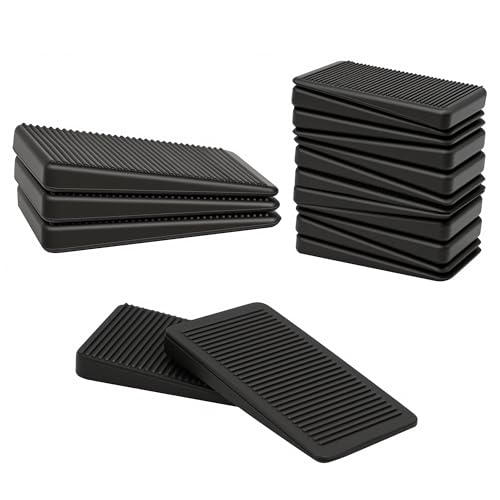
- Furniture shims in plastic or wood
- Replacement glides or feet that match the dresser thread or mount
- Wood glue and corner blocks, if the frame needs repair
- Wall anchor or anti-tip kit with brackets or straps and fasteners
- Stud finder, if you are anchoring to wall studs
Wobble diagnosis table
| Symptom | Likely cause | Quick test | Best fix |
|---|---|---|---|
| Rocking on one corner | Uneven floor, short foot, or missing glide | Press down on each corner and check whether one corner lifts first | Add a shim under the short leg or adjust a leveling foot |
| Side-to-side sway | Loose joints, weak back panel, or racked frame | Push gently on the top edge from the side and watch for diagonal movement | Tighten hardware, reinforce joints, and inspect the back panel |
| Front-to-back wobble | Unlevel floor or damaged front feet | Check the bubble in front-to-back position, then rock the dresser forward and back | Level the feet or shim the low side |
| Wobble returns after tightening screws | Stripped screw holes, warped frame, or failing particleboard | Tighten hardware, then reopen drawers and retest after a few minutes | Repair stripped holes, add corner blocks, or replace the damaged part |
How do you stabilize a dresser on an uneven floor?
If the dresser is solid but the floor is not, level the base before you touch the frame. Adjustable furniture leveling feet are often the cleanest fix when the dresser already has threaded feet, because they can be threaded in or out to change height and help spread the load more evenly. Shims are the better choice when the legs are fixed and only one corner needs support.
- Check the level. Place the level across the top front-to-back, then side-to-side. If the bubble shifts in only one direction, you are correcting floor height, not frame damage.
- Raise the low corner. Turn the leveling foot or add a shim under the short leg, then recheck after each adjustment. Add shims in thin layers so you do not overcorrect.
- Trim and retest. If you used wood or plastic shims, trim the exposed edge after the dresser sits level. Recheck with the level and open every drawer to make sure the case still sits square.
Say your dresser rocks only at the front left corner on a tile floor. If the bubble centers after one thin shim at that corner, the floor was the issue. If the bubble centers but the dresser still sways when you push the top rail, the frame needs attention too.
How do you fix wobble in the dresser frame?
If the base is level but the case still moves, treat the dresser frame as the problem. Check for racking, loose joints, back panel damage, drawer drag, and stripped screw holes. A frame issue often shows up as side-to-side sway, a loose back, or drawers that rub only when the cabinet is pushed out of square.
- Tighten visible hardware. Use a screwdriver or drill bit that matches the fastener head and size. Snug loose screws, drawer slides, and corner brackets until they are firm, but do not crush particleboard.
- Inspect the back panel. Look for gaps at the edges, broken staples, or loose fasteners along the perimeter. A back panel that is only lightly attached can let the dresser rack under load.
- Check for stripped holes. If a screw spins without biting, the hole may be stripped. Repair the hole before retightening, or the wobble will come back as soon as the dresser is loaded.
- Fix frame damage. Add corner blocks, replace split parts, or swap warped hardware. If the case is swollen particleboard or the top is visibly twisted, repair may be temporary rather than permanent.
How do you tell if a dresser wobble is from loose hardware or a warped frame? Tightening hardware should reduce movement immediately. If the dresser still racks, drawers bind after tightening one side, or the top surface is not flat relative to the case, the issue may be structural rather than just loose fasteners.
If that didn’t work, try this next
- Remove the drawers. Take out the drawers one at a time and retest the empty shell. This separates drawer drag from frame movement.
- Re-seat the back. If the back panel has shifted, square the cabinet and fasten the panel at the original attachment points. Do not rely on a loose back to stabilize the dresser.
- Repair the holes. For stripped screw holes, use the correct repair method for the material, then reinstall the screw with the proper bit and size.
When should you use wall anchors?

Use a wall anchor or anti-tip kit when the dresser is tall, top-heavy, used in a child’s room, or still unstable after floor and frame fixes. The goal is tip prevention, not just wobble reduction. Follow the dresser manufacturer’s anchoring guidance if it provides one, and also follow the kit instructions for the specific bracket or strap you bought.
Installing an anti-tip kit
- Choose the kit points. Mark the dresser’s anchor location on a solid back rail or another manufacturer-approved point. Do not attach to a thin panel unless the dresser maker specifically allows it.
- Find a wall anchor point. Use a stud finder when possible and fasten into wall studs for the most secure hold. If studs are not available at the chosen spot, use a wall anchor rated for the wall type and the kit hardware.
- Attach the hardware. Use a screwdriver or drill with the correct fastener type and size. Tighten the bracket or strap so the dresser can sit flush without pulling the furniture out of square.
- Verify movement. Gently pull the top forward and side to side. The dresser should move less, not more, and the wall hardware should stay seated.
Choosing a stud or wall anchor point
If the wall behind the dresser is drywall, a stud mount is the preferred option. If a stud is not where the kit needs to land, use the wall anchor type specified for that wall material and the kit fastener. Keep in mind that the anchor’s job is to stop tip-over, while the level feet or shims still handle floor wobble.
What to do if the dresser maker gives anchoring instructions
Use the furniture maker’s anchoring points first if they differ from the kit diagram. A dresser can have a reinforced rail or an approved backer location that is stronger than a generic strap position. If the manual calls for a specific bracket placement, follow that layout instead of improvising.
Can you stabilize a dresser without replacing the legs? Yes. Shims, leveling feet, tightened hardware, and an anti-tip kit can solve many cases without swapping the whole base. Replacement glides or feet are only needed when the existing parts are cracked, missing, or the thread or mount no longer matches the dresser.
Common mistakes
One common mistake is shimming first and checking later. That can hide a warped case or a loose back panel. Another is over-tightening screws into particleboard, which can strip the hole and make the wobble worse. Using a wall strap as a cure for floor leveling is another common mistake; anchors stop tipping, but they do not square a rocking dresser.
Do not assume a centered bubble means the dresser is fine. A twisted case or uneven top can still create sway even when the floor is level. Do not use rug pads or soft underlays as a permanent fix. They can mask movement without correcting the support points.
Picture a tall dresser that sits level front-to-back but shifts when one drawer is opened. The floor may be fine, but the cabinet can still be out of square because the back panel is loose or the drawer runners are dragging the frame sideways. In that case, the better fix is frame repair plus anchoring, not more shims.
Frequently asked questions
Why is my dresser wobbling on a flat floor?
A flat floor can still produce wobble if one foot is missing, a glide is damaged, the frame is racked, or the back panel is loose. Check the level on the dresser top, then inspect each support point and the back corners. If the floor checks out, move to the frame.
How do I stop a dresser from rocking side to side?
Start by tightening all visible hardware with the correct screwdriver or drill bit. Then check the back panel and corner joints for movement. If the dresser still sways, add a wall anchor or repair the frame before you add more shims, because side sway often comes from racking.
Can I stabilize a dresser without replacing the legs?
Yes. Adjustable leveling feet can often be threaded up or down to correct the height, and furniture shims can support fixed legs on an uneven floor. Replace the feet only when the original parts are cracked, missing, or no longer match the thread or mount.
How do I fix a dresser that wobbles because of an uneven floor?
Set a level on the top, note which corner is low, and adjust that support point only. Use a leveling foot if the dresser has threaded feet, or add a shim under the short leg if the feet are fixed. Recheck front-to-back and side-to-side after each change.
What is the best way to level a dresser safely?
The safest approach is to level the base first, then anchor the dresser if it is tall, top-heavy, or otherwise tip-prone. Use a level for both directions, match the screwdriver or drill bit to the fastener, and follow the dresser manual plus the anti-tip kit instructions where they apply.
What should I do if my dresser still wobbles after tightening the screws?
Stop tightening and inspect the case for stripped holes, swollen particleboard, or a warped top. If the back panel is loose, reattach it at the original fastener points. If the movement remains after that, the dresser may need repair parts or replacement rather than another round of fastener checks.
Products related to this article
Sponsored / affiliate links. As an Amazon Associate I earn from qualifying purchases. I may earn additional commission from eligible campaigns.