How to Protect the Top of a Dresser From Perfume and Spills
Use a barrier that matches the dresser finish and the spill risk: a felt or cork liner for light protection, a washable tray for regular perfume use, and a sealed glass, acrylic, or ceramic top protector for frequent alcohol or liquid spills. Without one, perfume oils and alcohol can cloud lacquer, stain wood, and lift veneer. This guide explains which protector fits painted, lacquered, wood, and veneer dressers, plus how to keep the top looking clean.
Why perfume damages dresser tops
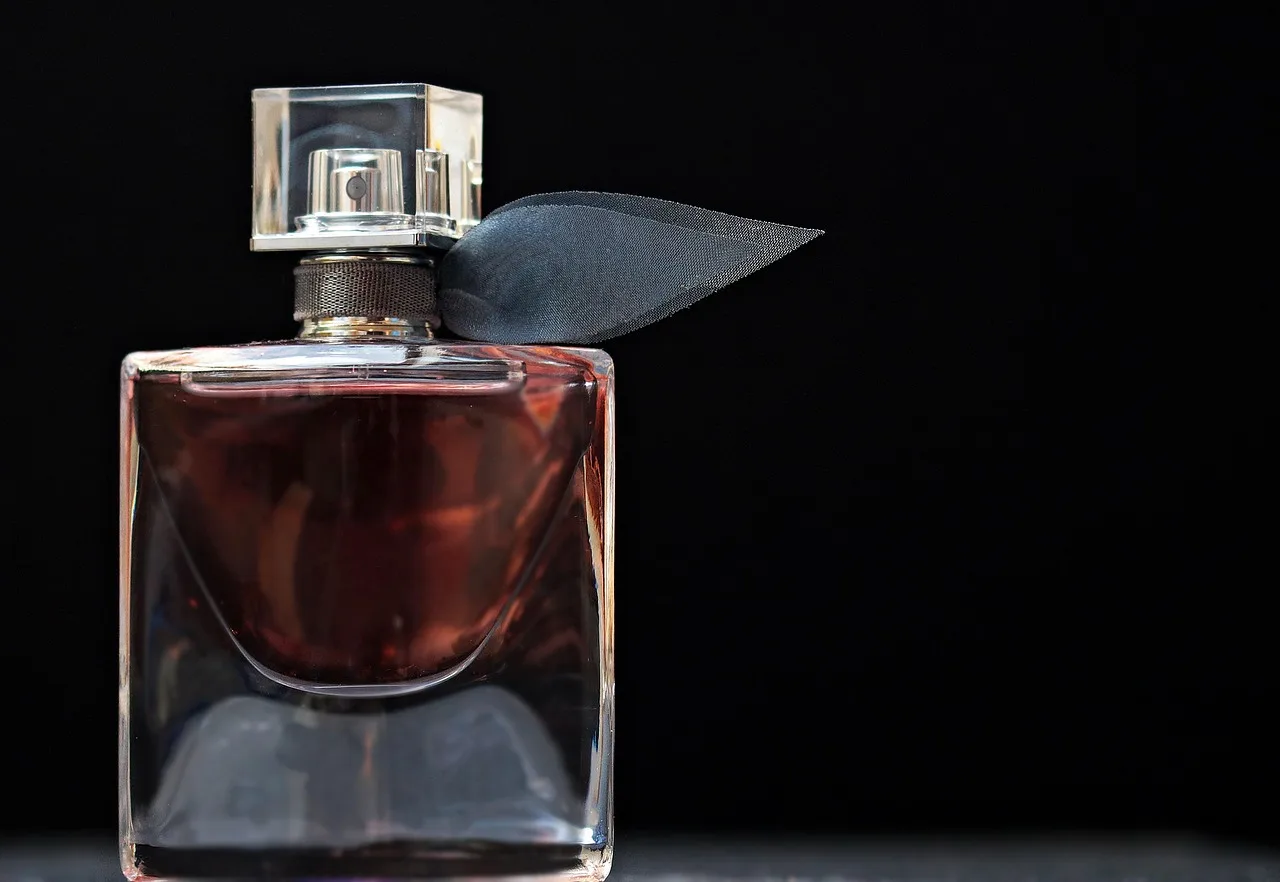


Perfume can dull, cloud, or stain a dresser top because it contains alcohol and fragrance oils. Alcohol can soften some coatings, while oils leave rings, haze, or sticky residue. The risk is higher on veneer, painted finishes, and bare wood, especially near edges and corners where liquid can slip under a finish layer.
How perfume affects different finishes
On lacquer and other clear coatings, perfume may leave a cloudy patch or a dull ring if it sits. On painted tops, alcohol can soften the sheen or leave visible marks. Laminate resists better, but liquid that works into seams, edges, or chipped spots can still cause damage. Bare wood absorbs fastest.
Daily use makes the problem worse. A bottle set down after spraying can sometimes drip from the atomizer. Cap threads can hold a small amount of liquid. That drip may be tiny, but repeated contact leaves a film that builds up around the same spot.
Which areas take the most wear?
The flat center gets the most bottle contact, but the front edge and corners are often more vulnerable because liquid runs there and fingers touch there more often. Veneer edges are often especially sensitive. Once moisture gets beneath a thin layer, swelling or lifting can follow.
A common first-timer mistake is putting a perfume bottle directly on a painted dresser near the back corner. The bottle looks harmless, yet a small leak travels under the cap and sits overnight. By the next day, the spot can show a ring or a soft patch in the finish.
Dresser top protection matrix
The right protector depends on the dresser surface, the amount of liquid exposure, and how often you want to clean around it. A tray helps organize bottles. A mat or liner handles smaller drips. A glass topper or sealed surface gives stronger protection, but it changes the look and can add weight.
| Protection method | Veneer | Painted finish | Laminate | Bare wood | Spill resistance | Scratch risk | Appearance | Renter-friendliness | Maintenance frequency |
|---|---|---|---|---|---|---|---|---|---|
| Tray | Good | Good | Good | Good | Moderate | Low if padded | Low to medium | High | Wipe weekly |
| Coaster | Good | Good | Good | Good | Low to moderate | Low | Low | High | Wash or dry as needed |
| Silicone mat | Fair | Fair to good | Good | Fair | High for drips | Low | Low | High | Wipe often |
| Glass topper | Good if edges are buffered | Good if edges are buffered | Good | Good | High | Moderate if unpadded | Medium to high | Medium | Clean regularly |
| Wax | Fair | Fair | Low to moderate | Good on bare wood only | Low | Low | High on wood | Medium | Reapply every few months |
| Polyurethane | Good if the finish is bare or refinished | Not usually for intact paint | Not needed | Excellent | High | Low | Medium | Low to medium | Rare once cured |
| Liner | Fair | Fair | Fair | Fair | Low to moderate | Low | Low | High | Wash or replace often |
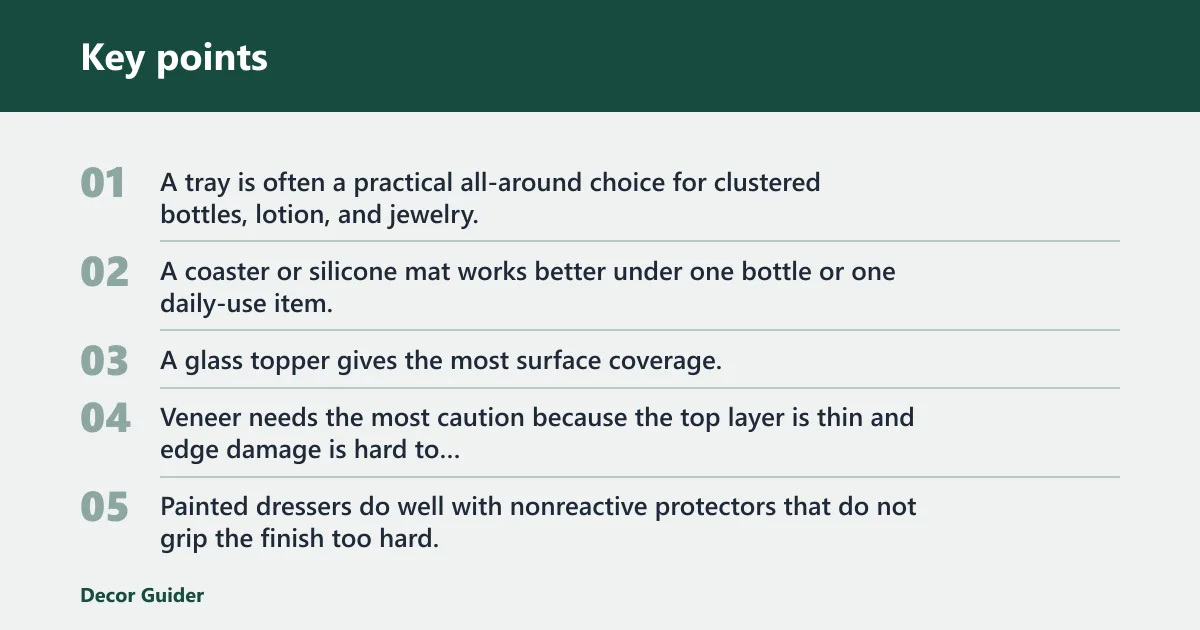
This matrix is useful, not decorative. A tray is often a practical all-around choice for clustered bottles, lotion, and jewelry. A coaster or silicone mat works better under one bottle or one daily-use item. A glass topper gives the most surface coverage, but it can look heavier and needs padded contact points.
What to choose by finish
Veneer needs the most caution because the top layer is thin and edge damage is hard to repair. Painted dressers do well with nonreactive protectors that do not grip the finish too hard. Laminate tolerates more, but seams and chips still need protection. Bare wood benefits most from a true sealant, not only a topper.
What is the best way to protect a dresser top from spills?
The best way is to combine a catch layer with scratch protection. Use a spill-resistant tray for several bottles, a coaster or silicone mat for a single bottle, and felt pads under hard feet or trays. That setup blocks drips, limits abrasion, and keeps the surface easier to wipe.
Use a tray for clustered items
A tray with a raised lip or rim holds perfume bottles, lotion, and jewelry in one place. Acrylic, wood, ceramic, and metal are common choices. Pick one with a stable base and enough depth to contain small drips. For a dresser top, a low-profile tray usually looks less bulky than a tall decorative one.
Add felt pads or self-stick feet under the tray if its base is hard. That reduces sliding and protects the finish from abrasion. It also helps when you pull the tray forward to clean behind it.
Use coasters or silicone mats under one bottle
For one perfume bottle or a small group of two, a coaster or mat is often enough. Silicone, cork, leather, rubber, and fabric can all work if they are nonreactive to the finish. Silicone is the most spill-tolerant; cork and fabric absorb minor condensation and tiny drips better than hard surfaces.
Suppose a dresser holds only one daily perfume bottle and a ring dish. A round silicone mat under the bottle and a small felt-lined dish beside it can protect the finish without covering the whole top. That keeps the surface visible and easy to dust.
Add felt pads under hard accessories
Hard accessories can scratch paint, lacquer, and laminate when they shift. Felt pads under tray feet, bottles with rigid bases, and small decor pieces lower that risk. Replace pads that flatten, peel, or collect grit, because dirt trapped under a pad can act like sandpaper.
How do you protect a veneer dresser top from moisture and alcohol?
Protect veneer with nonreactive barriers that do not trap moisture against the surface. A tray with a soft underside, a silicone mat, or a lightly lined coaster is safer than adhesive products that can pull at the veneer or leave residue. Fast cleanup matters because veneer edges are vulnerable to swelling.
Avoid adhesive products on veneer
Contact paper, peel-and-stick vinyl, and adhesive liners can sometimes create problems on veneer. Some leave residue. Others grip too hard and lift when removed. If the adhesive fails around heat, moisture, or cleaning, the veneer can look patchy or uneven.
Use a removable liner only if it can breathe a little and can be lifted without pulling at the finish. A washable felt liner is usually safer than a sticky one. Keep it flat so moisture does not pool underneath.
Keep liquid away from edges and seams
Veneer edges can swell if perfume or water lingers there. Wipe drips at once with a soft cloth, then dry the area fully. Do not let a damp mat sit over a wet spot. That can hold moisture against the veneer longer than the spill itself would.
When should you add a protective finish or sealant?
Add a protective finish when the dresser is bare wood, damaged, or being refinished. Paste wax and hard wax oil can improve cleanup on some finished wood surfaces, but they must match the existing finish. Polyurethane, lacquer, and varnish are stronger choices for bare or refinished wood, with cure time before use.
Paste wax and hard wax oil
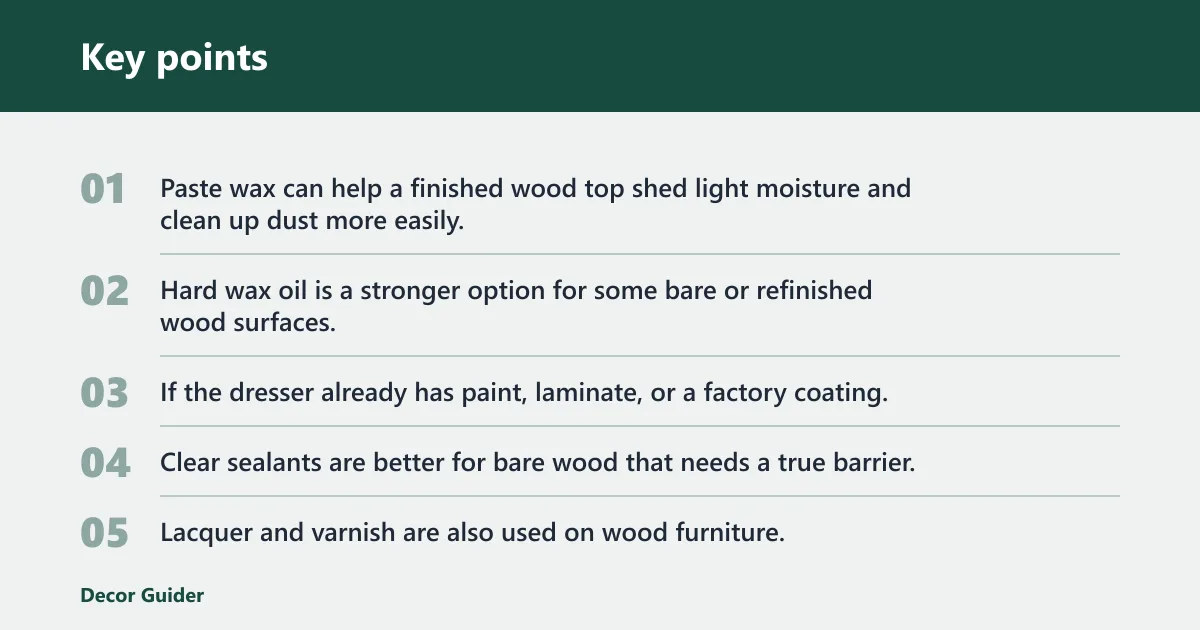
Paste wax can help a finished wood top shed light moisture and clean up dust more easily. Hard wax oil is a stronger option for some bare or refinished wood surfaces. Neither is a fix for a bad finish match. If the dresser already has paint, laminate, or a factory coating, use caution and check compatibility first.
Polyurethane, lacquer, and varnish
Clear sealants are better for bare wood that needs a true barrier. Polyurethane gives durable water resistance. Lacquer and varnish are also used on wood furniture, depending on the original finish and repair plan. A fresh coat needs full cure time before bottles or trays go back on top.
Do not rush this step. If perfume sits on a soft coating before it cures, it can leave marks that look like spilled polish or cloudy patches. Follow the product’s cure schedule rather than the dry-to-touch time.
How do you clean perfume spills off wood furniture?
Blot the spill first, then wipe with a pH-neutral cleaner or a mild soap solution. Dry the area right away so alcohol and moisture do not sit on the finish. Avoid abrasive scrubbers and strong solvents, which can cloud lacquer, strip protective coatings, or dull paint.
Safe spill-cleaning steps
- Blot the spill with a clean, dry cloth.
- Lightly dampen a soft cloth with pH-neutral cleaner or mild soap and water.
- Wipe the affected area gently.
- Dry the surface with a separate cloth.
- Check the spot after it dries for dullness, clouding, or residue.
If the finish looks unchanged, keep using the same gentle routine. If a spot stays dull, stop scrubbing. More pressure usually makes the problem worse, especially on painted or lacquered surfaces.
What to avoid
Skip harsh solvent cleaners, alcohol-heavy sprays, abrasive pads, and rough scrubbers. They can remove more than the spill, especially on painted or clear-coated tops. Also avoid cleaning products that are not safe for finished wood. The wrong cleaner can turn a small spill into a larger repair.
How do you protect a dresser top without making it look cheap?
Choose protection that fits the dresser’s proportions and finish. A low tray, a thin mat, or a clear glass topper usually looks more settled than a bulky organizer. Keep only the items used daily on top, and leave some open surface so the dresser still reads as furniture, not storage.
Use clear or low-profile protectors
Clear acrylic or glass can protect the top while keeping the finish visible. A low ceramic tray or a slim silicone mat can also work if the color stays close to the dresser tone. Avoid oversized bins, shiny plastic containers, and cluttered groupings that crowd the surface.
Limit the number of items on top
One tray with perfume, one coaster, and one small dish is usually enough for daily use. More items mean more cleaning points and more chances for a leak. A tidier arrangement also makes it easier to spot a cap drip before it stains.
Say your dresser has a white painted top in a bedroom with three daily perfume bottles. A shallow tray with a felt base and two small coasters will protect the finish while keeping the setup compact. The key is not adding more objects than the surface needs.
Frequently asked questions
How do I protect the top of a dresser from perfume stains?
Use a tray, coaster, or silicone mat under the bottle, then wipe drips right away. For daily perfume use, a raised-lip tray gives the best balance of spill control and easy cleanup. If the dresser is bare wood, a true sealant adds another layer of defense.
What is the best surface protector for a dresser in a bedroom?
For most bedrooms, a spill-resistant tray is the best all-around protector. It handles perfume, lotion, and jewelry in one place. If you only use one bottle, a coaster or silicone mat can be enough. Choose a nonreactive backing that will not scratch the finish.
Should I use glass, resin, vinyl, or silicone on a dresser top?
Glass offers strong spill coverage and a clear look, but it needs buffered edges. Silicone is better for grip and small drips. Resin and vinyl can be useful in some cases, but adhesive vinyl is risky on veneer and finished wood because of residue and moisture trapping.
Can I use contact paper on the top of a dresser?
Contact paper is usually a poor choice for finished wood, veneer, and painted tops. It can trap moisture, leave residue, and pull at the finish when removed. If a removable barrier is needed, a washable liner or nonreactive mat is safer than adhesive paper.
How do I stop perfume from damaging wood furniture finish?
Keep perfume off the bare surface as much as possible. Place bottles on a tray or mat, clean spills quickly with a pH-neutral cleaner, and avoid harsh solvents. If the top is bare wood or worn, a suitable sealant or protective finish will add real resistance.
Products related to this article
Sponsored / affiliate links. As an Amazon Associate I earn from qualifying purchases. I may earn additional commission from eligible campaigns.