How Much Does It Cost to Replace Dresser Knobs?
Replacing dresser knobs usually costs about $10 to $60 for a small dresser if you do it yourself, or about $50 to $150 with handyman labor; damaged holes or stripped threads can raise it. Common hardware prices at major retailers such as Home Depot, Lowe’s, Ace Hardware, and IKEA support that range, while handyman minimums often push small jobs above the parts cost. A poor fit can crack the drawer front and turn a $10 fix into repair work.
Dresser knob cost calculator


Use this table to estimate the full price before you buy hardware. The ranges below assume common replacement knobs, a small dresser, and typical minimum labor charges when a pro is involved. Hardware prices reflect current listings from major retailers; labor and repair ranges reflect widely used home-service pricing guides such as Homewyse and Angi. If holes need filling, redrilling, or touch-up, the price moves up fast.
| Scenario | Hardware | Labor minimum | Repair / touch-up | Total for 4 knobs | Total for 6 knobs | Total for 8 knobs |
|---|---|---|---|---|---|---|
| DIY | $12 to $40 | $0 | $0 | $12 to $40 | $18 to $60 | $24 to $80 |
| Handyman install | $12 to $40 | $50 to $100 | $0 | $62 to $140 | $68 to $160 | $74 to $180 |
| Install plus hole repair or redrill | $12 to $40 | $50 to $100 | $25 to $95 | $87 to $235 | $93 to $255 | $99 to $275 |
Those ranges are broad on purpose. A single service call can cost more than the knobs themselves, and one damaged drawer front can add filler, sanding, drilling, and paint or wax touch-up. The lower end fits a basic swap with aligned holes. The upper end fits small-job labor, a trip fee, and visible repair work.
How much does it cost to replace dresser knobs?
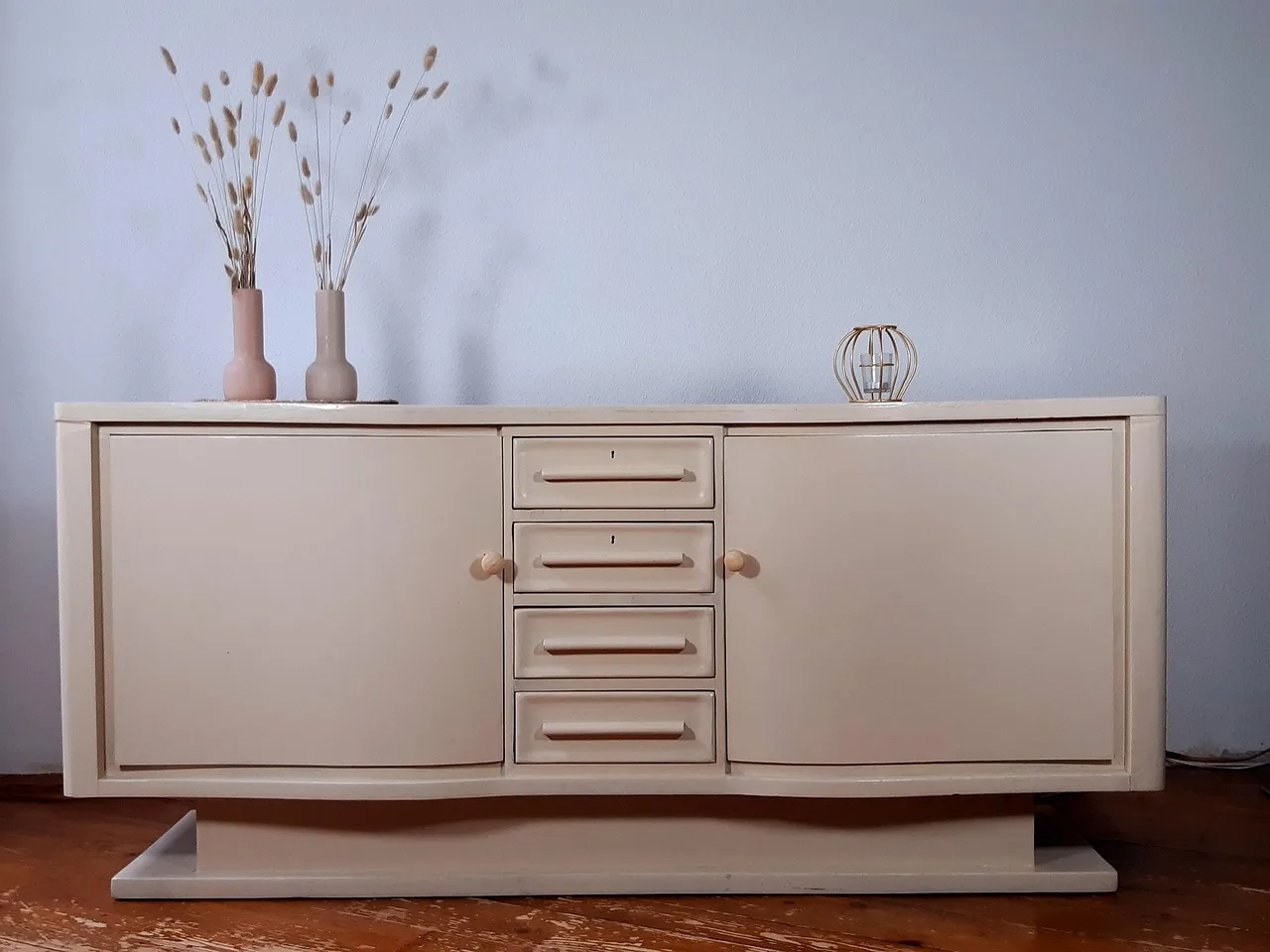
Replacing dresser knobs usually falls into three cost buckets: the knobs, the labor, and any repair work needed for misaligned or damaged holes. For a simple swap, the hardware often costs about $3 to $10 per knob, while labor can add roughly $50 to $100 or more if a pro has a minimum charge. Repair work is the swing factor.
Typical knob price ranges by material
Metal knobs are often the cheapest option, especially in bulk. Wood knobs usually sit in the middle, while ceramic and glass knobs can cost more because of finish detail and breakage risk. Current listings at major home retailers show the spread clearly: simple metal knobs are commonly near the low end, while decorative ceramic and glass pieces cost more. Finish also matters. Brushed nickel, matte black, oil-rubbed bronze, clear glass, and painted ceramic can all change the price without changing the job itself.
- Metal: about $2 to $8 each for common replacements.
- Wood: about $3 to $10 each, depending on grain and finish.
- Ceramic: about $4 to $15 each for decorative styles.
- Glass: about $5 to $20 each, often priced higher for style and fragility.
Matching matters more than many shoppers expect. A set of four mismatched knobs can make a dresser look unfinished even if the holes line up. Buying the same finish and shape in one order usually keeps the price and the look more predictable.
What labor adds to the total
A handyman or carpenter may charge by the hour, by the trip, or with a minimum service call. For a small dresser job, the minimum often matters more than the time on site. Homewyse and Angi both show that small handyman projects commonly land around a minimum visit charge rather than a pure per-knob price, so replacing four knobs can still trigger a one-hour minimum or small-job surcharge.
- Small-job minimums: often about $50 to $100 before parts.
- Hourly labor: often about $50 to $100 per hour for handyman work.
- Trip fees: may apply in addition to labor in some markets.
When repair work changes the price
Repair work raises the total when old holes are stripped, too large, or in the wrong spot for the new hardware. Veneer chips, cracked laminate, and thin drawer fronts can also require filler, sanding, or careful redrilling. That extra work is often priced separately in furniture repair guides from Homewyse and similar service-cost sources, and it usually costs more than the knobs themselves.
Say your dresser has six drawers and two old knob holes are stripped. The hardware might cost $24 to $50, but the repair side can add filler, drying time, and touch-up paint. That is how a modest hardware project turns into a higher furniture repair bill.
What changes the total price?
The total price changes most with hole alignment, hardware quality, drawer count, and damage to the drawer front. If the new knobs fit the old holes exactly, the job stays simple. If the holes do not match, someone has to drill, fill, or both, and the labor bill rises.
Hole pattern and alignment
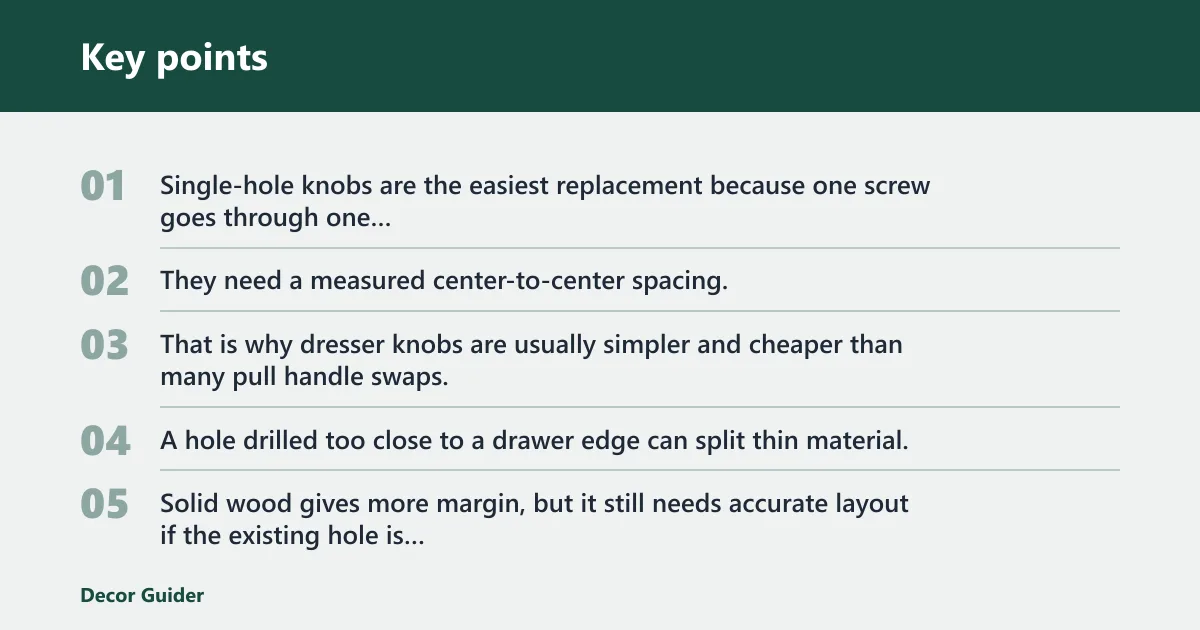
Single-hole knobs are the easiest replacement because one screw goes through one existing opening. Two-hole pulls are different. They need a measured center-to-center spacing, and a mismatch means new drilling or a different style. That is why dresser knobs are usually simpler and cheaper than many pull handle swaps.
Alignment also affects damage risk. A hole drilled too close to a drawer edge can split thin material, especially on MDF or laminate. Solid wood gives more margin, but it still needs accurate layout if the existing hole is worn out or off center.
Knob material, finish, and quality
Price rises with heavier metal, painted ceramic, hand-finished wood, and glass pieces with decorative hardware. Quality also affects how well the screw threads hold over time. Cheap, loose-threaded knobs can spin in the hole and tempt overtightening, which is where damage often starts.
Drawer count and bulk purchase savings
Buying four, six, or eight matching knobs at once usually lowers the per-knob price. A matching set is easier to install because the screw length and finish stay consistent. The savings are small on one drawer and more noticeable across a full dresser.
Damage to veneer, laminate, or MDF
Thin drawer fronts fail more easily than solid wood. Veneer can chip around the opening, laminate can crack at the edge, and MDF can crumble if the screw bites too hard. Once the surface is damaged, touch-up and patching add both labor and materials.
Suppose a laminate dresser has a single hole that is 1/8 inch too large for the new screw. The fix may be a washer, a larger screw, or a proper fill-and-redrill repair. That small mismatch changes the job from a quick swap to a short repair project.
How do you know what size knobs fit your dresser?
The right knob depends on screw length, thread compatibility, drawer-front thickness, knob diameter, and whether you are replacing a knob or a pull. A good fit should thread in smoothly, seat flat, and leave enough screw length to hold securely without bottoming out or poking through the drawer front.
Screw length and thread compatibility
Check the screw length before buying. Too short, and the knob will not catch cleanly. Too long, and it can bottom out or protrude inside the drawer. Thread size also matters, because a common metric or imperial screw mismatch can make a knob feel loose even when the style looks right.
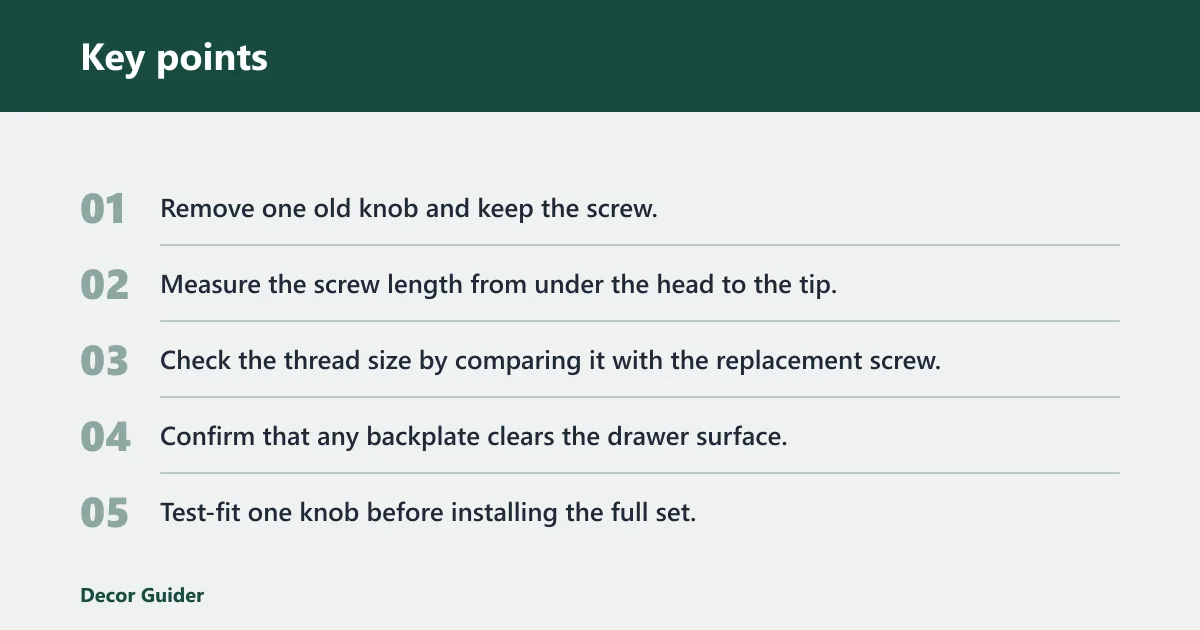
- Remove one old knob and keep the screw.
- Measure the screw length from under the head to the tip.
- Check the thread size by comparing it with the replacement screw.
- Confirm that any backplate clears the drawer surface.
- Test-fit one knob before installing the full set.
Drawer-front thickness and clearance
Drawer-front thickness affects how much screw length you need and whether the threads bite properly. Thin MDF or laminate fronts may need washers or shorter screws to avoid splitting, while thicker solid-wood fronts usually give more thread engagement. The goal is secure hold without forcing the screw.
- Measure the thickness of the drawer front before choosing screws.
- Make sure the screw reaches far enough to hold the knob firmly.
- Check that the screw does not bottom out inside the knob body.
- Use washers if the back side needs better load distribution.
Knob diameter and pull spacing
Knob diameter affects both the look and the grip, but pull handles are all about center-to-center spacing. If you are replacing knobs with pulls, the measured spacing must match the new hardware or you will need fresh holes. That is why pull swaps are often costlier than knob swaps and why a template helps.
- Measure pull spacing from hole center to hole center.
- Match that spacing exactly if you want to reuse existing holes.
- Choose a knob diameter that is comfortable to grip and proportionate to the drawer.
- Use a template or jig if you are changing multiple drawers.
Do you need new holes?
You only need new holes if the current opening does not match the new knob or pull. A single-hole knob with the correct screw length is usually a direct replacement. Two-hole pulls, oversized backplates, or damaged openings often require drilling, filling, or both. That is where costs jump.
Single-hole knobs versus two-hole pulls
Single-hole knobs are the least expensive to replace because they usually reuse the existing opening. Two-hole pulls require the right center-to-center measurement, and that makes fit more exact. If the spacing is off even a little, the installer may need to drill a new pair of holes and hide the old ones.
When old holes need filling or redrilling
Old holes need filling when the new hardware does not cover them or when the spacing changes. Redrilling is common if you switch from knobs to pulls, change the style, or move the handle location. The added cost comes from patch material, sanding, and the care needed to avoid splitting the drawer front.
- Fill holes when the new hardware does not cover the old opening.
- Redrill when the spacing changes or the old hole is damaged.
- Use a template if you need consistent placement across multiple drawers.
- Stop and patch first if the existing edge is already cracked or softened.
How much does it cost to hire someone?
Hiring someone to install dresser knobs usually costs more than the parts because small jobs trigger minimum labor charges. Handyman rates often run about $50 to $100 per hour, but the invoice may start with a trip fee or a one-hour minimum. Carpenter rates can be higher if the work includes repair or custom fitting.
Handyman hourly rates and minimum charges
For a straightforward knob swap, many homeowners pay a flat minimum rather than a true per-knob price. The job may take less than an hour, yet the bill can still reflect the minimum visit charge. That is why a simple install can cost several times more than the hardware.
Trip fees and small-job surcharges
Trip fees and small-job surcharges vary by region. Urban markets often cost more than rural ones, and same-day scheduling can add another fee. If the installer has to return with different screws or extra filler, the total can climb again.
Extra labor for drilling and touch-up
Drilling new holes, patching old ones, and touching up finish all add time. A veneer repair or laminate patch may need drying between steps, which makes the job longer than a simple screw-in replacement. That extra labor is often the main reason a dresser project moves from a small hardware bill to a furniture repair bill.
What tools and parts do you need?
Most dresser knob replacements need only a screwdriver, but accurate fitting may also call for a drill, measuring tape, a template or jig, and a level. The right parts matter too. Use screws that match the thread, check washers if the back is thin, and confirm that any backplate sits flat.
Screwdriver, drill, measuring tape, template or jig, and level
A screwdriver handles basic swaps. A drill helps when holes need redrilling or when the old opening needs to be adjusted. A measuring tape and a simple template or jig keep spacing consistent across drawers. A level helps when you are aligning a row of pulls or backplates, especially on tall dressers.
- Screwdriver for basic swaps
- Drill for redrilling or adjusting holes
- Measuring tape for spacing and alignment
- Template or jig for repeatable placement
- Level for straight rows of pulls or backplates
Matching screws, washers, and backplates
Match the screw length to the drawer thickness and the knob body. If the dresser front is thin, washers can help distribute pressure. Backplates need to match the face shape and hole pattern, or they can make the install look awkward and require more labor than the job should.
Touch-up supplies for filled or repaired holes
Keep filler, sandpaper, and a touch-up marker or paint close by if holes will be hidden or patched. On painted dressers, a small chip can stay visible unless it gets sealed. On stained wood, matching the finish matters because a raw patch stands out immediately.
Frequently asked questions
How much does it cost to install cabinet knobs?
Cabinet knobs often cost about the same as dresser knobs for the hardware, but labor can differ because kitchen or bath cabinets may involve more doors, more alignment, and harder access. A small install still often hits a minimum service charge, so the labor can cost more than the knobs.
How much does it cost to replace cabinet hardware?
Cabinet hardware replacement can cost more than dresser knob replacement because pulls, backplates, and matching hole spacing are more likely to require drilling or patching. The hardware itself may be inexpensive, but the labor rises when the spacing changes or the surface needs touch-up.
Is it cheaper to replace dresser knobs myself or hire someone?
It is usually cheaper to do it yourself if the holes already line up and the screws fit. Hiring someone makes more sense when the drawer fronts are damaged, the spacing is off, or you want the holes drilled and finished cleanly. The labor minimum often exceeds the parts cost.
What tools do I need to replace dresser knobs?
For a basic swap, you need a screwdriver and the correct replacement screws. If the holes need adjustment, add a drill, measuring tape, a template or jig, and a level. If the old holes will be hidden or filled, keep filler and touch-up supplies on hand.
Do I need to drill new holes for dresser knobs?
No, not if the new knob matches the old single-hole pattern and the screw length is correct. You need new holes when switching to two-hole pulls, changing the spacing, or correcting damaged openings. Thin MDF, laminate, and veneer need extra care because they can crack during drilling.
Products related to this article
Sponsored / affiliate links. As an Amazon Associate I earn from qualifying purchases. I may earn additional commission from eligible campaigns.