Dresser Knob Problems: Loose, Broken, or Stripped Hardware
Start by identifying which part moves: if the screw spins, the threaded insert or wood threads failed; if the knob splits or pulls out, the knob body failed; if the hole in the drawer face is enlarged, the drawer front failed. If you fix the wrong point, the knob loosens again, strips farther, or tears out the drawer front. This guide shows how to diagnose each problem and pick the right repair for loose, broken, or stripped dresser knob hardware.
What you’ll need


- Replacement knob or matching machine screw, if the existing one is damaged
- Machine screw with 8-32 thread, if the new knob uses a threaded insert
- Measuring tape or ruler
- Drill and drill bits for pilot holes
- Cabinet hardware drilling template or jig
- Toothpicks and wood glue for a small stripped hole
- Two-part epoxy wood filler for a badly stripped hole
- Screw extractor for a broken screw stub inside the knob
- Small screwdriver or hex driver that matches the screw head
- Masking tape and a pencil for layout
Dresser knob troubleshooting table
| Symptom | Likely failure point | Best fix | Estimated cost/time |
|---|---|---|---|
| Loose knob that tightens, then loosens again | Screw threads, knob insert, or drawer face threads are worn | Retighten once, then replace the screw with a matching 8-32 machine screw or repair the hole if it strips again | $0 to $3, 5 to 15 minutes |
| Knob spins but will not tighten | Stripped wood, MDF, laminate, or a failed insert | Remove the knob, rebuild the hole with toothpick-and-glue for small damage or epoxy filler for larger damage, then drill a pilot hole | $1 to $10, 20 minutes plus cure time |
| Broken screw stub inside the knob | Screw snapped inside the knob body or post | Use a screw extractor to remove the stub, then replace the screw | $5 to $15, 10 to 30 minutes |
| Stripped hole in wood, MDF, or laminate | Drawer front hole is enlarged or blown out | Use toothpick-and-glue for a small hole, or two-part wood filler for a larger one; drill a pilot hole after curing | $1 to $10, 30 minutes to 4 hours |
How do you repair a stripped dresser knob hole?
Use toothpick-and-wood-glue for a small worn hole, and switch to two-part epoxy filler when the opening is larger, crumbly, or in MDF, particleboard, or damaged laminate. The repair should rebuild enough material for the screw to grip again only if the knob uses a wood screw that bites into the drawer front. If the knob uses a machine screw that passes through the drawer front into a threaded insert in the knob, the drawer hole usually is not the part that provides the grip. If the hole keeps failing, the drawer front may need replacement.
- Remove the knob. Back out the machine screw and keep the knob, screw, and washer together. If the screw head is damaged or the stub breaks off inside the knob, stop here and use a screw extractor.
- Clean the opening. Clear loose fibers, swollen MDF, and old glue from the hole. Clean edges help the new filler bond, especially on veneer and laminate where the surface layer can peel.
- Pack the hole. For a small stripped hole, glue in toothpicks or wood slivers coated with wood glue. For a larger void, use a two-part epoxy wood filler and pack it flush with the face.
- Let it cure. Wait about 1–4 hours before drilling or reinstalling, following the filler label if it lists a longer time. Do not rush this step; soft filler strips fast.
- Drill a pilot hole. Drill a centered pilot hole after curing so the screw enters cleanly and does not split the repair. Reinstall the knob by hand first, then tighten it just until the knob stops moving.
Say your knob hole in MDF has turned into a soft oval. Toothpicks may hold for a while, but epoxy filler is the better bet because it cures hard and supports the screw better in weak fiber board.
How do you replace a dresser knob without drilling new holes?
Pick a replacement knob that matches the current hole size and thread pattern before you drill anything. Many drawer knobs use a single machine screw with 8-32 thread, and the screw passes through the drawer face into the knob post. If the new knob does not match, the fit will be poor or the threads will strip again.
- Measure the old hardware. Check the screw thread and the length of the existing screw before buying a replacement.
- Match the new knob. Buy a replacement knob with the same thread type and a compatible post depth. Universal replacement knobs usually cost $2 to $15 each.
- Test the fit by hand. Thread the screw in by hand for several turns before tightening. If it binds early, stop and confirm the thread size rather than forcing it.
- Snug, do not over-torque. Tighten only until the knob no longer wiggles. Over-tightening is a common cause of repeat loosening in veneer, MDF, and particleboard fronts.
What if the knob spins but won’t tighten?
A spinning knob usually means the screw is turning without biting into the drawer front, or the insert inside the knob has stripped out. The fix depends on where the slip happens. If the screw catches in the knob but not the drawer, the hardware may have the wrong screw length, may be missing a washer, or may be bottoming out before it clamps tight; if the screw slips inside the knob body, replace the knob or the screw assembly.
- Hold the knob steady. Turn the screw from the back while keeping the front from rotating. If the screw never tightens, the drawer hole is likely stripped.
- Check the knob threads. Remove the screw and inspect the threaded insert or post. If the threads are rounded out or cracked, replace the knob body.
- Rebuild the drawer hole. Use toothpick-and-glue for a minor strip, or epoxy filler for a larger failure in MDF, laminate, or particleboard.
- Reinstall with a pilot hole. Drill a fresh pilot hole after the repair cures, then reinstall by hand to avoid tearing out the fibers again.
Suppose a bedroom dresser has a loose knob on the top drawer because that drawer gets yanked daily. The screw may still be fine. The front panel is often the weak point, so a hole repair can solve the problem without buying a new knob.
Why does my dresser knob keep loosening?

Repeated loosening usually points to worn threads, drawer misalignment, or pull stress, not just a bad screw. On dressers, veneer, MDF, laminate, and particleboard fail differently than solid hardwood. Soft fiber board crushes around the screw, while veneer and laminate can split or lift if the drawer is pulled at an angle.
Overloaded drawers make the problem worse. When the drawer binds, people pull harder on the knob, which works the screw loose and enlarges the hole. A crooked drawer front can do the same thing by loading one side of the hardware more than the other.
Repeated loosening from worn threads
If the screw threads are worn, replace the screw with the same thread size and a length that fully engages the knob insert. Many drawer knobs use a single machine screw with 8-32 thread in North America. A matching screw is usually cheaper than replacing the whole knob.
Drawer misalignment and pull stress
Check that the drawer rides straight and does not rub the cabinet opening. Realign the slides or guides if the drawer leans, because side load can twist the knob and wear the hole faster.
Material failure in veneer, MDF, or particleboard
When the front is MDF, particleboard, or laminated board, the repair needs more support than bare glue. Use filler, then a pilot hole, because soft boards compress and lose grip quickly if the screw is forced back into the same damaged opening.
When should you replace the knob or drawer front?
Replace the knob body when the post, insert, or shell is cracked. Replace the drawer front when the mounting area is blown out, the veneer is lifting badly, or the hole is too damaged to hold a repair. If you want to switch from a knob to a bar pull, expect new holes and precise spacing work.
- Inspect the knob body. If the ceramic, glass, metal, or wood body has split around the post, replacement is the clean fix. A repair there rarely lasts.
- Check the drawer front edge. If the laminate is cracked wide around the hole or the MDF has crumbled away, move to replacement rather than another patch.
- Measure pull spacing. For a knob-to-pull conversion, measure center-to-center distance carefully. Common bar pull spacing is 3-inch and 3-3/4-inch, and new holes may be required.
- Use a drilling jig. A cabinet hardware drilling template or jig, usually $10–$25, helps place aligned holes so the replacement hardware sits straight.
How do you match a new knob to your existing dresser holes? Measure the current hole first, then buy hardware that matches the hole and thread. If the dresser face already has a hole that fits the screw and the new knob uses a single 8-32 machine screw, you can usually reuse the opening without drilling new holes.
Common mistakes
- Forcing a screw into a stripped hole, which makes the damage larger.
- Using filler before removing loose fibers or swollen MDF from the opening.
- Skipping the pilot hole after epoxy or wood filler cures.
- Buying a replacement knob without checking the thread and screw length.
- Ignoring drawer misalignment, then blaming the knob for repeat loosening.
- Changing to a bar pull without checking center-to-center spacing first.
Frequently asked questions
Why does my dresser knob keep coming loose?
It usually means the screw threads, the knob insert, or the drawer front hole is wearing out. Start by checking whether the screw spins freely or the knob body moves around the screw. If the drawer is crooked or overloaded, fix that too, or the new hardware may loosen again.
How do I fix a stripped dresser knob hole?
Use toothpick-and-wood-glue for a small hole, and two-part epoxy filler for a larger or softer one in MDF, particleboard, or laminate. After curing, drill a pilot hole and reinstall the screw by hand. If the hole keeps failing, the drawer front may need replacement.
Can I reuse the original screw on a broken dresser knob?
Reuse it only if the threads are clean, the head is intact, and the screw length still matches the new knob. If the screw broke inside the knob, use a screw extractor first. A damaged or shortened screw should be replaced, not forced back into service.
What size screw do dresser knobs usually use?
Many drawer knobs use a single machine screw with 8-32 thread in North America. The screw passes through the drawer face and threads into the knob post. Before buying a replacement, measure the existing screw and confirm the hole size.
Should I use wood filler or toothpick-and-glue for a stripped hole?
Use toothpick-and-glue for a small stripped hole that still has some wall left. Choose two-part epoxy filler for larger damage, soft MDF, or holes that crumble when you touch them. Let the repair cure for about 1–4 hours before drilling the pilot hole and reinstalling the screw.
Products related to this article
Sponsored / affiliate links. As an Amazon Associate I earn from qualifying purchases. I may earn additional commission from eligible campaigns.
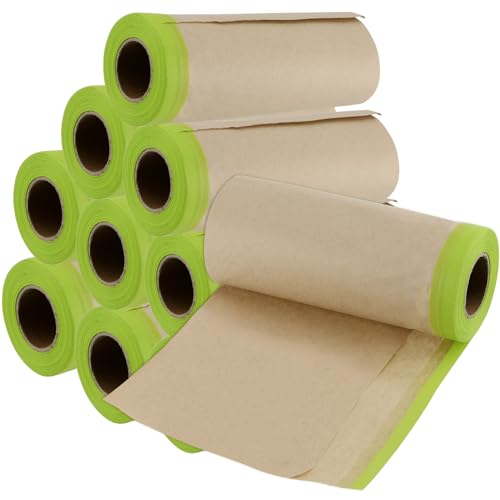 MUKLEI 10 Rolls Pretaped Masking Paper, 6 Inch x 50 Feet Adhesive Masking Paper, Painters Paper for Frames, Furnitur
 JMI BASIC Pre-Taped Masking Film Sets - Multi Pack, Orange Tape and Drape Painters Plastic Sheeting for Painting, High Visibility Paint Plastic Covering Overspray Protection - 65 Feet (3, 59 Inch)