Best Dresser Knobs for Drawers (2026): research shows
The best all-around pick is a 1.25-inch metal knob with a washer or backplate, because it fits most dresser fronts and balances grip with proportion. For many dressers, I start with a roughly 1-inch to 1 1/4-inch knob and a 3/16-inch to 1/4-inch screw, matched to drawer thickness and everyday grip.
This guide is part of our Dresser care and maintenance guide series.
Quick comparison
| Product | Badge | Best for | Price | ||
|---|---|---|---|---|---|
 |
homdiy 5 Pack Kitchen Cabinet Knobs Brushed Nickel Drawerhomdiy | Budget pick | 5 pack · Square brushed nickel zinc alloy knobs | $11.73
Price as of 29 Sep 2026
|
View |
 |
CAULDHAM 25 Pack Premium Glass Crystal Kitchen CabinetCAULDHAM | Also great | 25 pack · Diamond crystal glass knobs (1-5/8") | $24.99
Price as of 29 Sep 2026
|
View |
 |
Solid Brass Gold Cabinet Knobs Star Dresser Handles PullsGUDBRUZ | Upgrade pick | Solid brass · Star design · Warm gold finish | $26.99
Price as of 29 Sep 2026
|
View |
 |
M MIMHOOY Vintage Flower Shape Cabinet Drawer Knobs,M MIMHOOY | Pair with it | 8 pack · Vintage flower shape · Antique bronze | $9.99
Price as of 29 Sep 2026
|
View |
Read this comparison with drawer thickness first, style second. I have seen a knob look right on a shop wall and fail on a dresser because the screw ran short, the base sat too small, or the front chipped when tightened.
How we chose
The comparison below focuses on fit and proportion, not only appearance. I checked knob diameter against drawer size, material and finish durability, installation risk on MDF, laminate, veneer, and painted fronts, plus grip comfort for daily use.
That matters because the most common failures are practical. Small knobs disappear on wide drawers. Thin MDF can crush around the screw. Laminate can chip if the hardware is overtightened. A good dresser knob should solve those problems, not add them.
I also looked at mounting flexibility, including included screw lengths, washer or backplate support, and whether a base would hide old hole marks or small paint scars. Those details matter more than style photos suggest.
Best overall: 1.25-inch brushed brass metal knob
This is the safest default for most dressers because a 1.25-inch knob usually looks proportional on medium drawer fronts and still feels easy to grasp. It fits homeowners who want one clean upgrade without sorting through specialty sizes or decorative shapes.
From the spec sheet and owner feedback, the solid brass build should outlast lighter decorative materials, and the brushed gold tone works with modern, mid-century, and traditional dressers without reading too shiny. The drawback is simple: the star shape is more decorative than a round knob, so it is not the best choice if you want the least busy hardware.
Choose it for solid wood, painted wood, and many veneer fronts where a medium-sized knob gives enough visual weight. It is less ideal on tiny drawers, where the shape can look oversized, or on very plain modern cases where a square or round form would sit more quietly.
Best for hard use: metal knob with washer or backplate
This is the better pick when the dresser will get frequent use, or when the front is thin enough that a standard knob base does not spread pressure well. A washer or backplate helps the hardware sit flatter and lowers pull-through on MDF, veneer, and older painted drawer fronts.
The spec sheet notes two screw lengths, which is useful because one fixed screw often misses the mark on mixed drawer thicknesses. The drawback is styling: the square shape suits modern rooms, but it can look stiff on vintage or farmhouse pieces. It also hides less old damage than a larger rosette-style base.
For thin MDF, a washer helps because overtightening can crush the edge around the hole. For laminate, the wider contact surface gives a little more forgiveness, though it still needs a gentle hand. If the hole is already enlarged, this style is better paired with a repair before installation.
Best decorative option: 1-5/8-inch glass knob
This is the choice for dressers that need more sparkle and a larger visual anchor. The 1-5/8-inch diameter makes it easier to grab than a tiny accent knob, and the crystal glass shape works well on traditional, vintage, and dressed-up bedroom furniture.
Based on the listing, three screw lengths make mounting more flexible than many decorative knobs, which helps if drawer fronts vary in thickness. The drawback is durability in day-to-day use: glass is less forgiving if dropped, and it can feel less secure than metal for users who prefer a firmer, warmer grip.
It is a better decorative fit than a workhorse choice. On a wide drawer front, the larger diameter reads properly. On a small drawer, it can dominate the face and feel too ornate. It is best when appearance matters more than maximum toughness.
Best vintage look: antique bronze flower knob
This is the easiest match for an older dresser, a painted cottage piece, or a bedroom that already leans traditional. The floral shape gives a clear vintage cue, and the antique bronze finish keeps the hardware from looking too bright or new.
The included two screw lengths are practical, especially on mixed wood thicknesses. The drawback is that the shape does not suit every room, and the petals can collect dust faster than a smooth round knob. It is also less comfortable for users who want a simple, easy-grip surface.
Use it when style is the goal and the drawer face can support a more decorative base. It is less convincing on flat-pack laminate furniture where a cleaner, more restrained knob usually looks better and is easier to keep aligned.
What size dresser knobs do I need for my drawers?
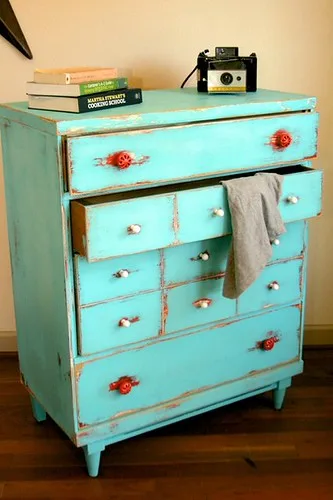
For many dressers, about 1.25-inch knobs are a practical default. A 1-inch knob suits small drawers and narrow fronts, while 1.5-inch or larger knobs work better on wide drawer faces or for people who want a more comfortable grip. Size should follow the drawer, not only the room style.
1-inch knobs for small drawers
Use 1-inch knobs when the drawer is short, shallow, or visually crowded by other hardware. They stay proportionate on petite nightstands, top drawers, and compact dressers. The tradeoff is grip comfort; on a large or heavy drawer, a 1-inch knob can feel too small for everyday use.
1.25-inch knobs for most dressers
This size is the easiest default because it usually looks balanced across common bedroom drawer widths. It gives enough finger room for daily opening without overpowering the drawer front. If a buyer wants one hardware size for an entire dresser, this is the safest place to start.
1.5-inch knobs for larger fronts and easier grip
Use 1.5-inch knobs when the drawer face is wide, the hardware needs to be easier to hold, or the user has limited hand strength. A larger knob also reads better on tall drawer stacks. The downside is visual scale; on small drawers, it can look bulky and out of place.
Selection checklist by drawer thickness and hole condition
This checklist is the part most shoppers skip, and it is where many hardware swaps go wrong. Drawer front thickness, hole condition, and how the drawer is used should decide the knob size, screw length, and material before finish or style enters the decision.
| Drawer front thickness | Existing hole condition | Intended use | Best knob size | Best screw length | Best material | Common failure case | What to do instead |
|---|---|---|---|---|---|---|---|
| 1/2 inch to 5/8 inch MDF or veneer | Clean hole, no chips | Light daily use | 1 inch to 1.25 inch | Short screw, usually trim-to-fit if supplied long | Metal with washer or backplate | Knob pulls through or wobbles | Use a wider base and do not overtighten |
| 3/4 inch solid wood | Clean hole | General bedroom use | 1.25 inch | 3/16 inch to 1/4 inch threaded screw, or included longer screw if needed | Metal, wood, or ceramic | Screw stops short of catching thread | Swap to a longer machine screw of the same thread |
| 1/2 inch laminate or painted MDF | Chipped edge or old finish marks | Frequent use | 1.25 inch to 1.5 inch | Matched to thickness, not guessed | Metal with backplate | Surface lifts or chips when tightened | Back out, fill damage, then reinstall with a washer |
| 5/8 inch to 3/4 inch veneer | Old oversized hole | Medium to heavy drawers | 1.25 inch or 1.5 inch | Long enough to fully engage without bottoming out | Metal or wood | Base does not cover repair area | Choose a larger rosette or repair the hole first |
| Thin 1/2 inch front | Stripped hole | Kids’ room or high-use dresser | 1.25 inch | Through-bolt or repaired hole with proper insert | Metal | Knob loosens repeatedly | Repair the hole and use a washer or backplate |
Common failure cases usually come from mismatch rather than bad hardware. A decorative knob can still fail if the screw is too short, the base is too narrow, or the front material is too soft to hold tension. That is why the table points to a fix, not just a size.
Are knobs or pulls better for a dresser upgrade?
Knobs are the better fit when the drawer is light, the front is narrow, or the goal is a quick update with minimal drilling. Pulls are better when the drawer is deep, heavy, or used by someone who needs a stronger two-finger grip to open it comfortably.
When knobs are the better fit
Use knobs on top drawers, smaller dressers, and pieces where the existing hole pattern already matches a single center point. Knobs are usually simpler to align and easier to replace one at a time. They also keep the dresser visually cleaner when the drawer face is compact.
When pulls are easier to use
Pulls are easier on deep drawers because the hand can wrap around a longer grip. They also help when drawers stick, when users have limited hand strength, or when a heavy drawer needs more force to open. If function matters more than appearance, pulls often win.
What deep drawers and heavy drawers need
Deep dressers and heavy bottom drawers benefit from a hardware shape that spreads force across the hand. A knob can work, but it must be large enough and mounted securely. If the drawer is large, a pull may be the more practical choice even when the rest of the dresser uses knobs.
Which one should you buy?
For the best budget route, choose the homdiy square metal knob if you want a simple, durable update with straightforward installation. For the best look with low risk, the M MIMHOOY flower knob fits older or traditional pieces when a decorative style matters more than maximum grip.
For kids, older adults, or arthritic hands, the CAULDHAM glass knob gives a larger grasping surface, though it is less durable than metal if dropped. For laminate, veneer, or painted fronts, the GUDBRUZ brass knob or the homdiy metal knob with a washer or backplate is the safer move because it spreads pressure better and lowers chip-out risk.
If the dresser is used daily and the drawers are large, choose a functional metal knob first and a decorative shape second. If the drawer face is small or already damaged, repair the hole or use a wider base before buying the prettiest option.
How many dresser knobs do you need for a standard dresser? Count one knob per drawer front if the dresser uses knobs only. A standard six-drawer dresser usually needs six knobs, while a three-drawer dresser needs three. If the dresser has double pulls or mixed hardware, count each mounting point separately before ordering.
What finish matches a bedroom dresser best? Match the finish to the dresser’s existing hardware and the room’s metal accents. Brushed brass suits warm wood and traditional rooms, matte black fits modern and graphic spaces, chrome works on cooler, cleaner furniture, oil-rubbed bronze blends into vintage pieces, and polished nickel sits between classic and modern.
Can I replace dresser knobs without damaging laminate? Yes, but laminate needs care. Use the correct screw length, tighten slowly, and stop as soon as the knob sits flat. Over-tightening can chip the edge or lift the surface film. If the old hole is damaged, repair it first and use a washer or backplate.
Are metal or wood dresser knobs more durable? Metal knobs are usually more durable for daily use because they resist wear, clean easily, and hold their shape. Wood knobs can be sturdy too, but they are more sensitive to finish wear and moisture. Metal also gives a more secure feel when drawers are used often.
How do I measure the screw length for dresser knobs? Measure the drawer front thickness, then add only enough screw length to pass through the hole and catch the threads fully. Common included lengths work for many dressers, but thick fronts may need a longer machine screw. If a screw bottoms out before tightening, trim it or replace it.
What style of knobs looks best on a dresser? The best style follows drawer size and the dresser’s shape. Modern dressers usually take square or round metal knobs, mid-century pieces favor simple brass or wood, farmhouse dressers suit matte or bronze finishes, and vintage cases often look best with glass, ceramic, or floral hardware.
Frequently asked questions
What dresser knobs are easiest to install?
Single-screw metal knobs with included screw lengths are usually the easiest. They line up with one center hole, need only a screwdriver, and are less fussy than hardware that requires exact spacing. A washer or backplate can also make installation cleaner on soft fronts.
How do I measure the screw length for dresser knobs?
Measure the drawer front thickness first. The screw must pass through that thickness and still leave enough thread to seat the knob firmly. If the screw is too short, it will not catch securely. If it is too long, trim it or replace it with a shorter machine screw.
Can I replace dresser knobs without damaging laminate?
Yes, but laminate needs a careful hand. Tighten slowly and stop as soon as the knob sits flush. Too much force can chip the top layer or lift the edge around the hole. If damage already exists, repair it before mounting the new hardware.
How many dresser knobs do I need for a standard dresser?
A standard dresser usually needs one knob per drawer front. A six-drawer dresser needs six knobs, and a four-drawer dresser needs four. If some drawers use pulls or there are paired handles, count each piece of hardware separately before ordering.
Products related to this article
Sponsored / affiliate links. As an Amazon Associate I earn from qualifying purchases. I may earn additional commission from eligible campaigns.