Best Dresser Organizers for Small Bedrooms: research shows
For small bedrooms, pick one dresser organizer that fits the room layout and wardrobe: low, wide units for tight wall runs, tall narrow units for corners, and wall-safe or anchored pieces if kids or pets are nearby. Pick the wrong size and you lose floor space, block drawer access, and raise tip-over risk. This guide compares the best dresser organizers for small bedrooms by size, wardrobe type, safety, and use case so you can buy the right one fast.
This guide is part of our Dresser care and maintenance guide series.
Quick comparison
| Product | Badge | Best for | Price | ||
|---|---|---|---|---|---|
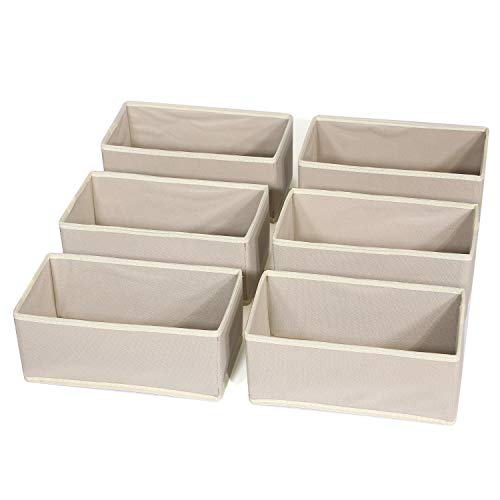 |
DIOMMELL 6 Pack Foldable Cloth Storage Box Closet DresserDIOMMELL | Budget pick | 6-pack collapsible fabric bins · 11" x 5.5" x 4.7" | $21.99
Price as of 26 Sep 2026
|
View |
 |
SpaceAid Bamboo Drawer Dividers with Inserts and Labels,SpaceAid | Our pick | Expandable 17"-22" bamboo dividers · 9 inserts · labels | $22.37
Price as of 26 Sep 2026
|
View |
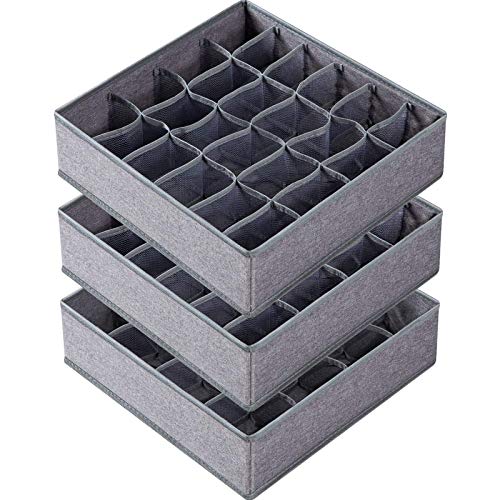 |
Criusia 3 Pack Sock Underwear Drawer Organizer Dividers, 64Criusia | Also great | 3-pack 64-cell PPT fabric dividers · 12.5" square | $14.98
Price as of 26 Sep 2026
|
View |
 |
Welaxy Desk Drawer organizers tray Felt storage binsWelaxy | Pair with it | 8-piece recycled felt trays · multi-size desk organizers | $19.99
Price as of 26 Sep 2026
|
View |
Start with fit, then sort by storage style. In a cramped room, I want the piece that clears the bed, the closet, and the walking path first, because looks do not help when drawers jam against the frame.
For a shopper comparing these picks, depth and stability matter as much as drawer count. I have seen a dresser look slim in photos and still fail when its door swing, pull-out space, or top-load use does not match the room.
According to 12 Best Dressers for Small Bedrooms That Maximize Space — Wayfair’s Maud dresser top can hold up to 130 lbs.
How we chose
The selection leans on footprint first, because a dresser that crowds the room stops being useful quickly. Width, depth, and height all matter, but depth is the failure point most buyers miss.
Drawer quality, anti-tip protection, and top-surface utility came next. We also separated fabric, engineered wood, and bamboo-style organizers by use case, since the right material changes how the piece wears, moves, and fits visually.
One more filter mattered: setup cost. A dresser that needs an anti-tip kit, mirror, lamp, or liners may cost less at checkout and more in practice if those extras are ignored.

Best dresser organizers for small bedrooms
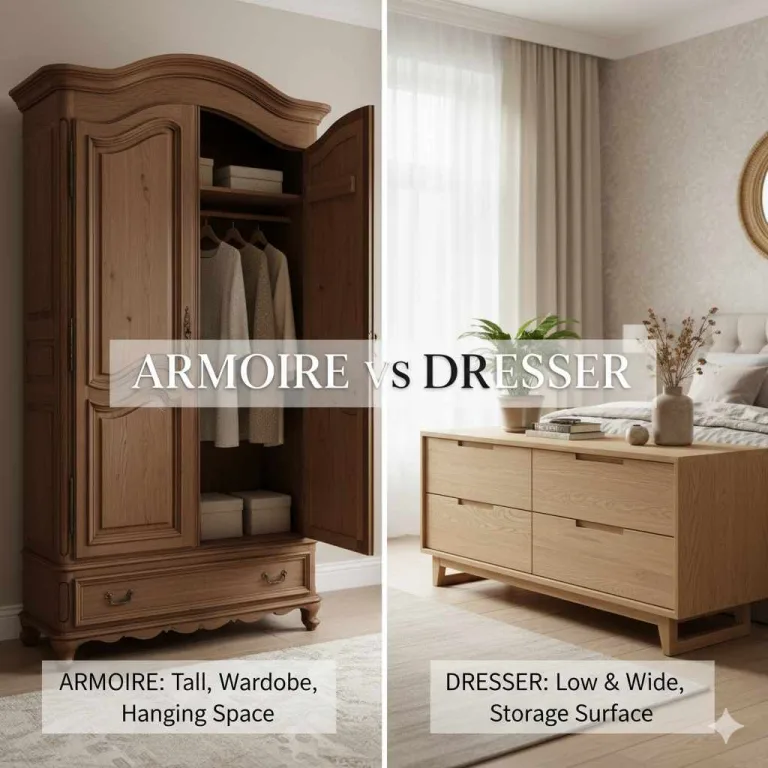
The best dresser organizer for a small bedroom is the one that fits the room before it fills the room. Tall narrow chests usually win on storage per square inch, but shallow wood dressers and compact 3-4 drawer units can be better when wall space is wider or top-surface use matters.
Small bedroom fit checklist
Measure the room first, because a dresser that looks right on paper can still fail in the room. A good fit leaves room to walk, open drawers fully, and keep closet doors and bed corners from colliding with the dresser.
Room width, walkway clearance, and bed-side spacing
Use this simple threshold set before buying. For a small bedroom, a dresser works best when it leaves at least 24 inches of walkway clearance in the main path, 18 inches beside the bed if that side must be used regularly, and enough open wall to avoid pinching the room visually.
As a practical rule, a dresser that crowds the bed edge makes daily use annoying fast. If the room has two traffic lines, measure both, not just one.
Drawer pull-out space and closet-door swing zone
Drawer pull-out space needs to be more than the drawer front depth. Leave the full drawer extension plus several inches so hands can reach in without the drawer hitting the bed, a door, or another piece.
Closet doors fail more often than buyers expect. If a dresser sits inside the closet-door swing zone, even a shallow piece can block access or force the door to open awkwardly around it.
When a dresser is too deep, too wide, or too tall
Too deep means drawers cannot open fully without collision, especially near the bed. Too wide means the piece steals walking space and visually dominates the room. Too tall means the top becomes harder to use and the unit can feel top-heavy unless it is anchored.
The best small-room dresser is often the one that leaves clearance on all sides, not the one with the largest drawer count.
Tall narrow chest: best for vertical storage
A tall narrow chest is best when floor space is tight and the wardrobe is mostly folded clothing. It gives more storage per square inch than a wide dresser, and it is often the cleanest answer for corners, short wall runs, and rooms that need walking space more than surface area.
Best for narrow rooms and larger folded wardrobes
This style fits especially well in rooms where the dresser must live beside a bed or inside a narrow wall gap. If the drawer load is mostly tees, socks, sleepwear, and undergarments, the vertical stack usually stores more without spreading across the floor.
One useful comparison point: IKEA lists one dresser at 27 1/2×18 7/8×52 inches, while its BRIMNES 4-drawer dresser measures 30 3/4×18 1/8×48 7/8 inches. Those sizes show how a tall profile can keep width under control while still giving useful capacity.
Anti-tip hardware and stability notes
Anti-tip hardware matters here because height raises the consequences of a tip-over. IKEA says some dressers are designed to meet the US Federal Stability Standard, which is the kind of detail small-bedroom shoppers should look for when the unit sits near children, pets, or a heavily used walkway.
Wall mounting should be treated as non-negotiable for taller pieces in active homes. If the chest can accept included hardware, use it. If it does not, add a proper wall-mount kit before loading the drawers.
When a tall chest feels cramped
Tall chests can feel cramped in rooms with low ceilings, sloped walls, or a narrow path beside the bed. They also ask more from the user: higher drawers are less convenient for daily items, and the top can look cluttered fast if overused.
If the room already feels crowded, a tall chest may solve storage while making the room feel visually heavier. That is where legs, light finishes, and simpler fronts help.
DIOMMELL fabric bins: best for renters and tight budgets
This set is best for renters, temporary rooms, or anyone who needs lightweight drawer-style sorting without committing to a heavy piece of furniture. Based on the spec sheet and owner feedback patterns, the six collapsible bins are useful for underwear, socks, accessories, and other small categories.
Its biggest strength is flexibility. The 11″ x 5.5″ x 4.7″ size and fold-flat construction make it easy to move, store, or reconfigure when the bedroom layout changes.
The drawback is rigidity. Fabric bins do not give the same structural support, top-surface utility, or long-term shape retention as wood or steel-frame options, so they work best inside a closet, on a shelf, or inside a deeper dresser cavity.
SpaceAid bamboo dividers: best for drawer organization
This organizer is best for people who already own a dresser and need the inside of each drawer to work harder. The expandable 17″-22″ bamboo dividers and inserts are a strong fit for socks, accessories, and mixed small items that tend to drift around.
The spring-loaded design and non-slip pads help keep the layout stable, and the labels make sorting simple. Bamboo also reads cleaner than plastic in a visible drawer.
The drawback is that it organizes rather than stores. If the dresser itself is too small or too deep for the room, dividers will not solve the layout problem; they only make the available drawer space more efficient.
Fabric drawer dresser tower: best for renters and tight budgets
Fabric drawer towers are the best budget-friendly option when the bedroom is temporary, the floor plan changes often, or the dresser needs to be moved without hassle. They are usually lightweight, often under 12-inch depth, and easy to place in closets, corners, or dorm-style rooms.
They work especially well in kids’ rooms, guest rooms, and rental spaces where drilling into the wall may be limited. For light folded clothing, underwear, and seasonal items, the convenience is hard to beat.
Under-12-inch depth and lightweight frame
A fabric tower’s narrow depth is its main selling point. That slimmer front-to-back profile helps in rooms where a full wood dresser would crowd the bed or block a closet line.
Lightweight construction also matters during move-in and rearranging. If the room layout changes often, a heavy chest can become a burden instead of a storage solution.
Best for kids’ rooms, guest rooms, and temporary setups
These towers are useful when storage is needed now, but permanence is not. They can hold accessory categories cleanly, keep seasonal items separate, and give a small room a tidy look without a large visual footprint.
Their biggest weakness is durability under load. They do not usually feel as rigid as wood or steel-frame units, and the drawers can sag if overfilled.
Where fabric drawers fall short on rigidity
Fabric drawers are not ideal for heavy folded denim, bulky sweaters, or anything that benefits from solid glide hardware. They also offer less protection from dust and impact, especially if the frame flexes over time.
If the top needs to support a lamp, mirror, or daily-use tray, check the frame carefully. Many fabric towers are better treated as supplementary storage than as the room’s main dresser.
Shallow-depth wood dresser: best for a polished small room
A shallow-depth wood dresser is the strongest choice when the room needs a cleaner look, better rigidity, and usable top space without excessive bulk. The 15.55-18 inch depth range is especially useful because it often leaves better pull-out and walkway room than deeper chests.
This is the right path for buyers who want the dresser to feel like furniture, not a storage bin. It suits bedrooms where the dresser is visible from the bed and has to look calm, not crowded.
Why the 15.55-18 inch depth range matters
Talk of the House recommends shallow depths under 18 inches for small bedrooms, and that range matches the practical limits seen in tighter rooms. A dresser in this band is less likely to block doors, clip the bed, or force awkward sidesteps.
Wayfair’s Maud modern 6-drawer dresser has a shallow 15.55-inch depth, which is the kind of spec that works well when floor space is limited and the room needs better circulation.
Drawer glides, durability, and top-load limits
Drawer glides matter because shallow pieces get used often. Metal slides and ball-bearing glides usually open more smoothly and hold alignment better than loose, low-cost runners, especially when drawers are loaded with daily clothing.
The top-load limit matters too. Wayfair’s Maud dresser top can hold up to 130 lbs, which makes it a more plausible candidate for decor, a lamp, or even light TV use than a flimsy top with no stated capacity. By contrast, some dresser tops are best kept to a lamp and a mirror only.
Best for TV stand or vanity use
A shallow wood dresser can double as a TV stand or vanity if the top is wide enough, deep enough, and rated for the load. It also needs stable construction so the screen or mirror does not wobble every time a drawer opens.
That said, TV use is not automatic. Check depth, top load, and cord clearance before assuming the dresser can do both jobs well.
Criusia fabric dividers: best for minimalist drawer sorting
This set is best for sleepers, dressers, and shared closets where the goal is to stop small items from mixing together. The 64-cell layout is useful for socks, underwear, ties, and other compact items that disappear in open drawers.
The machine-washable fabric is a practical advantage in busy bedrooms, especially where hygiene and dust control matter. It is also a good fit for people who want order without changing the dresser itself.
The drawback is obvious: it organizes contents, but it does not solve a low-capacity dresser or a poor room layout. A shallow drawer packed with dividers can still become hard to use if the dresser is too small.
Compact 3-4 drawer dresser: best for minimalist storage
A compact 3-4 drawer dresser is the best choice when the room needs a small footprint and a cleaner visual line. It gives enough storage for daily clothing, sleepwear, and accessories without asking for the floor area of a larger chest.
It is especially useful in minimalist rooms, small guest rooms, or bedrooms where the dresser top needs to stay visually quiet.
Small footprint with mixed drawer heights
Mixed drawer heights can be surprisingly useful. Smaller top drawers handle accessories and undergarments, while deeper lower drawers take folded tees or lounge wear.
This makes the dresser more flexible than a single-height tower, especially for households that want one piece to cover several item types without looking oversized.
Best for a lamp, mirror, and a few daily items on top
A compact dresser often works well as a top-surface base for a mirror, small lamp, and a tray for daily carry items. Light finishes and legs help the piece feel lighter in the room, especially against a small wall.
Handleless fronts can also reduce visual clutter, though they should still open cleanly and feel durable over time.
When a short-wide dresser is the better fit
A short-wide dresser is better when the room has a longer wall run than vertical space. It can also be a smart choice if the user wants a broader top for a mirror, TV, or styling area and does not need a tall chest.
The tradeoff is footprint. Wide units often store well, but they can crowd the room faster than a tall narrow option.
Material and construction tradeoffs

Material choice changes how a dresser behaves in a small room. Solid wood usually feels heaviest and most rigid, manufactured and engineered wood can be more budget-friendly and lighter, fabric is easiest to move, and steel-frame pieces often offer a good mix of weight savings and structure.
The wrong material can make a small room feel more crowded than the dimensions suggest. A visually heavy finish or bulky frame can matter almost as much as the size itself.
Solid wood, manufactured wood, engineered wood, fabric, and steel frame
Solid wood is typically the most durable-feeling option, but it can be heavier and cost more. Manufactured wood and engineered wood can look polished in a small room, though they depend more on build quality, joinery, and glide hardware to stay solid over time.
Fabric works best where portability matters. Steel-frame pieces can be a good middle ground for renters or secondary rooms because they often stay lighter while still feeling sturdier than soft-sided towers.
Drawer glides, rigidity, and wear
Metal slides and ball-bearing glides are worth paying attention to because they affect daily friction. A drawer that opens cleanly is less annoying, wears better under repeated use, and usually feels more dependable when fully loaded.
Rigidity also matters for longevity. A dresser that sways or racks when opened is more likely to feel cheap, even if the finish looks good from across the room.
Surface weight capacity and top-surface use
Surface weight capacity should be checked any time the top may hold a TV, mirror, lamp, or stacked decor. A number like Wayfair’s 130 lbs for the Maud top gives a useful signal, but buyers still need to think about how the load is spread and whether the dresser is anchored.
If the top will carry only a lamp and a tray, the requirement is modest. If it will hold a TV, the safety and stability bar rises quickly.
Which one should you buy
Choose the tall narrow chest if the room is tight and most clothing is folded. Choose the shallow wood dresser if the room needs a polished look, safer depth, and a stronger top for decor or light TV use. Choose fabric if the budget is tight, the room is temporary, or mobility matters more than rigidity.
Pick by budget, room width, wardrobe type, and safety needs
If the budget is lowest, a fabric tower or fabric bin set can buy time and organization without a large commitment. If the room width is limited but height is available, a tall narrow chest is usually the most storage per square inch. If kids or pets are around, anchored construction and anti-tip hardware move to the top of the list.
For broader walls, a compact 3-4 drawer dresser can work well if the top must serve daily life. For the narrowest rooms, anything deeper than the path allows is the wrong buy, no matter how many drawers it has.
Simple worksheet: tall, wide, or fabric
- Sort your items into three groups: mostly folded clothes, mostly small accessories, or mixed light items.
- If folded clothes are the main load, choose tall storage first.
- If the room has a long wall and the top must hold a lamp or mirror, choose wide or shallow wood storage.
- If the dresser may move, the lease is temporary, or the budget is tight, choose fabric storage.
- If children, pets, or a heavy top load are part of the room, require anti-tip hardware or wall mounting.
Frequently asked questions
What type of dresser is best for a small bedroom?
The best dresser for a small bedroom is usually a tall narrow chest or a shallow wood dresser, depending on the wall layout. Tall units save floor space, while shallow units reduce crowding near the bed and closet. The right choice depends on drawer access and room clearance, not just drawer count.
How wide should a dresser be for a small bedroom?
Width should be chosen after measuring the walking path and nearby doors. A dresser works best when it leaves at least 24 inches of usable walkway and does not pinch the bed side or closet zone. In tight rooms, a narrower chest often functions better than a wider one with more drawers.
How deep should a dresser be in a small bedroom?
Depth should usually stay shallow enough to keep drawers opening cleanly and to avoid blocking the bed or closet. A 15.55-18 inch depth range is a practical target for many small bedrooms, and anything deeper should be checked against drawer pull-out space and door swing before buying.
Are tall dressers better than wide dressers in small spaces?
Tall dressers are often better when floor space is the main limit, because they store more without taking a long wall run. Wide dressers work better when the room has horizontal space and the top needs to serve as a vanity, TV stand, or display surface. The better option depends on the room shape.
What is the best dresser style for a narrow bedroom?
The best style for a narrow bedroom is usually a tall narrow chest or a shallow dresser with a clean front and legs. Both reduce visual bulk and improve movement around the bed. Avoid deep, wide pieces that cut off the walkway or block closet access.
How do I maximize storage in a small bedroom dresser?
Use drawer dividers, sort items by category, and match drawer size to the wardrobe. Deep drawers should hold bulky folded clothes, while shallow drawers are better for socks, underwear, and accessories. If the dresser top must do double duty, keep the surface load light and anchored where needed.
Should I choose a fabric dresser or a wood dresser for a small room?
Choose fabric if the room is temporary, the budget is tight, or portability matters more than strength. Choose wood if the dresser must act as the room’s main storage, support a lamp or TV, or stay stable over years of use. Wood usually wins on rigidity; fabric wins on convenience.
What dresser features matter most for kids or pets?
Anti-tip hardware matters most, followed by stability, wall mounting, and drawer quality. A dresser that meets stability standards or includes anchoring hardware is safer in active homes. Avoid top-heavy pieces that can tip if a child climbs or a pet bumps into an open drawer.
Can a dresser also work as a TV stand or vanity in a small bedroom?
Yes, but only if the top is deep enough, the load rating is suitable, and the dresser is stable. A shallow wood dresser with a stated top capacity can work well for a lamp, mirror, or light TV setup. Check cord space, height, and anchoring before treating it as a dual-use piece.
Products related to this article
Sponsored / affiliate links. As an Amazon Associate I earn from qualifying purchases. I may earn additional commission from eligible campaigns.