Dresser with Doors vs Dresser with Drawers: Which Fits?
Choose a dresser with doors for bulky or mixed items, and a dresser with drawers for clothes you need fast. If most of your storage is daily wear, drawers usually win. Pick the wrong type and you lose time, lose access, or end up with cluttered shelves and jammed fronts. This guide compares access, capacity, room fit, and best uses for adults’, kids’, shared, and small bedrooms.
This guide is part of our Dresser care and maintenance guide series.
| Decision factor | Dresser with Doors | Dresser with Drawers | Winner |
|---|---|---|---|
| Best storage layout | Open shelves behind doors; good for mixed or bulky items | Separate pull-out compartments; good for folded clothing | Depends on item type |
| Access speed | Slower, because you open a door and sort through a shelf | Faster, because each drawer separates a category | Dresser with Drawers |
| Visual clutter control | Strong, because contents stay concealed | Moderate, because the front is divided into visible drawer faces | Dresser with Doors |
| Room fit | Often better in tighter width, especially on taller pieces | Often better when you have width for a low, wide profile | Depends on footprint |
| Top-surface usefulness | Usually less central if the unit is taller | Often strong, since a dresser top can hold decor or a mirror | Dresser with Drawers |
Dresser with doors vs dresser with drawers: the core trade-off


The main tradeoff is usually easier access versus more concealed storage. Drawers split items into quick-reach categories, while doors hide shelves or compartments that fit bulkier, mixed, or less-used storage. A dresser is usually a low, wide piece with multiple open-front drawers; a door-front unit works more like a cabinet.
What drawers do best
Drawers often suit folded clothing you reach for frequently, such as socks, shirts, underwear, and sweaters. Each drawer slides out from the front, so you can sort by category and grab one item without moving the rest. That makes them the better fit for daily wear and for a simple, repeatable system.
What doors do best
Doors work well when the storage load is mixed or bulky. Bedding, linens, seasonal items, and even electronics or decor can sit behind shelves without needing a dedicated drawer for each category. Doors also hide visual clutter better than open drawer fronts.
Where the choice breaks down
The downside of doors is dead space when shelf height does not match the item stack. The downside of drawers is wasted vertical room when a drawer is too shallow for bulky blankets, or when too many narrow drawers slow sorting. Hybrids solve some of that by combining both layouts.
📊 IKEA lists an 8-drawer dresser at 63×37 3/4 inches. Source: Dressers and Chest of Drawers – Affordable and Modern.
How dresser and cabinet terms differ in retail listings
Retail wording is inconsistent, so the same storage piece may carry different labels across stores. A dresser, chest of drawers, and bureau are often used interchangeably, while cabinet and armoire usually point to door-front storage with shelves or compartments. That naming difference matters when you compare product pages.
Dresser, chest of drawers, and bureau
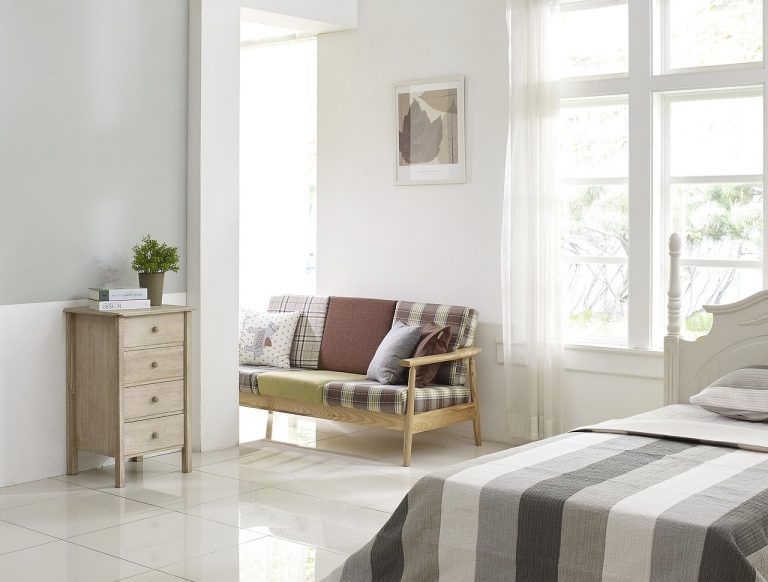
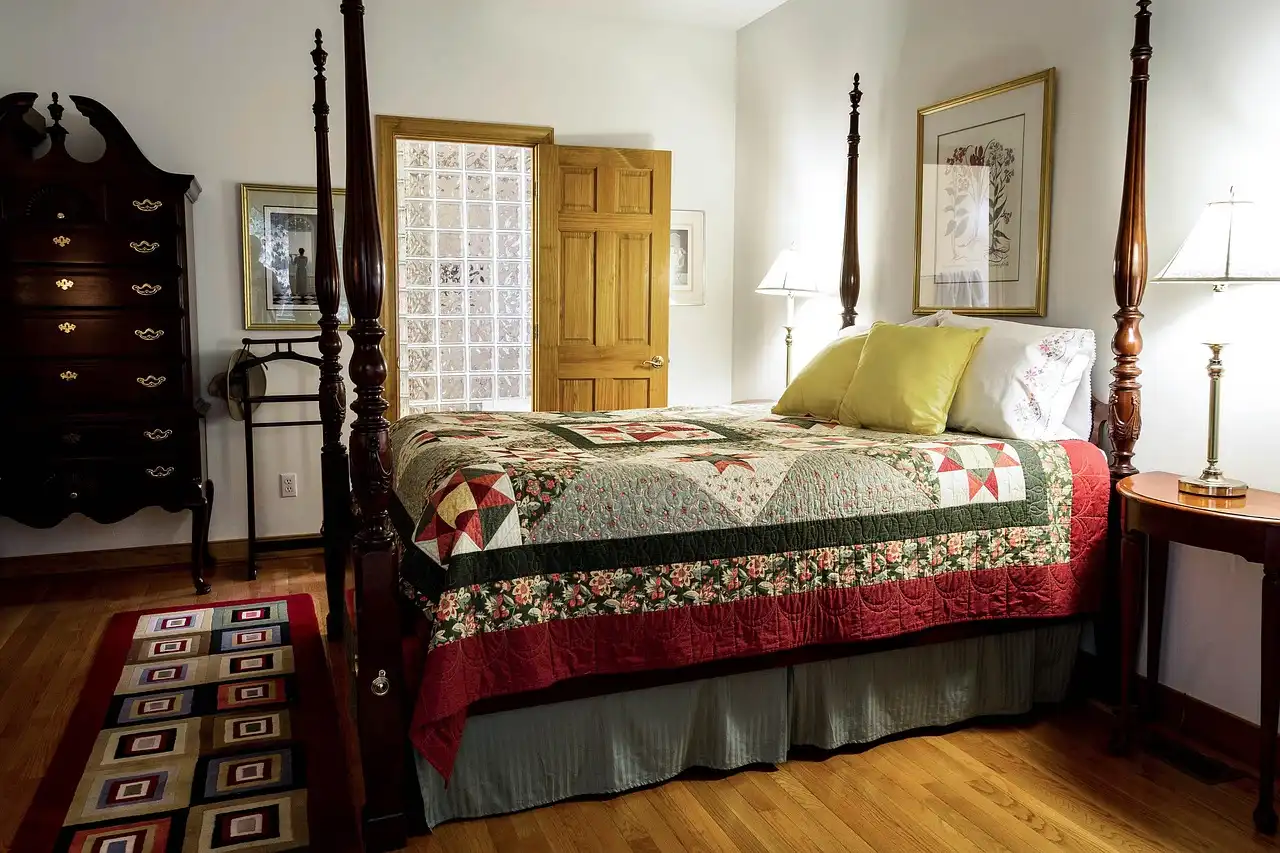
A dresser is the family name for low, wide bedroom storage, often used for folded clothing and a flat top surface. A chest of drawers is commonly a retail synonym, though it may be vertical or horizontal. Bureau is another older term shoppers still see in listings, especially when the piece is drawer-focused.
Cabinet and armoire
A cabinet uses doors that open to shelves, and cabinets are typically taller and narrower in comparison pages. An armoire is typically a tall, cabinet-like storage piece with closet-style concealed storage. Both terms usually signal hidden shelf storage rather than category-by-category drawers.
Hybrid pieces with doors and drawers
Some dressers combine drawers and shelves, which is useful when one side of the load is clothing and the other side is bulky or mixed storage. These hybrids are a separate category, not a vague middle ground. They work best when you need one piece to handle folded wear plus items that do not stack neatly.
Which storage layout fits your items?
Match the layout to the thing you store most often. Drawers suit daily clothing and small categories that benefit from separation, while doors suit bedding, linens, mixed household storage, and larger pieces that are easier to place on shelves. The wrong format usually shows up as wasted height, clutter, or hard-to-reach items.
Daily clothing and undergarments
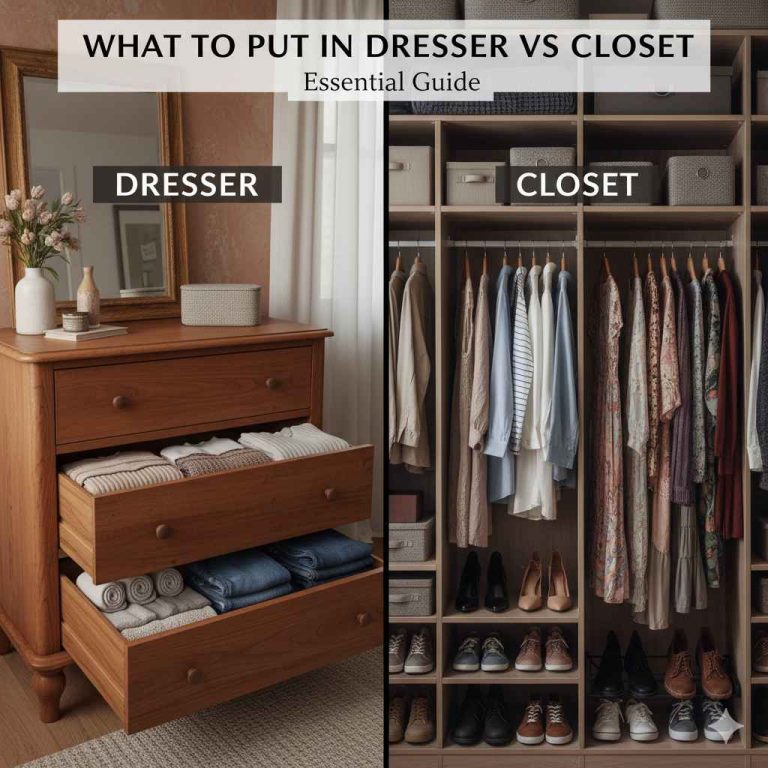
For socks, shirts, underwear, and sweaters, drawers are the cleaner fit. The front-loading format lets you keep categories separate and reach them quickly, which matters when the same items are opened every day. A dresser with lots of drawers can help if you want one drawer per category.
Bulky bedding and linens
Bulky bedding is usually easier to store behind doors on shelves. Blankets, extra pillows, and sheet sets do not always fit neatly into shallow drawers, and forcing them into drawers can waste space or make the front hard to close. A cabinet-style interior gives those items room to stack.
Mixed household storage and accessories
Doors are the safer choice for mixed storage such as chargers, guest linens, hobby supplies, or spare decor. When items vary in shape, a shelf or compartment keeps them hidden without demanding perfect folding. That is why cabinets and armoires are often used for more than clothing.
How room size and footprint change the choice
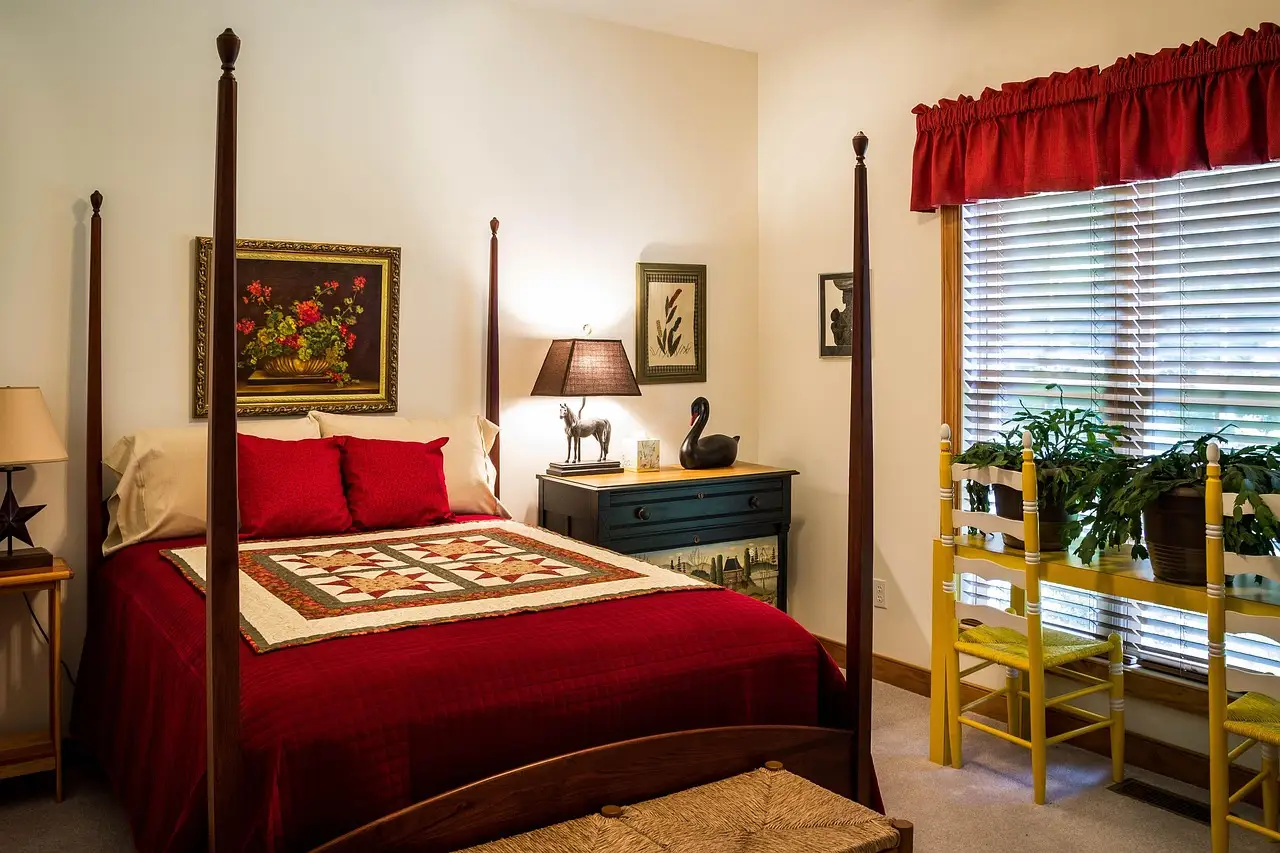
Room fit is not only about style. Width, height, depth, and the space needed for opening fronts can decide whether a dresser works at all. A wide dresser needs more wall space, while a taller cabinet or armoire can save floor width but may feel visually heavier in a small room.
Width, height, and depth to compare
Dressers are typically larger and wider than cabinets, while cabinets are taller and narrower in the comparison page. That means a dresser often spreads storage across more floor width, and a cabinet stacks storage upward. If your wall is short but the room has ceiling height, a cabinet shape can fit better.
Clearance for drawer pull-out and door swing
Drawers need front clearance so they can open fully on slides. Doors need even more planning if they swing into a bed frame, nightstand, or walkway. In a cramped room, either front action can create a pinch point, so measure the open zone, not just the footprint.
Small bedrooms, shared rooms, and tighter corners
In small bedrooms, the best piece is often the one that fits without blocking movement. Shared rooms benefit from drawers when each person needs a defined section; doors can work better when the goal is to hide one shared supply zone. In a tight corner, a narrow cabinet or armoire may fit where a wide dresser will not.
How access frequency affects clutter control
How often you open a piece should shape the layout. Fast-reach storage works best for everyday wear and categories you touch daily. Hidden shelf storage works better for items you open less often, especially when you want the outside of the room to look orderly.
Fast-reach storage for everyday wear
Drawers cut search time because each pull-out section can hold one category. That makes them practical for adults’ weekday clothing and for kids’ clothes that need simple sorting. The more often you open the piece, the more value you get from direct drawer access.
Hidden storage for items you open less often
Doors are better when you do not need item-by-item access every day. Seasonal bedding, extra linens, and mixed storage can stay behind closed fronts without demanding a separate drawer for each stack. That hidden format also helps if you prefer fewer visible edges in the room.
Visual order versus item-by-item access
Doors win on visual order, drawers win on speed. A dresser with doors can hide a messy shelf more easily, but a drawer layout keeps the contents sorted into smaller zones. If clutter control means “keep it out of sight,” doors help; if it means “find it fast,” drawers help.
Use the decision table to score your best fit
A simple score can keep the choice practical. Start with the item type, then check room size, access frequency, and clutter tolerance. Use the table below as a one-page filter before you compare style or finish.
| Bedroom scenario | Item type | Room size | Access frequency | Clutter tolerance | Best-fit score |
|---|---|---|---|---|---|
| Adult daily dresser for folded clothes | Shirts, socks, underwear, sweaters | Medium to large | High | Low | Drawers 5/5 |
| Shared bedroom linen storage | Sheets, blankets, spare towels | Small to medium | Medium | Medium | Doors 4/5 |
| Kids’ room with simple sorting | Everyday outfits, pajamas, small accessories | Small | High | Low | Drawers 5/5 |
| Guest room with mixed storage | Linens, extra pillows, hobby items | Medium | Low | High | Doors 5/5 |
| Tight corner with both clothing and overflow items | Mixed clothing plus bulk items | Small | Medium | Medium | Hybrid 4/5 |
How to score the table
- List the three items you will store most often.
- Decide whether you open them daily, weekly, or seasonally.
- Measure the wall width, room depth, and the space needed for front swing or pull-out clearance.
- Choose drawers if speed matters most.
- Choose doors if concealment and shelf storage matter more.
Say your bedroom is 10 by 11 feet and you need one unit for T-shirts, two blankets, and a spare router. A full drawer stack may waste space on the blankets, while a door-front cabinet can hide the bulk and still leave room on top for a lamp.
Picture a child’s room where outfits are sorted by weekday. A multi-drawer dresser can help keep categories separate and make it less likely that one shelf turns into a catchall.
Choose dresser with doors if… / Choose dresser with drawers if…
Choose a dresser with doors if you need hidden mixed storage, if your items are bulky or awkward to fold, or if your room works better with taller, narrower storage. Choose a dresser with drawers if your main goal is fast access to folded clothing, clearer category separation, and a flat top for decor or a mirror.
Choose dresser with doors if…
Pick doors when bedding, linens, spare pillows, or mixed household items are the main load. Pick doors when you want to hide contents quickly, when shelf height matters more than category separation, or when you are trying to cut visual clutter in a shared bedroom.
Choose dresser with drawers if…
Pick drawers when most storage is socks, shirts, underwear, sweaters, or other folded clothing you open often. Pick drawers when the room can handle a low, wide profile, and when you want a dresser top that can hold decor, a mirror, or small electronics.
When a hybrid piece is the better answer
Choose a hybrid when one storage zone needs quick clothing access and another needs hidden shelf space. That setup is useful for adults, shared rooms, and guest spaces where a single unit has to manage both daily wear and overflow items without forcing everything into one layout.
Frequently asked questions
dresser vs chest of drawers difference
The difference is often wording rather than function. A dresser is the broader bedroom term, while chest of drawers may describe the same category in a more literal way. Shoppers should focus on dimensions, drawer count, and whether the piece is wide, tall, or mixed with shelves.
what is a dresser drawer
A dresser drawer is a pull-out compartment that opens from the front on slides. It is used to separate clothing or other small categories so you can reach items quickly. That layout is the reason drawers work well for socks, shirts, underwear, and sweaters.
cabinet doors vs drawers
Cabinet doors conceal shelves or compartments behind a front panel, while drawers separate storage into pull-out sections. Doors are better for bulky or mixed items; drawers are better for folded clothing and fast access. The choice usually comes down to whether you need shelf space or item-by-item sorting.
dresser with doors and drawers
A dresser with doors and drawers is a hybrid piece that combines both storage styles. It is useful when you need quick access for clothing plus hidden shelf space for blankets, boxes, or mixed items. That design can be the best answer in shared rooms and guest rooms.
dresser with lots of drawers
A dresser with lots of drawers is a strong option when you want precise category sorting. Retailers such as IKEA list 3-, 4-, 6-, and 8-drawer options, and Walmart lists a 9 drawer dresser and a 6 drawer dresser. More drawers usually mean easier sorting, not always more usable bulk storage.
difference between dresser and chest drawer
“Chest drawer” is often shorthand people use for a chest of drawers, not a separate furniture type. In practice, the difference from a dresser is usually shape and naming rather than function. A dresser is commonly low and wide; a chest of drawers may be narrower or taller depending on the listing.
Products related to this article
Sponsored / affiliate links. As an Amazon Associate I earn from qualifying purchases. I may earn additional commission from eligible campaigns.