Wood Dresser vs Laminate Dresser: Which Lasts Longer?
Choose solid wood if you want the dresser to be easier to sand, repair, and keep using for a long time; choose laminate if you want less upkeep, better stain resistance, and steadier performance in humid or high-traffic rooms. Pick wrong and you invite swollen edges, peeling surfaces, stuck drawers, or a piece that costs less to replace than fix. This guide compares failure modes, upkeep, repair options, lifespan, and which rooms each material handles best.
This guide is part of our Dresser care and maintenance guide series.
| Decision factor | Wood Dresser | Laminate Dresser | Winner |
|---|---|---|---|
| Upfront cost | Usually higher because the visible structure is real wood | Usually lower because the surface is synthetic and the core is often MDF | Laminate Dresser |
| Repairability | Can often be sanded, stained, painted, or patched depending on finish and damage depth | Limited repair paths; chips, peeled edges, and swollen spots are hard to hide well | Wood Dresser |
| Moisture tolerance | More sensitive to standing water and finish failure | Better at routine wipe-downs, but edge damage and exposed cores still hate water | Laminate Dresser |
| Scratch and dent behavior | Can scratch or dent, but surface damage may be repaired on many finishes | Resists everyday wiping well, yet scratches, chips, and corner dents can stay visible | Wood Dresser |
| Lifespan potential | Longer if the joinery, finish, and drawer hardware are decent | Depends heavily on the MDF core, edge banding, and fastener quality | Wood Dresser |
Wood dresser vs laminate dresser: what changes in daily use


The trade-off is simple: a repairable body versus a lower-maintenance face. In my own installs, a solid wood dresser gives more room to fix wear later; a laminate dresser asks less during daily cleaning, especially in busy rooms with spills, fingerprints, and damp hands.
Where veneer fits between solid wood and laminate
Veneer furniture sits between the two. It uses a real hardwood layer less than 1/8 inch thick over a core, so the surface can look more like wood than printed laminate, but its repair limits depend on how thick that outer layer is and what sits underneath.
That middle position matters because buyers often assume “wood” means solid wood. It does not. A veneer dresser may behave more like a core-based product when it is damaged at an edge or around a screw hole.
According to Wood – Wikipedia — In 2023, almost 4 billion cubic meters of wood were harvested. (source)
What counts as solid wood, laminate, and veneer?
Solid wood dresser means the visible structural parts are made from wood, not a printed surface over a substrate. Wood is a natural composite of cellulosic fibers and lignin-based matrix, and wood is found as xylem in stems and roots of trees and woody plants. Humans have used it for furniture since prehistoric times.
Solid wood dresser: what is solid, what is not
Solid wood is not the same as a wood-colored finish. A dresser can have solid wood drawer fronts or trim and still use a different material for the back panel or drawer bottom. That is why inspection matters more than the sales label.
Laminate dresser: printed surface over an MDF core
Laminate dresser construction usually means a synthetic surface over a core, and laminate furniture often uses MDF as a core material. MDF affects screw-holding and repairability, so the dresser can be clean-looking while still being vulnerable where hardware pulls on the substrate.
Laminate is generally the least expensive of the three main furniture types. In furniture terms, it buys a finished look at a lower entry price, not the same repair path as wood.
Veneer furniture: thin hardwood layer over a core and why it matters
Veneer furniture can give you real wood grain at the surface with less solid wood underneath. The upside is appearance and better control of cost; the downside is that deep scratches or sanding-through damage can expose the core quickly.
Which dresser lasts longer, wood or laminate?
Wood dresser construction often lasts longer when the joinery, finish, and drawer hardware are decent, because the material can usually be refinished and many surface repairs can be made. Laminate dressers can fail first at edges, corners, fastener points, and swollen panel sections if moisture gets into the core.
How solid wood wears over years of opening drawers, moving, and seasonal change
Solid wood can move with seasonal humidity, but good construction handles that movement better than a weak core panel. The common long-term issues are finish wear, corner dents, and loose screws if the hardware was poorly mounted from the start.
Most hardwood floors last decades when properly maintained, which is not a dresser statistic, but it does show how long hardwood can perform under the right care. The dresser’s life still depends on construction, not the species name alone.
How laminate fails first: edge peel, chips, and swollen panels
Laminate usually fails at the spots that take impact or water first. The face may clean easily, yet a chipped corner, peeling edge banding, or swollen drawer side can move a dresser from “fine” to “toss it” quickly.
That failure pattern is why laminate can look new longer than it can function well. Once moisture enters the substrate, the damage often spreads rather than disappears.
Why hardware mounting and core quality often decide lifespan
Drawer slides, side screws, and back-panel fasteners tell you a lot about lifespan. If the hardware is anchored into weak material, repeated opening and closing will loosen it, and the dresser starts to rack, stick, or wobble long before the surface wears out.
Core quality matters as much as the visible finish. A better-made laminate dresser can outlast a poorly joined wood dresser, but that is a construction win, not a material one.
Are laminate dressers easier to clean and maintain?
Yes, laminate dressers are usually easier to wipe clean day to day, especially for dust, fingerprints, and light spills. But easy cleaning is not the same as easy ownership if water gets into seams, edges, or exposed core material.
Daily cleaning differences: dust, fingerprints, and spills
Laminate surface cleanup is simple because the top is nonporous and forgiving of routine wiping. Wood can need more care if the finish is delicate, and cleaners that are too wet or too harsh can dull the surface over time.
For both materials, wipe-dry habits matter. Sitting liquid is the enemy, especially around drawer edges and top seams where finish damage starts first.
Moisture resistance and standing water risk on tops and drawer edges
Standing water is where laminate can surprise buyers. The top may resist a quick spill, but the edge banding, cutouts, and underside joins are more vulnerable, and once moisture reaches MDF, swelling is hard to reverse.
Solid wood is also moisture-sensitive, just in a different way. It can cup, stain, or lose finish protection, but it is often more repairable after the fact.
Maintenance habits that extend either material’s life
- Wipe spills immediately instead of letting them sit.
- Keep humidifiers, windows, and laundry steam away from the dresser top if possible.
- Check drawer slides and screws every few months.
- Use felt pads or soft stops where drawers slam.
How do scratches, dents, and repairs compare?
Wood has the better repair path, while laminate usually has the easier wipe-down. For visible wear, that trade-off matters more than the label on the front panel. Once laminate chips or peels, the fix is often cosmetic at best; once wood dents or scratches, the fix is often practical.
Scratch and dent resistance on tops, corners, and drawer fronts
Laminate does fine against casual cleaning and light surface wear, but corners chip, and scratches can cut through the printed layer. Solid wood can dent, yet those dents may be less alarming because the surface underneath is the same material and not a printed film.
Kids and pets can change the equation quickly. A dropped toy, a shoe corner, or a hard pull on a drawer front can be a small event on wood and a permanent chip on laminate.
Refinishing and repair options for solid wood
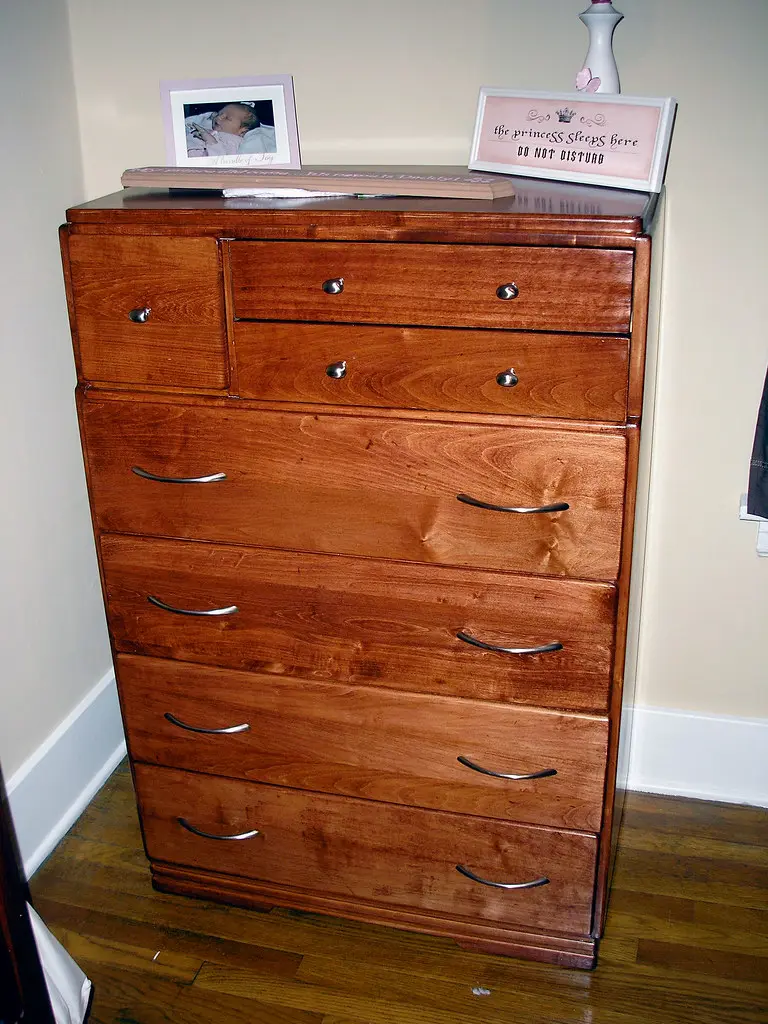
A solid wood dresser can often be sanded, stained, or painted, depending on the finish and how deep the damage goes. Loose joinery can be tightened, worn tops can be renewed, and color changes are possible if the existing finish allows it.
That does not mean every wood dresser is a refinishing project. Some factory finishes, thin veneers on “wood” pieces, and shaped details limit sanding more than buyers expect.
What you can and cannot fix on laminate
Laminate repair is narrow. Minor edge chips can sometimes be hidden, and small scratches may be less obvious from a distance, but swollen MDF, peeled sheets, and damaged screw zones are usually permanent or expensive to disguise well.
Painting a laminate dresser is possible only with proper prep, and even then it is more of a surface change than a true repair. If the core is compromised, paint will not restore structure.
How to inspect a dresser before you buy
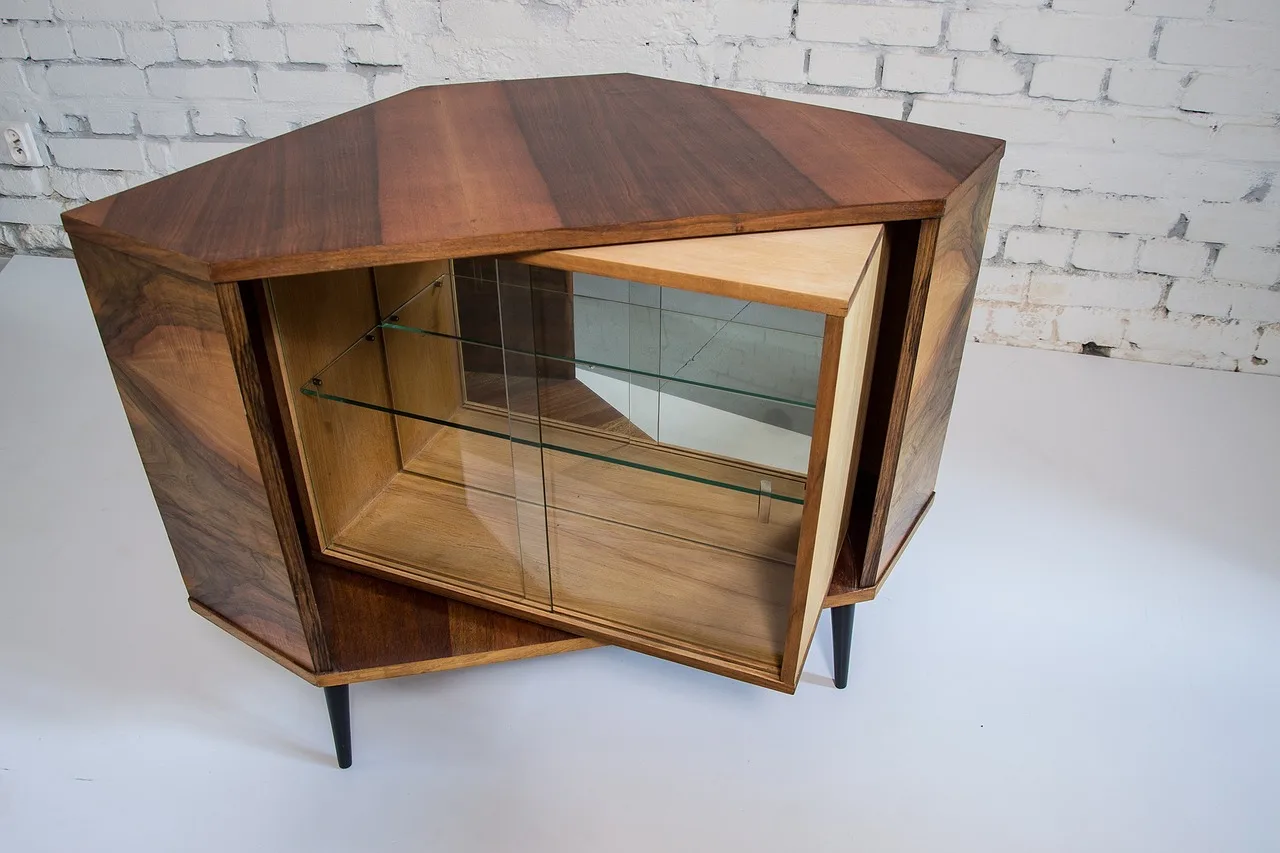
Use the same inspection whether the dresser is in-store or online. Look at the drawer underside, back panel, edge banding, screw holes, grain continuity, hardware mounting, and any moisture-risk flags in the photos. Those details tell you far more than the front image.
- Pull out a drawer and inspect the underside for raw MDF, thin panels, or solid wood construction cues.
- Check the back panel thickness and how it is attached.
- Look closely at edge banding on the top, drawer fronts, and corners.
- Inspect screw holes and hardware mounts for clean edges, not crushed material.
- Follow the grain across doors and fronts to see whether it is continuous wood or printed patterning.
- Flag any mention of moisture-sensitive core material, anti-tip hardware, or soft-panel construction in the listing.
Dresser construction checklist and room scorecard
| Inspection point | Solid wood dresser | Laminate dresser | What to prefer by room |
|---|---|---|---|
| Drawer underside | Wood grain or plywood-like construction often visible | Often MDF or fiberboard underside | Kids’ rooms: either, if slides and fasteners are strong |
| Back panel | May be wood or plywood; should feel rigid | Often thin panel on a frame or staple-fastened backing | Heavy-use dressers: rigid back preferred |
| Edge banding | Less common on solid faces; watch for finish seams | Critical; peeling edges are a warning sign | Humid rooms: avoid weak edges on laminate |
| Screw holes | Tighter hold if the wood and joinery are sound | MDF can strip faster when overloaded | Rentals: strong mounting and anti-tip hardware matter |
| Grain continuity | Natural variation, no repeated print pattern | Printed pattern may repeat or wrap unnaturally | Appearance-first rooms: veneer or solid wood |
| Moisture-risk flags | Unfinished bottoms, thin top finish, open end grain | Swollen seams, lifted corners, exposed core | Bathrooms, humid climates: laminate only if edges are strong |
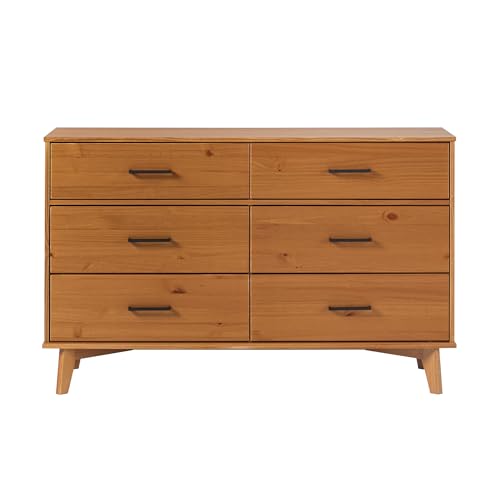
Some dresser listings include an anti-tip device, and the brand offers several drawer-count options. That kind of hardware matters because tip prevention can matter more than surface type in family rooms and bedrooms with climbing risk.
Is a wood dresser worth the extra cost?
It is worth the extra cost when you plan to keep the dresser, refinish it, or live with wear that should be repairable later. If the dresser is a long-term purchase in a dry bedroom or primary suite, wood often pays back through a longer service life and more fix options.
Cost per square foot reference and ownership context
A cost-per-square-foot reference helps frame the decision, but the benchmark is only useful as a comparison tool. Wood usually sits in a higher budget tier, veneer in the middle, and laminate at the low end; the real ownership cost includes repair time, replacement timing, and hardware quality.
For a buyer comparing two dressers that look similar on a product page, the cheaper one can become the more expensive one if it swells, peels, or loosens early. That is the hidden cost many listings do not spell out.
When the higher upfront price makes sense
Choose wood when the dresser will take daily use, move with you, or live in a room where repair matters more than wipe-down convenience. If the finish can be renewed and the joinery is solid, the value comes from years of service, not the first-day look.
Choose Wood Dresser if… / Choose Laminate Dresser if…
Choose a wood dresser if you want long ownership, repair options, and a piece that can survive scratches, dents, and finish wear without immediate replacement. Choose a laminate dresser if you want easier daily cleaning, lower upfront cost, and better tolerance for a humid room or a kid’s room where wipe-down care matters more than refinishing.
Choose Wood Dresser if…
- You want to sand, stain, or repaint the piece later.
- The dresser will stay in one room for years.
- You expect heavy daily drawer use.
- You want better repairability after dents or scratches.
Choose Laminate Dresser if…
- You need a lower-cost purchase now.
- The room gets humid and you want easy wipe-down care.
- The dresser is for a kid’s room, rental, or short-term setup.
- You care more about resisting spills than refinishing later.
Room-by-room decision guide
Kids’ rooms: laminate often wins for easy cleaning, but only if the edges, back panel, and anti-tip hardware look solid. Wood is the better call when dents and future repair matter more than first cost.
Rentals: laminate is usually the practical buy because it is cheaper to replace and easier to keep clean. Watch for exposed MDF, weak screw mounts, and thin back panels.
Humid climates: laminate can be the smarter choice if the dresser has good edge banding and protected joins, while solid wood needs better finish care and more moisture control.
Heavy-use dressers: wood is the stronger long-term choice when the hardware and joinery are built well. If the dresser will be opened constantly, moved often, or loaded with weight, repairability starts to matter a lot.
Frequently asked questions
Is a wood dresser better than a laminate dresser?
Wood is better when you want repairability, longer service life, and the option to refinish later. Laminate is better when you want easier cleaning and lower upfront cost. The right choice depends on whether you value future repair or low-maintenance use more.
Which dresser material lasts longer, wood or laminate?
Solid wood usually lasts longer because it can be repaired and renewed instead of discarded. Laminate can last a long time too, but once the edges peel, the core swells, or the hardware loosens, the practical life often ends sooner.
Are laminate dressers easier to clean than wood dressers?
Yes. Laminate usually wipes clean faster because the surface is synthetic and less absorbent. The caution is moisture at seams and edges, since standing water can still damage the core even if the top looks resistant.
Do laminate dressers scratch more easily than wood dressers?
Laminate often shows chips and scratches more clearly because the surface layer is a printed finish over a core. Wood can also scratch or dent, but many wood surfaces are easier to sand, touch up, or refinish after wear.
Can you paint or refinish a laminate dresser?
You can paint laminate, but the result is limited by the surface prep and the condition of the substrate. True refinishing is much harder than with solid wood, and swollen MDF, peeled edges, or stripped screw zones are usually not repairable in a lasting way.
How do I tell if a dresser is solid wood or laminate?
Check the drawer underside, back panel, and edges. Solid wood shows natural grain continuity and usually more honest material at cut edges, while laminate often shows a printed surface over MDF or fiberboard. In photos, repeated grain patterns and thin edge banding are strong clues.
Products related to this article
Sponsored / affiliate links. As an Amazon Associate I earn from qualifying purchases. I may earn additional commission from eligible campaigns.