Solid Wood Dresser Review: What to Check Before Buying
A solid wood dresser is worth buying when the load-bearing parts are real wood throughout, because that is where wear shows up first. If the main structure is particleboard or MDF with veneer, pass. This guide shows you how to confirm real wood, judge build quality, and compare price against construction.
Verdict and bottom line


Buy a solid wood dresser when you want a long-term piece, care about repairability, and can verify the build in person or from detailed product photos. The premium makes sense when drawer boxes are well joined, slides move quietly and smoothly, and the case uses real hardwood instead of a thin wood face over weak internals.
Value starts to slip when a dresser looks expensive but hides veneer on the panels that take stress, uses thin drawer bottoms, or relies on basic slide hardware with weak joinery. A higher price only makes sense if the construction matches it.
What a good one should deliver
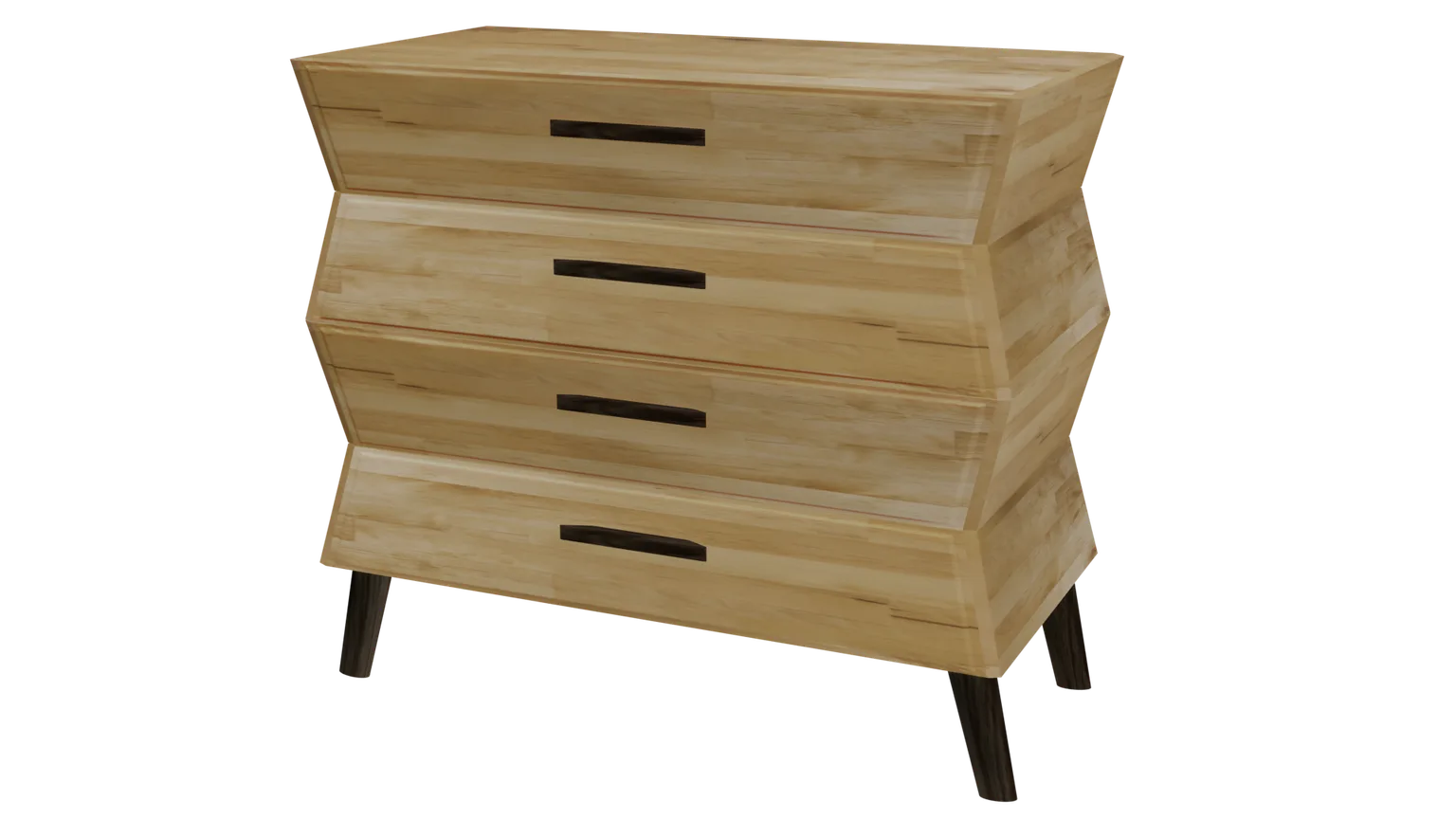
Expect visible grain, stable drawers, and a finish that stands up to daily wear without looking plastic. Walnut suits darker modern bedrooms, while cherry, maple, and oak give you different tone and grain options without giving up hardwood construction.
A well-built solid wood dresser should feel firm when you pull a full drawer, resist racking at the corners, and keep its alignment after routine use. The details that matter are drawer-box joints, case thickness, slide type, and whether the tall unit includes anti-tip hardware.
Where premium price is justified
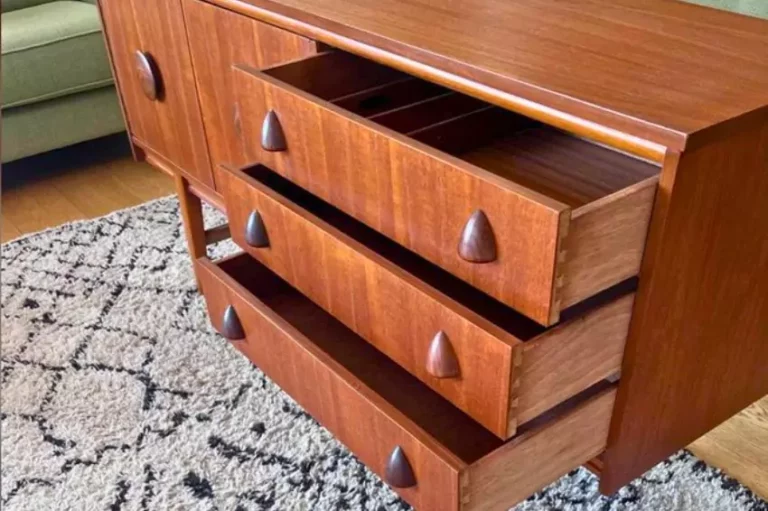
A premium price is easier to defend when the dresser uses hardwood throughout the visible structure, includes dovetail or mortise-and-tenon joinery, and ships with under-mount slides and soft-close drawers. Those parts affect daily use and long-term service, not just appearance.
Thuma’s dresser is priced at $1,185, uses repurposed solid wood, and comes in eight possible configurations from 2×1 to 5×1. The 4×2 Thuma model measures 66 inches by 19 inches by 38 inches, with each drawer measuring 30 inches by 15 inches by 5 inches.
Where the value starts to slip
Pay close attention when a dresser offers a premium look but gives little detail on drawer backs, bottoms, or panel construction. A fair price still falls short if the internals are weak enough to sag under heavy loads or loosen with seasonal wood movement.
Pros and cons
Pros
- Real hardwood construction can last longer and be repaired more easily than low-cost composite furniture.
- Natural grain gives each piece a different appearance, especially in walnut, cherry, maple, and oak.
- Dovetail joinery and mortise-and-tenon joinery support drawer strength and frame durability.
- Under-mount drawer slides usually give smoother movement and quieter use than basic side-mount hardware.
- Soft-close drawers reduce slamming and make daily use more comfortable.
Cons
- Prices run above many mass-market dressers, especially in the handcrafted and premium direct-to-consumer tiers.
- Solid wood can move with humidity changes, so poorly built pieces may show seasonal gaps or sticking drawers.
- Dark finishes can show dust, scratches, and wear more easily than lighter tones.
- Large dressers are heavy, which makes delivery, moving, and upstairs placement more difficult.
Who it’s for
This suits you if you want a dresser for a primary bedroom, need dependable drawer storage, and prefer a piece that can stay in use for years. It also fits buyers who are willing to inspect the build instead of buying by photos alone.
It is less suitable if you move often, need a very light piece for stairs or apartment turnover, or want the lowest possible upfront price. In those cases, a simpler dresser may be easier to live with.
Best fit by storage need
Choose a larger dresser if you need folded clothes storage for two people or want deeper drawers for bulkier items. A smaller footprint works better for a guest room or a compact bedroom where floor space matters more than capacity.
Best fit by room size
Measure the wall, doorway, and the turns your mover has to make before you buy. A wide dresser can crowd a narrow room, while a tall one may block art, windows, or switch plates. The right size should leave room to open drawers fully.
Best fit by moving frequency
If you move often, inspect the joints, weight, and assembly method carefully. Heavy hardwood dressers are less convenient to carry, and loose hardware can become a problem after repeated disassembly and reassembly.
Solid wood dresser inspection checklist
Use this checklist in a store or on a product page. It focuses on the parts that most often hide weak construction.
| Part | What to look for | What real solid wood looks like | Red flags | Likely consequence if it fails |
|---|---|---|---|---|
| Drawer boxes | Material, joint type, and thickness | Thicker hardwood or plywood boxes with dovetail joinery and clean corner fit | Staples, thin sides, loose corners, or vague material descriptions | Drawers sag, rack, or loosen under heavy loads |
| Drawer backs | Thickness and attachment method | Firmly attached hardwood or plywood back with clean fasteners | Very thin back panels or visible flex at the joints | Back panel movement and reduced drawer strength |
| Case panels | Whether the main body is hardwood or veneer over core material | Visible hardwood surfaces with clear material disclosure | Particleboard, MDF, or “wood veneer” language where the case should be solid wood | Swelling, edge damage, and shorter service life |
| Drawer bottoms | Thickness and support rails | Supported bottoms that sit flat and do not bow easily | Thin bottoms with obvious flex or weak support | Bottom sag and poor load handling |
| Slides | Type and extension | Under-mount slides with smooth, quiet action and full access | Rough metal tracks, loud travel, or vague hardware specs | Noise, sticking, and faster wear |
| Finish | Type and wear resistance | Even finish that follows grain and resists rubbing through at edges | Cloudiness, thin coating, or quick rub-through on handles and corners | Early finish wear and visible color loss |
| Joinery | How the frame and drawers are assembled | Dovetail joinery or mortise-and-tenon joinery with tight seams | Glue-only joints, exposed fasteners, or gaps at stress points | Loose drawers and frame movement over time |
| Anti-tip hardware | Whether a kit is included and how it mounts | Bracket or strap kit sized for the dresser and wall type | No kit, vague instructions, or a skipped installation plan | Taller dressers can tip if a drawer is opened unevenly |
How do you know if a dresser is solid wood?

You know by checking the product page, the cut edge, and the hidden parts. Real solid wood is usually disclosed by species, such as walnut, cherry, maple, or oak, while weak builds hide behind broad wording like “wood finish” or “wood grain.” The frame, fronts, and drawer boxes matter most.
On a product page, look for full material breakdowns for the case, drawer fronts, drawer boxes, backs, and bottoms. If the seller only names the top layer and skips the internals, assume there may be veneer or engineered panels hiding where you cannot easily see them.
Signs on product pages
Clear species names are a good sign. Vermont Woods Studios says its furniture is handcrafted in Vermont with premium American hardwoods, and the company says it uses cherry, maple, walnut, and oak. It also says all furniture is built without particle board, cheap veneers, or formaldehyde.
That level of detail is what you want from any seller. If the page says “solid wood” but does not identify the panels, drawer boxes, or backs, keep digging.
What to check in person
- Open a drawer and inspect the side walls, back, and bottom.
- Look at the underside and rear edges for plywood, MDF, or veneer seams.
- Check whether the drawer slides are metal under-mount units or basic side rails.
- Press on the case panels and drawer bottoms for flex.
- Check the corners for tight joinery and even gaps.
Say your dresser has walnut drawer fronts and a “solid wood” label, but the back panel feels thin and the drawer bottom bows under folded sweaters. That means the visible face may be real wood while the stress parts are not built to the same standard.
Common places veneer hides
Veneer often appears on side panels, top panels, and rear-facing areas that are easy to skim over in product photos. It can also appear on the drawer box or on the top and sides while the drawer fronts stay solid.
A common first-timer mistake is to focus only on the front face. The back, bottom, and drawer box tell you more about long-term value than the nicest-looking panel.
What wood type is best?
There is no single best wood for every bedroom. Walnut works well when you want a darker modern look, cherry fits warm-toned rooms and custom furniture, maple offers a lighter tone with strong durability, and oak gives you traditional durability with broad finish versatility.
Walnut for darker modern bedrooms
Walnut has a dark brown tone and a grain pattern that reads clean and contemporary. It pairs well with matte black hardware, pale walls, and low-contrast bedding. Make sure the finish is compatible with the color you want, since darker wood can show dust and edge wear sooner.
Cherry for warm tone and custom work
Cherry brings a warmer tone that softens a room. It is also common in custom furniture, which makes it appealing if you want a made-to-order size or a more traditional profile. Over time, cherry often deepens in color, so the room palette should work with that shift.
Maple and oak for durability and versatility
Maple gives you a lighter look and a hard wearing surface, which suits bright rooms and simpler styling. Oak is a durable classic with a more traditional grain and broad finish options, so it works in many bedroom styles without looking overly formal.
Construction details that signal quality
Construction is where a good dresser separates itself from a pretty one. Strong joinery, proper slide hardware, and a stable case are the parts that determine whether the dresser still feels aligned after years of opening heavy drawers.
Dovetail joinery and drawer strength
Dovetail joinery is a standard for strong drawer-box construction because the joint resists pull-out stress better than simple butt joints. If the drawer will carry jeans, linens, or mixed clothing, dovetails are a solid sign that the maker planned for long-term use.
Mortise-and-tenon joinery in frames
Mortise-and-tenon joinery is one of the stronger ways to join furniture frames. It helps keep rails and stiles aligned under repeated use, which matters on larger dressers where frame flex can show up over time.
Under-mount slides and soft-close hardware
Under-mount drawer slides usually give smoother travel, a cleaner look, and a longer service life than basic exposed tracks. Soft-close drawers reduce noise and make daily use more comfortable, especially in shared bedrooms or rooms where drawers open early in the morning.
Suppose a 38-inch-tall dresser sits in a shared bedroom and one partner opens the top drawer at night. Soft-close hardware will not change the wood species, but it can prevent the loud slam that makes an otherwise well-built dresser feel cheap.
Price, value, and ownership costs
Solid wood dressers usually cost more than mass-market alternatives because the materials and joinery are better, but the market is split into clear tiers. Mass-market pieces may offer the look at a lower price, premium direct-to-consumer brands add stronger materials and simpler buying, and handcrafted dressers can climb much higher.
Typical price range by tier
Thuma’s dresser sits at $1,185, which places it in the premium direct-to-consumer range. At the high end, Herman Miller lists the Nelson Thin Edge Double Dresser at $8,345 to $16,935, and its dresser category includes 14 total results.
That spread shows why price alone does not tell the whole story. A lower-priced solid wood dresser can still be a good buy if the internals are honest, while a very expensive dresser should still earn its price through materials, joinery, and finish quality.
Care products and felt pads
Plan for small ownership costs. You may need wood-safe cleaning products, felt pads under the legs, and drawer protectors or liners if you want to reduce rubbing inside the drawers. Darker finishes may also show fingerprints and dust more often, which means more routine care.
Anti-tip installation and long-term upkeep
Anti-tip hardware should be treated as standard on taller dressers, especially if the top drawers are heavy or the unit is placed on a smooth floor. Thuma says each drawer weighs about 52 pounds and the top drawers can weigh up to 65 pounds, which is enough reason to secure a tall dresser carefully.
Assembly time matters too. The same source says assembly took about 15 to 20 minutes, but even a short build still includes wall anchoring if you want the dresser to stay stable in family spaces.
What should I check before buying a solid wood dresser?
Check the species, the drawer construction, the slide hardware, the finish, and the stability hardware before you pay. Then confirm dimensions, because a dresser that fits the room but fails the inspection can still become a costly mistake.
Look for full material disclosure, not just “solid wood” in the headline. If the seller gives you only the front material and hides the case panels or drawer backs, that is a warning sign.
A quick buyer decision path
- Choose walnut if you want a darker modern look.
- Choose cherry if you want warmth and custom-furniture appeal.
- Choose maple if you want a lighter tone and strong wear resistance.
- Choose oak if you want traditional durability and broad finish options.
- Choose a smaller dresser if your room is tight or you move often.
- Choose a taller, anchored dresser if storage matters more than portability.
Is solid wood better than veneer or engineered wood for a dresser?
Yes, if your goal is long service life, repairability, and a dresser that feels stable under daily use. Veneer and engineered wood can work at lower prices, but they usually give you less margin for heavy loads, edge wear, and repeated movement.
That said, solid wood is only better when the build is honest. A dresser with solid fronts and weak internals can still fail early if the drawer boxes, backs, and bottoms are thin or poorly joined.
Where the difference matters most
The biggest gap shows up in drawer load, frame stability, and edge damage. Real hardwood usually handles repair and refinishing better, while veneer is easier to chip and composite panels can swell if moisture gets into the core.
Frequently asked questions
How much should a solid wood dresser cost?
Price depends on species, joinery, finish, and brand tier. A premium direct-to-consumer dresser can sit around $1,185, while high-end designer pieces can run far higher. If the seller cannot explain the wood species, slide type, and drawer construction, the price is harder to justify.
Do solid wood dressers need special care?
They do not need difficult care, but they do need consistent care. Use wood-safe cleaners, keep liquids off the finish, and wipe dust from corners and drawer edges. Felt pads and drawer liners can reduce wear, and a dry room helps limit seasonal movement.
What makes a dresser feel high quality and durable?
Tight joinery, smooth under-mount slides, thick drawer boxes, and an even finish matter most. A high-quality dresser also feels stable when you pull a heavy drawer open, and it should include anti-tip hardware if the unit is tall or top-heavy.
Are modular solid wood dressers worth it?
They can be, if you need flexibility in storage layout or room size. Modular options like the 2×1 to 5×1 range let you tailor width and drawer count, which helps in smaller bedrooms or changing spaces. Check that the connectors and internal support are still sturdy.
What wood type is best for a dresser in a bedroom?
Walnut suits a darker modern room, cherry suits warm-toned or custom looks, maple suits lighter and more durable everyday use, and oak suits a traditional bedroom with flexible finish options. The best choice is the one that matches your room, budget, and willingness to maintain the finish.
Products related to this article
Sponsored / affiliate links. As an Amazon Associate I earn from qualifying purchases. I may earn additional commission from eligible campaigns.