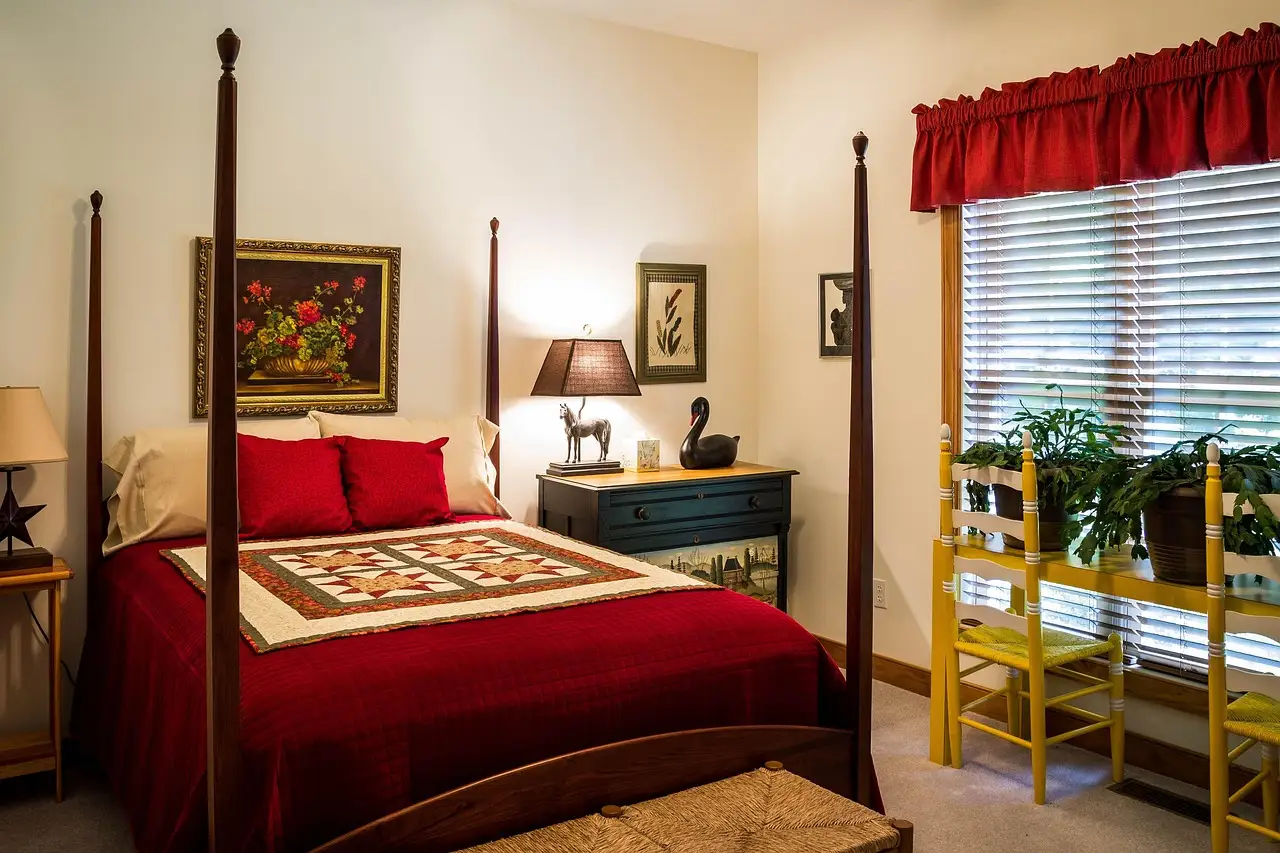
Sauder Dresser Review: What to Know Before Buying
Sauder dressers suit shoppers who want low-cost storage and can accept engineered wood construction, flat-pack assembly, and more need for anchoring and careful handling. Skip those tradeoffs, and you can end up with wobble, chipped edges, drawer sag, or a dresser that feels unsafe in a bedroom. This guide covers price, materials, setup effort, paintability, safety, and long-term ownership tradeoffs.
Verdict at a glance


Sauder dressers make sense for budget bedrooms when you want a functional drawer unit, a wood-look finish, and a package that is easier to move than a fully assembled dresser. They are not the best choice if you want the repairability, moisture tolerance, and long service life of solid wood.
The main tradeoff is simple: lower upfront cost usually means more care during assembly, less tolerance for rough loading, and less freedom to refinish later. If you can anchor it and leave the finish alone, the value case is stronger.
Bottom-line take on Sauder dressers
Sauder dressers fit shoppers who need bedroom storage now and can live with engineered wood panels, a ready-to-assemble format, and finishes that favor appearance over easy repainting. They are a practical buy for guest rooms, starter apartments, and secondary bedrooms.
Best-fit buyer profile
Choose Sauder if your room needs a modest footprint, you want drawers more than heirloom furniture, and you prefer a wipe-clean surface. Skip it if you expect repeated moves, heavy top loading, or a project you plan to sand and repaint later.
Pros and cons
What Sauder does well
- Budget-friendly bedroom storage in a flat-pack box.
- Engineered wood panels with a melamine surface that Sauder says resists heat, staining, and everyday scratches.
- Wipe-clean maintenance for common bedroom spills and dust.
- Many desks and storage pieces carry a 5-year limited warranty, which is longer than common 1-year budget coverage.
Where Sauder dressers fall short
- Edges and corners can chip during assembly or from repeated bumps.
- Drawer hardware and panel joints are less forgiving than solid wood joinery.
- Laminate and melamine surfaces are poor candidates for casual repainting.
- Top-heavy setups need anti-tip anchoring to be bedroom-safe, especially in homes with kids.
Who it’s for
Sauder fits budget bedrooms, spare rooms, dorm-style setups, and anyone who wants a defined drawer count without paying for solid wood construction. It is also a reasonable pick if you need a dresser that ships flat and can be carried through tight stairs or narrow halls.
It is less suitable if you want furniture you can refinish later, if your bedroom is humid, or if the dresser will take hard daily abuse. In those cases, solid wood or higher-grade casegoods are usually the better long-term value.
Say your bedroom is 9 by 10 feet and the dresser must hold two lamps plus a mirror. A compact Sauder unit with a narrower top may fit the floor plan, but you should check whether the top surface is wide enough before buying. A cramped top is a design problem, not just a style choice.
What are Sauder dressers made of?
Sauder is reported to use engineered wood panels with a melamine surface on many pieces, including storage furniture. That construction keeps costs down and gives you a wipe-clean finish, but it does not behave like solid wood when humidity changes or when the piece is damaged at an edge.
Engineered wood panels and melamine surfaces
Engineered wood panels are stable enough for budget furniture, but they rely on surface coatings and panel edges for durability. Sauder says its surfaces resist heat, staining, and everyday scratches, which helps in normal bedroom use. The tradeoff is that exposed edges and corners are still the weak spots.
Laminate, veneer, and wood-look finishes
Wood-look finishes are part of the appeal, but the surface type matters. Melamine and laminate are made for wear resistance and easy cleaning, while veneer is a thin real-wood layer over a core. Veneer can sometimes be refreshed more like wood, while melamine and laminate are generally less paint-friendly.
What the materials mean for paintability
If the dresser uses melamine or laminate, paint may stick only after aggressive prep and specialty primers, and the finish is often less durable than on bare wood. That is why the finish choice matters before checkout. A dresser that looks repaintable in photos may be a poor candidate in practice.
Dresser ownership checklist
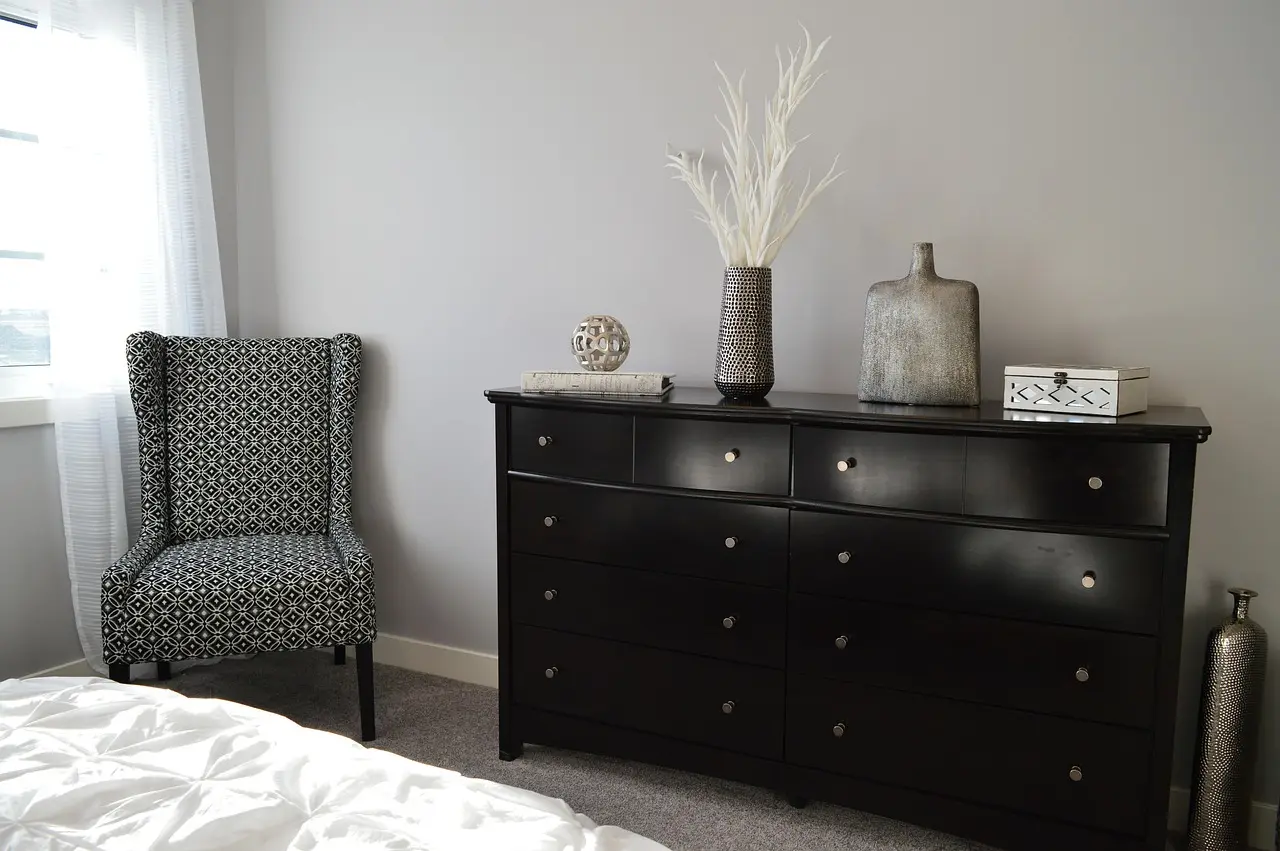
This checklist helps you judge ownership risk before the box arrives. Focus on material type, finish, wear points, and room fit, not only drawer count.
| Material type | Paintability | Expected wear points | Safety needs | Assembly complexity | Buyer fit by bedroom size | Decision |
|---|---|---|---|---|---|---|
| Melamine over engineered wood | Poor; repaint only with strong prep and limited expectations | Edges, corners, drawer fronts, top surface scuffs | Anchor to wall if tall or in a child’s room | Moderate; cam locks and dowels need careful alignment | Best for small to medium rooms with limited floor space | Buy and anchor |
| Laminate wood-look panels | Poor to fair; better to keep the factory finish | Corner chips, drawer rail wear, surface scratches | Anchor if top-heavy or placed near kids’ furniture | Moderate; edges must stay intact during assembly | Good when you need a clean look in a tight room | Buy |
| Veneer-faced panels | Fair if the veneer is intact; avoid heavy sanding | Veneer lifting, edge wear, drawer misalignment | Anchor if the dresser is tall or holds a mirror | Moderate to high depending on panel fit | Better for medium rooms where visual finish matters | Repaint or buy |
| Low-cost engineered wood with visible edge banding | Poor; chips telegraph through paint | Edge chipping, top sag under heavy loads, drawer binding | Anchor and keep heavy items off the top | Higher; more likely to need adjustment after build | Only if the room is small and the budget is tight | Skip or anchor |
How durable are Sauder dressers?
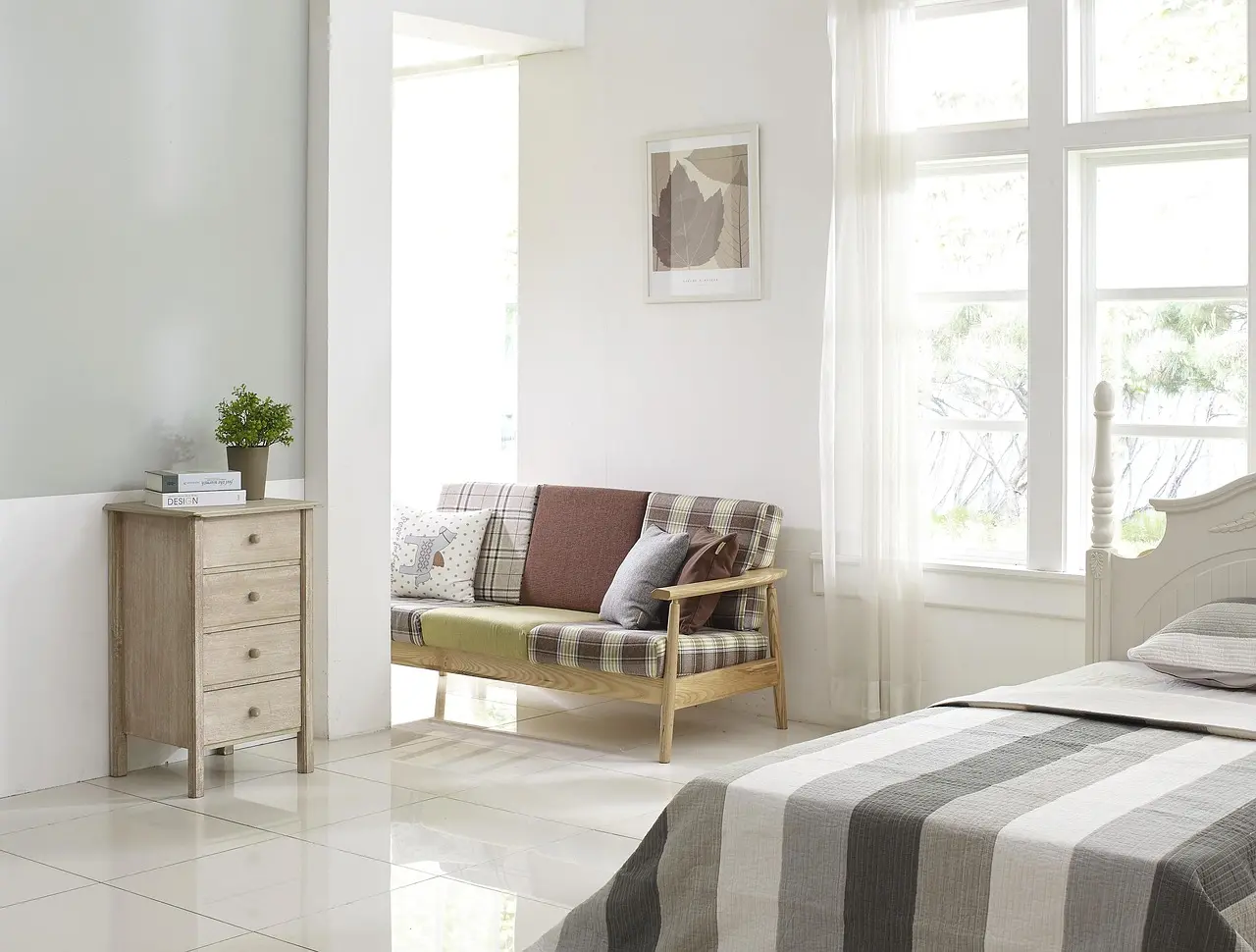
Sauder dressers are durable enough for normal bedroom use, but their durability depends on drawer loading, assembly quality, and how much humidity change the room sees. They are not built like solid wood case pieces, so the failure points are usually joints, edges, and drawer hardware rather than the whole cabinet.
Drawer stress and glide wear
Drawer hardware is where budget furniture often shows age first. Cam locks and dowels can hold well if tightened correctly, but sloppy assembly can leave a drawer slightly out of square. That leads to sticking, uneven glide wear, or a drawer face that drifts out of alignment over time.
Top-panel sagging and edge chipping
Top panels can sag if they carry heavy items or a large mirror setup that was never part of the design. Edge chipping is another common wear point because the surface layer is tougher than the edge band. A chip at a corner can spread visually fast, even if the furniture still functions.
Humidity and finish wear versus solid wood
Sauder’s engineered wood panels are less likely than solid wood to cup or swell in the same dramatic way, but they also recover less well after damage. Solid wood can often be sanded, repaired, and refinished. Melamine or laminate may resist day-to-day moisture better at the surface, yet once the edge fails, repair is harder.
Suppose a drawer front starts rubbing after a move. With a solid-wood dresser, you may be able to plane or sand the contact point. With a Sauder unit, the better fix is often realignment, tightening hardware, or replacing the piece if the panel edge has already chipped badly.
Can you paint Sauder furniture?
Sometimes, but not always in a way worth the effort. Bare engineered wood is easier to prep than melamine or laminate, while factory-finished wood-look surfaces resist paint and usually need specialty bonding primers. If the dresser is still structurally fine, repainting can work; if the finish is slick and intact, leaving it alone is often smarter.
What can be painted and what should not be painted?
Paint is most practical on unfinished or lightly finished panels, not on slick melamine surfaces. Laminate and melamine are made to resist staining and scratches, which is helpful for ownership but bad for repainting. If the goal is a fresh color, verify the exact surface before you buy.
Surface prep limits on melamine and laminate
Melamine and laminate need careful cleaning, deglossing, and primers made for hard, nonporous surfaces. Even then, the finish may chip on high-touch areas like drawer pulls and edges. For a bedroom dresser, that can mean repainting becomes a maintenance project instead of a one-time fix.
When repainting is a bad use of time
If the dresser is already worn at the corners, has swollen edges, or shows drawer-face damage, paint will not solve the underlying problem. In that case, the money often goes further toward a new unit with the color you want. Repainting is best when the surface is sound and your goal is cosmetic, not structural.
Are Sauder dressers easy to assemble?
Sauder dressers are usually manageable for a careful DIY buyer, but they are not plug-and-play furniture. Expect cam locks, dowels, multiple panels, and hardware that must be aligned correctly. Assembly is easiest when you have a clean floor, basic tools, and enough time to check each step twice.
Cam locks, dowels, and drawer glides
Cam locks and dowels are commonly used in ready-to-assemble furniture because they can speed production and help keep shipping flat. The downside is that misaligned hardware can create wobble or uneven drawers. Glide type also matters: lighter-duty slides are fine for bedroom clothing, but they are less forgiving when drawers are overloaded.
Tools and time required
Most builds need a screwdriver, a hammer or mallet for dowels, and sometimes a power driver used carefully. A second person can help keep long panels square during assembly. The real time cost is not only the build itself, but also the check-and-retighten step after the dresser is upright.
Common assembly failure points
Edge chipping can happen when panels are slid across a rough floor or over-tightened at the fastener. Drawer misalignment often traces back to one rail mounted slightly off. If the unit wobbles after build, stop and correct the frame before loading drawers; forcing use can widen the problem.
Assembly, safety, and warranty
Assembly quality affects long-term satisfaction, especially with bedroom furniture that holds clothing and sometimes a mirror or lamp. The safest setup is the one that is square, level, and anchored if the design calls for it. Sauder says many desks and storage pieces carry a 5-year limited warranty, which is longer than common 1-year budget coverage.
Anti-tip anchoring and bedroom safety
Anchor tall dressers to the wall, especially in homes with children or pets. A loaded dresser can tip if several drawers are open at once. Anti-tip hardware is not optional in a kid’s room. It is a basic safety step, not a nice-to-have accessory.
Sauder’s 5-year limited warranty
The 5-year limited warranty is one of Sauder’s stronger selling points, but warranty length does not erase wear from poor assembly or misuse. Use it as a sign that the brand expects more than one season of service, then protect the dresser with careful setup and normal loading.
Ownership cost beyond the box price
- Factor in assembly time and the chance you may need a second pass to square the frame.
- Budget for wall anchors if the dresser will stand tall or sit in a child’s room.
- Expect touch-up needs for edge chips or drawer-front scuffs if the unit is moved often.
- Compare the cost of replacement hardware against the price difference for a sturdier dresser.
Frequently asked questions
Is Sauder furniture good for a dresser?
Yes, if you want affordable bedroom storage and accept ready-to-assemble construction. Sauder dressers work best for light to moderate daily use, not for rough handling or frequent moves. The value depends on whether you will anchor it, assemble it carefully, and leave the factory finish intact.
What is Sauder made of?
Sauder uses engineered wood panels, and many pieces have a melamine surface. That construction gives you a wipe-clean finish and a wood-look appearance without solid-wood pricing. It also means the dresser is more sensitive to edge damage and less friendly to sanding or refinishing.
How long is Sauder’s warranty?
Sauder says many desks and storage pieces carry a 5-year limited warranty. That is a stronger coverage period than the common 1-year budget-furniture warranty, but it does not cover careless assembly or normal wear from rough use. Treat it as a helpful backstop, not a durability promise.
What Sauder dresser styles fit small bedrooms?
Compact dressers with narrower tops and fewer drawers usually fit best in small bedrooms. Look for a footprint that still leaves clearance for walking and drawer opening. A top surface wide enough for a lamp is useful, but in tight rooms a slim top may be better than a deep one.
Products related to this article
Sponsored / affiliate links. As an Amazon Associate I earn from qualifying purchases. I may earn additional commission from eligible campaigns.