How Much Does a Dresser Top Protector Cost?
A dresser top protector usually costs about $5 to $40, with vinyl mats generally at the low end and custom pads near the high end. Choose the wrong material or size, and you can still end up with scratches, water rings, or a second purchase. This guide breaks down dresser protector prices by use case and material, then compares the cheapest option over a full year. For example, a $10 vinyl mat replaced once in a year costs about $20 total, while a $25 pad kept all year stays at about $25.
Dresser protector cost matrix


This matrix gives a fast price check by material, size, and job. The lowest-priced option is not always the lowest-cost option over a year, especially if it slides, curls at the edge, traps odor, or fails after one spill.
| Protector type | Typical size | Low price band | Mid price band | Premium price band | Estimated cost per sq ft | Best fit for |
|---|---|---|---|---|---|---|
| PVC or vinyl mat | 12 x 16 to 18 x 24 in. | $5-$12 | $12-$20 | $20-$30 | About $3.75-$13.33 | Scratch protection, wipe-clean use, light spills |
| Custom-cut vinyl or clear pad | Made to dresser top width and depth | $15-$20 | $20-$30 | $30-$40 | About $8-$16 | Odd sizes, edge-to-edge coverage, better fit |
| Silicone pad | Desk-mat style, 16 x 24 to larger | $20-$30 | $30-$45 | $45-$60 | About $8-$15 | Heat from hot items, grip, frequent wipe-downs |
| Felt or fabric cover | Various, often oversized drape | $8-$15 | $15-$25 | $25-$40 | About $4-$10 | Decorative use, dust protection, low spill risk |
| Off-the-shelf dresser mat | Standard dresser top sizes | $5-$15 | $15-$25 | $25-$35 | About $3-$12 | Basic ring-mark protection and simple coverage |
For a quick value check, vinyl tends to be the cheapest functional option, and custom sizing raises the bill because the seller cuts to your dimensions instead of shipping stock sizes.
📊 Consumer Reports found some short dressers still tipped in tests at 50 pounds. Source: Consumerreports.
What drives the price?
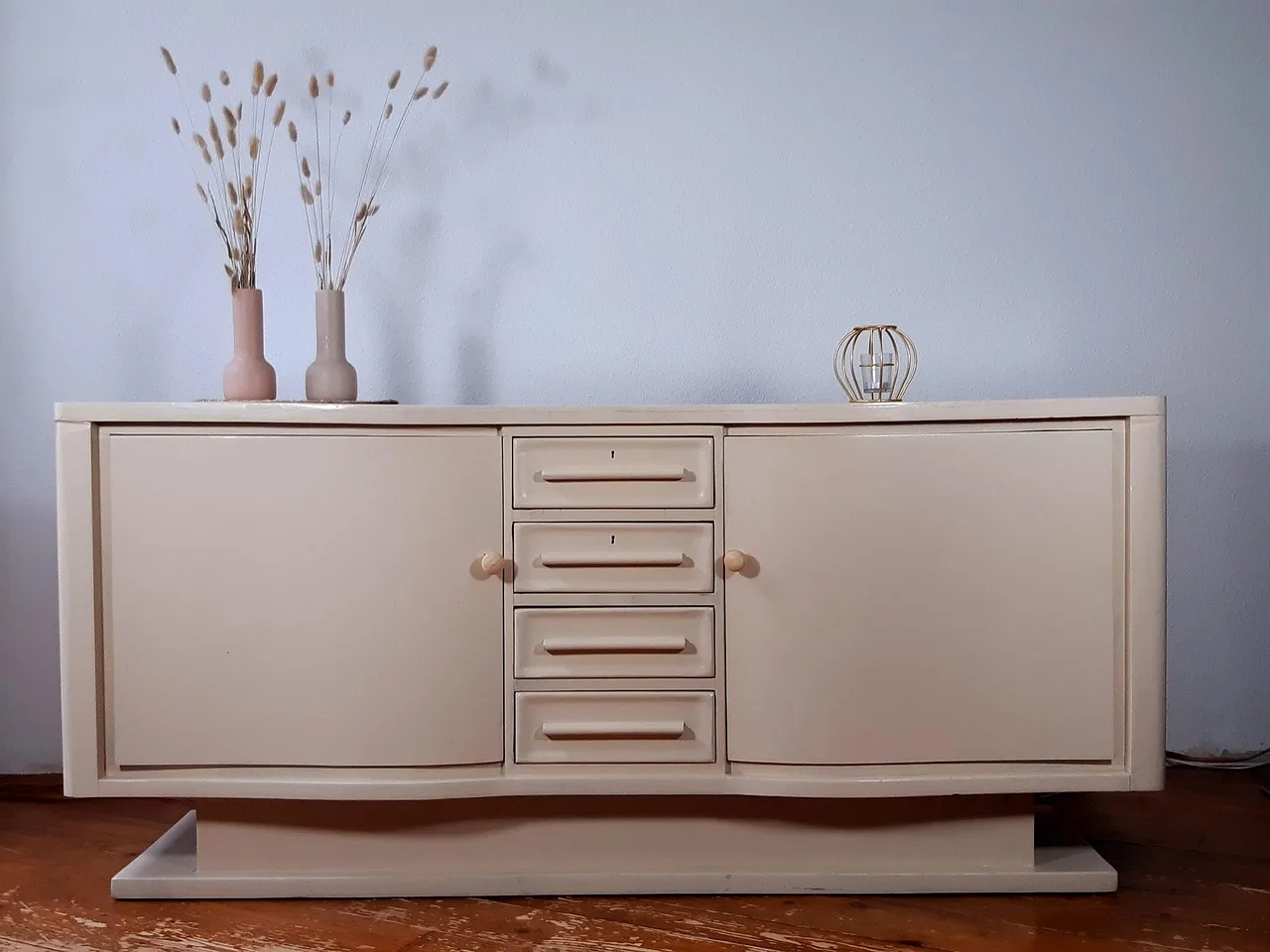
Material, size, and finish drive most of the cost. Thin vinyl and basic fabric sit at the low end; thicker pads, non-slip backings, waterproof layers, and custom cutting add cost because they use more material or more finishing work.
Material and thickness
Thicker protectors usually cost more because they use more material and hold their shape better. A thin mat can block dust and light scratching, while a thicker pad may resist creasing and edge curl more effectively, which matters if you open drawers often or set items down near the front edge.
Size, custom cutting, and edge overhang
Price rises as surface area rises. A standard 12 x 16 inch mat covers a small top and costs less than a custom piece sized to a wider dresser with overhang on three sides. Custom-cut sizing also helps when the top has a bevel, rounded corners, or a lip that makes a stock mat sit crooked.
Say your dresser top is 54 inches wide and 18 inches deep. A stock mat may leave the corners exposed, which means the most used spots still take wear. A custom piece costs more up front, but it can save you from replacing a short mat that keeps sliding out of place.
Waterproofing, backing, and finish
Waterproof or wipe-clean construction usually adds cost, and so does non-slip backing. Clear finishes often cost more than plain opaque fabric because they are made to stay flat and visible without fogging or clouding, while textured backs can improve grip on laminate and painted surfaces.
Non-slip backing is worth paying for when the dresser top is slick. On laminate, the grip is often better because the surface is smooth and uniform. On wood veneer, grip can be less predictable if the finish is glossy or worn. On painted wood, a soft backing helps, but dust under the pad still reduces anti-slide performance.
What size protector do you need?
You need a protector that matches the top width and depth, then leaves room for the edge profile. Standard dressers can work with off-the-shelf sizes, but oversized dressers, dressers with thick trim, or tops that overhang the base often need custom-cut sizing to avoid gaps and curling.
Measure top width and depth
Measure only the usable top surface, not the full body of the dresser. Record width from left to right and depth from back to front. If the top has a raised edge or curved trim, measure the flat section you want covered.
- Measure the flat top width.
- Measure the flat top depth.
- Check whether the front edge curves or bevels down.
- Decide if you want full coverage or a smaller mat for the center zone.
- Compare those numbers with the product size, not the package name.
Allow for edge overhang
A small overhang can help a mat stay put and protect the front edge from scuffs. Too much overhang can look sloppy and catch on drawer pulls. For a decorative cover, slight overhang is normal. For a functional protector, the edges should lie flat so they do not curl or trap dust in the seam.
Standard versus oversized dressers
Standard dressers often fall within common mat sizes, so price stays lower. Oversized dressers increase cost because you either buy a larger stock mat or pay for a custom cut. The larger the top, the more important the backing becomes, since a big sheet has more area to slide.
A common first-timer mistake is choosing a dresser top protector based on the number of drawers instead of measuring the actual tabletop dimensions. A six-drawer dresser can have a narrow top, while a three-drawer chest can have a wide one. The mat price follows surface area, not storage style.
Dresser top mats and covers
Dresser top mats and covers are usually chosen for their surface behavior, not just their look. Typical thickness ranges from thin wipe-clean sheets to padded protectors, and the real difference shows up in coverage, washability, and whether they reduce ring marks from glasses or bottles.
Typical thickness and surface coverage
Thin mats are easier to tuck into place and cost less, but they may move more on smooth tops. Thicker mats add cushioning and usually sit flatter, which helps with scratch resistance. If the dresser holds decor, lamps, or daily-use items, fuller coverage lowers the chance of rubbed finish at the center of the top.
Clear versus opaque styles
Clear styles let the dresser finish show through and are common when you want protection without changing the look. Opaque styles hide wear and read more like a cover. Clear mats often feel more like a true protector, while opaque fabric can work as a decorative layer but may hide spills instead of resisting them.
Washability and ring-mark protection
Washability matters if the protector sits under drinks, skincare, or plant pots. A washable mat is easier to reset after spills, while a non-washable cover may need spot cleaning or replacement. Ring-mark protection is strongest when the surface resists moisture absorption and the backing keeps liquid from sitting against the finish.
Spill resistance and ring-mark protection are not the same thing. A mat can stop a cup ring without being waterproof, and a waterproof mat can still slide if the backing is weak.
PVC or vinyl options
PVC and vinyl dresser protectors are usually the least expensive functional choice. They wipe clean easily, which is why they make sense for day-to-day dust, lotion bottles, and light spills.
Price and maintenance
Maintenance is simple: wipe with a damp cloth and dry it so moisture does not sit along the edges. That low upkeep is a major reason it stays popular for children’s rooms and guest rooms.
Heat limits and odor concerns
Vinyl is not the best answer for hot items placed directly on the dresser. It can soften, mark, or distort under heat. Some vinyl products also carry odor concerns when first unboxed, and that smell can linger if the room has limited airflow or the dresser sits in direct sun.
Do waterproof dresser protectors cost more? Usually, yes. Waterproof construction typically adds to the price because it needs a barrier layer or a tighter surface finish. That extra cost usually buys better spill control, easier cleanup, and less chance of moisture reaching the wood surface below.
Where wipe-clean surfaces make sense
Choose wipe-clean vinyl when the dresser sees routine mess, not heavy wear. It fits well on laminate and painted wood in a child’s room, a bathroom-adjacent space, or a guest room where you want simple cleanup more than a soft feel. It is less suitable if you want a decorative surface with a gentler touch.
Are silicone protectors worth it?
Silicone protectors are worth the extra cost when grip, heat resistance, and repeated cleanup matter more than low checkout price. They cost more than vinyl because the material is thicker, heavier, and usually better at staying in place on smooth dresser tops.
Grip on smooth dresser tops
Silicone generally grips better than thin vinyl on laminate or finished wood because it has more surface traction and weight. That matters if the dresser top is used for chargers, lamps, or stacked items that can shift when a drawer opens. A protector that slides is a problem, even if it looks clean.
Heat resistance and desk-mat overlap
Silicone is often chosen when the top also functions like a small desk or vanity area. It can tolerate heat better than vinyl, which is why it overlaps with desk-mat use. That does not mean you should place scorching cookware on it, but it does make silicone a better buffer for warm items, mugs, or other heat-laced objects.
Why this tier costs more
Higher cost usually reflects better grip, heavier feel, and more consistent shape retention. Silicone can also feel more finished than a basic utility mat. If the dresser top is visible and used daily, that combination may justify the jump in price. If it only holds folded clothes, the extra spend is often unnecessary.
Felt and fabric covers
Felt and fabric covers are usually the cheapest decorative choice, and they can look finished right away. They are useful for softening the look of a dresser top, but they are not strong spill barriers and they usually need more frequent washing or replacement than vinyl or silicone.
Lowest-cost decorative choices
Fabric covers often win on appearance and starting price. They can cover a scratched top, protect against dust, and add color without the shinier look of plastic. For a nursery, guest room, or low-use bedroom, that may be enough.
Spill resistance limits
Fabric and felt absorb moisture instead of blocking it. That means they are poor choices for water rings, drink spills, or bath products with leaks. If spill protection is part of the job, a fabric cover should be treated as decoration with limited utility, not as a true waterproof barrier.
Care and replacement needs
Fabric covers usually need washing, spot cleaning, or replacement when they stain or flatten. That can make the yearly cost higher than the sticker price suggests. If you replace a cheap decorative cover twice a year, the low upfront cost stops looking low.
Suppose a parent wants a soft-looking cover for a 48-inch dresser in a child’s room. A fabric layer may look right, but a spill from a cup of water can soak through in seconds. In that case, a vinyl mat under a decorative topper is more practical than fabric alone.
What is a fair price for a dresser top protector?
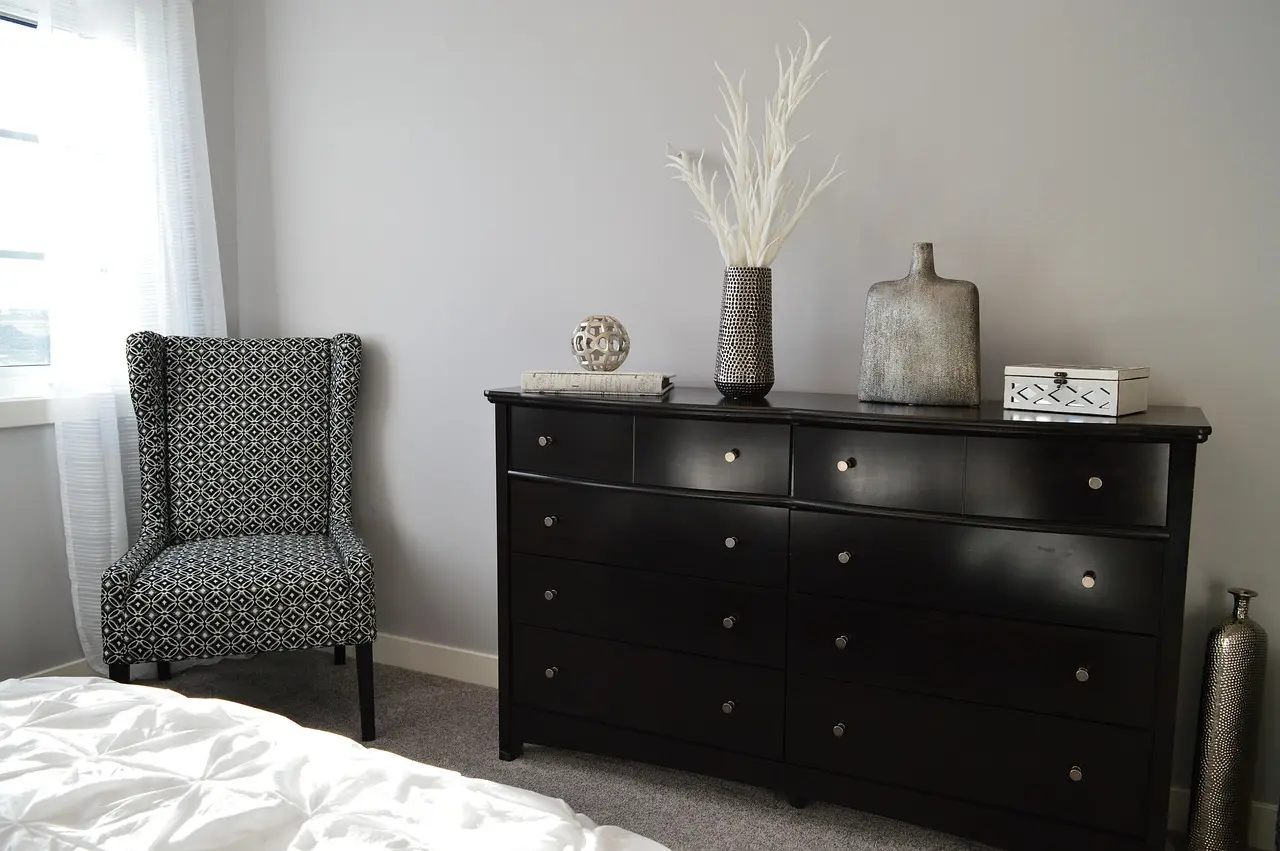
A fair price is the one that matches the surface hazard you are trying to stop. For basic scratch and dust protection, a simple mat in the $5 to $15 range can be fair. For better fit, waterproofing, or strong grip, $15 to $30 is often more reasonable, especially if it avoids a replacement within the year.
Think in terms of failure points, not just price tags. A protector is fair when it stays flat, stays put, and handles the real hazard on that dresser. If the dresser top sees lotions and water cups, price should include cleanup performance. If it mostly holds decor, a lower-cost mat can be enough.
A top protector does not replace anchoring. Consumer Reports found some short dressers still tipped in tests at 50 pounds. (Consumerreports)
What is the cheapest way to protect a dresser top?
The cheapest way is usually a small vinyl mat or a simple off-the-shelf protector matched to the exact top size. If the dresser only needs dust and scratch protection, that is often enough. If you need spill resistance too, a low-cost waterproof vinyl option is still cheaper than replacing a damaged finish.
DIY tablecloths are not equal to a purpose-built protector. A tablecloth may look cheaper, but it can slide, absorb moisture, and leave the front edge exposed. It is a decorative layer, not a serious barrier against ring marks or water.
Should I buy a mat, cover, or tablecloth for a dresser?
Buy a mat if you want functional protection with a cleanable surface. Buy a cover if you want the dresser to look styled and you can accept lower spill resistance. Buy a tablecloth only if decoration matters more than protection and the dresser top is unlikely to see drinks, cosmetics, or hot items.
For most homes, a mat is the middle ground that makes the most sense. It protects better than a loose cloth. A cover can work for a guest room. A tablecloth is the weakest choice for a top that gets daily use.
Frequently asked questions
How much does a dresser top protector cost?
A dresser top protector usually costs $5 to $40. Basic vinyl mats sit at the low end, while custom-cut pads, silicone sheets, and thicker waterproof versions sit higher. Size matters as much as material, so a larger top or an odd shape can push the price up fast.
What size protector do I need for my dresser top?
Measure the usable top width and depth, then check for trim, bevels, or a lip at the edge. The right size is the one that covers the flat area without hanging so far over the front that it curls or catches. Custom sizes are worth it for oversized dressers.
Do waterproof dresser protectors cost more?
Usually yes. Waterproofing adds material and finish complexity, so the price often rises compared with a plain mat. The extra cost is most useful when the dresser sees drinks, lotions, plants, or children’s-room mess, because cleanup becomes easier and the wood below gets more protection.
Are non-slip dresser top protectors worth the extra cost?
Often, yes. Non-slip backing matters on laminate, veneer, and painted wood because sliding is one of the fastest ways for a protector to fail. If the top is smooth or the dresser gets regular drawer movement, better grip can prevent shifting, edge curl, and frequent re-centering.
Products related to this article
Sponsored / affiliate links. As an Amazon Associate I earn from qualifying purchases. I may earn additional commission from eligible campaigns.