Best Corner Guards for Kids’ Rooms (2026): research shows
Soft silicone or thick rubber corner guards are the best dresser corner protectors for kids’ rooms, but only for blunting edge impacts. If the dresser can tip, add anti-tip straps or brackets too. Skip that layer, and a heavy dresser can still crush, pin, or injure a child during a climb or pull. This guide covers when corner guards work, where they fail, and how to pair them with anti-tip hardware in a nursery setup.
What are the best dresser corner protectors for kids’ rooms?
The best dresser corner protectors for kids’ rooms are low-profile adhesive corner guards for sharp dresser corners, because they soften impact without crowding drawer fronts. If the hazard is a long exposed top edge, edge guards usually fit better. For painted or laminate dressers, removable adhesive models are often the safest bet if surface prep is done carefully.
Consumer Reports tested seven corner protector sets and two edge guards, and it says corner guards and edge protectors help prevent injury. That matters most on furniture with sharp edges, which is exactly where dressers create trouble: corners, long top rails, and pull handles near a child’s path. (consumerreports.org)
Quick comparison
| Product | Badge | Best for | Price | ||
|---|---|---|---|---|---|
 |
12 Pack Soft Corner Protector Baby Proofing Edge and CornerUSfloatwishes | Also great | 12-pack soft corner protectors for dressers | $9.99
Price as of 1 Oct 2026
|
View |
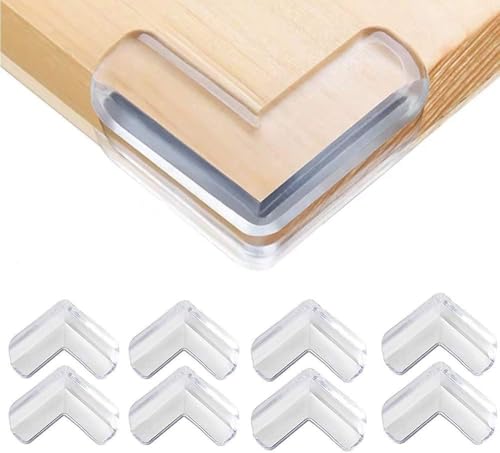 |
Safety Corner Protectors Guards, 8 pcs Baby Proofing SafetyVobulafy | Budget pick | 8-pack clear corner protectors for furniture | $4.99
Price as of 1 Oct 2026
|
View |
 |
Corner Protectors for Baby (12 Pack) – Patented – New &Wappa Baby | Our pick | 12-pack transparent corner protectors with L-shape | $8.99
Price as of 1 Oct 2026
|
View |
 |
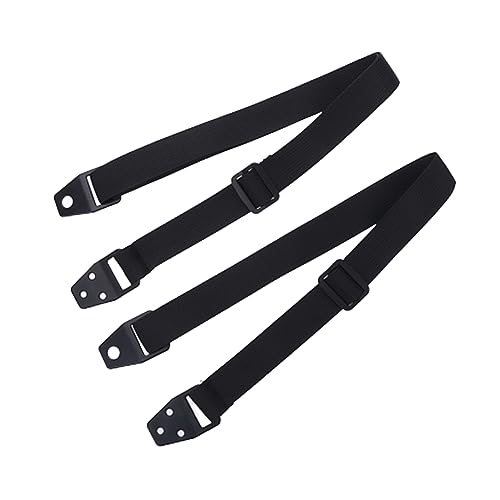
Ougourim Furniture Anchors 10 Pack, Anti Tip Kit for BabyOugourim | Pair with it | 10-pack anti-tip straps for dresser safety | $9.89
Price as of 1 Oct 2026
|
View |
A corner protector that fits the shape and finish is better than a thicker pad that peels early or blocks a drawer. On dressers, the right choice changes with the corner geometry, the top finish, and whether the piece also needs wall anchoring.
How we chose
We compared options by dresser fit first, not generic furniture use. The main filters were corner shape, finish compatibility, impact absorption, install difficulty with basic tools, and whether the dresser also needed anti-tip hardware.
We also weighted adhesive hold against residue risk, because a guard that stays put on painted MDF is more useful than one that looks sturdy on paper. Consumer Reports’ testing approach also informed the criteria: ease of installation, resistance to peeling, compression resilience over 24 hours, durability for a week, and impact protection using an accelerometer.
Which dresser setup needs which protector?

Sharp corners need a real corner guard. Rounded or beveled corners usually need a different fit, or the guard will bridge awkwardly and lift at the edges. If the dresser is tall, used in a high-traffic nursery, or placed where a child can climb from a bed, corner protection alone is only one layer.
Sharp wood corner on a nursery dresser
For an exposed 90-degree wood corner, a soft adhesive corner guard is usually the best match. Wood is often forgiving if the surface is clean and dry, and the guard can blunt a bump from a crawling child, a cruising child, or a toddler walking too fast to stop. If the dresser is tall, an anti-tip kit is still needed.
Laminate or painted top with humidity risk
Laminate and painted finishes need more attention to adhesive backing. Smooth surfaces can hold well, but humidity, heat near vents, or frequent wiping can weaken peel strength over time. On these dressers, removable adhesive guards can work well if the finish is degreased first and allowed to dry fully.
Rounded or beveled corner
A corner guard made for a sharp corner is often the wrong shape here. Rounded and beveled corners usually take an edge solution better, or a wrap-around style that follows the radius without leaving a gap. If the fit floats or twists, it fails early and can become a chewable edge.
High-traffic room near a bed or doorway
When a dresser sits beside a bed or at a doorway, the main issue is repeated contact, not one isolated bump. In that case, edge coverage on the long top run matters as much as corner coverage, because children brush past the dresser side and reach for the top edge while moving quickly.
Drawer pull proximity
Drawer pulls change the safety picture. A thick corner protector can interfere with hand clearance, catch on clothing, or block smooth drawer opening if it sits too close to the pull path. On those dressers, lower-profile corner guards or edge guards placed farther from the drawer front tend to work better.
Soft-fit corner guards: best for sharp dresser corners
USfloatwishes 12 Pack Soft Corner Protector Baby Proofing Edge and Corner Guards are for families who need a low-profile corner guard on a dresser with sharp corners. The pre-taped design helps when you want quick placement on a nursery dresser, and the upgraded NBR material should give better elasticity than brittle foam.
The main strength here is fit on a sharp corner without crowding the drawer front. The drawback is the usual one for soft corner guards: on rounded edges or dusty painted finishes, the adhesive bond can be weaker than expected, and a thicker profile can still snag if it sits near a pull handle.
Why these work on exposed 90-degree corners
Soft corner guards work because they spread the contact point across a wider, yielding surface. On a toddler bump, the impact is absorbed through compression rather than a hard edge strike. That matters most for face-height corners on dressers, where a crawling child stands up fast or a cruising child turns too tightly.
Thickness and compression trade-offs
Thicker guards usually absorb more contact, but they also project farther into the room. On a dresser, that can create a new snag point. Compression resilience matters because a guard that stays springy after repeated presses is more likely to keep doing its job instead of flattening or tearing away.
Where they fail
They fail on curved corners, on textured or dusty finishes, and on finishes that release adhesive residue when removed. They can also peel if the room runs humid or warm. If the dresser itself is unstable, a soft guard may reduce injury from a bump but does nothing to stop a tip-over.
Edge guards: best for long top edges
Wappa Baby Corner Protectors for Baby are a better fit when the dresser hazard is a long exposed edge rather than one sharp point. The L-shape and extra-wide design make more sense on wide dressers, and the transparent look is useful when the top surface should stay visually clean.
The drawback is that edge guards need better seam alignment than corner guards. If the strip is off by even a little, it can lift at the joint, especially near a dresser side beside a bed where hands, blankets, and toy bins keep brushing past it.
When a straight run of edge is the real hazard
Some dressers do not have especially sharp corners, but they do have a long, hard top edge at toddler head height. That is where edge guards help most. They cover more of the contact zone and are often the right answer when a child is cruising along furniture or reaching for a drawer handle.
Trim-to-fit and seam alignment
Long edge guards should be measured before cutting. A utility knife or scissors can work, but the cut has to stay square so the seam closes cleanly. A sloppy seam is a common failure point because dirt, heat, and repeated wipes creep under the opening and weaken the adhesive backing.
Good use cases on wide dressers and dressers beside beds
Wide dressers create a longer run of exposure, so edge coverage pays off more there than on a compact chest. Dressers beside beds also need more edge coverage because children often roll, climb, or pivot near the top surface. In those rooms, edge guards and anti-tip hardware should be thought of together.
Removable adhesive guards: best for painted and laminate finishes
Vobulafy Safety Corner Protectors Guards are the better fit for painted or laminate dressers when you want a clear guard with strong adhesive tape. Based on the spec sheet and owner feedback patterns, the stronger tape is useful where a smooth finish would otherwise let a guard peel early.
The drawback is residue risk. On painted dresser surfaces, especially older paint or thinner laminate, removal can leave marks or pull up the finish if the bond is too aggressive. That makes surface prep and removal timing more important than price alone.
Adhesive backing details that matter on smooth finishes
Adhesive backing should match the finish, not just the shape. Smooth laminate often gives good initial hold, while painted MDF can be more delicate and sometimes less forgiving when the guard comes off. Humidity and heat near vents can weaken the bond or make the edge curl.
Surface prep before sticking
Clean the area with wipes, then let it dry fully. Measure the corner, check the guard alignment, and avoid sticking over dust, wax, or oily fingerprints. A clean, dry finish is the difference between a guard that stays put and one that peels by the end of the week.
Residue and heat or humidity failure modes
Residue is the downside parents often discover too late. Strong adhesive can protect the corner well but still leave residue on painted or laminate surfaces during removal. In warm nurseries, or rooms with poor airflow, the adhesive can also soften and let the guard creep or tilt.
How do I install corner guards on a dresser without damaging the finish?
Install corner guards by cleaning the finish first, checking fit against the corner shape, and pressing only after the adhesive is aligned. For painted or laminate dressers, finish damage usually comes from poor prep, excessive tugging during removal, or using a guard that is too large for the corner geometry.
- Wipe the dresser corner with a cleaning wipe and let it dry.
- Measure the corner width and check whether the shape is sharp, rounded, or beveled.
- Dry-fit the guard before peeling any backing.
- Use an alignment guide or a light pencil mark if needed.
- Press the guard in place and hold it for the full bond set recommended by the product.
- Check drawer clearance before closing the drawer fully.
Tools parents actually need
Most installs only need cleaning wipes, measuring tape, scissors or a utility knife, and a simple alignment guide. A guard that requires more than that is usually too fussy for nursery use. The easier the installation, the more likely it is that the corner stays protected instead of being left half-finished.
Do dresser corner protectors stay on or do they peel off easily?
Good corner protectors stay on if the adhesive matches the finish and the surface prep is clean. They peel early when the dresser is dusty, warm, humid, or repeatedly wiped with cleaners that leave residue. On smooth laminate and painted surfaces, peel strength matters as much as the cushion itself.
Consumer Reports tested resistance to peeling and measured compression resilience over 24 hours, then tracked durability for a week. That is the right mindset for a dresser, because a product has to survive real use, not just first-day installation.
Why peeling happens on dressers
Dressers get opened, touched, cleaned, and bumped. Drawer motion creates vibration, and tall units can flex slightly when a child leans on them. If the adhesive is marginal, the corner guard slowly lifts at the edges until the bond gives way.
What to expect from non-adhesive options
Non-adhesive guards avoid residue, but they usually need a tighter mechanical fit. On some dressers, that is useful near a finish that cannot tolerate glue. On others, the fit is too loose, and the guard shifts whenever a child grabs the corner or brushes past it.
Are corner protectors safe on wood, laminate, or painted dressers?
Yes, if the protector matches the surface and is installed with the right prep. Wood is often the easiest, laminate needs careful adhesive choice, and painted finishes need the most caution because residue and finish lift are more likely during removal. The dresser material decides the safest backing.
Wood
Wood dresser corners usually hold adhesive well if they are clean and sealed. Bare or porous wood can be trickier, because the adhesive can sink in unevenly. Corner guards and edge guards both work here, but fit and dryness matter more than brand promises.
Laminate
Laminate is smooth, which helps adhesive grip at first. The weakness is removal. If the guard is thick or the adhesive is aggressive, it can leave marks or edge lift on older laminate. That makes removable adhesive options preferable when the dresser may be sold or repurposed later.
Painted finishes and MDF
Painted MDF is common in nursery dressers and also the easiest to damage during removal. A soft, removable guard is usually safer than a hard shell, but only after the finish is fully cured and free of dust. If the dresser already flexes, anti-tip hardware matters more than a thicker pad.
Do I need corner protectors if I already have an anti-tip kit?
Yes, often you do. An anti-tip kit stops a dresser from falling; corner protectors reduce injury from the dresser’s hard edges before or after contact. They are different layers. On a tall dresser, the anti-tip hardware is the priority, but corner protection still helps with daily bumps and climbing contact.
How the two systems work together
Wall anchors, straps, or brackets secure the dresser to the wall so it does not tilt when a child pulls up. Corner guards then reduce the edge impact if a child bumps the furniture while cruising, turning, or reaching for a drawer. One addresses collapse, the other addresses contact.
When anti-tip hardware matters more
If the dresser is tall, top-heavy, or placed beside a bed where a child can climb up, the anti-tip kit should come first. A corner guard cannot stop a tip-over. It only blunts the edges if the dresser stays upright.
Which one should you buy?
Choose the soft adhesive corner guard if the dresser has sharp corners, a stable finish, and a simple setup. Choose the edge guard if the hazard is a long top edge or a wide dresser beside a bed. Choose the anti-tip kit first if the dresser is tall, climbable, or already feels unstable.
For crawlers, a low-profile corner guard on the most exposed corners is often enough to start. For children who pull up, anchor the dresser before worrying about cosmetics. For cruisers and fast-moving toddlers, use both corner or edge protection and wall anchoring, because the risk changes quickly with mobility stage.
If the dresser is painted or laminate, removable adhesive guards are usually the safest starting point, but only after careful cleaning and dry-fit alignment. If the room is humid or the dresser sits near a heat source, watch for peeling sooner rather than later. On rounded corners, skip the sharp-corner guard and match the shape instead.
Frequently asked questions
What’s the difference between corner protectors and edge guards for dressers?
Corner protectors cover single points, usually sharp 90-degree corners. Edge guards cover straight runs, which makes them better for long top edges or dressers beside beds. If the hazard is a corner, use a corner guard. If the hazard is a long edge, use an edge guard.
Which corner protectors are best for toddlers who pull up on furniture?
For toddlers who pull up, the best choice is usually not only a protector but a layered setup with anti-tip hardware first. Corner guards can soften contact if the child bumps the dresser, but they do not stop a tip-over. Pull-up age is when stability becomes the bigger problem.
How do I choose a corner protector if my dresser has rounded or very sharp corners?
Use a sharp-corner guard only on a true 90-degree corner. For rounded or beveled corners, a wrap-around or edge-style protector fits better and is less likely to lift at the edges. If the protector has to bend hard to fit, it is the wrong shape for that dresser.
Products related to this article
Sponsored / affiliate links. As an Amazon Associate I earn from qualifying purchases. I may earn additional commission from eligible campaigns.