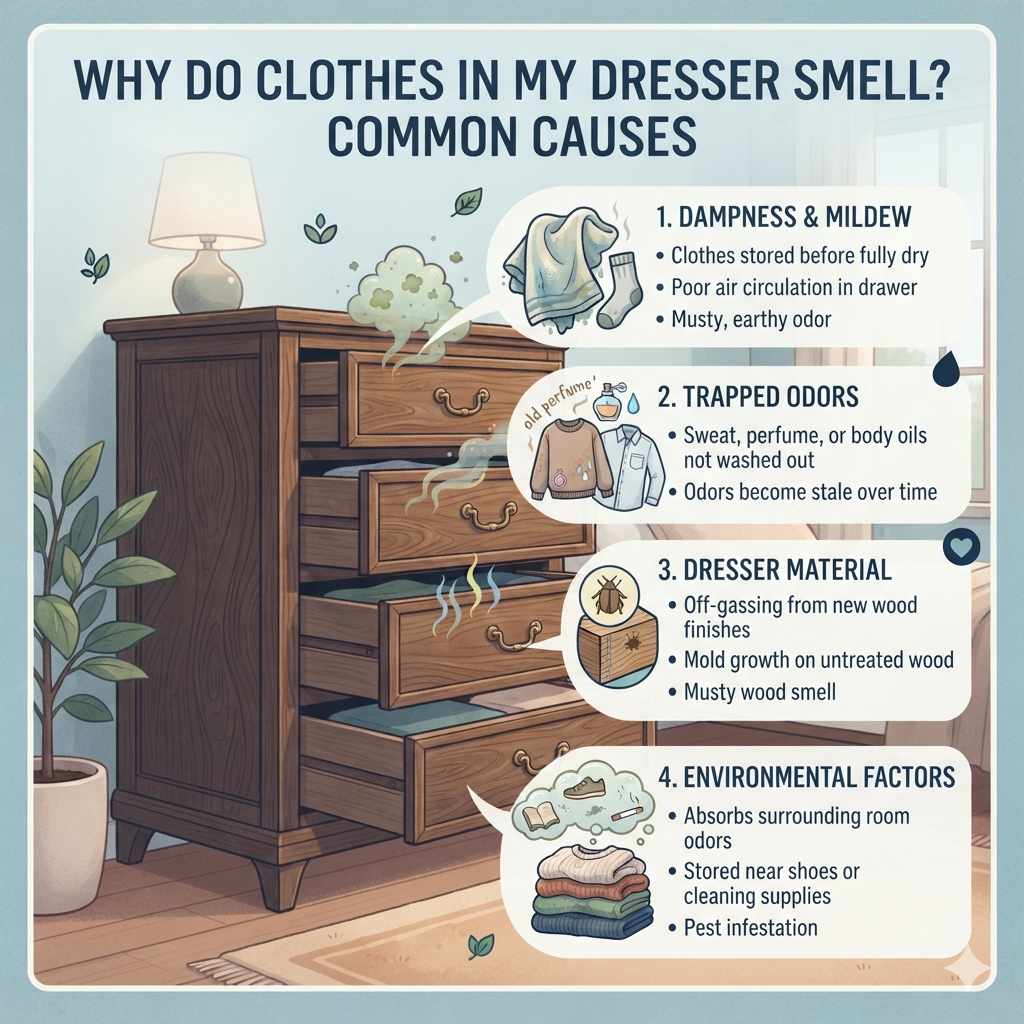
Why Do Clothes In My Dresser Smell? Common Causes
It’s a common, frustrating discovery. You open your dresser, expecting to find fresh clothes. Instead, a strange smell hits you.

SCENTORINI
SCENTORINI Scented Sachets for Drawers and Closets,…
- Clean, Airy & Comforting Linen Scent: Linen scent recreates the fresh, airy aroma of sun-dried laundry with a clean breeze. Place…
- Long-Lasting Aroma: 14 Pack home fragrance sachets are made from natural vermiculite and infused with fragrance oils. Each sachet…
- Multiple Applications: Perfect for closets, drawers, gym bags, suitcases, handbags or even your car, our scented sachets offer ver…
As an Amazon Associate I earn from qualifying purchases.
For a related storage or furniture fix, How To Remove Wood Smell From A Dresser Fast helps readers compare the next practical option.
For a related storage or furniture fix, How to Remove Pottery Barn Dresser Drawers? helps readers compare the next practical option.
For another door or hardware repair, How To Remove Old Door Knobs gives readers a closely related troubleshooting step.
It’s not a pleasant perfume. It’s not just old fabric. It’s that lingering, odd odor.
This can happen to anyone. It makes getting dressed less enjoyable. It might even make you question your laundry habits.
But don’t worry! There are clear reasons why clothes in your dresser start to smell. We can figure this out together.
Clothes in your dresser can smell due to trapped moisture leading to mildew, residual body oils and sweat, fabric softener buildup, issues with laundry detergents, improper storage, or the presence of pests like moths. Addressing these causes usually involves checking humidity, reviewing laundry routines, and ensuring good air circulation within the dresser and your closet.
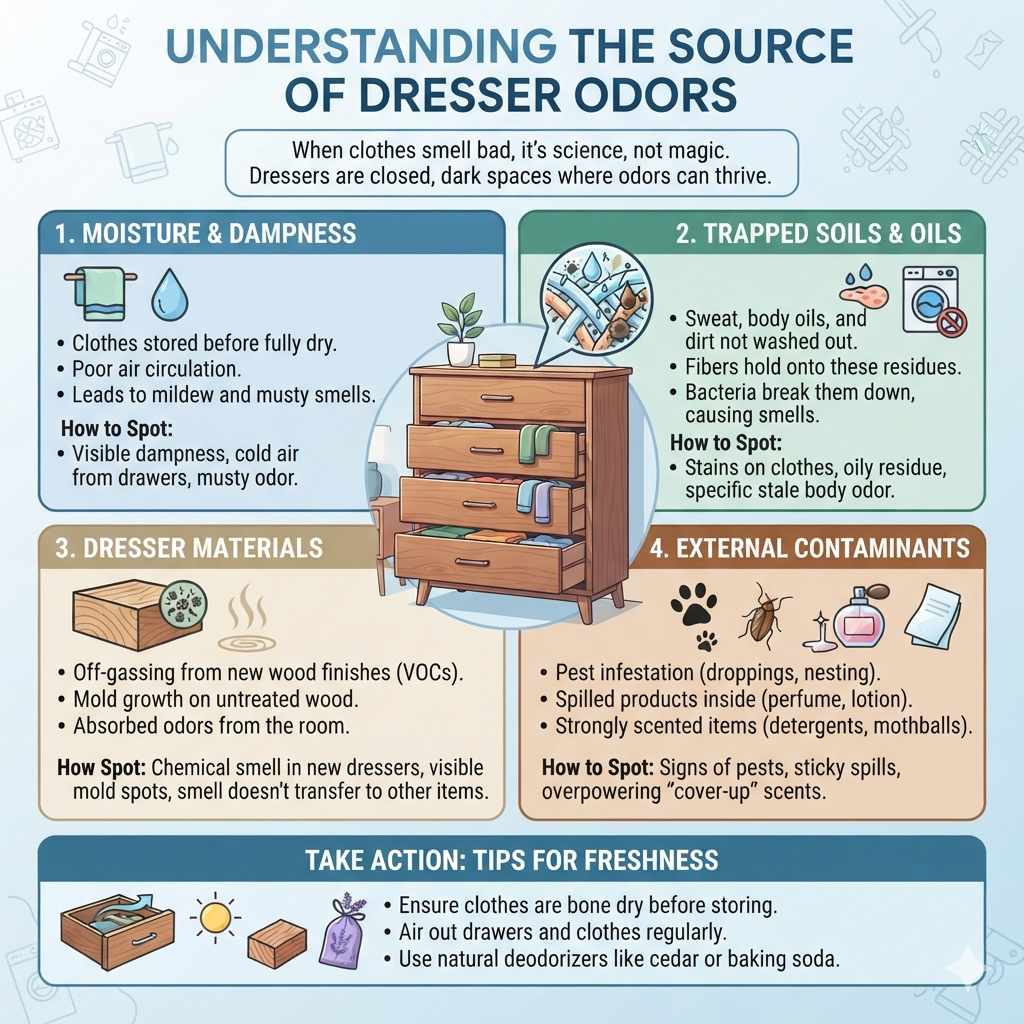
Understanding the Source of Dresser Odors
When clothes smell bad, it’s usually a sign something is off. It’s not magic. It’s science, mostly.
Our clothes are made of fibers. These fibers can hold onto things. They can hold onto smells.
They can hold onto moisture. They can also hold onto tiny bits of dirt. These things can then grow things.
Or they can just stick around and make a bad smell.
Think about it. Your dresser is a closed space. It’s dark.
It can sometimes be a bit damp. This is a perfect spot for smells to hide. And sometimes, the smell isn’t even from the clothes themselves.
It could be the dresser material. Or it could be something that got inside the dresser.
So, what are the main culprits? We’re going to break them down. We’ll look at why each one happens.
We’ll also see how to spot them. This helps you tackle the problem. And it helps you keep your clothes smelling nice.
The Mystery of Mildew and Musty Smells
This is probably the most common reason. Mildew and mold love damp places. Your dresser drawers can be just that.
Even a little bit of moisture is enough. Things like humidity in your home are a big factor. If you live in a humid climate, this is a bigger concern.
Also, putting clothes away that are not fully dry is a fast way to start this problem.
It doesn’t take much. A shirt folded while still slightly damp can start it. Over time, this moisture gets trapped.
It sits between the fabric fibers. Then, tiny mold and mildew spores, which are everywhere, find a home. They start to grow.
And that growth creates that distinct musty smell. It’s like old socks in a gym bag.
This smell can spread. It can go from one item to many. It can also start to smell like the wood of the dresser itself.
The drawers might feel a little damp too. You might even see fuzzy spots. But often, you just smell it.
It’s a serious sign that there’s too much moisture.
Body Oils, Sweat, and Lingering Scents
We wear our clothes. Our bodies leave traces. Sweat is a big one.
But it’s not just sweat. It’s also body oils. These natural oils mix with sweat.
They get into the fabric of our shirts, our pants, our underwear. Sometimes, our regular laundry routine doesn’t fully get rid of them. Especially if we don’t wash clothes often enough.
These oils and sweat residues are not inert. They can break down over time. Or they can react with other things.
This breakdown process can create odors. Think about gym clothes. Even after washing, sometimes a faint smell lingers.
That’s usually these persistent body oils. They can build up in dresser drawers over many wears.
Also, consider the products we use. Lotions, perfumes, deodorants. These can transfer to our clothes.
And they can also start to smell funny when they mix with body oils or get old. This is why a “clean” shirt can still smell odd if it sat in the drawer for too long without being worn and re-washed.
Laundry Habits That Cause Smells
Detergent Issues: Using too little detergent won’t clean well. Using too much can leave residue. This residue traps dirt and odors.
It can also prevent water from rinsing properly.
Overloading the Washer: Clothes need room to move. If the washer is too full, soap and water can’t reach all the dirt. This leaves smells behind.
Not Rinsing Enough: Some machines have eco-modes. These save water but might not rinse all the soap out. Extra rinse cycles can help.
Washing in Cold Water: Cold water is good for saving energy. But it doesn’t always kill bacteria. These bacteria can cause odors.
Warmer water is better for tough smells.
Fabric Softener and Detergent Buildup
This is a tricky one. Fabric softeners and some detergents are great. They make clothes feel nice.
They make them smell flowery. But they can also build up. Especially if you use a lot of them.
Or if your washing machine doesn’t rinse them out well. This buildup is not just residue.
Over time, this layer of softener or detergent can trap body oils. It can trap dirt. And it can trap moisture.
This creates a perfect storm for smells. The smell might not be “bad” at first. It might just be too much of a good thing.
Like an over-perfumed towel. But eventually, this residue can start to go stale. Or it can hold onto other, less pleasant odors.
You might notice clothes feeling a bit stiff. Or they might not absorb water as well. This is a sign of buildup.
This buildup can then start to smell musty or stale. It’s like a greasy film on your dishes. It just doesn’t feel clean anymore.
The Impact of Storage Conditions
How you store your clothes matters. Your dresser is part of that storage. If the dresser is in a damp basement or garage, the clothes will pick up that smell.
If the room itself is musty, so will your clothes. Airflow is also key. Drawers that are packed too tightly don’t let air move.
Think about long-term storage. If you put winter clothes away for the summer, they need to be perfectly clean and dry. They also need to be in breathable containers.
Plastic bins can trap moisture and odors if not sealed properly. Even a dresser can become a problem if the air can’t circulate. If the drawers are always shut tight, and the room has poor ventilation, smells will linger.
I remember storing some favorite sweaters one summer. I put them in a bin in the attic. It was a mistake.
When fall came, they smelled like old dust and something musty. The attic was hot and humid. The bin wasn’t airtight.
The sweaters absorbed all those smells. It taught me a big lesson about storage.
Moths and Other Pests
This might seem less common for smell, but it can happen. Moths and other fabric pests can leave behind their droppings or even their own scents. Moths are attracted to natural fibers like wool and cashmere.
Their larvae eat these fibers. If an infestation is present, you might notice small holes in your clothes.
But there’s also a smell associated with this. A sort of dusty, musky smell. Sometimes, people mistake this for mildew.
But it’s different. It’s more of a dry, stale smell. If you see tiny white worms or fluttering moths, this is a strong indicator.
The smell comes from the pests themselves and their waste products.
Mothballs are often used to prevent this. But mothballs have their own very strong, distinct chemical smell. While they might keep pests away, they can transfer their odor to your clothes.
This is a chemical smell, not a biological one like mildew. So, if your clothes smell strongly of mothballs, that’s the cause.
Quick Checks for Smelly Dressers
Smell the Dresser Itself: Open empty drawers. Does the wood or the inside lining smell? This shows the source might be the furniture.
Feel for Dampness: Run your hand inside the drawers. Is there any hint of moisture? Even slightly damp is bad.
Check the Room: Is the room itself stuffy or damp? Is there a musty smell in the air? Clothes absorb room smells.
Inspect Your Clothes: Look for small holes. Do some fabrics smell worse than others (like wool)? This might point to pests.
The Dresser Material Itself
Sometimes, the problem isn’t the clothes. It’s the dresser. Dressers are often made of wood.
Wood is porous. It can absorb odors from the environment. If the dresser was stored in a smoky place before you got it, that smell can live in the wood for years.
It can then transfer to your clothes.
Even new dressers can have a smell. This is often from the finishes, glues, or paints used to make them. This is sometimes called “off-gassing.” It’s a chemical smell.
It usually goes away over time. But while it’s there, it can transfer to your clothes.
If the dresser has a liner in the drawers, that liner can also absorb smells. Old paper liners or felt liners can become a source of odor over time. They might hold onto moisture or spilled products.
It’s always worth smelling the inside of the empty drawers themselves.
When Clothes Smell Because They’re Just “Old”
This is a bit vague, but it’s real. Some fabrics just develop an “old” smell over time. Natural fibers, like cotton and wool, can do this.
It’s not necessarily mildew or body oils. It’s more like the fibers themselves are breaking down slowly. Or they’ve absorbed so many minor environmental odors that they just smell stale.
This is common with vintage clothing. Or clothes that have been in storage for many, many years. Even if they were washed perfectly.
They just smell… old. It’s a faint, dry scent. It’s hard to get rid of completely.
Sometimes airing them out in fresh air for a long time helps. But often, that scent is just part of the fabric’s history.
Fabric Types and Their Smells
Cotton: Can hold onto moisture. Prone to mildew if not dried well. Can also absorb body oils.
Wool: Natural oils can sometimes create a distinct “wooly” smell. Can also absorb environmental odors easily. Prone to moth damage.
Synthetics (Polyester, Nylon): Tend to hold onto body odors more than natural fibers. Less prone to mildew but can retain chemical smells from detergents.
Blends: Properties vary. A cotton-poly blend might have some of the issues of both.
My Own Dresser Disaster
I had this happen a few years ago. I bought a beautiful antique dresser. It looked amazing in my bedroom.
I was so proud of it. I started putting my clean clothes in it. Within a week, my sweaters started smelling… weird.
Not like mildew, but like old attic. It was a dry, dusty smell. I was so confused.
I pulled everything out. I washed all the clothes again. I even used a special laundry booster.
The smell came back. I started to panic. Was it the dresser?
I sniffed the drawers. Yes! The wood itself had that faint, old smell.
It was stronger in the back of the drawers. I think the previous owners had stored it in a less-than-ideal spot.
I felt so annoyed. My new, old dresser was ruining my clothes. I spent days researching.
I tried airing it out. I tried putting baking soda in the drawers. Nothing worked perfectly.
Finally, I decided to seal the inside of the drawers. I used a clear, water-based sealant. It took a few coats.
But after that, the smell was gone. My clothes stayed fresh. It was a lot of work, but it saved my favorite sweaters!
How to Prevent Smelly Clothes in Your Dresser
Prevention is always better than cure. If you can stop the smells from starting, you save yourself a lot of hassle. This involves a few key areas.
Laundry is the first. Storage is the second. And the dresser itself needs some attention.
Always make sure clothes are completely dry before folding them. Even a little dampness can lead to mildew. Don’t overload your washing machine.
Give clothes enough space to get clean. Consider using a scent-free detergent if you’re sensitive. Or try an extra rinse cycle.
Keep your dresser drawers clean. Wipe them out now and then. Make sure the room where the dresser is has good airflow.
Open windows. Use a fan if needed. Don’t store damp items in the dresser.
And if you’re storing clothes for a long time, make sure they are truly clean and dry. Use breathable containers if possible.
Simple Checks You Can Do
You can do a quick check of your dresser and clothes. This helps you find the source fast. First, smell the empty drawers.
If they smell, the dresser is part of the problem. If the clothes smell but the drawers don’t, focus on laundry or storage.
Next, feel the inside of the drawers. Is there any sign of moisture? Even a slight tackiness?
This points to humidity issues. Then, inspect your clothes. Look for any strange spots or holes.
This might mean pests are involved.
Finally, think about your laundry routine. Are you using enough soap? Is the machine clean?
Are you washing in hot enough water for really dirty items? These simple questions can point you in the right direction.
Quick Fixes for Lingering Smells
Baking Soda: Place an open box or a bowl of baking soda in the bottom of a drawer. It absorbs odors. Replace it every few months.
Activated Charcoal: Similar to baking soda, activated charcoal bags are great for absorbing smells. They are often sold for closets or cars.
Vinegar Wash: For really stubborn smells on clothes, try adding a cup of white vinegar to the rinse cycle. It helps kill bacteria and neutralize odors.
Air Out Clothes: Hang smelly clothes outside on a dry, breezy day. Fresh air can work wonders.
Dealing with Mildew and Mustiness
If you suspect mildew, the first step is to find the moisture source. Check the room’s humidity. Use a dehumidifier if needed.
Make sure clothes are bone dry before folding. When washing mildewed clothes, use warm or hot water if the fabric allows. Add a cup of white vinegar to the wash or rinse cycle.
For the dresser drawers, wipe them down with a solution of water and vinegar. Or use a mild bleach solution if the material can handle it. Ensure the drawers are completely dry before putting clothes back.
You can leave the drawers open for a day to air them out. For persistent mildew smells in the wood itself, you might need to seal the drawers like I did.
Tackling Body Oils and Stale Scents
For body oils that linger, review your laundry detergent use. Make sure you’re using enough for heavily soiled items. Hot water washes are often best for workout clothes or items that have sat with sweat for a while.
Consider using a laundry booster or an enzyme-based cleaner designed to break down organic matter.
Sometimes, a simple baking soda soak for the clothes can help. Or try adding half a cup of baking soda to your wash cycle along with the detergent. For very persistent odors, a pre-soak in a solution of water and OxiClean can also be effective.
Freshening Up the Dresser Itself
If the dresser or its drawers are the source of the smell, you need to clean them. For wooden dressers, a good cleaning solution is equal parts water and white vinegar. Wipe down the inside surfaces.
Let it dry completely. For persistent odors in wood, sealing is often the best long-term solution. This traps the smell within the wood.
For a full walkthrough of this process, from emptying the drawers to the final odor-absorption step, see our 4-step guide to getting smell out of a dresser.
If your dresser has fabric liners, check if they are the problem. They might need to be
When It’s Normal vs. When to Worry
Normal: A very faint, stale smell on clothes not worn for a long time. A slight “wooly” smell on pure wool items. A new dresser with a mild chemical scent that fades.
Worry: Strong musty or moldy smells. Visible mold or mildew. Dampness in the drawers.
Strong chemical smells that don’t fade. Signs of insect activity like holes or live pests. Lingering sour or rancid smells after washing.
What If It’s Moths?
If you suspect moths, you need to act fast. First, empty the dresser completely. Inspect all clothes carefully.
Look for small holes, casings, or the moths themselves. Vacuum the dresser thoroughly. Pay attention to corners and cracks.
Wash any affected clothing in hot water if the fabric allows. For delicate items like wool, consider dry cleaning. You can also freeze items for 72 hours to kill any eggs or larvae.
For the dresser, clean it with soap and water. Then, use a cedar spray or place cedar blocks in the drawers. Cedar is a natural moth repellent.
Avoid traditional mothballs if you can, due to their strong chemical odor.
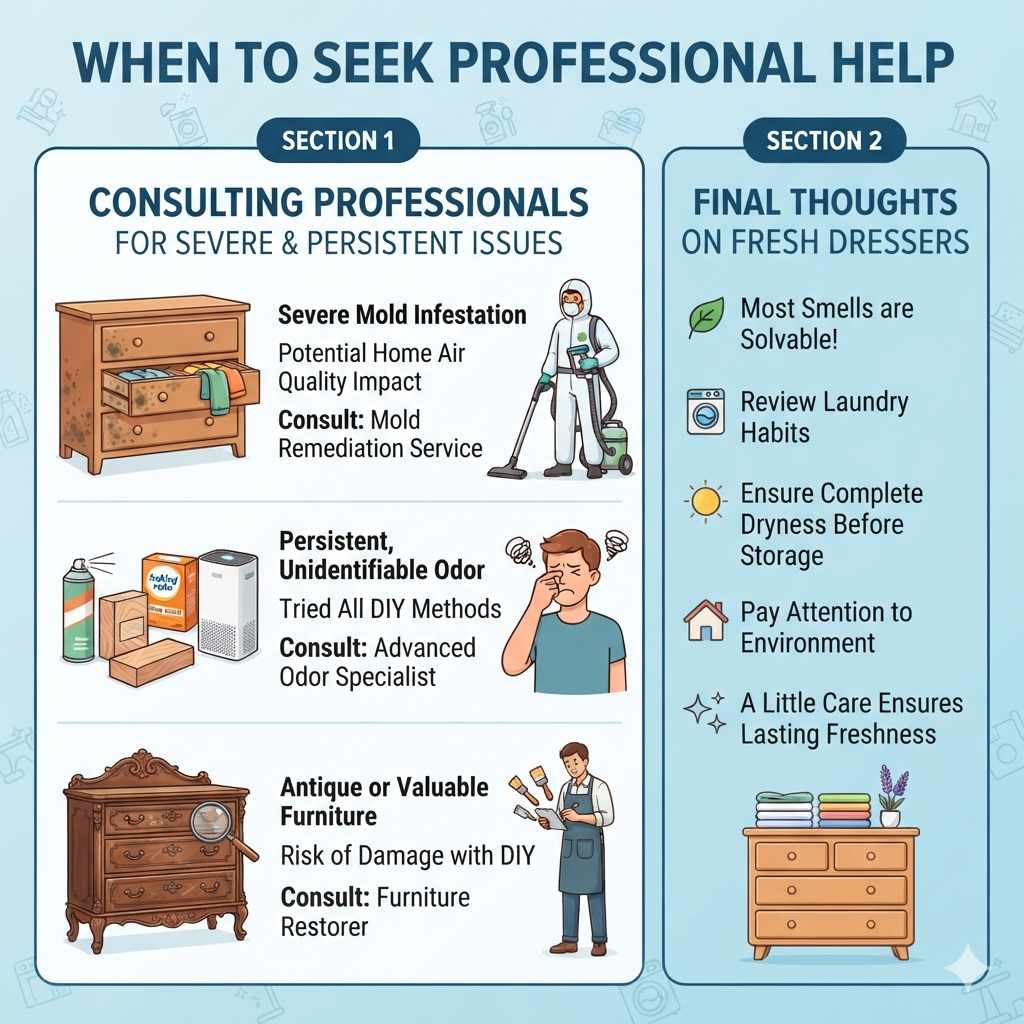
When to Seek Professional Help
For most dresser smell issues, you can handle it yourself. But sometimes, the problem is bigger. If you have a severe mold infestation, it might be more than just your dresser.
This could affect your home’s air quality. In such cases, consider consulting a professional mold remediation service.
If you’ve tried everything and the smell persists, especially if it’s a strong, unidentifiable odor, it might be time to call in an expert. They can help identify unusual sources or recommend more advanced cleaning methods. For antique or very valuable furniture, a professional furniture restorer might be able to advise on cleaning without damaging the piece.
Frequently Asked Questions About Dresser Smells
Why do my clean clothes smell musty after being in the dresser?
This usually means there was residual moisture in the clothes or the drawer. Even a little dampness can lead to mildew growth over time, causing a musty smell. Always ensure clothes are completely dry before folding and storing them.
How can I get rid of a mothball smell from my clothes?
Mothball smell is strong and persistent. First, air out the clothes outdoors for a day or two. You can also try washing them with a cup of white vinegar in the rinse cycle.
For very stubborn smells, consider a soak in a solution of water and baking soda before washing.
Is it normal for a new dresser to have a smell?
Yes, new dressers can have an odor from glues, finishes, or the wood itself (off-gassing). This smell usually fades over time. Keep the drawers open when possible to allow air circulation and help the smell dissipate faster.
Activated charcoal bags can also help absorb these odors.
Can body oils really make clothes smell bad in a dresser?
Absolutely. Body oils and sweat can build up in fabric. If not fully washed out, these residues can break down or react with other elements, leading to stale or sour odors.
Using enough detergent and washing in appropriate temperatures is key to removing them.
What’s the best way to prevent odors in dresser drawers?
The best prevention is to store only completely dry clothes. Ensure good air circulation in the room and the dresser. Regularly wipe out drawers and consider placing an open box of baking soda or activated charcoal pouches inside to absorb any developing odors.
My dresser is in a basement. Will that make my clothes smell?
Basements are often damp and can have a musty smell. If your dresser is in a humid basement, moisture can transfer to your clothes, leading to mildew. The clothes can also absorb the general basement odor.
Using a dehumidifier in the basement and ensuring clothes are perfectly dry before storing them is crucial.
Final Thoughts on Fresh Dressers
Dealing with smelly clothes in your dresser can be a headache. But it’s usually a solvable one. By understanding the common causes like moisture, body oils, and storage issues, you can identify the problem.
Then, you can take steps to fix it.
Remember to focus on complete dryness before folding. Review your laundry habits. And pay attention to the environment your dresser is in.
A little bit of care can go a long way. It ensures your clothes stay fresh and ready to wear.
Related pick: Check today's price on Amazon
Products related to this article
Sponsored / affiliate links. As an Amazon Associate I earn from qualifying purchases. I may earn additional commission from eligible campaigns.