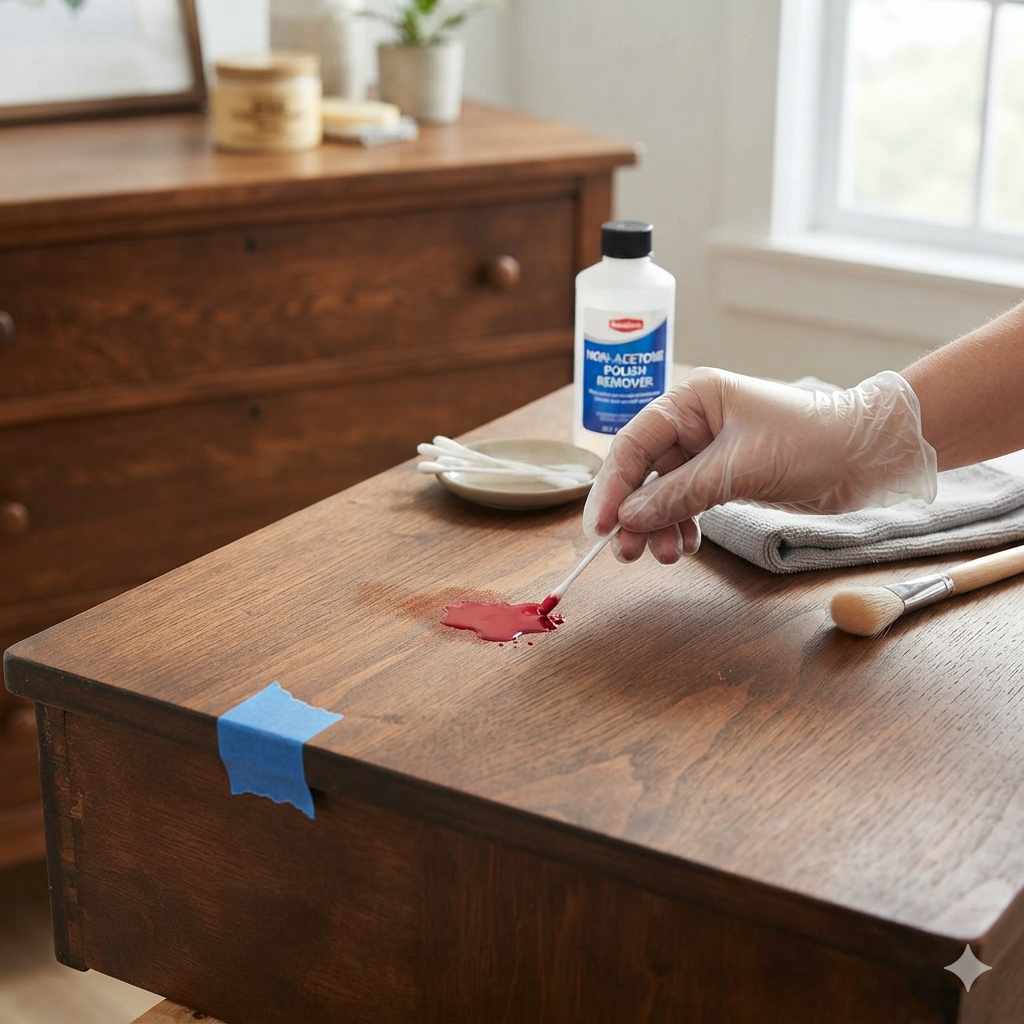
How To Remove Nail Polish From A Wood Dresser Safely
Nail polish can be removed from a wood dresser using gentle, household items. The key is to act quickly and choose a cleaning agent that won’t harm the wood’s finish. Always test in an inconspicuous spot first.
For a related storage or furniture fix, How To Remove Wood Smell From A Dresser Fast helps readers compare the next practical option.
Understanding Nail Polish Stains on Wood
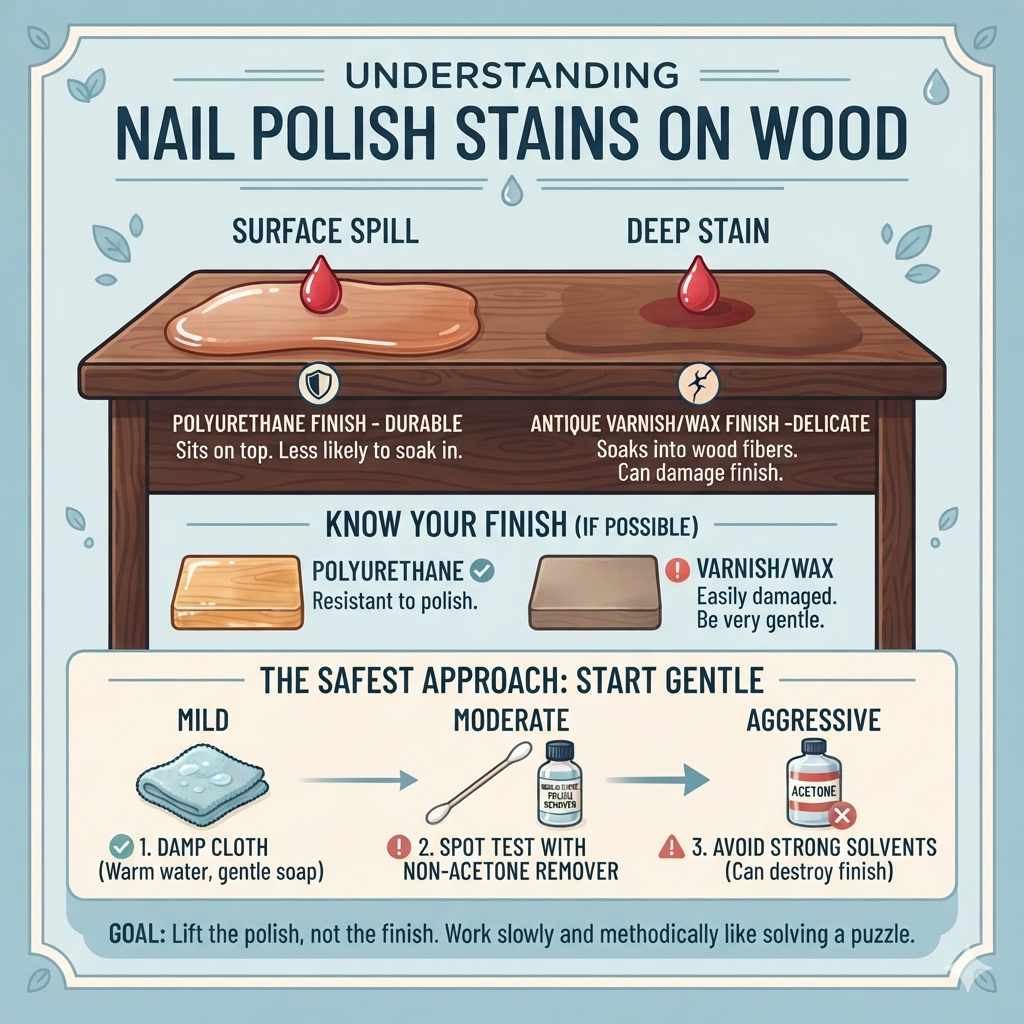
Nail polish is essentially a colored lacquer. When it hits wood, it can sit on the surface or, if the finish is worn, soak in a bit. The main concern is the solvent in the polish, which can sometimes dull or even dissolve certain finishes. Think of it like a tiny, localized spill of something strong. Different types of wood finishes react differently. A thick, durable polyurethane might resist it well. A delicate antique varnish or wax finish could be more easily damaged.
Knowing the type of finish on your dresser can help. However, most people don’t know the exact finish. That’s okay. The safest approach is to start with the mildest methods and work your way up very slowly. The goal is to lift the polish without lifting the finish. It’s like a puzzle: find the right gentle tool to solve the problem.
My Own Polish Panic
I remember this one time, I was trying to redo my nails in my bedroom. I had my favorite navy polish on. My cat, a fluffy menace named Mittens, decided that exact moment was perfect for a full-speed zoomie across my lap. Next thing I knew, a tiny, perfect drop of dark blue landed squarely on the edge of my old oak dresser. My heart did a flip-flop. It was a family heirloom, and the wood had this lovely, warm glow.
Panic set in. My first instinct was to grab the strongest nail polish remover I had, the acetone kind. But then I stopped myself. Acetone is powerful! It can melt plastic. Surely it would destroy the dresser’s finish. I could almost feel my grandmother’s disappointed sigh. I spent the next hour in a frantic, whispered research session online, trying to find a safe way. I ended up using a very dilute solution of dish soap and water, then a tiny dab of rubbing alcohol on a cotton swab, testing it on the underside of a drawer first. Thankfully, it worked without a hitch. But that fear, that moment of thinking I’d ruined something special, stuck with me. It taught me to be super careful.
Gentle Cleaning Methods to Try First
The best way to remove nail polish is to be patient and gentle. Start with the easiest things you probably already have at home.
Dish Soap and Water Method
This is always the first step. It’s so mild, it’s unlikely to cause any harm.
Dish Soap: The Mildest Approach
What to do: Mix a tiny bit of mild dish soap (like Dawn) with warm water. Dip a soft cloth or cotton ball into the solution. Wring it out well so it’s damp, not dripping.
Gently dab at the nail polish spot. Don’t rub hard. The idea is to loosen the polish slowly.
Why it helps: Dish soap is designed to cut grease, but it’s also a gentle surfactant. It can help lift the polish without harsh chemicals. If the polish is fresh and hasn’t bonded to the finish, this might be all you need.
Rubbing Alcohol (Isopropyl Alcohol)
If dish soap doesn’t cut it, rubbing alcohol is the next step up. It’s a solvent, but usually less harsh than acetone.
Rubbing Alcohol: A Bit Stronger
What to do: Grab a cotton swab or a corner of a soft cloth. Dip it into rubbing alcohol (70% is common). Again, make sure it’s not soaking wet.
Carefully dab the polish. Work from the outside edge of the polish spot inward to avoid spreading it. Have a clean, damp cloth ready to wipe away residue.
Why it helps: Alcohol can break down the binders in nail polish. It’s generally safe for most sealed wood finishes, but it’s crucial to test first. Sometimes, it can dull a very delicate finish if left on too long.
Non-Acetone Nail Polish Remover
This is what you buy specifically for removing polish, but it doesn’t have acetone. It’s a good middle ground.
Non-Acetone Remover: A Safer Solvent
What to do: Apply a small amount to a cotton ball or soft cloth. Gently dab the polish spot. Do not saturate the wood.
Work quickly and then wipe the area clean with a damp cloth. Follow up with a dry cloth.
Why it helps: These removers use different solvents that are less aggressive than acetone. They are designed to dissolve nail polish. Still, always test first, as some finishes can react.
Look for formulas that are also conditioning, if possible.
When to Consider Stronger Options (With Extreme Caution)
Sometimes, the polish has been there a while, or it’s a particularly stubborn color. In these cases, you might need to consider something a bit more potent. But tread very, very carefully.
Acetone (Last Resort!)
Acetone is the strongest remover. It works fast, but it can also damage finishes quickly. This is truly a last resort.
Acetone: The Powerful Punch
What to do: Dip the very tip of a cotton swab in acetone. Lightly touch it to the polish spot. Work in tiny, precise motions.
Immediately wipe the area with a clean, damp cloth to remove all traces of acetone. Then dry the spot.
Why it helps: Acetone is a very effective solvent. It will break down nail polish quickly. However, it can also strip finishes, making them cloudy or dull.
You need to be incredibly quick and precise. Never let it sit on the wood.
Experience Note: I used this once on a very old, thick varnish. I was terrified. I used a Q-tip, touched only the polish, and wiped it away with a damp cloth in literally two seconds.
It worked, but I wouldn’t do it again unless absolutely necessary. The risk felt too high.
Understanding Different Wood Finishes and Their Reactions
Wood dressers can have many types of finishes. Each one behaves differently when it meets a spill or a stain.
Sealed Finishes (Polyurethane, Varnish, Lacquer)
Most modern furniture has a sealed finish. This is a protective layer on top of the wood.
Polyurethane is very durable. It’s hard for nail polish to soak through it.
Varnish is also tough but can be less flexible.
Lacquer is beautiful but can be more sensitive to solvents and heat.
For these, the polish sits on top. The goal is to remove the polish without melting or softening the sealant. Gentle methods are usually best. If you must use a stronger solvent, use it for the shortest time possible.
Oiled or Waxed Finishes
Older furniture or pieces with a more natural look might have an oil or wax finish. These are not true sealants. They soak into the wood itself.
Nail polish might soak into the wood more easily here.
Solvents can also penetrate more deeply and affect the wood’s color or grain.
With these finishes, you have to be even more cautious. Dish soap and water is your best friend. Avoid strong solvents. Sometimes, you might need to re-oil or re-wax the spot after cleaning to restore its look.
What to Do Before You Start Cleaning
Preparation is key. Don’t just dive in.
Always Test in an Inconspicuous Area
This is non-negotiable. Find a spot on the dresser that won’t be noticed if something goes wrong.
The underside of a shelf, the back edge, or inside a drawer are good places.
Apply your chosen cleaning solution there. Wait a few minutes. See if it changes the color or dulls the finish. If it does, do not use it on the visible stain.
Gather Your Supplies
Have everything ready before you touch the stain. This prevents you from running off and leaving a harsh cleaner on the wood.
You’ll need:
Soft, lint-free cloths (microfiber is great)
Cotton balls or cotton swabs
Mild dish soap
Warm water
Rubbing alcohol (optional)
Non-acetone nail polish remover (optional)
Acetone (very optional, last resort)
A small bowl for water
Real-World Scenarios: Where Polish Spills Happen
It’s easy to think this won’t happen to you. But life is full of little accidents.
The Bedside Table Mishap
You’re painting your nails before bed. You nod off, and a drop falls onto the edge of your nightstand. It happens! The polish has all night to sit there.
The Makeup Table Mess
You’re doing your makeup at your vanity or dresser. You’re wearing polish. A smudge happens. You try to wipe it off too hard, and it spreads.
The DIY Project Gone Wrong
Maybe you were trying to touch up the dresser’s paint. You had polish on. The brush slipped. Or perhaps you were using nail polish for a craft project near your furniture.
What This Means for Your Dresser’s Finish
The good news is that most modern, sealed wood finishes are quite resilient. A small, fresh spot of nail polish is usually fixable. The key is acting fast and using the right method.
When It’s Probably Okay
If the polish is still wet and you catch it right away, you’re likely in good shape. A gentle wipe with a damp cloth might be enough. If it’s dried but the finish looks okay, start with dish soap.
When to Be Concerned
The polish has spread or smeared significantly. This makes it harder to remove without affecting the surrounding finish.
The finish looks dull, cloudy, or sticky in the spot before* you try to clean it. This means the polish might have already started to damage the finish.
You have an antique or very delicate finish. These are less forgiving.
Quick Tips for Nail Polish Removal Success
Here are some quick ways to remember the best approach.
Quick Tips for Polish Removal
- Act Fast: The sooner, the better.
- Test First: Always on an unseen spot.
- Gentle is Best: Start with dish soap and water.
- Dab, Don’t Rub: Avoid spreading the polish.
- Work Inward: From the edge of the spot to the center.
- Clean Cloths: Use soft, lint-free materials.
- Wipe Clean: Remove all cleaning agents afterwards.
- Dry Well: Prevent water spots or damage.
Common Mistakes to Avoid
It’s easy to make a mistake when you’re trying to fix something. Here are some pitfalls to watch out for.
Using Too Much Product
Drenching the wood is a big no-no. Even mild cleaners can damage the wood or its finish if left too wet for too long. Use just enough to dampen your cloth or cotton swab.
Rubbing Too Hard
Aggressive scrubbing can remove the polish, but it can also remove the dresser’s finish. Be gentle and let the cleaner do the work.
Using the Wrong Cleaner
Acetone is powerful. While it can work, it’s high-risk. If you’re unsure, stick to milder options. Some people might think of using harsh household cleaners, but these are even more likely to damage wood.
Not Testing First
This is the biggest mistake people make. You see a stain, you grab the first thing you think will work, and you apply it. If it damages the finish, there’s often no easy fix. Always test.
Myth vs. Reality: Polish Removal
| Myth: Acetone is always the best way to remove nail polish quickly. | Reality: Acetone is very strong and can damage wood finishes. Always try gentler methods first. Use acetone only as a last resort with extreme caution. |
| Myth: Rubbing harder will get the polish off faster. | Reality: Hard rubbing can damage the wood finish, making the problem worse. Gentle dabbing is more effective and safer. |
| Myth: Any cloth will work for cleaning. | Reality: Rough cloths can scratch the wood. Use soft, lint-free cloths or cotton balls to protect the finish. |
What if the Polish Has Stained the Wood Itself?
Sometimes, the polish has soaked into the wood, especially if the finish is old or worn. This is trickier. The color has bonded with the wood fibers.
Light Stains
If the stain is light and you’ve tried the removers, you might need to consider other options. Sometimes, a gentle wood cleaner might help lift the color. You might also need to do a bit of touch-up with a furniture crayon or stain marker that matches your dresser’s color.
Deep Stains
For deep, set-in stains, you might be looking at a more involved repair. This could mean sanding down the affected area and refinishing it. This is a bigger project and might require professional help if you’re not experienced with woodworking.
Caring for Your Wood Dresser After Cleaning
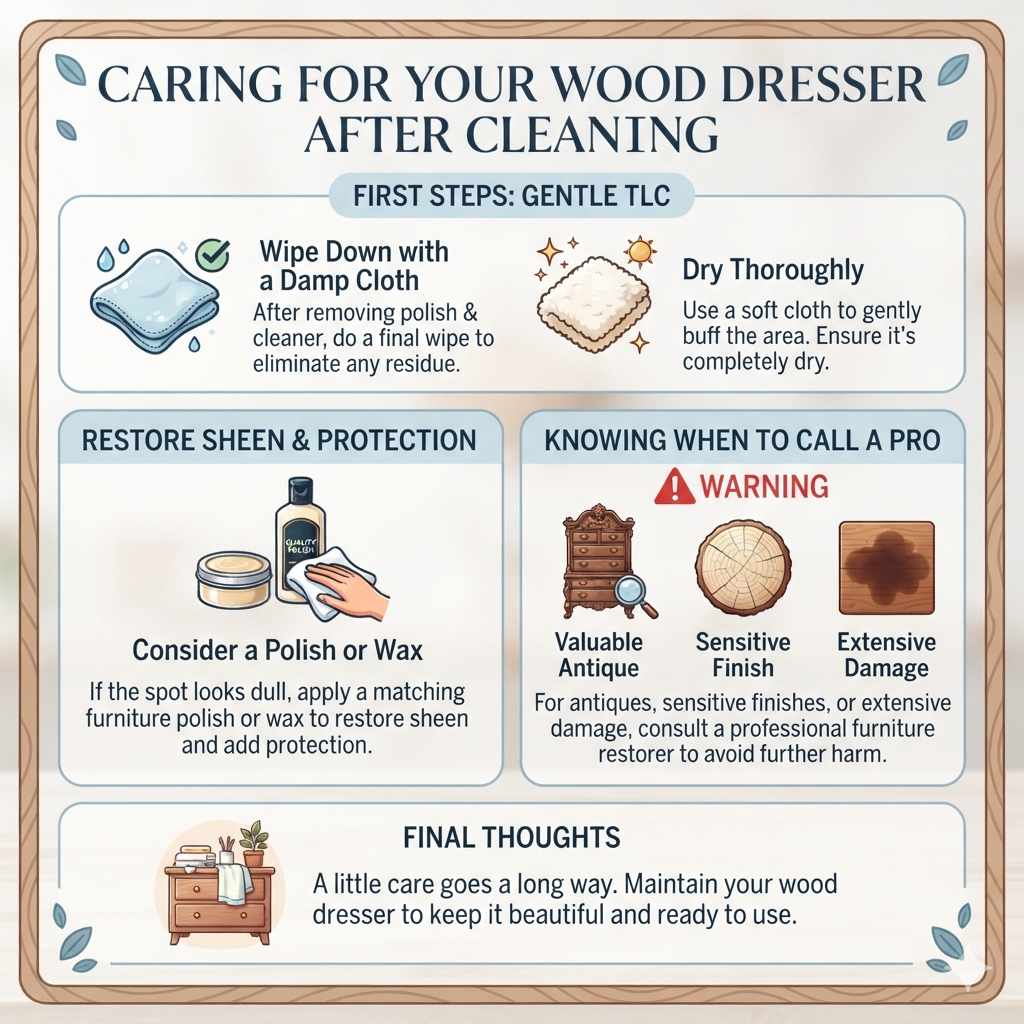
Once the polish is gone, it’s a good idea to give your dresser a little TLC.
Wipe Down with a Damp Cloth
After removing the polish and the cleaning agent, give the area a final wipe with a clean, slightly damp cloth. This removes any lingering residue.
Dry Thoroughly
Use a dry, soft cloth to gently buff the area. Make sure it’s completely dry.
Consider a Polish or Wax
If the cleaned spot looks a bit dull compared to the rest of the dresser, you can apply a good quality furniture polish or wax. This will help restore the sheen and add a bit of protection. Choose a product that matches your dresser’s finish type.
When to Call a Professional
If you have a very valuable antique, a highly sensitive finish, or if the stain is extensive and you’re nervous about making it worse, it’s always best to consult a furniture restorer or repair specialist. They have the expertise and tools to handle delicate situations without causing damage. They can assess the finish and the stain and offer the safest solution. It might cost a bit, but it’s often worth it to save a precious piece of furniture.
Frequently Asked Questions About Removing Nail Polish from Wood
Can I use nail polish remover on my wooden table?
You can use nail polish remover on a wooden table, but it must be done with extreme caution. Always test a small, hidden area first. Start with non-acetone removers and use them sparingly on a cotton swab. Acetone should be your absolute last resort, applied very briefly and then wiped away.
Will regular soap and water remove nail polish from wood?
Regular soap (mild dish soap) and water can help remove fresh, wet nail polish from wood. It’s a very gentle method. For dried-on polish, it might loosen it, but you may need a slightly stronger solution like rubbing alcohol if it doesn’t work alone.
How do I know if my dresser has a sealed finish?
A sealed finish typically looks like a smooth, even layer on the wood. It might have a slight sheen or gloss. When you spill something, it usually beads up on top. If you see water soaking in quickly or the wood looks duller and darker where it’s wet, it’s likely an oiled or waxed finish.
Is it safe to use acetone on antique furniture?
It is generally NOT safe to use acetone on antique furniture unless you are an experienced restorer. Antique finishes are often very delicate and can be easily damaged or dissolved by strong solvents like acetone. It’s best to consult a professional for antique pieces.
What should I do if the nail polish leaves a mark or dull spot after cleaning?
If cleaning leaves a dull spot, the finish may have been affected. You can try applying a good quality furniture polish or paste wax to the area to restore the sheen. For more significant marks, you might need a furniture repair kit or professional help for touch-up or refinishing.
Can I use rubbing alcohol to clean nail polish off a wood floor?
Using rubbing alcohol on a wood floor for nail polish removal is possible but requires caution, similar to furniture. Always test in an inconspicuous spot first. Clean up any residue immediately and consider a floor polish afterward to maintain the finish. Avoid soaking the floor.
Final Thoughts on Polish and Wood
Discovering nail polish on your wood dresser can be a small panic moment, but it doesn’t have to be a disaster. By understanding the issue, starting with gentle methods, and always testing first, you can usually tackle the problem safely. Remember, patience and a light touch are your best allies in preserving the beauty of your furniture. It’s a reminder that sometimes, the simplest solutions are the most effective.
Products related to this article
Sponsored / affiliate links. As an Amazon Associate I earn from qualifying purchases. I may earn additional commission from eligible campaigns.