How to Find a Replacement Key for a Dresser Lock
Find the lock maker and key code stamped on the dresser cylinder. If the code is readable, a replacement key is often possible. If there is no code, or the lock is worn, replacing the cylinder is usually faster. Guessing wrong can waste money, damage the cam, or leave the drawer stuck closed. This guide shows how to identify the lock, read the clues, order the right key, and decide when a new cylinder is the better fix.
Identify the dresser lock first


A dresser cam lock should generally match the key pattern exactly. The fastest path is to identify the lock family, because a dresser cam lock must match the key pattern exactly. A key cut for the wrong furniture lock will not work, even if it looks close.
Look for the key code, brand name, or stamped markings
Check the cylinder face first, then the barrel and tailpiece. A key code is usually a stamped number or letter sequence that tells a locksmith or parts seller what bitting to match. It may also appear on the original key if one exists.
Brand names help too, but the code matters more. If the lock has a readable code, write it down exactly as stamped. One wrong digit can send you to the wrong key family.
Check the cylinder face, barrel, tailpiece, and any old key
Use the old key only as a clue if it came with the dresser. The code on the key, cylinder face, or barrel should match the lock family exactly. If the code is worn off, take clear photos of the front of the lock, the rear cam arm, and the mounting style.
Also inspect the tailpiece, the small metal piece that turns with the key. A loose tailpiece can let the lock cylinder slide forward and backward, which can throw off the fit and make the lock feel bad even when the key is correct.
Separate the lock family from the dresser hardware around it
Do not let the surrounding furniture hardware confuse the ID. A dresser cam lock is the small furniture locking mechanism on the drawer or cabinet face, and the cam arm at the back rotates to secure the drawer. A pin-tumbler cylinder is the internal mechanism inside many of these locks, and it needs the correct key bitting depth to line up the pins.
Those terms overlap in furniture hardware. They are not separate shopping categories you can mix at random. Match the lock family, then match the cylinder size and cam orientation.
Can you get a key made from the lock?
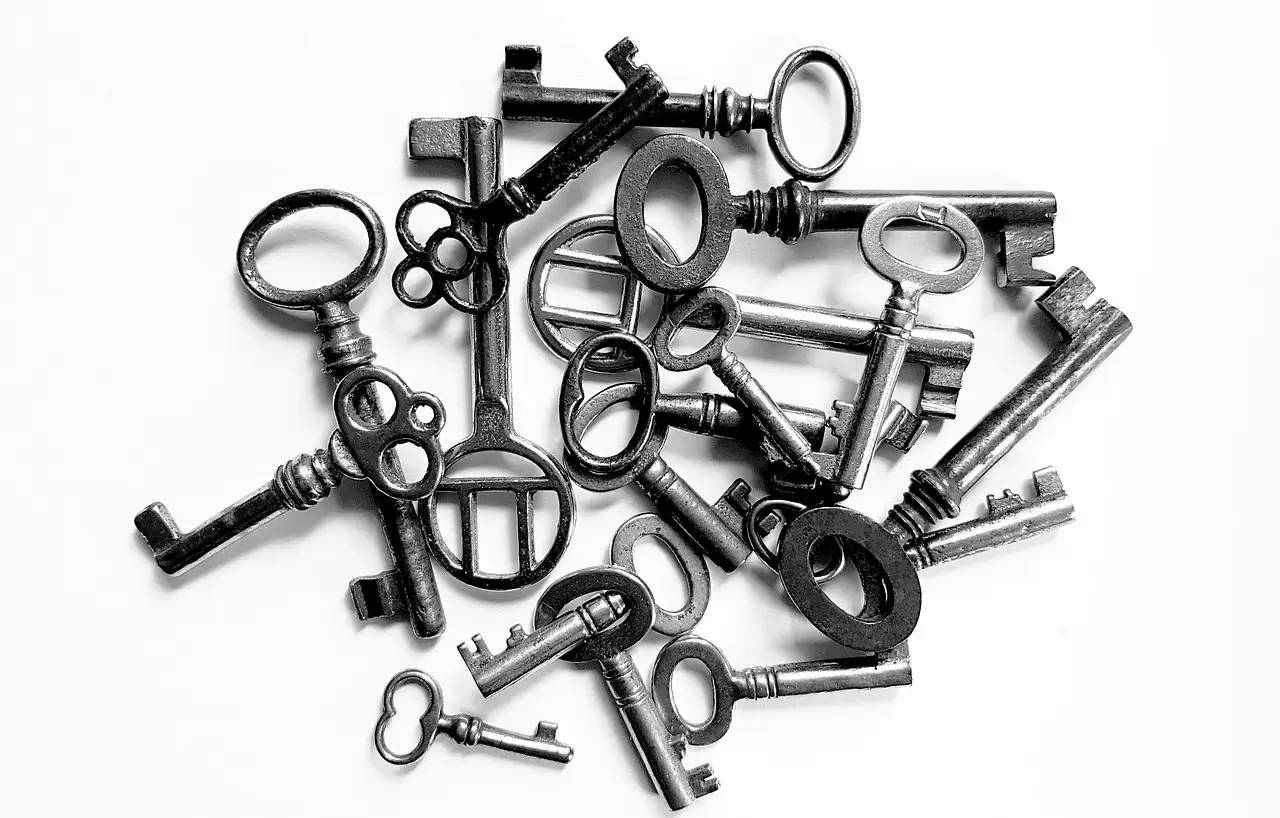
A locksmith can sometimes cut a replacement key from the code or by decoding the cylinder itself. If the lock still turns and the cylinder is readable, a locksmith can often cut a replacement key from the code or by decoding the cylinder itself. If the key code is missing, the lock may still be usable as a pattern source.
When a locksmith can cut from a code
A readable key code is the cleanest route. The locksmith can use that code to match the correct bitting for the same lock family. This works only when the code matches the exact dresser lock type, not a similar-looking furniture lock.
If the code is stamped on the face, barrel, or an old key, give that full string exactly as shown. Include any letters, spaces, or suffix marks. That detail matters.
When a locksmith can decode or impression the cylinder
If the code is missing, a locksmith may decode the lock from the cylinder or impression a key from it. That can work on a serviceable pin-tumbler cylinder, but it is not guaranteed. Wear, rust, and a damaged cam can make the process slow or impossible.
A locksmith may recommend replacement instead when the mechanism is worn, loose, or binding. That is often the better move if the drawer is already stuck shut or the cylinder is badly misaligned.
What a locksmith needs to give you a match
Bring the lock itself if possible. If that is not possible, provide clear photos of the front and back, the stamped code, the brand name if visible, and the dimensions of the cylinder. For a replacement cylinder, the locksmith also needs the diameter, length, and cam orientation.
Suppose the dresser is an older bedroom set with a tiny side drawer lock and no key. A photo of the cylinder face alone may not be enough. The locksmith still needs the physical lock or exact measurements so the new key or cylinder fits the same furniture family.
When no key code is stamped
No code does not mean the lock is a dead end. A removable cylinder, readable hardware details, and a known size can still point to the correct replacement. If the lock is corroded, bent, or built to a scarce pattern, replacement is often the smarter choice.
Use the removable cylinder path
If the cylinder can be removed, take it out and inspect it on the bench. Measure the diameter and length, and note where the cam sits when the key is turned. Replacement lock cylinders are sold in common furniture sizes, but the new one must match those details.
Do not force a cylinder that resists turning or removal. A stuck lock can bend the cam or damage the mounting hole, which makes the next repair harder.
Identify unknown brands by size and hardware details
Unknown brand does not mean unidentifiable. Compare the keyway shape, cylinder length, mounting style, and cam orientation. Those clues often narrow the choice enough for a locksmith or parts supplier to find the right replacement family.
A common first-timer mistake is assuming the lock is rare because the brand is missing. In many cases, the real issue is a standard furniture cylinder with an unreadable stamp.
Decide whether the lock is worth saving
If the lock face is worn smooth, the keyway is damaged, or the cylinder binds even after gentle lubrication, a key match may not be the best use of time. At that point, replacing the cylinder is usually faster and more predictable.
Picture a dresser that has a loose cam arm and a cylinder that slides slightly in the front panel. Even if a key can be cut, the worn parts may still let the drawer pop open or stick shut. Replacement solves the worn parts together.
Dresser lock decision table
Use the visible clue on the lock to choose the next move. This keeps you from ordering the wrong key before you know whether the cylinder itself is worth saving.
| Visible clue on the dresser lock | Best next action | Likely outcome/cost |
|---|---|---|
| Key code present on the face, barrel, tailpiece, or old key | Record the code exactly and ask a locksmith or parts seller for a match | Often the lowest-cost path; key cutting may be possible without replacing the lock |
| No code but removable cylinder | Measure diameter, length, and cam orientation; compare the lock family before ordering | Replacement cylinder is often straightforward; usually includes new keys |
| Stuck or damaged cylinder | Stop forcing the key, use lock-safe lubricant, and consider full replacement | Higher chance of replacement; labor rises if the drawer must be opened first |
| Unknown lock brand | Photograph the lock, measure the cylinder, and bring the lock to a locksmith | May still be matchable by size and shape; if not, replacement is faster |
What to do with a stuck or damaged lock
Do not force a stuck key or twist hard against a seized cylinder. The safest first step is a lock-safe lubricant, then a check for alignment problems. If the mechanism is already damaged, more force can break the keyway or bend the cam.
Try lock-safe lubricant before forcing anything
A Teflon-based lubricant is the preferred option for a sticky mechanism. WD-40 is not a long-term lock lubricant, and graphite can gum up in hot, humid climates. Use only a small amount and work the key gently if the cylinder still turns.
If the key starts moving after lubrication, stop at the point of light resistance and check whether the drawer hardware is binding. A smooth key turn does not always mean the cam is aligned correctly.
Check for a bent cam or misaligned hasp
A bent cam arm or a misaligned hasp can make a good cylinder feel broken. If the cam does not meet the catch squarely, the lock may bind, slip, or fail to latch even with the right key. Inspect the rear hardware before you blame the key code.
A loose tailpiece can also create false symptoms. If the cylinder shifts forward and backward, the lock can lose proper engagement and the drawer may stay half-caught or jammed.
Open the drawer first if the lock is failed shut
If the lock is failed shut, the drawer may need to be opened before any repair can happen. A locksmith can sometimes help with that step, then remove or replace the cylinder once the drawer is accessible. That is often safer than prying at the front of the dresser.
Should you replace the cylinder instead?
Replace the cylinder when the lock is worn, seized, or damaged enough that a clean key match is unlikely. A new replacement cylinder is often cheaper than repeated attempts to decode a bad one, and it usually comes with new keys already matched to that cylinder.
Match diameter, length, and cam orientation
Replacement lock cylinders should match the diameter, length, and cam orientation. Those three details matter more than the dresser brand alone. If any one of them is wrong, the lock may fit loosely, bind, or fail to secure the drawer.
Keep the instructions nearby throughout the installation, and compare the drawer opening with the replacement lock specifications before you buy. That simple check prevents most mismatch problems.
When a full replacement is faster than a key match
A full replacement is often faster when the lock has no code, the cylinder is worn, or the mechanism is stuck shut. It is also the better choice when the drawer hardware is already bent or the lock brand cannot be identified with confidence.
Some locks are more common than others, but common does not mean universal. The part still has to fit the exact furniture opening and cam layout.
What replacement cylinders usually include
Most replacement furniture cylinders include new keys. Some are keyed alike, which means one key works multiple locks from the same set, while others are unique-keyed and work only with their own cylinder. Choose the style that matches how you want the dresser to function.
If the old lock was already loose, chipped, or hard to turn, replacing the whole cylinder can solve the key problem and the hardware problem at the same time.
How much does it cost?
Costs depend on whether you are cutting a key, decoding a lock, or replacing the whole cylinder. Small furniture locks usually cost less than larger built-in hardware, but the total can change quickly if the drawer must be opened first or the lock is badly worn.
Key-cutting and locksmith pricing
Key-cutting is usually the least expensive route when the code is readable. Locksmith pricing rises when the code is missing and the lock must be decoded or impressed by hand. If the cylinder is damaged, the locksmith may quote replacement instead of key work.
Ask what the quote covers: code cutting, decoding, removal, or installation. Those are different jobs, and they do not always cost the same.
Replacement cylinder pricing
Replacement cylinder pricing varies by model and region. A standard furniture cylinder is often sold as a small kit with keys, but the final cost depends on whether the lock is keyed alike, unique-keyed, or tied to a less common furniture pattern.
If the lock is odd-sized or the cam orientation is unusual, expect more time spent matching parts. That can raise the total more than the part itself.
What changes the total cost
The main cost drivers are code availability, cylinder condition, and access. A readable code keeps the job simple. A missing code, a stuck key, or a failed shut drawer adds labor and can push the job toward replacement.
For a dresser lock, the smartest path is usually the least complicated one that still fits the hardware exactly. That is why identification comes before ordering anything.
Frequently asked questions
Can you get a key made for a dresser lock without the original key?
Yes, sometimes. A locksmith may cut a key from the lock code, decode the cylinder, or impression a working key from the mechanism itself. If the lock is worn, seized, or damaged, a replacement cylinder may be faster and more reliable.
How do I identify the lock brand or key code on a dresser lock?
Check the cylinder face, barrel, tailpiece, and any old key for stamped numbers or letters. Brand names help narrow the search, but the exact code is what matters for cutting the right key. Photograph the lock from the front and back if the stamp is faint.
What if my dresser lock has no key number stamped on it?
Use the removable-cylinder path. Measure the diameter and length, note the cam orientation, and compare the keyway shape and mounting style. If the lock is damaged or the brand cannot be identified, replacing the cylinder is often the better choice.
Should I rekey, replace, or remove the dresser lock?
Rekeying only works when the cylinder is still sound and the lock family can be matched. Replace the cylinder if the mechanism is worn, stuck, or damaged. Remove the lock only if you no longer want the dresser to lock and the hardware can be safely taken out.
Can a locksmith make a key from the lock itself?
Often, yes. A locksmith can sometimes decode a pin-tumbler cylinder or impression a key from the lock body. That depends on wear, damage, and whether the cylinder is still aligned well enough to read. If not, the locksmith may recommend replacement.
How much does it cost to replace a small furniture lock?
Small furniture lock pricing varies by model and region. The total can be low if you only need a common replacement cylinder, but it rises if the lock is stuck, the drawer must be opened first, or the part is an uncommon size.
What if the key is stuck or the lock is damaged?
Do not force it. Try a Teflon-based lubricant first, and avoid WD-40 as a long-term fix. If the lock still binds, check for a bent cam or a loose tailpiece. Severe wear or damage usually means replacement is the cleaner repair.
Products related to this article
Sponsored / affiliate links. As an Amazon Associate I earn from qualifying purchases. I may earn additional commission from eligible campaigns.