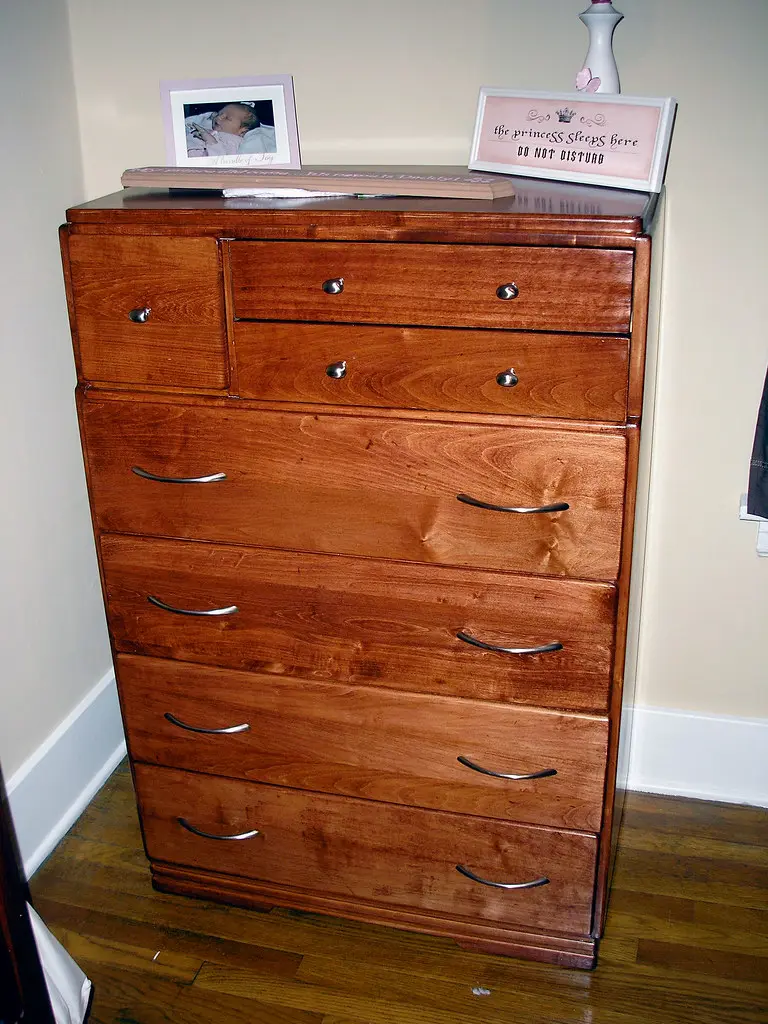
Best Dresser Paint for Laminate Surfaces: Top Picks
A good approach for laminate surfaces is often a bonded system: a bonding primer plus a hard cabinet enamel or acrylic-alkyd topcoat. Choose satin for a more forgiving look and semi-gloss if easier cleaning is a priority. Skip prep and the finish can peel, chip, or scratch fast.
This guide is part of our Dresser care and maintenance guide series.
Laminate furniture often has a hard, shiny finish that resists paint adhesion. That means the best paint choice changes with the surface condition, not the brand alone. A thrifted dresser with intact laminate can take a very different stack from one with lifting edges or tape contamination.
- 150 grit sandpaper
- 220 grit sandpaper
- Adhesive remover or paint stripper for tape residue, sticker glue, or old repairs
- Bonding primer, with Sherwin-Williams Multi Purpose Primer as the preferred option
- Mohair roller and a clean brush for edges
- Sherwin-Williams Pro-Classic for light or medium colors
- Sherwin-Williams All Surface Latex Enamel for deeper colors
- Dry time extender for latex enamel
- Clean rags, damp rag, tack cloth, and vacuum attachment
- Painter’s tape, drop cloth, and a dust mask
What is the best paint for a laminate dresser?
How laminate condition changes the paint choice
Intact laminate can often be painted after scuffing, cleaning, applying a bonding primer, and using a durable enamel topcoat. Chipped but stable laminate needs edge repair before paint. Bubbling or lifting laminate should not be painted yet, because the problem is already affecting the finish.
Mixed-material dressers need even more care. A drawer front might be laminate, while the frame is wood or MDF, and each surface may need slightly different prep. The paint system stays the same, but the repair work and sanding pressure do not.
When cabinet paint is a good fit
Regular cabinet paint can work on laminate if it is applied over a real bonding primer and the dresser is in good shape. For light or medium colors, a durable cabinet-style topcoat is often a solid choice. For deeper colors, Sherwin-Williams All Surface Latex Enamel is the better fit.
What you’ll need before you start
Gather the prep tools before opening paint. Missing one step usually means rushing the dry times or painting over residue, and that is where peeling starts.
- Check every laminate panel for lifting edges, bubbling, chips, and old repairs.
- Remove stickers, tape residue, and glue with adhesive remover or paint stripper before any sanding.
- Scuff the laminate with 150 grit sandpaper until the shine looks dull, not gouged.
- Vacuum and wipe away dust with a damp rag.
- Roll on two thin coats of bonding primer with a mohair roller.
- After primer dries, lightly sand with 220 grit sandpaper and remove dust again.
- Apply the topcoat in thin coats, then let each coat dry fully before recoating.

Do you need to sand laminate before painting?
Yes. Laminate needs mechanical scuffing because the surface is hard and slick. A 150 grit sandpaper pass removes sheen without cutting through the laminate layer, which gives primer something to grip. Cleaning alone will not give this surface enough tooth.
Start by washing off grime, then deal with contamination. If a dresser has tape marks, sticker glue, or waxy residue, use adhesive remover or paint stripper first. Sanding over that mess just pushes it around and weakens adhesion.
How to clean the dresser first
Wipe the piece down, then inspect corners, drawer edges, and repairs under bright light. Mixed-material thrifted pieces often hide old adhesive at the back edge or inside the drawer front. Those spots need a real cleanup before sanding.
Scuff sanding with 150 grit
Use 150 grit sandpaper in light, even passes. The goal is tooth, not removal. If the laminate starts looking patchy or thin at an edge, stop. That area is usually too damaged and needs repair before paint.
Dust removal before primer
After sanding, wipe away dust with a damp rag. Do not leave powder in corners or along routed edges. Dust trapped under primer can telegraph through the finish and make the topcoat feel rough.
What primer should you use on laminate furniture?
Use a bonding primer, not a generic wall primer. A bonding primer is often the preferred option here because it sticks to difficult surfaces and can help build a longer-lasting finish on slick laminate. Primer matters more than the topcoat on this material.
Apply the primer in two thin coats with full dry time between coats. After the first coat dries, a light sanding with 220 grit sandpaper can knock down texture and help the second coat lay flatter. Then remove dust again before moving to paint.
Using Sherwin-Williams Multi Purpose Primer
Load a mohair roller lightly and keep the coat thin. A mohair roller helps spread primer evenly and reduces texture on furniture surfaces. Heavy primer fills brush marks but often leaves a rougher film that shows through the topcoat.
Applying 2 thin coats and waiting for full dry time
Two thin coats give better grip than one heavy coat. Let the first coat dry completely before the second. If the primer still feels tacky, the next coat can soften it and reduce durability.
How do you paint the dresser for the finish you want?
Choose the topcoat based on color depth and cleaning needs. Sherwin-Williams Pro-Classic is a strong choice for light or medium colors. Sherwin-Williams All Surface Latex Enamel is better when the project needs deeper colors, especially if the dresser will be handled often.
A dry time extender helps latex enamel level out before it sets, which can reduce roller texture and drag marks. Thin coats matter here too. Thick paint looks faster at first, then dries with sags, ridges, and weak spots.
Use Pro-Classic for light or medium colors
Roll or brush it on in light passes and keep a wet edge. For a smoother look, do not overwork the paint after it starts to set. Let each coat dry fully before adding the next.
Use All Surface Latex Enamel for deep-base colors
Deep colors often need more leveling help, so the dry time extender is useful. Mix it as directed on the container, then apply thin coats. That extra working time helps the paint settle more evenly on furniture panels.
What is the best paint for a laminate dresser?
For intact laminate, the best system is 150 grit scuff sanding, a bonding primer such as Sherwin-Williams Multi Purpose Primer, and a durable cabinet enamel topcoat matched to the color goal. For light or medium colors, Pro-Classic is a good fit. For deep colors, use All Surface Latex Enamel with a dry time extender.
If the dresser is chipped but stable, repair the damage first and then use the same stack. If the laminate is bubbling or lifting, do not paint yet. The finish will follow the failure underneath.
| Laminate condition | Color depth | Finish goal | Prep | Primer | Topcoat | Do not paint yet? |
|---|---|---|---|---|---|---|
| Intact laminate with a smooth edge | Light or medium | Durable satin | 150 grit scuff, dust removal | 2 thin coats of Sherwin-Williams Multi Purpose Primer | Sherwin-Williams Pro-Classic | No |
| Intact laminate with a smooth edge | Deep | Durable satin or semi-gloss | 150 grit scuff, dust removal | 2 thin coats of Sherwin-Williams Multi Purpose Primer | Sherwin-Williams All Surface Latex Enamel with dry time extender | No |
| Chipped but stable laminate | Light or medium | Smoother painted look | Repair chips, 150 grit scuff, 220 grit smooth, dust removal | 2 thin coats of bonding primer | Pro-Classic | No, after repairs |
| Bubbling or lifting laminate | Any | Any | Stop; repair or replace damaged laminate first | None yet | None yet | Yes |
| Mixed-material dresser with laminate panels | Any | Even factory-like finish | Mask non-laminate parts, prep each material separately | Bonding primer on laminate sections | Match topcoat to color depth | Only if laminate is lifting |
Common mistakes that cause peeling
Peeling usually comes from one of four failures: residue left under the primer, skipped scuff sanding, heavy coats, or painting laminate that was already lifting. Fix those and the finish has a far better chance of holding up.
- Remove tape residue and old adhesive before sanding.
- Do not skip the 150 grit scuff sand.
- Apply primer in two thin coats, not one heavy coat.
- Use 220 grit only for light smoothing after primer, then remove dust.
- Do not paint bubbling or lifting laminate until it is repaired.
Cost breakdown: expect the primer to be the main durability cost, with sandpaper, cleaning supplies, and a mohair roller adding a smaller prep cost. The paint and extender are usually the largest finishing cost if you choose a deep color. Budget for the full stack before starting, because laminate repainting is not the place to cut corners.
Prevention: keep the laminate clean and dry during the project, and wait for full dry time between primer and paint coats. Rushing recoats traps softness under the finish and raises the odds of edge peeling later.
If that didn’t work: if the finish still peels after proper prep, remove the failed coating, inspect for hidden lifting edges or old adhesive, and repair the laminate before repainting. When the substrate keeps moving, more paint will not fix it.
Frequently asked questions
Can I use regular cabinet paint on laminate?
Yes, if the laminate is intact and you first scuff sand, clean, and prime it with a real bonding primer. Cabinet paint without that prep is a short path to peeling, especially on thrifted pieces with slick, worn, or repaired surfaces.
How do I stop paint from peeling on laminate?
Start by removing residue, then scuff sand with 150 grit, prime in two thin coats, and let each layer dry fully. If edges are bubbling or lifting, repair them before painting. Paint failure usually starts with the surface, not the color coat.
How many coats of primer and paint do I need?
In many dresser projects, use two thin coats of bonding primer, then two thin coats of topcoat. If the color is deep, a third coat may be needed for coverage. Let each coat dry fully before recoating to keep the film hard and even.
Products related to this article
Sponsored / affiliate links. As an Amazon Associate I earn from qualifying purchases. I may earn additional commission from eligible campaigns.