
Can You Paint an IKEA Dresser?
Yes, if you match prep to the dresser surface: solid wood can be sanded and primed; laminate needs scuff sanding, bonding primer, and a careful topcoat choice; melamine or foil-faced parts need stronger adhesion prep or a slower, more failure-prone paint job. Skip that, and the finish chips, peels, or scratches quickly. This guide breaks down each IKEA surface type and the prep that gives the most durable result.
What you’ll need


- Phillips screwdriver and hex keys for disassembly and hardware removal
- Drop cloths or cardboard
- Degreasing cleaner or a mild soap-and-water mix
- Lint-free cloths
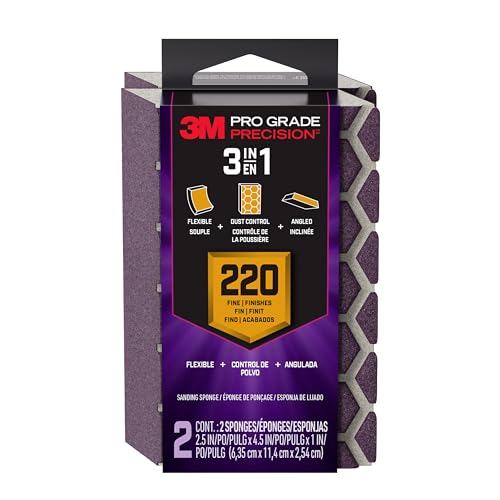
- Fine-grit sandpaper in about the 120 to 220 range
- Sanding block or soft sanding sponge
- Vacuum with brush attachment or tack cloth
- Oil-based primer, if you want a slower-drying option on smooth IKEA surfaces
- Acrylic latex or furniture paint in the sheen you want: matte, satin, or glossy
- Water-based polyurethane topcoat for painted furniture when you want a clear, non-yellowing sealer
- Paintbrushes, foam rollers, or a sprayer if the product label allows it
- Painters tape for edges you want to keep clean
Which IKEA dresser finish do you have?
The surface type decides everything that follows. IKEA dressers are sold in many sizes, and the same brand can include oak, pine, birch, particleboard, MDF, laminate, veneer, painted wood, and foil-wrapped parts. Budget pieces often have a laminate finish over particleboard or MDF, which is the hardest surface to paint well without prep.
| Surface type | How to identify it | Minimum prep | Primer choice | Paint choice | Topcoat needed | Failure risk |
|---|---|---|---|---|---|---|
| Laminate | Smooth, synthetic surface with a plastic-like sheen; common on budget IKEA pieces | Clean, then scuff sand with 120 to 220 grit | Shellac-based primer; oil-based primer also works on smooth surfaces | Acrylic latex or furniture paint | Yes, if you want extra wear resistance; water-based polyurethane works well | High if you skip cleaning or sanding; peeling often starts at edges and drawer fronts |
| Painted wood | Looks like an already-coated wood surface; may be matte or satin | Clean and lightly sand | Adhesion primer or bonding primer | Acrylic latex or furniture paint | Optional, based on use | Moderate if the old coating is glossy or dirty |
| Veneer | Thin wood layer with grain that looks real but can chip at corners | Clean and sand lightly | Adhesion primer | Acrylic latex or furniture paint | Recommended for high-use pieces | Moderate to high if you sand through the veneer |
| Foil wrap | Very smooth printed skin over particleboard; often seen on low-cost storage | Clean and scuff sand carefully | Shellac-based primer | Acrylic latex or furniture paint | Yes | High; lifting edges and drawer corners are common failure points |
| Raw wood | Open grain, no factory topcoat, usually easier to absorb primer | Sand, remove dust, and spot-fill as needed | Standard wood primer or bonding primer | Acrylic latex or furniture paint | Optional; useful for family-use furniture | Low if the wood is sound and clean |
| Do not paint yet | Swollen particleboard, chipped MDF, or damaged edges that crumble when pressed | Repair first; do not prime over damage | None yet | None yet | None yet | Very high; paint will not fix structural damage |
Suppose you have a MALM dresser with a smooth factory surface. That type often needs more adhesion prep than a wood dresser, so the likely win is scuff sanding, shellac-based primer, and thin paint coats. By contrast, an IKEA HEMNES dresser in white stain or black-brown is a more paint-friendly candidate because it is sold as solid wood.
Can you paint an IKEA dresser?
Yes, but only if you treat the surface correctly. Solid wood usually accepts primer and paint with standard prep, while laminate, veneer, and foil-faced pieces need more careful cleaning, scuff sanding, and the right primer to keep the finish from peeling around corners, drawer fronts, and hardware holes.
That difference matters more than the color you choose. IKEA laminate furniture is a synthetic surface under a clear plastic coating, so it is the most likely to peel if prep is skipped. The safer path is to identify the surface first, then choose the prep that matches it.
What makes laminate harder to paint
Laminate is often seen on budget flat-pack pieces and is commonly backed by particleboard or MDF. It is smooth, low-adhesion, and easy to chip at edges. Clean it, then scuff it so the primer has tooth.
What makes wood easier to paint
Painted wood, solid wood, and raw wood give primer more to grip. IKEA’s HEMNES line is a useful example: the HEMNES 8-drawer dresser is sold in white stain and also in black-brown, and that kind of wood base is usually more forgiving than a slick laminate shell.
Can you repaint an IKEA MALM or HEMNES dresser?
Yes. A MALM dresser is the one that usually deserves the most prep attention because its smooth finish can resist adhesion. A HEMNES dresser is generally easier, especially if the surface is solid wood or stained wood, but it still benefits from cleaning, light sanding, and a primer matched to the existing coating.
IKEA also sells dressers in a range of shapes, from wide and narrow to short and tall. That matters because larger drawer fronts and longer rails give peeling more places to start if the coating is weak. For example, the BRIMNES 4-drawer dresser is sold in black and white, with a listed width of 30 3/4 inches, a depth of 18 1/8 inches, and a height of 48 7/8 inches. More surface area means more chance to spot prep mistakes.
How to paint an IKEA dresser
Start with disassembly, then clean, scuff sand, prime, paint, and seal if the surface needs extra wear resistance. The sequence matters. Coat over grease or skip primer on a slick finish, and the paint may look fine at first, then fail at drawer edges, pulls, and corners.
- Remove knobs, pulls, drawers, and any loose parts you can safely take off.
- Wipe every painted area with a degreasing cleaner, then let it dry fully.
- Scuff sand the surface with 120 to 220 grit until the shine is dulled.
- Vacuum or wipe away dust before priming.
- Apply shellac-based primer on laminate or other slick parts; use oil-based primer if you need a slower-drying alternative on smooth IKEA surfaces.
- Let the primer dry according to the can, then sand lightly if the surface feels rough.
- Brush or roll on thin coats of acrylic latex or furniture paint in the sheen you want.
- If you need a washable finish, add a water-based polyurethane topcoat after the paint cures.
Choose the right finish for the goal
For a budget refresh, acrylic latex paint over adhesion primer is usually enough. For a wood-look result, keep the surface as even as possible and choose a satin or matte sheen. For a dresser that gets regular use and wiping, a water-based polyurethane topcoat can add a clear protective layer without the yellowing that some older sealers may cause.
Can you paint IKEA furniture without sanding?
Sometimes, but it is the riskier route on laminate, foil wrap, and other slick finishes. If the surface is already dull, sound, and clean, some products can bond with only a very light scuff. On glossy or plastic-like coatings, sanding is still the safer choice because primer needs tooth.
Fine-grit sandpaper in the 120 to 220 range is the practical middle ground. A common first-timer mistake is trying to skip sanding because the dresser “feels smooth enough” already. Say your dresser has a shiny MALM-style finish with drawer rails that get handled daily; scuff sanding those high-touch areas lowers the chance of visible peeling later.
When sanding between coats helps
If a dried coat feels rough or shows brush marks, a light pass with fine-grit sandpaper can level it before the next coat. Keep the pressure light. You want to remove nibs, not cut through the finish.
Common mistakes
Most paint failures on IKEA dressers happen at the same places: drawer fronts, edges, hardware holes, and high-touch rails. Those spots get the most abrasion, so weak prep shows there first.
- Painting over swollen particleboard or damaged edges: repair those areas first. Paint cannot rebuild crumbling material.
- Applying heavy coats: thin coats dry harder and are less likely to sag or stay soft.
- Recoating too soon: let each layer dry fully so the next coat does not lift it.
- Leaving hardware on: remove knobs and pulls before painting so you can coat edges and nooks cleanly.
Can you paint IKEA furniture without primer?
Only on a sound, porous wood surface where adhesion is already good. On laminate, melamine, and other smooth IKEA surfaces, primer is the step that gives the paint a chance to hold. Without it, the finish is much more likely to chip at corners and handles.
Can you paint IKEA furniture with emulsion?
Emulsion can work on some furniture, but it is usually better suited to walls than to high-wear dresser surfaces. If you use it, pair it with a suitable primer and add a protective topcoat, because emulsion alone is not the toughest choice for drawer fronts and rails.
Frequently asked questions
Can you repaint an IKEA dresser?
Yes. Repainting works best when you identify the existing finish first, then match it to the right prep. Solid wood can be cleaned, sanded, primed, and repainted more easily than laminate. On slick surfaces, scuff sanding and an adhesion primer are the difference between a durable coat and early peeling.
Can you refinish an IKEA dresser?
Yes, but “refinish” means different things depending on the surface. Raw wood can be sanded and recoated. Laminate usually cannot be stripped into a wood finish, so the practical refinish is a painted one with primer, paint, and sometimes a clear topcoat.
Can you paint an IKEA Hemnes dresser?
Yes. HEMNES dressers are a better paint candidate than most laminate units because they are solid wood. Clean the surface, sand lightly, then use a wood primer or bonding primer before acrylic latex or furniture paint. A clear topcoat helps if the dresser gets heavy daily use.
Can you paint an IKEA Malm dresser?
Yes, but MALM-style smooth finishes need stronger adhesion prep than raw wood. Clean thoroughly, scuff sand, and use shellac-based or other bonding primer before painting. Without that step, the paint is more likely to lift around drawer edges and handles.
Can you spray paint an IKEA dresser?
Yes, if the primer and paint are rated for the surface and you can control overspray. Spraying helps on drawer fronts and flat panels, but it does not replace prep. A sprayed coat over unclean laminate can still peel just as fast as a brushed one.
Products related to this article
Sponsored / affiliate links. As an Amazon Associate I earn from qualifying purchases. I may earn additional commission from eligible campaigns.