
How to Stop Dresser Drawers From Sticking in Humid Weather
Check fit first: if a wooden dresser drawer sticks mainly in humid weather, dry the room, then apply a light coat of wax or dry lubricant once. Sand or plane high spots only if the drag remains. Ignoring it can wear finish, swell joints, and turn a seasonal nuisance into a crooked drawer. This guide shows how to diagnose humidity swelling, choose the right fix by drawer type, and keep the drawer from sticking again.
Tight drawers, seasonal patterns, and required tools


Humidity raises the moisture content of wood, so clearances shrink and a drawer that moved freely in dry weather can bind at the front edges, sides, or bottom. If the problem eases after a dry spell, swelling is more likely than a broken track.
Wood-on-wood runners are common in vintage or traditional dressers, and those parts slide directly along wooden tracks. Even a thin layer of swelling or grit can change the fit enough to create drag.
Look for a seasonal pattern. If the drawer feels tight in summer and looser in winter, or only one corner rubs, humidity is usually part of the problem. If it sticks year-round, a warped bottom, loose screw, or misaligned track is more likely.
What you’ll need
- Vacuum with crevice tool
- Soft cloth
- Paste wax or graphite powder for wood runners
- Screwdriver
- Flashlight
- Optional drawer liner material or thin shims
Humidity drawer triage table
Use this table before you pull hard or add lubricant. The right fix depends on whether the drawer rides on wood, metal, or a mix of parts, and the wrong product can hide a fit problem instead of solving it.
| Case | Symptom | Likely cause | Best fix | What not to do |
|---|---|---|---|---|
| Wood-on-wood runners | Tight at the front, easier once it starts moving, worse in humid weather | Wood swelling, dust on runners, or rough contact on the rails | Vacuum the tracks, check fit, then apply wax or graphite powder to the wooden rails | Do not force the drawer or soak the rails with oil |
| Metal slide | Grabs halfway out, clicks, or stops at the same point on both sides | Debris in the track, loose screws, or a misaligned slide with release levers | Remove the drawer, tighten hardware, and clean the side tracks | Do not rub wax on coated metal unless the maker allows it |
| Mixed-material dresser | One side binds while the other moves, or the drawer drops after release | Wood swelling plus a metal or center-mounted glide out of alignment | Inspect both the wood contact points and the hardware, then clean and realign | Do not assume one lubricant fixes both surfaces |
How do I tell whether my dresser has wood-on-wood or metal slides?
Check the underside and side edges before you pull hard. Wood-on-wood runners have plain wooden contact surfaces. Metal glides show side tracks, rollers, or levers. Center-mounted glides use one rail in the center underneath the drawer, and soft-close mechanisms often hide clips on both sides.
Different dresser styles use wooden slides, metal rails, safety stops, and soft-close tracks. The hardware type matters because the removal method and the right lubricant change with it.
- Open the drawer until you can see the side edges and underside.
- Use a flashlight to look for wooden rails, side tracks, or a center rail.
- Look for release levers near the front of metal slides.
- Check for hidden clips if the drawer closes slowly on its own.
- Stop and identify the mechanism before you pull again.
Can I remove a sticky dresser drawer without damaging it?
Yes, if you support the drawer and release the hardware the right way. For wood-on-wood runners, a slight front lift before pulling can help. For metal glides with levers, press the release levers at the same time. The drawer can fall fast once free, so keep one hand under it.
Suppose a 30-inch dresser drawer stops halfway on a humid day. A front lift and a vacuumed track may free it without force. If the drawer drops as soon as the levers release, that is normal for many side-track systems, so be ready to catch it.
- Empty the drawer enough to reduce weight.
- Pull it until you can reach the stops or levers.
- For wood runners, lift the front slightly and pull straight out.
- For metal glides, press both release levers together while keeping the drawer level.
- Support the drawer as it comes free.
What if my drawer is stuck because of swollen wood?
If swollen wood is the problem, reduce friction first, then check the fit again. Cleaning the runners and letting the room dry often helps more than force. Only after that should you trim or sand high spots, and only if the drag stays in the same place.
- Vacuum the drawer cavity and the wooden tracks.
- Wipe the runners with a dry soft cloth.
- Let the room dry, then test the drawer again.
- If the same spot still binds, mark the rubbing edge lightly with chalk or pencil.
- Remove only the marked high spot, then retest after each pass.
What can I put on dresser drawer slides to make them move better?
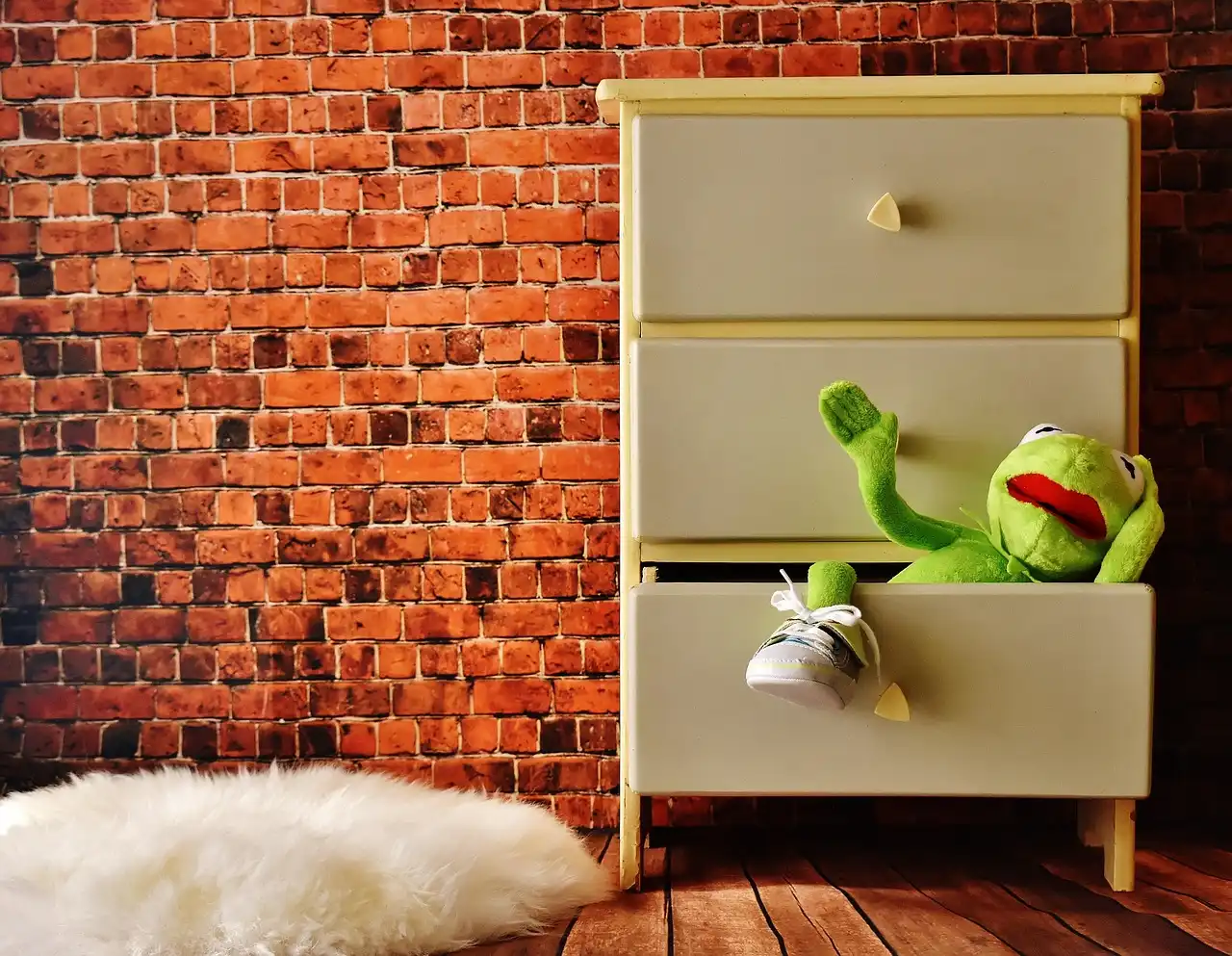
Use wax on wood-on-wood runners and graphite powder when you want a dry lubricant that leaves little residue. For metal slides, cleaning and tightening usually matter more than adding product. If the glide has a factory coating or soft-close parts, skip random lubricants unless the maker allows them.
A wax lubricant can help wooden rails slide more smoothly and can make later removal easier. Graphite powder is also suitable for wooden runners. Both work best after debris is gone, because lubricant on top of dust can turn into paste.
- Clean the runner or track first.
- Apply a light coat of paste wax to wooden rails, then buff it dry.
- Or tap a trace of graphite powder onto the same wooden contact areas.
- Move the drawer in and out a few times, then recheck the fit.
- Add another thin pass only if the drawer still drags.
Should I use wax, graphite, or soap on sticky dresser drawers?
Wax is the safer default for wood runners. Graphite is a good dry option for wooden tracks when you want less residue. Soap is more variable and can leave buildup, so it is better to avoid it unless you know the drawer is plain wood and the finish can handle it.
Do not over-lubricate metal slides in the hope that more product means less friction. On coated or soft-close hardware, too much wax or grease can attract dust and interfere with the mechanism.
- Choose wax for visible wooden runners.
- Choose graphite when you want a dry, low-mess lubricant for wood.
- Avoid heavy oil on tracks and avoid coating metal hardware unless instructions call for it.
- After adding any lubricant, move the drawer through a full cycle and wipe away excess.
How do I fix a dresser drawer that only sticks in summer?
Seasonal sticking usually means humidity is changing the fit, not that the dresser is failing. Start with dry-season cleaning, then watch whether the drawer loosens when indoor humidity drops. If it only binds in summer, the goal is prevention: reduce moisture swings, keep tracks clean, and avoid overfilling the drawer.
A common mistake is yanking the top drawer harder each muggy afternoon instead of checking for swollen wood or warped slides. That can widen wear points and make a seasonal problem feel permanent.
- Vacuum the tracks at the start of the wet season.
- Check for swollen edges, loose screws, and rubbing corners.
- Apply a thin wax layer to wooden runners if needed.
- Keep heavy items out of the front corners of the drawer.
- During dry months, recheck the fit and touch up the rails only if drag returns.
Step 2: Remove debris and check alignment
Vacuuming should come before lubricant if the drawer is hanging up because of dust, lint, or a stray screw. Dirt in the cavity or a loose fastener can mimic swelling, and a clogged track will still bind even after waxing.
Inspect the drawer bottom for warp or sag, because a bowed panel can rub on the frame. Check both sides of the track and the back of the drawer for blockages, then tighten any loose screws that secure the drawer to the tracks.
- Pull the drawer out enough to inspect the runners and side tracks.
- Vacuum the drawer interior, the runner surfaces, and the cabinet opening.
- Use a flashlight to check for screws, chips, or stuck debris.
- Tighten loose hardware that secures the drawer to the tracks.
- Look at the bottom panel for sagging or a corner that drags.
Step 4: Prevent repeat sticking
For dry-season and wet-season care, keep the runners clean, avoid overpacking, and recheck hardware about twice a year. Renters can use removable drawer liners, a dehumidifier, or room ventilation without making permanent changes. If the drawer still binds after cleaning, alignment, and light lubrication, the issue may be structural.
When the sides are visibly split, the drawer box is out of square, or the hardware is bent, a furniture repair pro is the right next step. That is especially true for soft-close mechanisms, where hidden clips and hydraulic parts can be damaged by guesswork.
Common mistakes
Most sticky drawers get worse because of one of four habits: forcing the drawer before identifying the hardware, using too much lubricant, ignoring loose screws or swollen sides, or mixing the wrong product with the wrong slide type. Stop at the first sign of resistance and inspect the mechanism instead.
- Forcing the drawer first: This can chip rails or bend side tracks.
- Over-lubricating: Extra product can collect dust and hide the real fit problem.
- Skipping debris removal: Lint and screws can block a track as much as swelling can.
- Using the wrong product: A finish-safe wax for wood is not the same as a fix for metal glides.
Frequently asked questions
Why do dresser drawers stick more in humid weather?
Wood absorbs moisture and expands, so the clearances inside the drawer box get tighter. The drag often shows up at the front edges or one corner. If the drawer loosens after dry weather returns, humidity is the main cause rather than a broken slide.
How do I stop wood drawers from swelling and sticking?
Keep the room drier, vacuum the wooden runners, and apply a thin coat of wax or graphite powder to the contact surfaces. If the drawer still drags in the same spot, mark the high point and remove only the minimum material needed.
Products related to this article
Sponsored / affiliate links. As an Amazon Associate I earn from qualifying purchases. I may earn additional commission from eligible campaigns.