Make Wooden Dresser Drawers Slide Easier: Quick Fixes
It’s a common frustration, isn’t it? You reach for a pair of socks, and the dresser drawer sticks. You pull harder, maybe jiggle it a bit.
Sometimes it opens with a groan, other times it feels like you’re wrestling a stubborn bear. You just want your clothes, not a workout. This happens more than you think, and thankfully, there are simple ways to fix it.
Let’s get those drawers moving smoothly again.
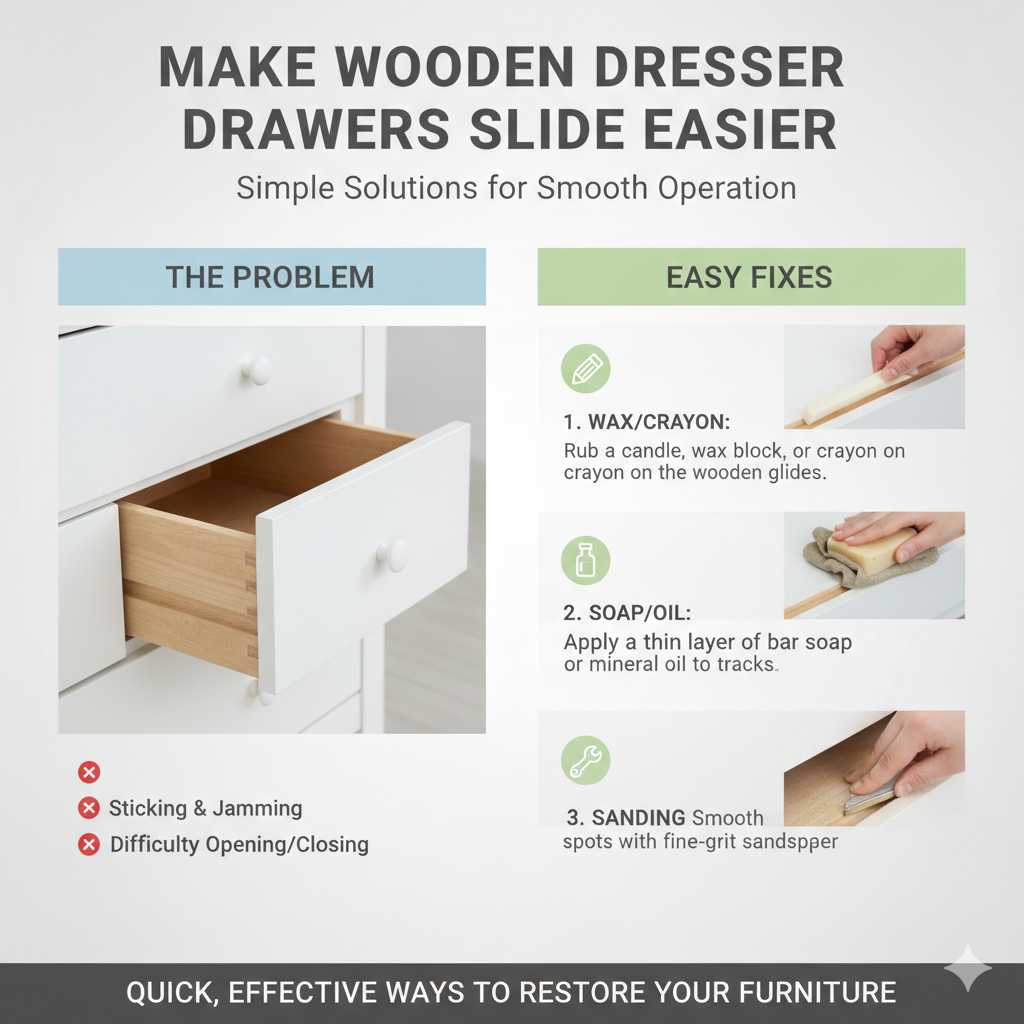
Wooden dresser drawers often stick or become hard to open due to friction, swelling, or debris. Simple lubrication, cleaning, or minor adjustments can make them slide much easier. This guide offers practical, easy-to-follow methods to restore smooth operation to your furniture.
Understanding Why Dresser Drawers Stick
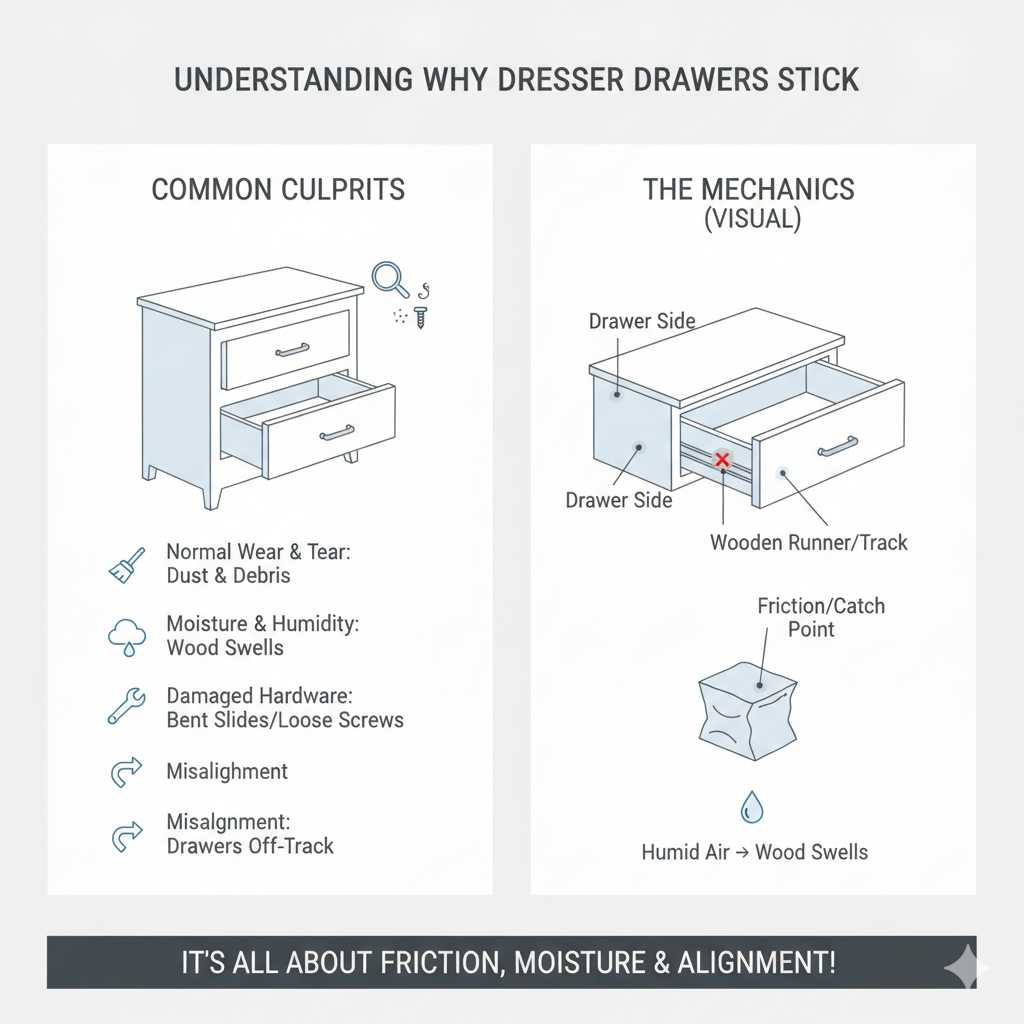
So, why do your nice wooden dresser drawers suddenly decide to become difficult? It’s usually one of a few common culprits. Think of your drawers like a small wooden vehicle.
If the road is rough or the wheels aren’t oiled, it won’t roll well. It’s much the same with drawers.
This can happen with normal wear and tear. Even tiny bits of dust or stray threads can get caught.
Another big player is moisture. Wood is a natural material. It absorbs water from the air.
When the air is humid, wood can swell. This swelling makes the drawer a tiny bit bigger. If it was already a snug fit, it might now be too tight to slide easily.
This is why drawers can sometimes get harder to open in the summer or in a damp basement.
Even the drawer slides themselves can get bent or damaged.
Loose screws or hardware are another simple issue. If a part of the drawer slide or the drawer box itself starts to come loose, it can throw off the alignment. This causes parts to rub where they shouldn’t.
It’s like a car tire that’s not properly aligned – it won’t run straight or smooth.
My Own Drawer Disaster and a Simple Fix
I remember a time I was moving into a new apartment. I had this beautiful antique dresser. It looked great, but oh, the drawers!
They were a nightmare. Opening even the top drawer felt like a Herculean effort. I tried shoving and pulling, but it just wouldn’t budge easily.
I started to panic a little, picturing myself having to buy a whole new dresser.
One evening, feeling utterly defeated, I was looking at the sticky drawer. I noticed the bottom edge of the drawer front seemed to be catching on the wooden runner inside the dresser. It was just a tiny bit of resistance.
I had a bar of plain old soap in my bathroom. On a whim, I grabbed it and rubbed the soap along the edge of the drawer where it was catching. Then, I did the same on the corresponding wooden runner inside the dresser.
I slid the drawer back in. It moved a little better. I took it out and rubbed more soap on.
I slid it back in, and then I tried to open it. It slid open with such ease! It was like magic.
The soap acted as a lubricant. It was such a simple fix, and it saved me so much stress and money. It showed me that often, the easiest solutions are right under our noses.
Quick Drawer Smoother Options
What to use:
- Plain bar soap (white, unscented is best)
- Paraffin wax or a wax candle (unscented)
- Dry lubricant spray (like silicone spray, use sparingly)
- Wood furniture wax polish
How to use:
- Rub the soap or wax directly onto the edges of the drawer that touch the frame.
- Also, apply to the wooden runners or glides inside the dresser.
- Work the drawer back and forth a few times to spread the lubricant.
The Core of the Problem: Friction and Wood
At its heart, the issue of sticky drawers often boils down to two main things: friction and the nature of wood itself. Wood is a natural material. It breathes.
It expands and contracts with changes in temperature and humidity. This is a beautiful quality, but it can also cause problems for furniture.
When two pieces of wood rub against each other, especially dry wood, there’s resistance. This resistance is friction. Think about rubbing your hands together quickly.
They get warm. This warmth is energy turning into heat. With drawers, this energy is wasted as friction, making them hard to move.
The surfaces of wooden drawers and their corresponding tracks are rarely perfectly smooth. Over time, tiny particles of wood dust, dirt, or even fabric fibers can get ground into the wood. This creates a rougher surface, increasing friction.
It’s like driving on a gravel road versus pavement.
Wood also has grain. When you rub against the grain, it’s rougher than rubbing with the grain. If the drawer or track is slightly misaligned, you might be experiencing this rougher kind of friction.
This can lead to a grating or catching sensation when you try to open or close the drawer.
Sometimes, the wood itself can become dry and brittle. Dry wood loses some of its natural slip. It becomes more prone to friction.
This is why lubricating the wood can help so much. It adds a slick layer between the moving parts.
The way wooden drawers are constructed also matters. Drawer boxes are typically made of several pieces of wood joined together. The drawer front is often attached to this box.
If the joints aren’t perfectly square, or if the wood has warped, the drawer won’t sit quite right in its opening. This slight misalignment is a common cause of sticking.
The drawer slides, often called runners or glides, are the tracks. These can be simple wooden strips attached to the dresser frame. They can also be more elaborate metal or plastic slides.
The condition of these runners is key. If they are worn down, chipped, or have accumulated gunk, the drawer will struggle.
Real-World Scenarios: Where and Why It Happens
You’ll find sticky drawers in all sorts of places. It’s not just old antique dressers. Even newer furniture can develop this issue.
Let’s look at some common situations.
In the Bedroom: This is perhaps the most common place. You have your dresser full of clothes. In humid weather, the wood absorbs moisture and swells.
The drawer becomes tight. In dry winter air, the wood can shrink, sometimes causing a slight gap that lets dust in, which then makes it stick.
In the Kitchen: Kitchens are often prone to humidity from cooking and dishwashing. Utensil drawers or drawers holding dishes can become difficult to open if they swell. You don’t want to be struggling to get a fork when you’re in a hurry to make dinner.
In the Bathroom: Bathrooms also have high humidity. Drawers holding towels or toiletries might stick. The constant cycle of moisture can really affect the wood over time.
In the Garage or Basement: These areas are often subject to more extreme temperature and humidity fluctuations. Wood in these spaces can warp or swell much more dramatically. A drawer in a workshop might get filled with sawdust, which is a notorious friction creator.
Habits Matter: Sometimes, how we use our furniture contributes. Yanking drawers open with force can bend the runners or warp the drawer itself. Not cleaning them regularly allows dust and grime to build up.
Even placing something heavy on top of the dresser can slightly warp the frame, affecting drawer alignment.
Design and Materials: Some furniture is built with less precise joinery. This means the drawer openings might not be perfectly uniform. Using softer woods that are more prone to swelling can also be a factor.
Older furniture might have wooden runners that are simply worn down from years of use.
Drawer Behavior: Normal vs. Concerning
Normal Behavior:
- Slight resistance on humid days.
- Smooth opening after a period of non-use.
- Consistent feel when opening and closing.
Concerning Behavior:
- Requires significant force to open or close.
- Grinding or scraping sounds.
- Drawer sticks halfway and won’t move.
- One side of the drawer seems to catch more than the other.
- Visible damage to the drawer or runners.
What This Means for You: When is it Normal?
It’s important to know that a little bit of resistance now and then isn’t always a sign of a major problem. Wood is a living material, and it reacts to its environment. Understanding when to worry and when to just ride it out is key.
When it’s normal:
- Seasonal Changes: If a drawer becomes slightly harder to open when it’s very humid outside, and then loosens up when the air is drier, that’s usually normal. Wood swells and shrinks. It’s just doing its wood thing.
- Infrequent Use: If a drawer hasn’t been opened in a while, it might feel a bit stiff at first. A few open-and-close cycles often free it up.
- Minor Catching: If you can feel a very slight catch, but it still opens with moderate effort, it’s likely just a minor friction point that can be easily addressed.
When to worry:
- Excessive Force Needed: If you have to yank or shove the drawer with a lot of effort, something is definitely wrong. This can lead to damage.
- Odd Noises: Grinding, scraping, or loud squeaking sounds are signals that wood is rubbing in an unhealthy way.
- Uneven Movement: If the drawer feels like it’s catching on one side, or if it tilts as you pull it out, it’s a sign of misalignment.
- Visible Damage: If you see splintering wood, cracks, or bent metal slides, it needs attention.
- Sudden Sticking: If a drawer that used to open fine suddenly becomes impossible to move, investigate quickly.
Simple checks:
- Look for Obstructions: Is anything inside the drawer pushing against the sides or front?
- Check the Runners: Can you see any debris, dust bunnies, or damage on the wooden strips or metal tracks?
- Inspect the Drawer Sides: Are the sides of the drawer box rubbing against the dresser frame?
- Is the Drawer Square?: Does the drawer look straight, or is it tilted?
Quick Scan: Identifying the Cause
Problem: Drawer sticks, especially when humid.
Likely Cause: Wood swelling.
Fix: Lubricate edges and runners. Ensure good ventilation.
Problem: Drawer feels rough or gritty.
Likely Cause: Debris and dirt buildup.
Fix: Clean runners thoroughly. Lubricate.
Problem: Drawer catches on one side.
Likely Cause: Drawer misalignment or warped runner.
Fix: Check drawer squareness, adjust runners if possible.
Problem: Drawer makes loud scraping sounds.
Likely Cause: Dry wood friction or damaged runners.
Fix: Lubricate generously. Inspect runners for damage.
Quick Fixes and Tips for Smoother Slides
You don’t always need to be a master carpenter to get your drawers sliding again. Many effective fixes are simple and require common household items. The goal is always to reduce friction.
1. The Soap Trick: As I learned, plain bar soap is a fantastic dry lubricant. Take a bar of unscented white soap.
Rub it generously along the sides of the drawer that slide inside the dresser frame. Also, rub it on the wooden runners inside the dresser. Then, open and close the drawer several times to spread the soap.
It might leave a faint waxy residue, but it’s usually unnoticeable and very effective.
2. Wax On, Wax Off: Paraffin wax, like that used for canning, or even a simple, unscented candle can work wonders. Rub the wax stick all along the edges of the drawer and the corresponding tracks.
Again, work the drawer back and forth to help it glide. This creates a slick surface that wood can slide over easily.
3. Furniture Polish Power: A good quality wood furniture polish or wax can also help. These often contain waxes and silicones that create a smooth finish.
Apply a small amount to the drawer edges and runners. Buff it in. This is often a good maintenance step to keep drawers gliding smoothly.
4. The Humble Pencil: Graphite from a pencil is a dry lubricant. If you have a sticky spot, rub the side of a pencil lead directly onto the wood.
The graphite will transfer and help reduce friction. This is a good quick fix for a very specific sticking point.
5. Cleanliness is Key: Regularly vacuum or wipe down the drawer runners. Dust, hair, and small debris are major friction culprits.
A clean path makes for a smooth journey. Use a soft brush attachment on your vacuum cleaner.
6. Check for Obstructions: Make sure nothing inside the drawer is sticking out or pushing against the sides. Sometimes a stray item can cause a lot of trouble.
7. Ensure Drawer Squareness: If the drawer box itself is slightly skewed, it will bind. Gently try to square it up.
You might need to check the screws holding the drawer box together.
8. Tighten Loose Screws: Check all the screws holding the drawer runners to the dresser frame. Loose screws can cause misalignment.
Make sure they are snug, but don’t overtighten and strip the wood.
9. Silicone Spray (Use Sparingly): For metal drawer slides, a very light mist of silicone spray lubricant can help. Spray it onto a cloth first, then wipe the metal parts.
Avoid spraying directly, as it can overspray onto wood and stain it. Silicone spray is great for metal-on-metal friction.
10. Consider Drawer Liners: Sometimes, a smooth drawer liner can help. However, ensure it’s a thin, smooth material.
Thick or textured liners can sometimes add resistance.
Easy Lubrication Steps
Step 1: Clean the Runners. Use a vacuum with a brush attachment to remove dust and debris.
Step 2: Choose Your Lubricant. Select soap, wax, furniture polish, or graphite pencil.
Step 3: Apply Lubricant. Rub it onto the sliding edges of the drawer and the corresponding runners inside the dresser.
Step 4: Work the Drawer. Open and close the drawer several times to distribute the lubricant.
Step 5: Test and Repeat. Check for smoothness. Apply more if needed.
When to Consider More Involved Solutions
If the simple lubrication methods don’t fully solve the problem, or if you notice damage, it might be time for a slightly more involved approach. These steps usually require a few basic tools and a bit more patience.
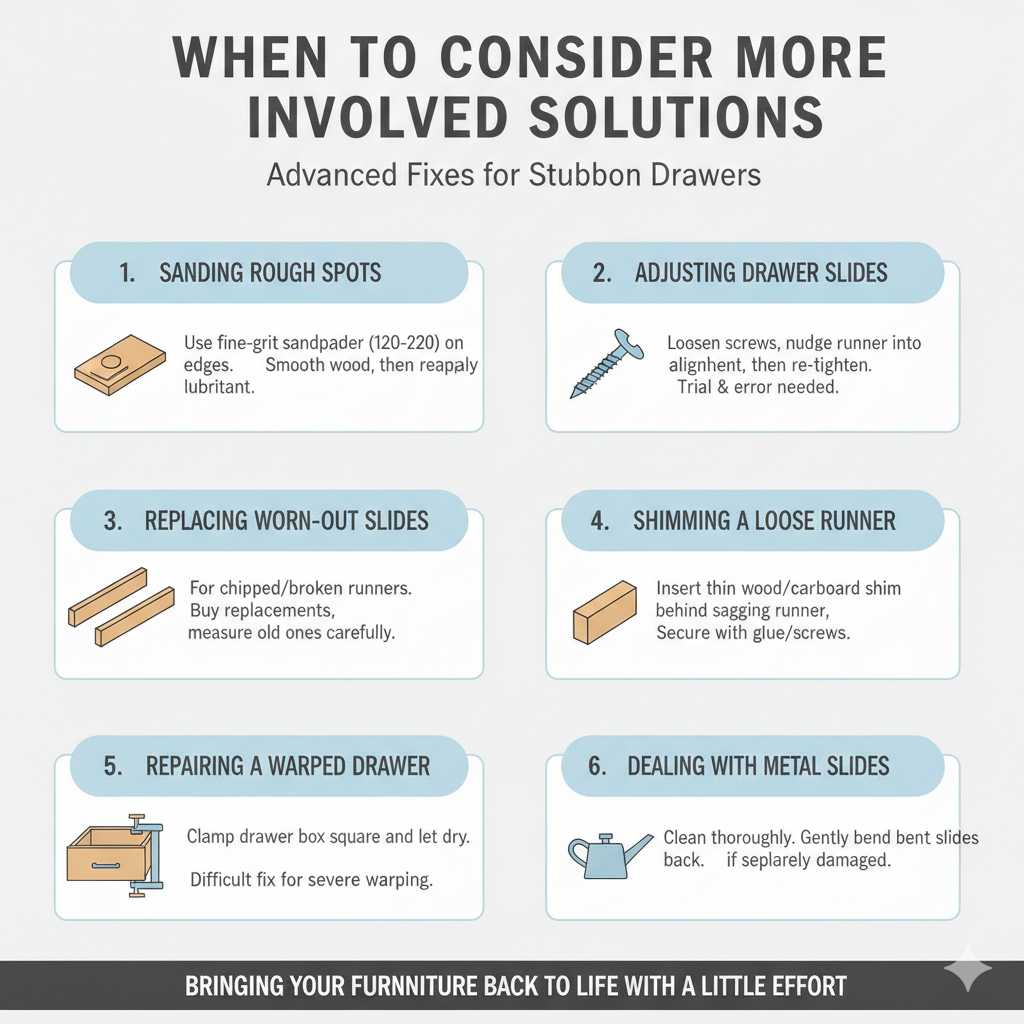
1. Sanding Rough Spots: If a specific area of the wooden runner or the drawer edge feels rough, you can try very light sanding. Use fine-grit sandpaper (120-220 grit).
Sand just the rough spots, not the entire surface. Smooth it out, then reapply lubricant. Be careful not to remove too much wood, as this can make the drawer loose.
2. Adjusting Drawer Slides: Sometimes, the drawer slides (runners) themselves can be adjusted. Look for screws that attach the slides to the dresser frame.
If the drawer is catching on one side, slightly loosening the screws on that side, nudging the runner into a better position, and then re-tightening might help. This requires a bit of trial and error.
3. Replacing Worn-Out Slides: If the wooden runners are chipped, broken, or severely worn down, they might need replacing. You can often find replacement drawer slides at hardware stores.
You’ll need to measure the old ones to get the correct size. This is a more advanced fix but can make a huge difference.
4. Shimming a Loose Runner: If a drawer is catching because a runner is sagging slightly, you can sometimes fix it by inserting a thin shim (a small wedge of wood or even sturdy cardboard) behind the runner to lift it into better alignment. Secure the shim with wood glue or small screws.
5. Repairing a Warped Drawer: If the drawer box itself is warped, it’s a tougher fix. Sometimes, carefully clamping the drawer box square and letting it dry can help.
If the wood is severely warped, it might be difficult to fully correct.
6. Dealing with Metal Slides: If your dresser has metal ball-bearing or roller slides, these can get bent or clogged with grime. Clean them thoroughly.
If they are bent, you might be able to gently bend them back, but be very careful. If they are severely damaged, replacement is usually the best option.
DIY Drawer Slide Adjustment Guide
Tools Needed: Screwdriver (Phillips and/or flathead), possibly pliers, fine-grit sandpaper, wood shims (optional).
When to Adjust: Drawer catches on one side, or doesn’t slide straight.
Steps:
- Empty the drawer completely.
- Gently pull the drawer out as far as it will go.
- Locate the screws holding the drawer runner to the dresser frame.
- Loosen the screws slightly on the side that is catching.
- Adjust the runner’s position by a tiny amount (a millimeter or two) to correct the alignment.
- Re-tighten the screws, ensuring the runner is now straight.
- Test the drawer. Repeat adjustments if necessary.
- If the runner is sagging, consider shimming it.
Frequent Questions About Making Drawers Slide Easier
What is the best lubricant for wooden dresser drawers?
The best lubricants are often simple, dry ones that won’t attract dust. Plain bar soap, paraffin wax, or even a graphite pencil are excellent choices. Furniture wax polish can also work well.
For metal slides, a very light application of silicone spray is good.
Why do my dresser drawers stick more in the summer?
This is usually because of humidity. Wood absorbs moisture from the air, causing it to swell slightly. This makes the drawer fit tighter in its opening, leading to sticking.
When the air is drier, the wood shrinks back down.
How often should I lubricate my dresser drawers?
It depends on your climate and how often you use the drawers. If you notice them starting to stick, it’s time for lubrication. For most people, once or twice a year is sufficient, perhaps in spring and fall, or whenever you notice a change in performance.
Can I use WD-40 on wooden drawer slides?
It’s generally not recommended to use WD-40 directly on wooden drawer slides. WD-40 is an oil-based lubricant that can attract dust and grime, making the problem worse over time. It can also potentially stain the wood.
Stick to dry lubricants like soap, wax, or graphite for wood-on-wood friction.
My drawer is very hard to open. What’s the first thing I should check?
The very first thing to check is if there’s anything inside the drawer jamming it. Then, look for obvious debris or obstructions on the drawer’s edges or the runners inside the dresser. If it’s still stuck, try the soap or wax trick immediately.
Should I
Replacing wooden slides with modern metal ball-bearing or roller slides can dramatically improve drawer performance. This is a more involved DIY project but offers a very smooth, long-lasting solution. Ensure you choose slides that match the weight and size of your drawers.
Conclusion: Smooth Sailing for Your Drawers
Dealing with sticky dresser drawers can be annoying, but it’s usually a fixable problem. By understanding the role of friction and the nature of wood, you can tackle this issue with simple, effective methods. Often, a bit of soap, wax, or a good cleaning is all it takes.
Keep an eye on your drawers, especially with changes in weather, and a little maintenance will go a long way. Enjoy the ease of smooth-gliding drawers!
Related pick: Check today's price on Amazon
Products related to this article
Sponsored / affiliate links. As an Amazon Associate I earn from qualifying purchases. I may earn additional commission from eligible campaigns.