Can You Use Vinegar to Clean a Dresser?
Yes, you can use vinegar on a dresser only on sealed, water-resistant finishes; skip it on waxed, oiled, painted, veneered, or antique pieces. Used on the wrong surface, it can dull sheen, cloud lacquer, swell wood, or strip finish. This guide explains which dresser finishes can handle vinegar, which cannot, and what to use instead.
When to skip vinegar and what you’ll need


Yes, but only in a narrow set of cases. White distilled vinegar, about 4% to 7% acetic acid, is the usual cleaning vinegar, and it is more practical than cider or wine vinegar for household cleaning. On a sealed dresser finish, a 1:1 vinegar-and-water solution can remove light residue after a spot test. On waxed, unsealed, antique, or damaged finishes, skip it.
Vinegar is acidic enough to leave a cloudy or dull patch on some coatings. That risk rises when the finish is thin, worn, or unknown. For routine dust and grime, mild dish soap and water is often used on many wood surfaces.
What you’ll need
- White distilled vinegar
- Clean water
- Two soft microfiber cloths
- Mild dish soap
- Small bowl or spray bottle
- Cotton swabs for spot testing
- Dry towel for follow-up drying
Is the dresser finish sealed?
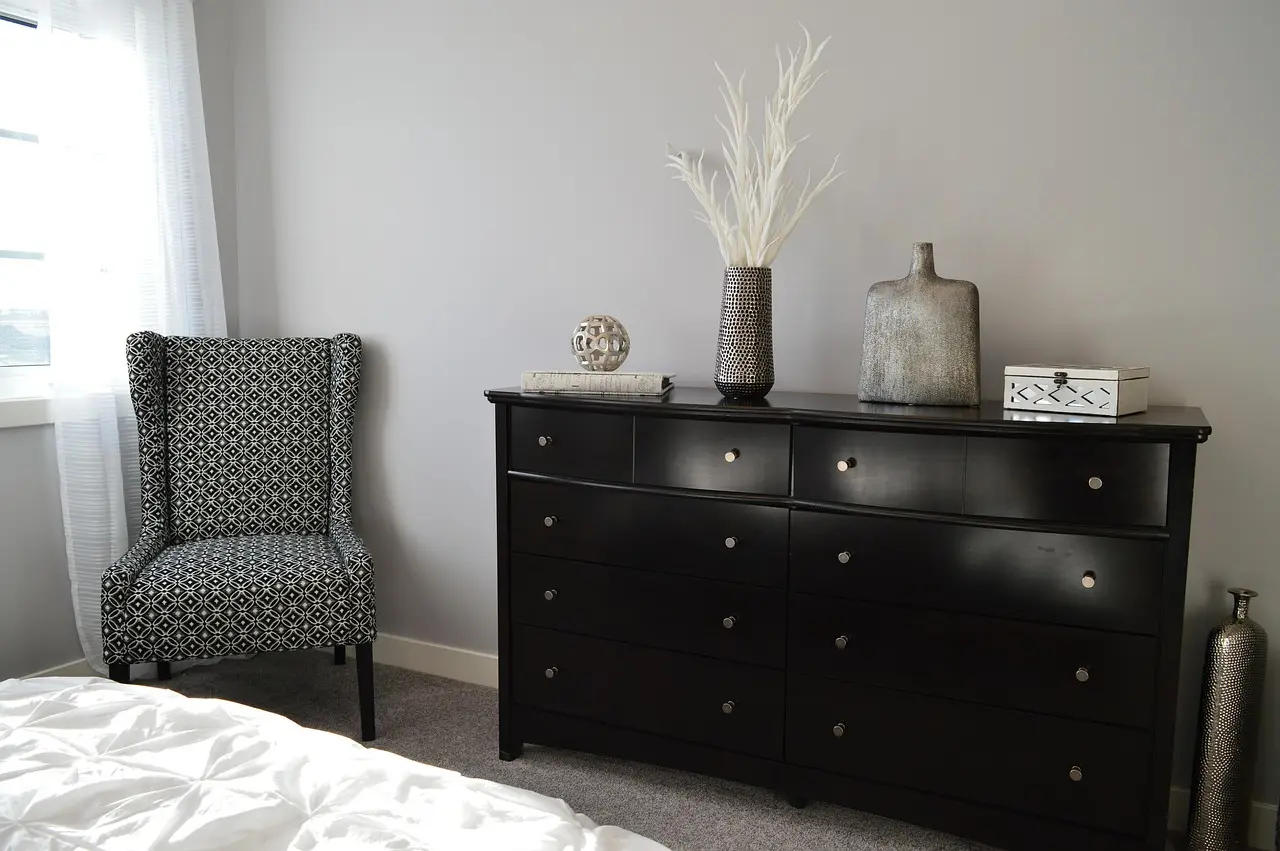
That is the key decision point. Sealed, water-resistant finishes can sometimes handle a diluted vinegar mix after a spot test. Unsealed wood, waxed wood, veneer with a weak top layer, painted MDF, and many antique dressers need a gentler cleaner. If you cannot identify the finish, treat it as fragile and avoid vinegar.
A common first-timer mistake is assuming all wood behaves the same. A dresser with a hard lacquer or polyurethane topcoat is very different from one with wax or an old hand-applied finish. If the surface softens, turns cloudy, or looks scratched after a test wipe, stop and switch cleaners.
Dresser vinegar decision table
| Dresser material/finish | Is vinegar safe? | Best alternative cleaner | Red-flag symptoms to watch for |
|---|---|---|---|
| Solid wood with wax finish | No; vinegar is not recommended for waxed wood | Mild dish soap and water on a lightly damp cloth | Cloudy patches, dull sheen, streaking, soft or tacky spots |
| Sealed wood | Usually acceptable in a 1:1 vinegar-and-water mix after spot testing | Mild dish soap and water for routine cleaning | Haze, finish dulling, edge swelling, sticky residue |
| Veneer | Risky; use only if the top layer is clearly sealed and intact | Mild dish soap and water, then a dry cloth | Lifting edges, white haze, soft spots, peeling at seams |
| Laminate | Usually acceptable with a diluted mix, but spot test first | Mild dish soap and water | Clouding, edge lift, swelling at seams, dull film |
| Painted MDF | Risky; avoid soaking and skip vinegar if the paint is matte or aging | Mild dish soap and water on a barely damp cloth | Paint softening, bubbling, swelling at joints, color change |
| Antique dresser | Usually no; higher risk of finish damage or veneer failure | Dry dusting first, then mild dish soap and water if the finish allows it | White haze, rubbing color onto the cloth, fine cracks, lifted veneer |
How do you clean a dresser safely?

For most dressers, safe cleaning starts with the least aggressive option that can still remove the soil. Dust first. Then use a lightly damp cloth with mild dish soap and water on finishes that are clearly sealed or otherwise water-resistant. Reserve vinegar for sealed surfaces that pass a spot test and only when soap and water are not enough.
-
Dust the surface first.
Wipe with a dry microfiber cloth to remove grit. That keeps loose dust from acting like fine sandpaper when you add moisture. -
Mix the cleaner carefully.
For vinegar cleaning, combine equal parts white distilled vinegar and water. The 1:1 mix is the common cleaning ratio for some hard surfaces, but it should be tested on an inconspicuous spot first. -
Test one hidden area.
Dab the back edge, underside, or inside lip and wait 30 minutes before checking for haze, dulling, swelling, or color transfer. If the spot changes, do not use vinegar on the rest of the dresser. -
Wipe lightly, then stop.
Apply the cloth to the visible surface, not directly to the furniture. Keep the cloth barely damp, especially on veneer, painted MDF, or any edge where moisture can creep in. -
Switch to soap if needed.
Add about 1 drop of mild dish soap to a small bowl of water if grime remains. This is the safer choice for wood surfaces, including many delicate finishes. -
Dry the area immediately.
Follow with a clean dry cloth so no liquid sits on seams or corners. If you still see residue, repeat once with the soap mix rather than increasing the vinegar strength.
Say your sealed dresser has a greasy fingerprint on the top and the finish passes a spot test. A 1:1 vinegar mix may clear the mark without further trouble. Now suppose the same mark is on a waxed heirloom dresser. The better move is mild dish soap and water, because the wax can cloud or rub off.
What should you use instead of vinegar on a dresser?
Mild dish soap and water is the main replacement for routine cleaning. It is non-abrasive and better suited to delicate furniture finishes than acid-based cleaners. For true disinfection, vinegar is not an EPA-registered household disinfectant, so choose an EPA-registered disinfectant instead of assuming vinegar will kill germs. If you need a disinfecting option for a hard surface and the label allows it, alcohol at 70% or a diluted bleach solution may be appropriate.
Do not use a disinfectant just because the dresser is dusty. Most dresser cleaning is routine cleaning, not disinfection. That distinction matters because overuse of stronger chemicals can damage the finish faster than the soil you are trying to remove.
Can vinegar damage wood dresser finishes?
Yes. Vinegar can cloud lacquer, dull sheen, scratch waxed finishes, and cause swelling on unsealed wood. It is not recommended for waxed wood, and unsealed wood is more vulnerable because moisture can penetrate instead of sitting on top of the finish. When the finish is thin or worn, the risk is higher.
Watch for white haze, a flat patch where the shine used to be, or roughness that appears after the surface dries. Those are warning signs that the finish reacted to the cleaner. If that happens, stop using vinegar on that dresser.
Common mistakes
- Using vinegar on waxed or unsealed wood.
- Skipping the hidden-area test before full cleaning.
- Soaking the cloth until liquid runs into seams.
- Using vinegar for disinfection instead of a registered product.
- Cleaning antique or heirloom dressers as if they were modern sealed furniture.
- Rubbing harder when residue does not lift right away.
If that did not work, move to a milder cleaner rather than a stronger vinegar mix. A second pass with mild dish soap and water is usually safer than increasing acidity. If the surface still looks cloudy, stop and let the finish dry fully before judging whether the mark is residue or actual finish damage.
Is vinegar safe on antique wood furniture?
Usually no. Antique dressers are higher risk because they often have delicate coatings, older veneer, or finish layers that do not respond like modern sealed furniture. Conservative cleaning is the safer path. Use dry dusting first, then a lightly damp cloth with mild dish soap and water only if the finish looks stable and passes a tiny test spot.
Antique furniture should be treated as uncertain until proven otherwise. If the cloth picks up color, the surface turns cloudy, or a veneer edge looks loose, stop. A gentle cleaner that leaves the finish intact is better than a stronger cleaner that creates permanent marks.
What kind of vinegar do you use for cleaning furniture?
White distilled vinegar is commonly used for furniture cleaning because it is clear and typically around 4% to 7% acetic acid. Cider vinegar and wine vinegar are usually around 5% to 6% acetic acid, but they can leave color or smell behind, so they are less practical for dresser care. Use a 1:1 mix with water only when the finish is suitable.
Do not reach for a stronger cleaning vinegar unless the label and finish both support it. A stronger mix increases risk without giving you a routine-cleaning benefit on most dressers.
How do you use vinegar as a cleaner on furniture?
Use it only on a dresser that appears sealed and sound. A 1:1 vinegar-and-water solution is the common mix, and the safest way to use it is with a spot test, a lightly damp cloth, and immediate drying. If the hidden spot turns dull or cloudy, do not continue.
-
Mix equal parts.
Combine white distilled vinegar and water in a spray bottle or bowl. Keep the ratio at 1:1; do not make it stronger for routine cleaning. -
Test before cleaning.
Apply the mix to a hidden section and wait 30 minutes. Check for haze, discoloration, or swelling before you move to the visible surface. -
Wipe and dry.
Use a lightly damp cloth, then dry the area with a second cloth right away. This limits contact time and lowers the chance of finish damage.
Prevention is simple here: dust the dresser regularly so you need less liquid cleaning later. Less soil means less rubbing, fewer wet passes, and less chance of finish wear.
Frequently asked questions
Can you use vinegar to clean a dresser?
Yes, but only on sealed, water-resistant finishes that pass a spot test. Use white distilled vinegar diluted 1:1 with water, then dry the surface right away. Skip vinegar on waxed, unsealed, antique, painted, or veneered dressers unless the finish is clearly stable and tested.
How do you clean a wooden dresser without damaging the finish?
Start with dry dusting, then use a cloth lightly dampened with mild dish soap and water. Wipe once, then dry immediately. If the dresser is antique, waxed, or uncertain, stay with the mild soap mix and avoid vinegar unless a hidden test spot stays unchanged.
Can you clean laminate furniture with vinegar?
Usually yes, if the laminate is intact and you keep the mix diluted. Use a 1:1 vinegar-and-water solution, but test an inconspicuous spot first because edge lift or seam swelling can still happen. Mild dish soap and water remains the gentler everyday choice.
Products related to this article
Sponsored / affiliate links. As an Amazon Associate I earn from qualifying purchases. I may earn additional commission from eligible campaigns.