How to Get Rid of Bugs and Moths in Dresser Drawers
Start by identifying the pest from the evidence, then bag all drawer contents, heat-treat washable textiles, and vacuum the drawer crevices and furniture joints before anything goes back in. Monitor with traps after cleaning and inspect nearby storage so you catch a second source before the infestation spreads. If one part is skipped, clothes moths, carpet beetles, or bed bugs can survive in seams and reappear weeks later.
What you need first

- Trash bags or sealable bins for sorting drawer contents
- Vacuum with a crevice tool
- Detergent, hot dryer access, or freezer space
- Microfiber cloth, mild soap, and a flashlight
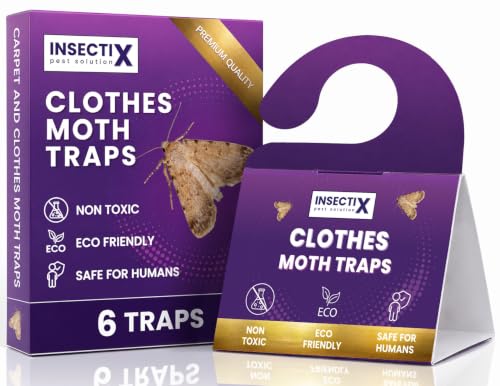
- Moth traps, diatomaceous earth, and drawer liners
Drawer pest triage table
| Pest | Visible evidence | Likely source | Immediate action | What to wash or discard | When to escalate |
|---|---|---|---|---|---|
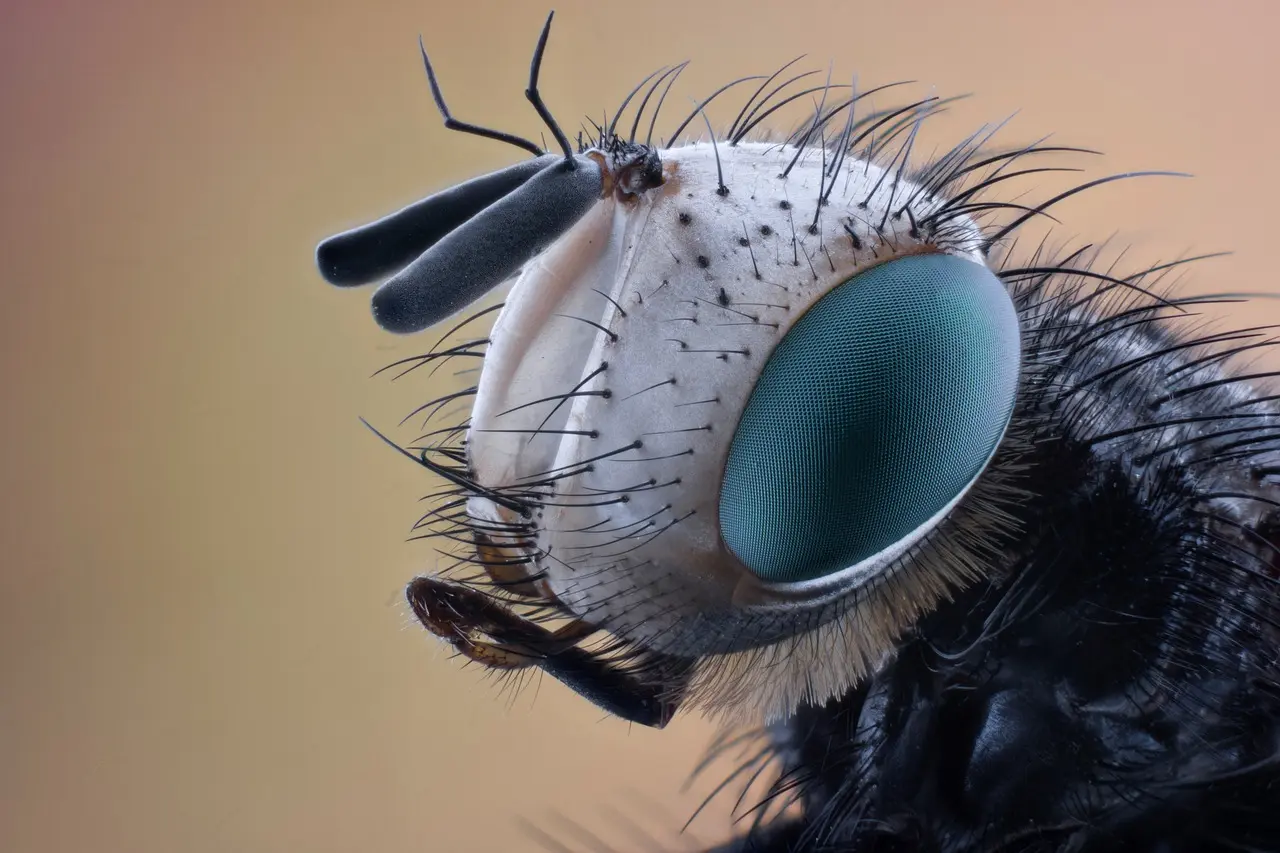
| Clothes moth larvae | Webbing, small larvae, irregular holes, frass, pale eggs in folds | Wool, cashmere, mohair, silk, fur, or soiled natural fibers in dark storage | Bag all contents, vacuum the drawer, and inspect folds and seams | Wash or hot-dry washable items; freeze items that cannot be heat-dried | Escalate if webbing or larvae show up in nearby closets or multiple drawers |
| Carpet beetle larvae | Bristly larvae, shed skins, damaged natural fibers, lint-heavy debris | Keratin-rich materials, lint, hair, and hidden debris in dressers or closets | Deep-clean the drawer, vacuum cracks, and remove lint from edges and runners | Wash or dry-clean affected textiles; discard badly damaged items | Escalate if larvae keep appearing after a full vacuum and wash cycle |
| Bed bugs | Live bugs, eggs, shed skins, fecal dots | Bedroom infestation spreading into furniture | Inspect the bed frame, headboard, baseboards, and nearby furniture | Wash and hot-dry clothing after inspection; bag items until treated | Escalate right away if you see live bugs or fecal dots in more than one spot |
| Other drawer pests | Roach shells, ants, pantry insects, random debris in corners | Cracks, food crumbs, clutter, or nearby wall voids | Vacuum corners, clean the drawer box, and seal gaps after drying | Wash fabrics that touched the drawer interior; discard contaminated debris | Escalate if the same insects return after cleaning and gap sealing |
Start with the evidence
The fastest way to treat a drawer problem is to identify the pest from what you can see. Clothes moth adults do not eat fabric; the larvae do, and they often stay in dark, quiet storage such as dressers and wardrobes. Extension guidance on clothes moths notes that larvae feed on animal-based fibers and can damage stored clothing in hidden areas, while female moths can lay hundreds of eggs on suitable fabric.
Look for frass, webbing, larvae, shed skins, eggs, and fabric holes. If you see live bugs, eggs, shed skins, and fecal dots, that points away from fabric pests and toward bed bugs. Bed bug signs commonly include live insects, cast skins, fecal spots, and eggs in seams, cracks, and nearby furniture, including drawers (CDC and EPA).
How do I get bugs out of dresser drawers?
Empty the drawer completely, bag the contents, and inspect the drawer box before anything goes back in. Vacuum the corners, joints, runners, underside, and frame edges, because drawer crevices can shelter insects that hide during the day. If the drawer has rough liners or split seams, remove the liner and inspect the wood underneath.
- Pull out every item and sort it on a clean hard surface.
- Seal suspect textiles in bags before moving them through the room.
- Use the crevice tool on corners, footers, border frames, joints, runners, and the underside.
- Wipe the drawer with mild soap and dry it fully before refilling.
- Seal or repair gaps if the drawer box has open seams or loose joints.
Say your top drawer holds sweaters, socks, and one wool scarf. If the scarf has webbing and the socks only have lint, treat the scarf as the source item and clean the drawer separately. That split keeps you from sending eggs back into storage.
Immediate 15-minute response
- Empty the drawer and bag the contents.
- Photograph or note the evidence so you can compare it later.
- Vacuum the drawer interior, runner edges, and nearby floor.
- Check folds, cuffs, hems, and seams for larvae, eggs, or fecal dots.
- Keep suspect items isolated until heat, freezing, or dry cleaning is decided.
How do you clean the drawer without spreading pests?
Work in two tracks: textiles first, furniture second. Clothes moth larvae feed on fabrics containing protein keratin, including wool, cashmere, mohair, silk, fur, and soiled natural fibers, and they can hide in folds and seams. Carpet beetle larvae can also hide in lint and debris, so vacuuming matters as much as washing.
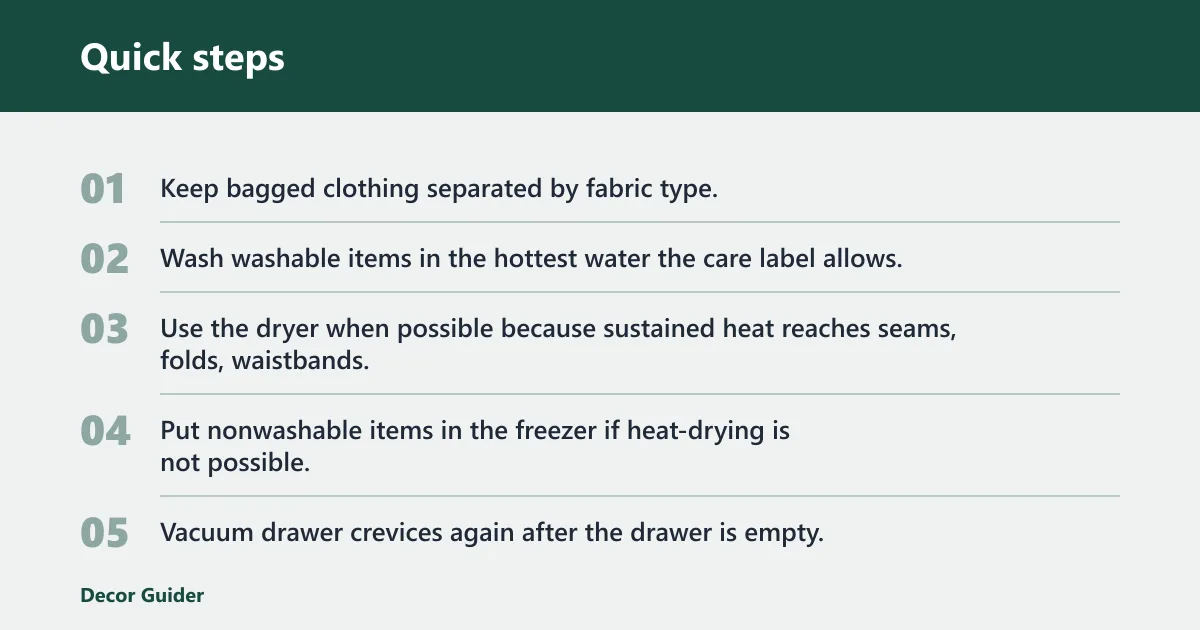
- Keep bagged clothing separated by fabric type.
- Wash washable items in the hottest water the care label allows, then dry them on the highest heat that is safe for the fabric.
- Use the dryer when possible because sustained heat reaches seams, folds, waistbands, and cuffs better than air-drying alone.
- Put nonwashable items in the freezer if heat-drying is not possible.
- Vacuum drawer crevices again after the drawer is empty.
- Wipe the drawer, let it dry fully, then return only cleaned items.
Hot laundering and high dryer heat are the main kill steps for washable items, and the label should govern the maximum safe temperature so delicate fabrics are not damaged. Freezing is the fallback for items that cannot be heat-dried, but the item still needs cleaning first if it holds lint or eggs. For delicate wool or silk pieces, dry cleaning is often preferable when the care label says the fabric should not be machine washed or tumble dried; the garment should still be isolated and inspected before it is returned to storage.
Freezing works best as a backup when washing or drying is unsafe, but it should be done carefully: sealed items need enough time in a consistent freezer to chill thoroughly, and condensation should be avoided when the item comes back to room temperature. If the textile is washable, heat is usually simpler and more reliable than freezing because it reaches hidden seams and folds more evenly.
Why are there bugs in dresser drawers?
Dark, quiet storage gives pests cover, and drawers collect lint, hair, and fibers that larvae can use for shelter or food. Clothes moths prefer dark, quiet storage areas, and webbing clothes moths stay in places such as dressers and wardrobes. That makes a drawer a good hiding spot, not just a place where damage shows up.
Nearby furniture can be the real source. If a second dresser, an upholstered chair, or a closet shelf still holds eggs or larvae, the drawer you cleaned can be reinfested within days. A common mistake is wiping out the drawers but forgetting to vacuum the back corner and baseboard where moth larvae can hide, or missing adjacent storage such as roaches in dresser drawers if the issue is a broader furniture infestation.
Whole-room escalation triggers
- Live bugs or fresh fecal spots appear in more than one piece of furniture.
- Larvae or webbing keep returning after a full vacuum and wash cycle.
- Bed bug signs show up near the bed frame, headboard, or baseboards.
- Dusty cracks, wall voids, or upholstered items keep producing insects after cleaning.
- You find damage in multiple rooms or multiple closets, not just one drawer.
How to keep them from coming back
After cleaning, cut down hiding spots and watch for activity. Use drawer liners only after the drawer is fully dry and clean, and seasonal or seldom-used clothing is often stored in airtight containers. Keep rarely worn natural-fiber items clean, folded loosely, and separated from lint-heavy storage.
- Install clean drawer liners on dry wood only.
- Move off-season clothing to sealed storage bins.
- Place moth traps in a closet or storage area to monitor adult activity.
- Vacuum monthly to keep bugs out of dresser drawers.
- Reduce lint and clutter around the dresser so hidden eggs have fewer places to stay.
Moth traps catch adults, but they do not remove eggs or larvae. Diatomaceous earth can be used in drawers and cracks after cleaning, though EPA guidance emphasizes using only food-grade or labeled products as directed and keeping dust minimal so it does not contact worn clothing or become airborne. A light, even dusting is enough; more is not better if the powder reaches fabrics or is left exposed where people or pets can disturb it.
When should you call a pest professional?
Bring in a pest professional if you find bed bug signs, not just fabric damage, or if the problem shows up in more than one room or furniture piece. Bed bug signs in drawers include live bugs, eggs, shed skins, and fecal dots, and that pattern usually needs broader treatment than a single drawer.
Escalate too if cleaning fails because eggs or insects keep reappearing from cracks, seams, or nearby furniture. If the drawer is clean but new larvae keep showing up in folded clothing, the hidden source is probably deeper than the drawer box. In that case, whole-room inspection is the next step.
Common mistakes
Do not treat every drawer pest as a moth problem. Carpet beetle larvae and bed bugs need different responses, and roaches may only need a clue like a hidden seam, food debris, or a crack in the furniture frame.
Do not rely on traps, sprays, or fragrance products alone. Use traps for monitoring, not as a stand-alone fix. Do not skip the drawer itself; corners, runners, joints, and the underside need vacuuming and inspection. If the drawer has open gaps, seal or repair them after cleaning.
Suppose a dresser in a bedroom has no visible fabric holes, but you find live bugs and black fecal dots in the bottom drawer. That pattern points away from a cloth-feeding pest and toward a bedroom-wide bed bug issue, so the bed frame, baseboards, and nearby furniture need inspection next.
Frequently asked questions
What gets rid of moths in wardrobes
Empty the wardrobe, wash or hot-dry washable fabrics, freeze nonwashable items, and vacuum the shelves, seams, and corners. Sticky pheromone traps can help monitor adult moths, but the larvae are the damaging stage, so cleaning and heat treatment are often more important than traps alone. University extension guidance on clothes moths recommends removing infested items, vacuuming thoroughly, and treating stored textiles promptly to break the life cycle.
How to deter moths in house
Keep wool, silk, cashmere, and other natural fibers clean and sealed, then reduce dark, quiet storage. Vacuum monthly, inspect hidden corners, and store seasonal textiles in airtight bins. Drawer liners can help after cleaning, but they should not cover lint or egg debris.
How to treat clothes moths
Bag all affected clothing, heat-wash or hot-dry washable items, and freeze items that cannot take heat. Then vacuum the storage area, including drawer crevices and nearby shelves. If webbing or larvae return after that, inspect adjacent furniture and storage for missed eggs. Extension services and NPMA guidance both emphasize that larvae do the damage, so source removal and cleaning matter more than fragrance products.
Why are there tiny bugs in my dresser drawer?
Tiny bugs in a dresser drawer are often either clothes moth larvae, carpet beetle larvae, or bed bugs. Check the evidence: webbing and fabric holes point to moths, bristly larvae and lint point to carpet beetles, and live bugs with eggs or fecal dots point to bed bugs.
Do moths live in dresser drawers?
Yes, clothes moths can use dresser drawers as hiding and breeding sites because the drawer is dark and still. The adults do not eat fabric; the larvae do. Focus on folds, seams, and drawer corners, then wash, vacuum, and seal the storage space afterward.
What should I do if I find moth larvae in clothes drawers?
Remove the clothing, bag it, and treat the drawer and textiles separately. Wash or hot-dry washable items, freeze the rest if heat is unsafe, then vacuum the drawer corners, runners, and underside. If larvae keep appearing, inspect nearby storage and seal any cracks in the furniture.
Products related to this article
Sponsored / affiliate links. As an Amazon Associate I earn from qualifying purchases. I may earn additional commission from eligible campaigns.