How to Glue a Loose Drawer Corner
Glue a loose drawer corner only if the joint is intact and the drawer stays square; if the wood is split, missing, or keeps opening under hand pressure, add reinforcement or replace the corner. A weak repair can leave the drawer rubbing, sagging, or opening again within days. This guide shows how to diagnose the joint, choose glue alone or glue plus reinforcement, and reassemble the corner without throwing the drawer out of square.
What you’ll need
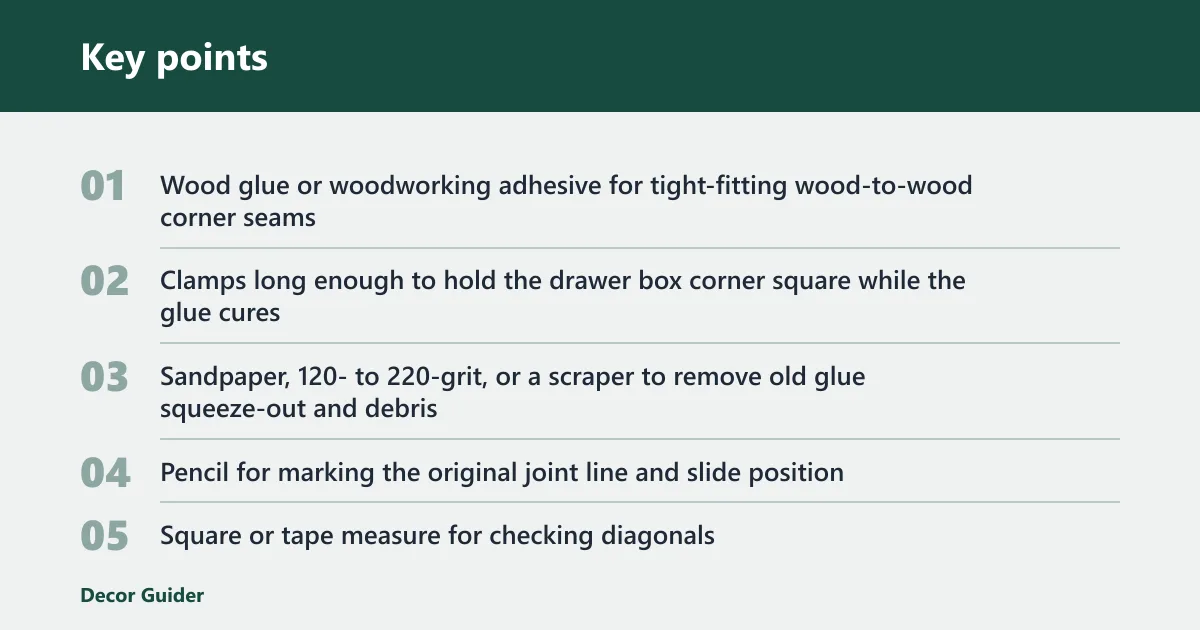


- Wood glue or woodworking adhesive for tight-fitting wood-to-wood corner seams
- Clamps long enough to hold the drawer box corner square while the glue cures
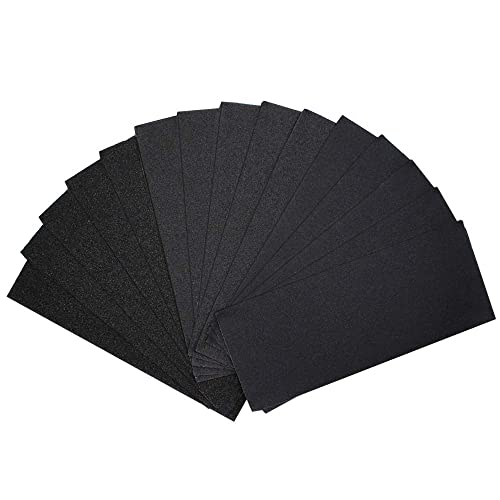
- Sandpaper, 120- to 220-grit, or a scraper to remove old glue squeeze-out and debris
- Pencil for marking the original joint line and slide position
- Square or tape measure for checking diagonals
- Wood filler or epoxy for chips, stripped areas, or wider gaps
- Screws or brads for reinforcement if the corner stock can accept them without splitting
- Shop rag and a vacuum or brush for clearing dust before glue-up
How do you know if glue is enough?
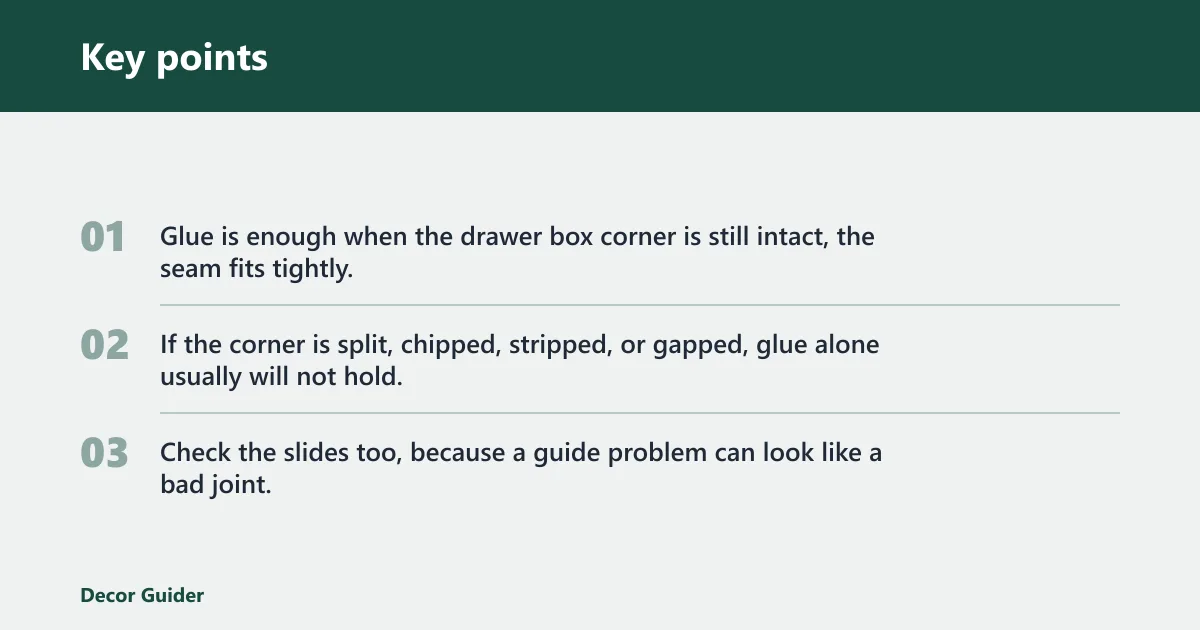
Glue is enough when the drawer box corner is still intact, the seam fits tightly, and the box can be brought back to square without force. If the corner is split, chipped, stripped, or gapped, glue alone usually will not hold. Check the slides too, because a guide problem can look like a bad joint.
Loose drawer corner fix selector
| Symptom | Likely cause | Best repair method | Clamp needed | Cure step | When to stop and replace the drawer part |
|---|---|---|---|---|---|
| Corner moves but wood is intact | Loosened glue or fasteners | Clean, reglue, clamp square | Yes | Leave clamped until fully set | Replace if the joint opens again after cure |
| Small gaps, chips, or worn edges | Surface damage | Filler or epoxy, then reglue if needed | Usually yes | Let filler harden before sanding and reassembly | Replace if the stock is too thin to hold a repair |
| Corner keeps pulling apart under hand pressure | Split stock or failed fastener area | Reinforce with screws or brads if safe, or replace | Yes | Clamp square, then fasten after glue sets enough to hold | Replace if the split runs through the full corner |
| Drawer rubs even after the corner looks fixed | Out-of-square box or slide misalignment | Check square, then inspect slides | Often yes | Reset the box before reinstalling | Replace if warp or slide fit cannot be corrected |
Glue-only vs glue-plus-reinforcement
| Scenario | Use glue only | Add reinforcement |
|---|---|---|
| Tight seam, no split, box still square | Yes | No |
| Loose corner with repeated stress from opening and closing | Sometimes | Yes, if the stock is thick enough |
| Chipped or slightly gapped corner after cleanup | Yes, after filler or epoxy prep | Optional |
| Split edge, stripped fastener hole, or corner that will not stay closed | No | Yes, or replace the part |
How do I glue a loose drawer corner?
Clean the joint, dry-fit the corner, apply wood glue to the mating wood surfaces, and clamp the box square before the adhesive sets. This works best on tight-fitting wood-to-wood seams. If the seam has debris, old squeeze-out, or a warped edge, clean that first or the bond can fail.
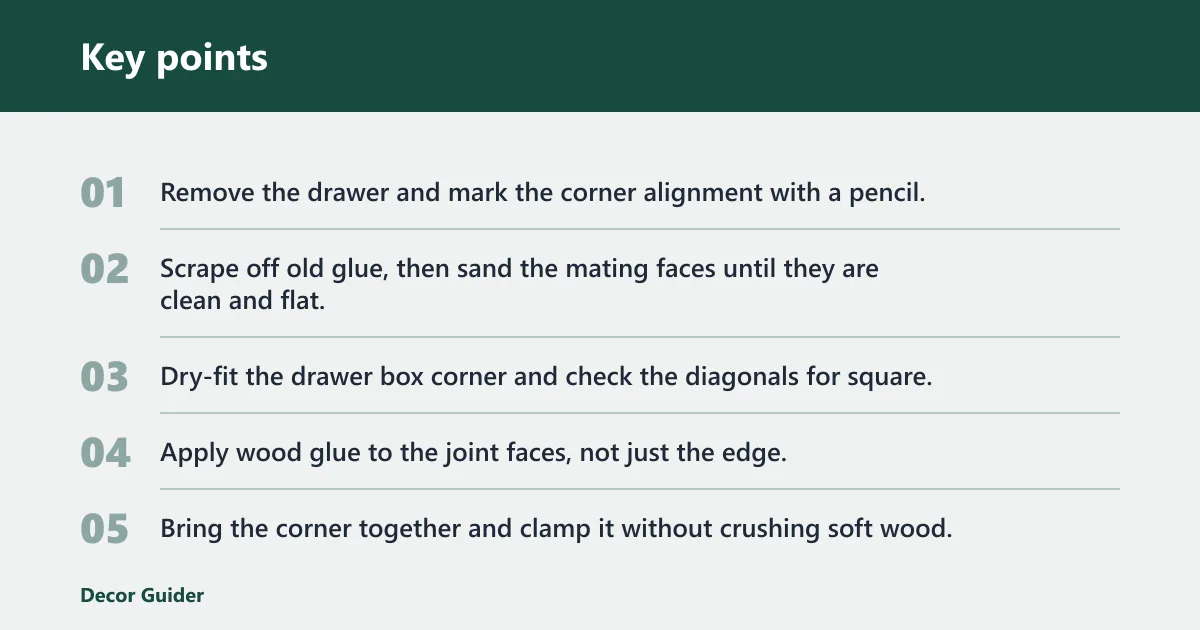
- Remove the drawer and mark the corner alignment with a pencil.
- Scrape off old glue, then sand the mating faces until they are clean and flat.
- Dry-fit the drawer box corner and check the diagonals for square.
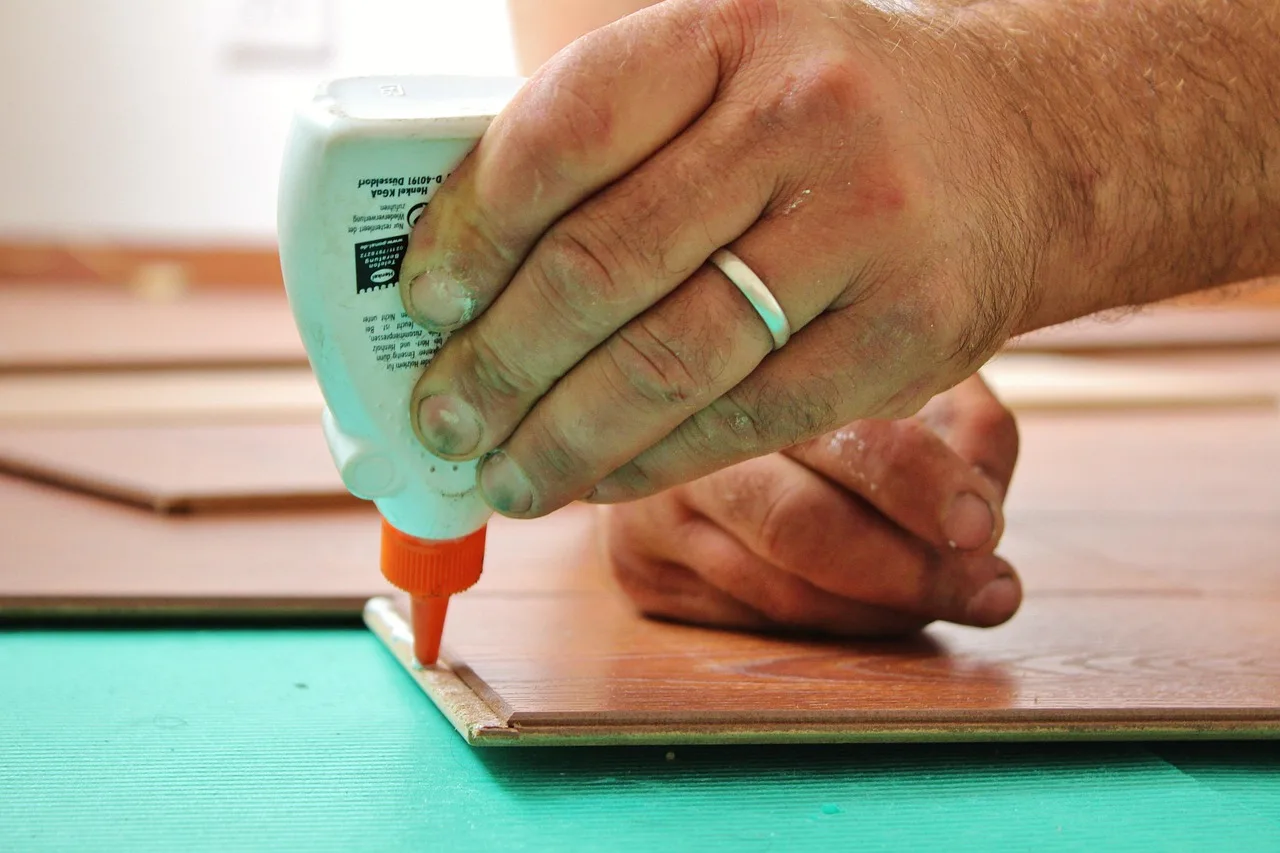
- Apply wood glue to the joint faces, not just the edge.
- Bring the corner together and clamp it without crushing soft wood.
- Measure both diagonals again and adjust until they match as closely as possible.
- Wipe away squeeze-out, then leave the clamp in place until the adhesive fully sets.
- Reinstall the drawer only after the cure is complete and the box stays square.
If that didn’t work, try this next
If the corner still opens, the joint likely needs more than glue. A common first-timer mistake is to reclamp a damaged seam without cleaning out broken fibers first. If your drawer front is 18 inches wide and one rear corner keeps springing open, and the glue line is thin but the wood edge is chipped, use filler or epoxy before another glue-up.
Should you clamp the drawer corner?
Yes. Clamp pressure keeps the corner square while the glue cures, and it helps the joint close fully instead of drying with a gap. Use even pressure, not brute force. If the clamp bows the side or crushes soft pine, the box can end up out of square and bind in the cabinet opening.
Clamp and square check
- Set the drawer on a flat surface with the corner open enough to apply glue.
- Position the clamp so it pulls the joint together evenly.
- Check both diagonals before the glue skins over.
- Adjust until the diagonals match and the drawer stays square.
- Leave the clamp in place until the glue fully sets.
If one diagonal is about 1/4 inch off after clamping, Reset the clamp before the glue hardens. Once the adhesive starts to grab, forcing the box straight can twist the corner and create a rubbing drawer.
How do I fix a drawer corner that keeps opening?
A corner that keeps opening usually needs surface repair, reinforcement, or replacement because the original joint may no longer have enough sound wood to hold. Start by checking for a split, stripped fastener hole, or missing chip. If the edge is intact, glue may still work; if not, move to a stronger repair.
- Inspect the corner for split stock, stripped holes, and missing wood.
- Fill chips or shallow gaps with wood filler or epoxy, then let it harden.
- Sand the repair flush so the joint faces meet cleanly.
- Reglue the corner, clamp it square, and let it cure.
- If the design allows it, add screws or brads after the glue begins to hold, using care to avoid splitting thin drawer stock.
- Stop and replace the corner part if the crack runs through the full thickness or the stock stays loose after cure.
How do I know if my drawer needs glue or replacement?
Choose replacement when the corner is cracked through, badly warped, or too damaged to hold a joint after cleanup. Choose glue when the wood is sound and the seam is simply loose. If the repair would leave too little material for clamping or fastening, replacement is safer than chasing a weak fix.
What if the drawer corner is also out of square?
Fix the square problem before the glue sets. A drawer box corner that is even slightly racked can slide badly, rub one side of the opening, or appear loose again. Check both diagonals after dry-fit and again after clamping, then correct the box before reinstalling it.
If the drawer is out of square, loosen the clamp, shift the box until the diagonals match, and clamp again. A level tool can help with slide alignment later, but the box itself must be square first. Shims can help correct minor alignment issues when the cabinet opening is part of the problem.
How do I stop a drawer from falling off the track after repair?
Inspect the slides after the corner repair, because slide misalignment can mimic a bad joint or make a fixed drawer bind. Drawer guides and slides are meant to keep the drawer sliding straight in and out and help stop it from falling forward when fully opened. If the drawer sits unevenly, the guides may need adjustment.
- Pull the drawer all the way out for access.
- Check whether the hardware is side-mount, center-mount, or under-mount.
- Loosen the screws slightly if the slide position needs adjustment.
- Trace the original guide outline with a pencil before moving anything.
- Reset the guide so the setback is about 3/32 inch to 1/8 inch, then tighten and test.
- Use a level tool and fine shims if the drawer still sits unevenly.
Broken plastic drawer guides are a common drawer problem. If a guide slot allows screw placement adjustment, use about that range to correct the fit before blaming the wood corner again. Incorrectly placed drawer guides can make the drawer close wrong and sit unevenly.
How to fix a drawer that sticks
After the corner repair, sticking usually points to slide position, square, or leftover glue squeeze-out rather than the joint alone. Clean the repaired corner, inspect the slides, and make sure the box still moves straight. If the drawer bottom or side is warped, the repair may be sound but the movement will still feel rough.
Common mistakes
- Using glue alone on a gap that needs filler or epoxy first
- Skipping the square check and closing the drawer while the glue is still wet
- Reinstalling the drawer before the cure is complete
- Overdriving screws or brads into thin stock and splitting the corner
- Ignoring slide alignment after the corner is repaired
- Leaving old glue squeeze-out on the mating surfaces
Prevention
Before you close the drawer for the last time, check that the corners stay square and the slides move without rubbing. A drawer bottom can fall out under load if the box was built too weakly, so keep the repaired joint aligned and watch for recurring gaps during the first few open-and-close cycles.
Frequently asked questions
What is the best wood glue for drawers?
Use a standard PVA wood glue or another woodworking adhesive made for wood joints. It works best on tight-fitting wood-to-wood seams that can be clamped while curing. If the corner has gaps or damage, prep the wood first or choose filler, epoxy, or reinforcement before reglueing.
Should I clamp a drawer corner while the glue dries?
Yes. Clamp pressure keeps the drawer box corner aligned and helps prevent a twisted repair. Apply even pressure, watch the diagonals, and leave the clamp on until the glue fully sets. If the clamp crushes soft wood, back off and reset it.
Products related to this article
Sponsored / affiliate links. As an Amazon Associate I earn from qualifying purchases. I may earn additional commission from eligible campaigns.