What Should You Put on Top of a Dresser?
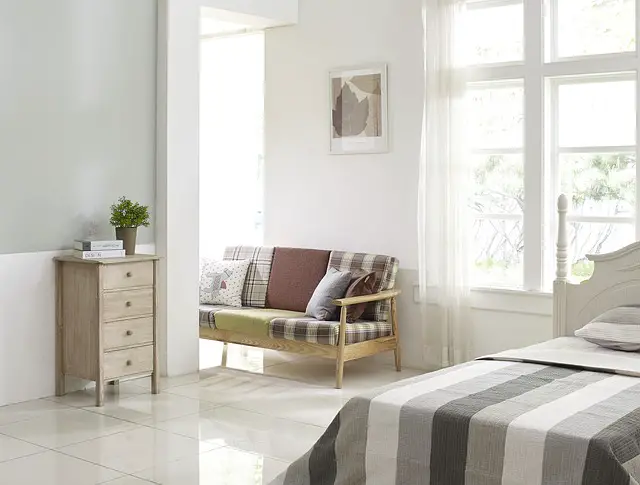
Put 3 to 5 items on a dresser top that do one of three jobs: protect the finish, hold daily-use essentials, or keep the surface visually ordered, such as a tray, lamp, mirror, catchall, or a small plant. Too many pieces make wiping harder and clutter easier to spot. This guide shows what to choose, how to arrange it, and what to leave off.
Quick answer for dresser tops
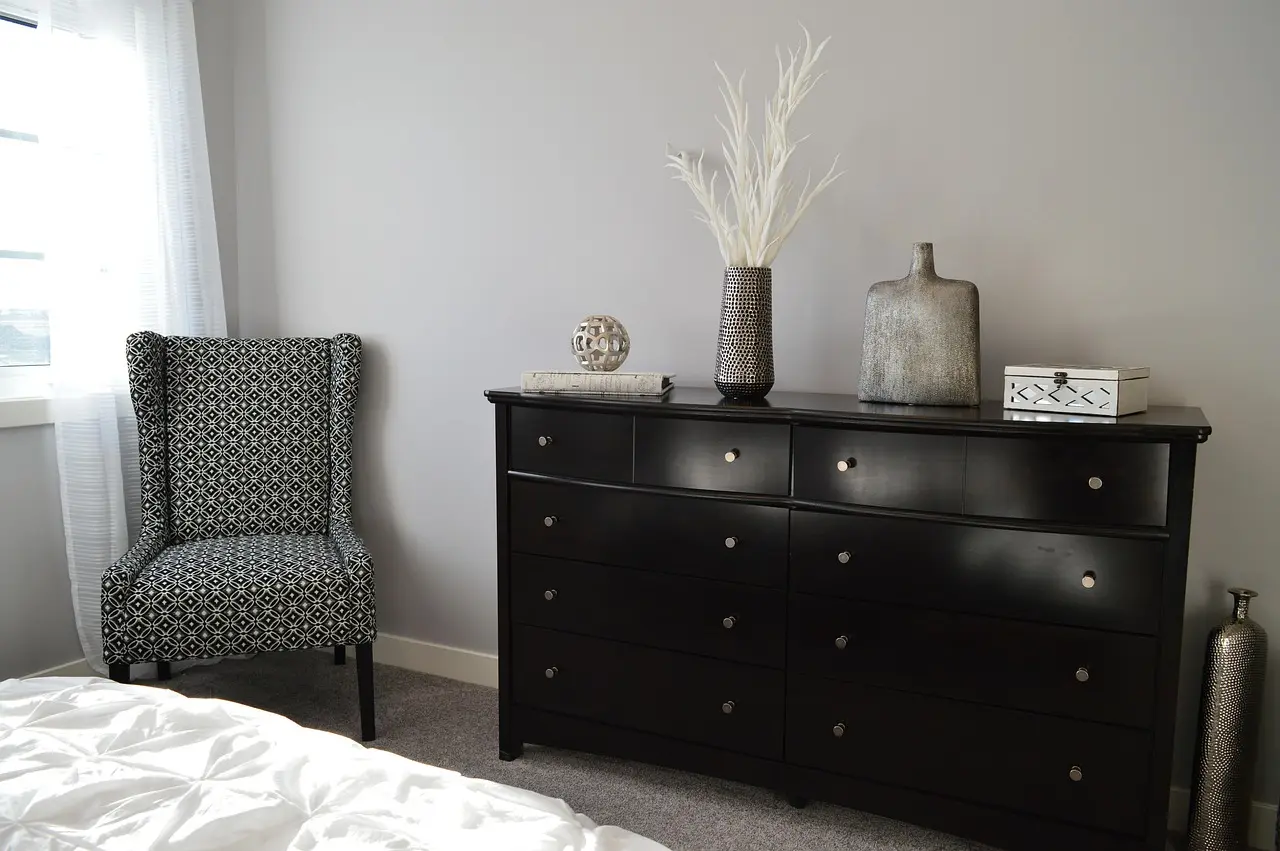


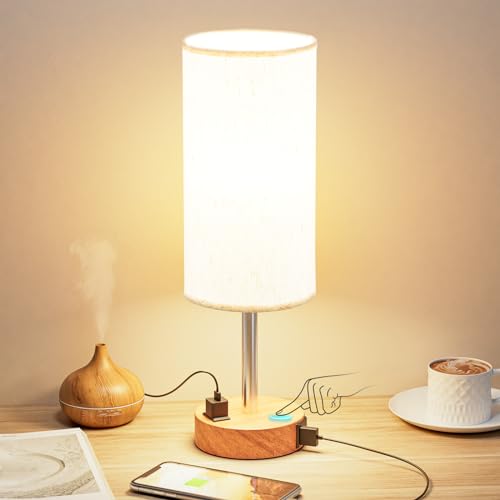
The best dresser-top setup starts with the job you need most. If the surface is bare, use a protector first. If you need light, add a lamp. If the dresser is a vanity or landing zone, use a tray or caddy for small items. Leave open space around the items so drawers work properly and cleaning stays easy.
Best items for function
A dresser top works well with a dresser top protector, table lamp, decorative tray, small storage caddy, catchall dish, mirror, or a stable plant or vase. Choose the item that solves the main problem first. Protection comes before display, especially on finished wood, painted tops, or laminate surfaces that scratch or ring-mark easily.
Best items for style
For a clean visual finish, a mirror, lamp, one stack of books, and one small object often give enough height and shape without crowding the surface. A tray can keep jewelry, keys, or daily carry items in one place. The dresser top should still read as one open plane, not a shelf packed with separate pieces.
What to leave off
Leave off oversized decor that blocks drawers, unstable items that tip, and anything that stains, scratches, or leaks. That includes unprotected candles, wet planters without saucers, loose cosmetics, and heavy objects set near the front edge. If an item needs careful handling every day, it probably belongs elsewhere.
Dresser top decision table
| Goal | Recommended item type | Minimum size / footprint | Risk to avoid | Best for room type |
|---|---|---|---|---|
| Protection | Dresser top protector | Match the dresser width; cover the main contact area | Heat marks, scratches, ring marks, sliding edges | Bedrooms with wood or painted finishes |
| Styling | Mirror, lamp, books, or one decor object | Keep each piece under about one-third of the top depth | Visual crowding and blocked drawer handles | Main bedroom or guest room |
| Storage | Decorative tray, catchall dish, or storage caddy | Small enough to leave open space around it | Scatter, overfilled compartments, hard-to-clean clutter | Shared rooms, entry-point bedrooms, small spaces |
| Vanity use | Mirror plus lamp plus caddy | Mirror width near two-thirds of dresser width | Glare, unstable lamp, makeup spill, blocked drawer access | Primary bedroom or dressing area |
What should you put on top of a dresser?
Put on top of a dresser the few items that solve a real need first, then add one or two objects for balance. In most bedrooms, that means a lamp, a tray, a mirror, or a small decor piece, with open space left for cleaning and drawer clearance. The right mix depends on width and use.
Items that work in most bedrooms
A table lamp is the most common functional choice when the dresser needs task light. A tray helps corral keys, watches, or phone chargers. A mirror adds height and reflects light. A catchall dish works well for rings, earbuds, or loose change when the dresser doubles as a daily landing zone.
A common first-timer mistake is placing four or five small objects with no container. A 48-inch dresser can still look busy if each item is separate. Grouping small things into one tray or dish cuts scatter and makes the top easier to wipe down.
How to pick by dresser size
-
Measure the usable width. Leave enough room for the drawer fronts and any handles, then estimate how much flat surface remains. A narrow dresser often works with one main item and one small companion, while a wide dresser can often handle a lamp plus a tray or mirror.
-
Match the footprint to the top. Keep the largest item from swallowing the surface. A lamp base, tray, or caddy should sit with visible space around it so the dresser still feels usable.
-
Leave one clear zone. Reserve part of the top for temporary use, such as setting down a watch or folded shirt. That blank area matters more on crowded or shared dressers.
How many items to keep
Three to five items is a common target for most dresser tops. Use fewer pieces on narrow dressers and a little more on wide ones, but stop before the top looks packed. If you need more storage than that, the dresser is acting like a shelf and should be treated differently.
What should you put there to protect it?
To protect a dresser top, start with a dresser top protector sized to the dresser width. Choose felt, silicone, acrylic, or vinyl based on the type of protection you need. The goal is to reduce scratches, heat damage, and ring marks without making the surface hard to use or clean.
Dresser top protectors
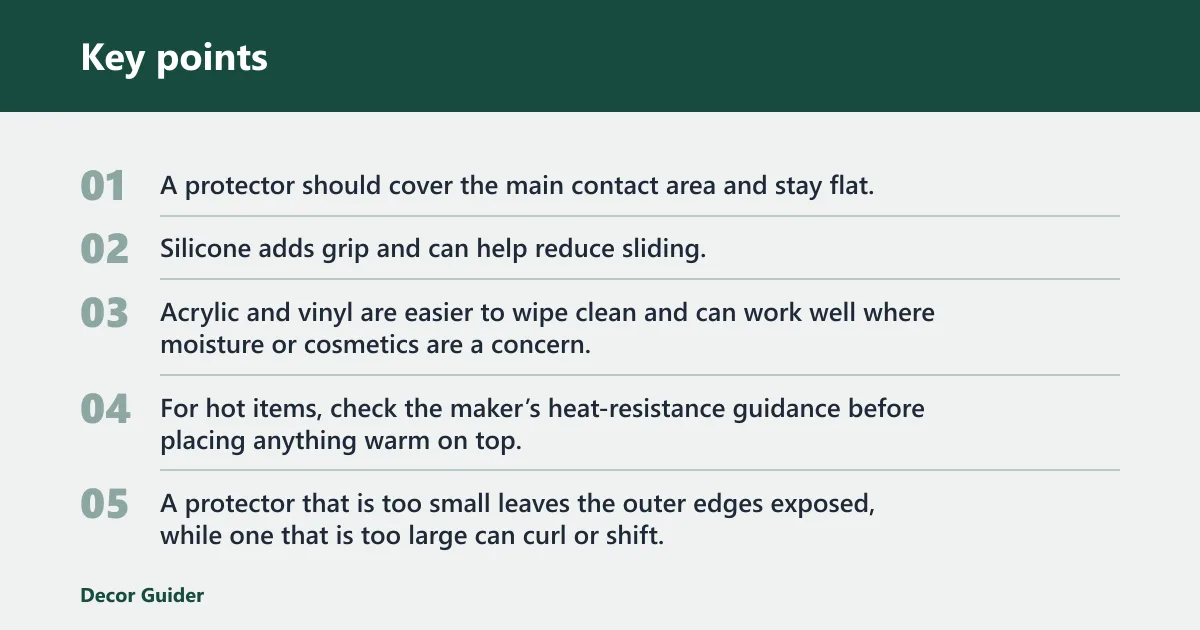
A protector should cover the main contact area and stay flat. Felt helps with scratch protection. Silicone adds grip and can help reduce sliding. Acrylic and vinyl are easier to wipe clean and can work well where moisture or cosmetics are a concern. For hot items, check the maker’s heat-resistance guidance before placing anything warm on top.
Size matters. A protector that is too small leaves the outer edges exposed, while one that is too large can curl or shift. The best fit follows the dresser width closely and stays out of the drawer path.
Lamp and accessory placement
Can you put a lamp on a dresser? Yes, as long as the base is stable and the cord does not run across a drawer gap or the front edge. A weighted base lowers tip risk. Keep the lamp far enough back that opening the drawers does not hit the cord or shade.
The lamp shade should sit at a height that works with any mirror above it. If the mirror is wall-mounted, keep the lamp low enough that the shade does not crowd the lower edge. If the mirror leans, place the lamp slightly to one side so the base and shade do not compete for the same space.
Moisture and heat risks
Plants, candles, and drinks are the main trouble spots. A vase or plant container should be stable, sit on a waterproof saucer, and match the light the room gets. Too little light weakens the plant; too much water or a tipped pot can stain the finish fast.
Heat damage often shows up as dull rings or soft marks. A protector helps, but it should not be your only defense if you set down warm mugs, hair tools, or candles. Keep those items on a tray or another heat-safe surface whenever possible.
How do you style a dresser top without clutter?
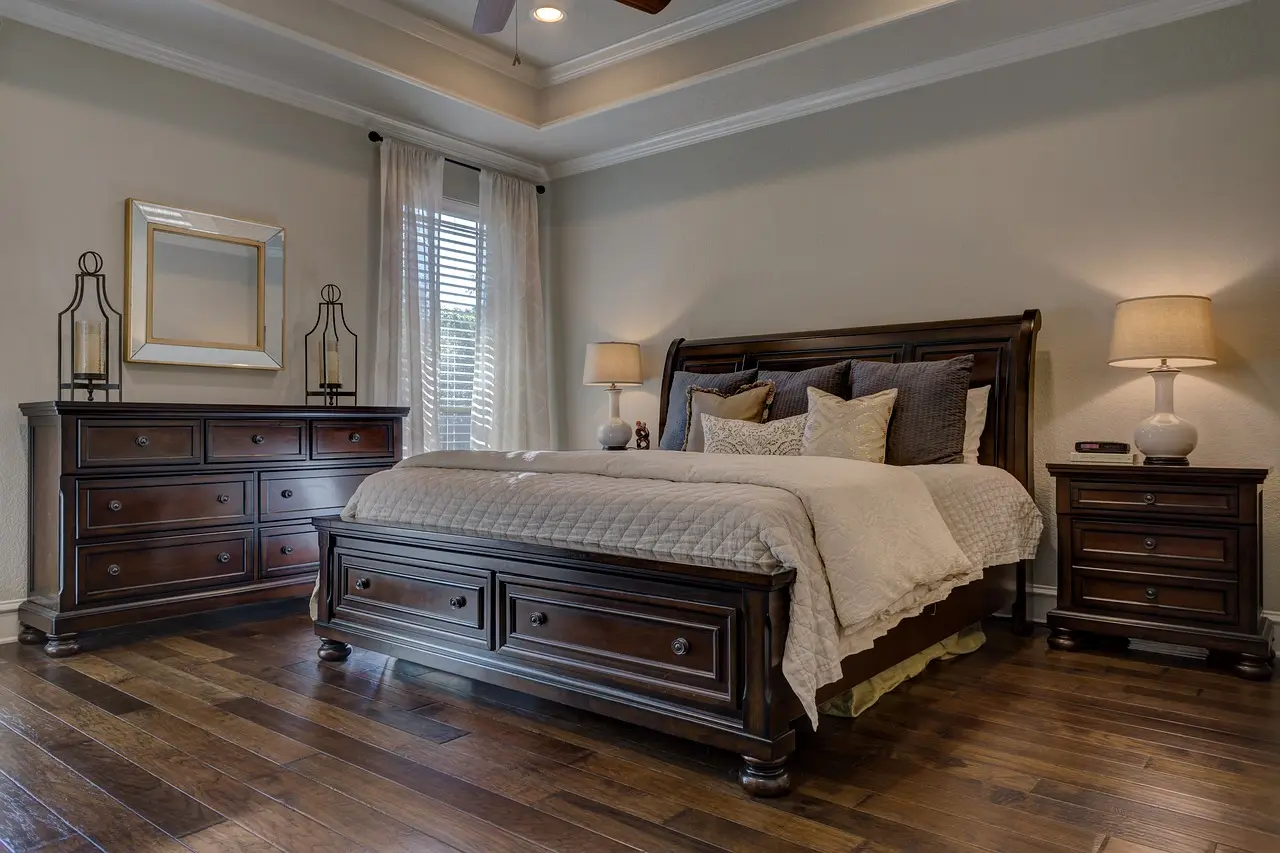
Style a dresser top without clutter by using one clear anchor, one secondary object, and one small storage piece. A tray-led layout works well because it gathers loose items and gives the top a single visual center. Leave some empty space around every piece so the dresser still reads as a functional surface.
Tray-led layouts
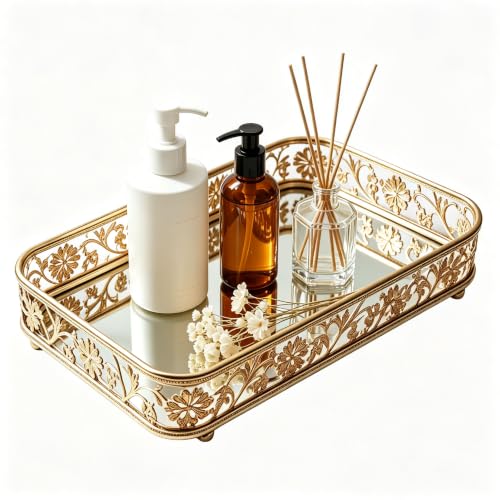
A decorative tray is useful because it corrals everyday carry items in one footprint. Ceramic, wood, metal, and acrylic all work; choose based on room style and how much cleaning you want to do. Use it for glasses, jewelry, a watch, lip balm, or a charger, not for a pile of random extras.
Tray size should stay modest. A tray that is too large turns into another flat surface for clutter, while one that is too small spills items to the sides. The right tray holds the daily items you actually reach for and nothing more.
Mirror and lamp balance
A mirror above the dresser gives height and light reflection, which helps the surface feel open. Wall-mounted mirrors are fixed and clean-lined. Leaning mirrors feel more casual and are easier to adjust, but they need a stable base and enough clearance so they do not slip.
For scale, many setups work best when the mirror width is near two-thirds of the dresser width. That ratio keeps the mirror from looking tiny or overpowering. Frame style should follow the room, but the mirror should still leave room for the lamp and any other item you plan to keep on top.
Books, art, and small objects
Books or stacked decor objects add height layering without filling the whole top. Keep the stack low, usually two or three books, and place it away from drawer operation so it does not snag when you pull a drawer open. One sculptural object on top of the stack is usually enough.
Suppose a 60-inch dresser in a guest room needs only a lamp and a mirror. A single lamp on one side, a mirror centered above, and a shallow tray on the other side usually look finished without crowding the top. Add a book stack only if the space still reads open.
What should not go on a dresser top?
Do not put oversize decor, unstable objects, or items that can stain or scratch. Avoid anything that blocks drawer access, sits too close to the front edge, or needs frequent water, heat, or cleaning. If an item is likely to wobble, drip, or tip, the dresser top is the wrong place for it.
Oversize decor and blocked drawers
Large vases, oversized lamps, and wide art pieces can overwhelm the top and interfere with how the dresser works. If a piece makes it hard to open drawers fully, it is too large. The same is true for decor that hangs over the back or sides where it can be bumped.
Unstable or spill-prone items
A tall, narrow object without a weighted base is a poor choice on a busy dresser. So are open drinks, unprotected candles, and plants in containers without saucers. A dresser near a walkway, door, or bed edge gets bumped often enough that balance matters.
Scratch and stain risks
Metal bases with rough feet, raw ceramic bottoms, and loose decorative objects can leave marks. Cosmetics, perfume, nail products, and damp cups can stain wood or swell veneer. If the item can scratch or spill, place it on a tray, protector, or another surface first.
Frequently asked questions
What do you put on top of a dresser to protect it?
A dresser top protector is the most direct choice, especially one sized to the dresser width. Felt helps with scratches, silicone adds grip, and acrylic or vinyl are easy to wipe clean. Use a heat-safe layer for warm items and a saucer or tray for moisture-prone objects.
How many items should be on a dresser top?
Many dresser tops look best with about 3 to 5 items. Narrow dressers usually need fewer, while wide dressers can hold more if each item has breathing room. The right number is the smallest set that covers protection, daily use, and visual balance.
Can you put a lamp on a dresser?
Yes, a lamp is one of the most useful dresser-top items. Choose a stable, weighted base, and keep the cord clear of drawers and edges. If there is a mirror above the dresser, place the lamp so the shade does not block the mirror or crowd the surface.
What should not be placed on top of a dresser?
Do not place oversized decor, unstable items, open drinks, or anything that can scratch or stain the finish. Avoid unprotected candles, wet plants, and objects that block drawer operation. If a piece needs constant adjustment or cleanup, it does not belong on the dresser top.
Products related to this article
Sponsored / affiliate links. As an Amazon Associate I earn from qualifying purchases. I may earn additional commission from eligible campaigns.