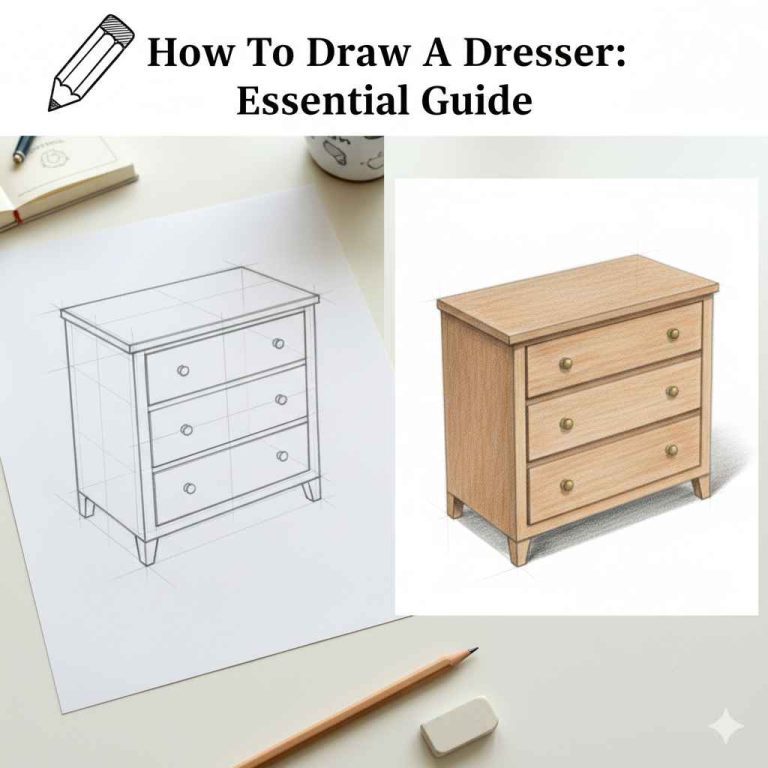
Better Homes and Gardens Dresser Review
Better Homes and Gardens dressers can be a reasonable budget buy for renters and light-to-moderate use, especially at about $300 or less, but it is worth checking for metal drawer slides, anti-tip hardware, and a solid back panel. Skip those details and you invite drawer wobble, tipping, and sagging that shortens the dresser’s life. This guide breaks down construction, safety, value, and which buyers should pass.
Verdict

The brand is a budget furniture line sold through major retailers, with bedroom storage as part of a larger home decor range. That usually means decent value for the price, not premium joinery. If you want a dresser for a guest room, starter bedroom, or a child’s room with light loading, the lineup can make sense. For a primary bedroom that sees hard daily use, be more selective.
Specs at a glance
| Check | What to expect from this class of dresser |
|---|---|
| Typical materials | Engineered wood, MDF, laminate, veneer |
| Assembly | Usually required; hardware completeness matters |
| Drawer count | Commonly 5 to 6 drawers on bedroom dressers |
| Storage capacity | Good for folded clothing, linens, and light bedroom storage |
| Footprint | Varies by model; always check width, depth, and height against the room |
| Top-load limit | Use the manufacturer’s listed limit when provided; it matters for décor and TVs |
| Drawer hardware | Basic glides on budget models, with better feel when metal slides are used |
| Safety | Anti-tip anchoring is important, especially for tall dressers and children’s rooms |
Typical construction signals
Engineered wood is common because it keeps costs down and panel sizes consistent, but it takes moisture less well than solid wood. MDF gives a smooth paint finish and can look tidy on flat surfaces, yet it holds screws less aggressively and can swell if water reaches raw edges. Laminate helps with wipe-clean care and scratch resistance, but heat and standing moisture remain weak points.
Veneer can improve appearance on a budget frame, though edge-banding quality matters. A neat front edge and tight panel seams usually age better than visible chips or rough corners. On a dresser, the small details often tell you more than the style photo does.
Who it
Better Homes and Gardens dressers fit buyers who want a budget bedroom piece for light or moderate daily use. They make the most sense in guest rooms, rental units, starter apartments, and kids’ rooms where you want usable storage without paying for hardwood joinery. The neutral finishes also work well when you need a piece that blends with changing decor.
They are a weaker fit for buyers who want heirloom furniture, very heavy drawer loads, or a dresser that will face damp conditions. If you need furniture for a basement bedroom, a humid climate, or a room where the top will hold a television and daily clutter, construction details matter more than the brand name alone.
Best use cases
- Guest room storage with light use
- Kid’s room clothing storage with wall anchoring
- Rental bedroom where budget matters more than premium finish
- Starter bedroom needing a neutral, practical dresser
Who should pass?
- Buyers who want solid-wood construction and premium joinery
- Households that load drawers heavily every day
- Rooms with regular moisture exposure or poor ventilation
- Anyone who will skip anti-tip installation
What works
The main appeal is value. Better Homes and Gardens sits in a budget segment, so you are paying for function, not furniture-store craftsmanship. That can be a good trade if the dresser has the right hardware and a stable back panel. The finish options are practical too, with neutral tones that fit many bedrooms without much effort.
Storage is usually straightforward. A 6-drawer dresser gives a practical mix of folded clothing space and a top surface for a lamp or small decor, while a narrower chest may fit better in tighter rooms. Picture a 15-inch-deep dresser in a small apartment bedroom: it can preserve walking space better than a bulkier case piece, even if it offers less drawer volume.
Pros
- Budget-friendly price positioning
- Broad style and finish variety
- Useful for light-to-moderate storage needs
- Often easy to match with casual bedroom decor
Storage and fit
Drawer count matters less than drawer usefulness. A dresser with 6 drawers can be a better bedroom fit than a larger piece with poor glide quality, because the drawers will be easier to use and less likely to sag. Check the listed width, depth, and height before buying so the piece does not crowd doors, vents, or a bed frame.
Weight limits matter too. If the manufacturer lists a top-load limit, treat that number as a ceiling, not a target. It affects whether you can safely place a TV, lamp, mirror, or stacked decor on the top without stressing the frame.
What does not?
The weak point is consistency. Some budget dressers feel fine once assembled, while others arrive with uneven pre-drilled holes, thin backing, or drawer slides that do not align cleanly. That variability makes Better Homes and Gardens more of a careful buy than a blind buy.
Assembly is part of the quality story, not separate from it. If cam locks are not fully tightened, the case can rack, drawers can bind, and the dresser can feel looser than the materials alone would suggest. In plain terms, a budget dresser can only be as stable as its assembly allows.
Common failure points
- Chipped edges and worn corner finish
- Drawer sag on heavier use
- Wobble from loose fasteners or thin back panels
- Moisture damage at raw edges or seams
- Plastic slides that feel rough or short on extension
Say your bedroom sits near a bathroom door and the dresser is only a few feet from damp towels or occasional splashes. A laminate face may clean easily, but an exposed edge or swollen MDF corner can still fail early if moisture reaches the panel core. That is why edge-banding matters more than many shoppers expect.
A common first-timer mistake is assuming all drawer hardware is equal. Basic glides can work, but if the drawers do not extend smoothly or sit square in the opening, daily use becomes annoying fast. Metal slides usually hold alignment better than plastic parts, and soft-close hardware, when included, is a stronger sign of a higher-spec model.
Homes and gardens dresser quality scorecard
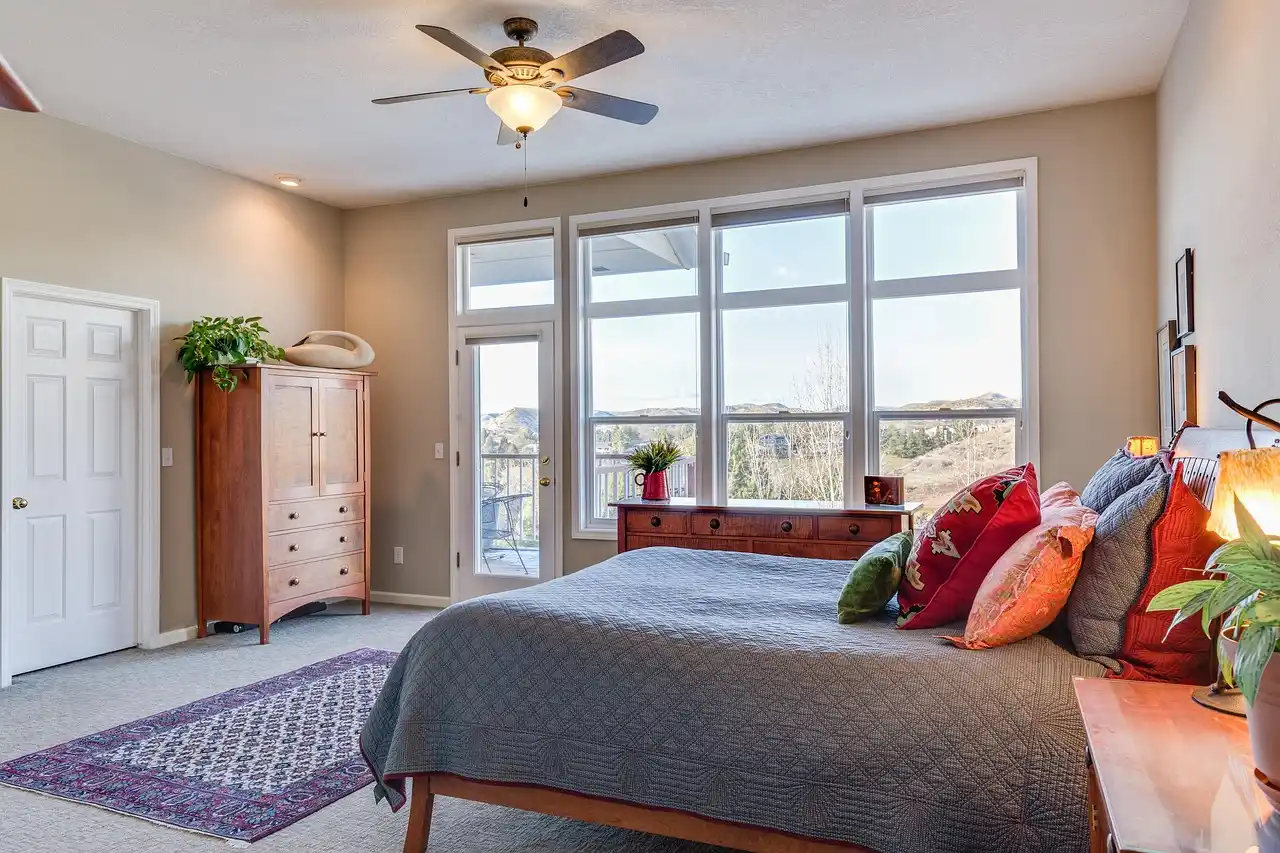
This is a practical buyer checklist, not a formal industry standard. Use it to separate a decent budget dresser from one that is likely to disappoint after assembly or a few months of use.
| Check | Pass | Fail |
|---|---|---|
| Material type | Engineered wood or MDF with finished edges and intact panels | Thin, rough, or visibly damaged panels; raw edges exposed where wear will hit first |
| Drawer glide type | Metal slides or well-aligned glides that extend smoothly | Plastic-only slides, sticking drawers, or visible wobble when opened |
| Back panel thickness | Back panel feels secure, square, and properly fastened | Loose, flimsy, or poorly attached backing that lets the case rack |
| Anti-tip hardware | Wall strap or anchor kit included and used | No anchor kit, or a tall dresser that would be left unsecured |
| Edge finish | Clean laminate or veneer edges with no bubbling or chips | Rough corners, peeling edge-banding, or exposed composite material |
| Assembly complexity | Clear instructions, labeled parts, and a build that a typical buyer can complete with basic tools | Missing fasteners, vague diagrams, or a build that leaves drawers misaligned |
| Weight rating | Listed top-load limit and drawer limits are clear and realistic | No usable load information, or a rating that seems too vague to trust |
| Finish durability | Laminate or painted finish that resists light scratches and wipes clean easily | Finish marks easily, shows chips fast, or reacts poorly to moisture |
| Return policy | Simple return window and clear replacement support if parts arrive damaged | Hard-to-navigate returns or unclear parts replacement process |
| Room suitability | Fits the room width, depth, and use pattern with space to open drawers fully | Too deep, too tall, or too bulky for the room and daily traffic |
Scoring guide
- Budget buy: 8 to 10 passes. Good fit for light-to-moderate use if the price is right.
- Cautious buy: 6 to 7 passes. Acceptable only if the room is light-use and the return policy is friendly.
- Avoid: 5 or fewer passes. The risk of wobble, wear, or assembly trouble is too high.
Assembly and safety checklist
- Confirm every labeled part and fastener is present before starting.
- Sort screws, cam locks, and dowels so missing hardware is obvious early.
- Check that drawer slides are installed on the correct sides before tightening anything fully.
- Square the frame before final tightening so drawers do not bind.
- Attach the anti-tip strap to a wall stud or approved anchor point.
- Open and close every drawer to check smooth travel and alignment.
Alternatives

Decofy 6 Drawer Dresser is the better pick if you want stronger style cues and a more premium-looking top surface, based on the listed fluted design, rounded edges, and included anti-tip straps. The solid-wood construction claim is a plus, but the tradeoff is a higher price than many budget dressers and less of the plain, minimal look some bedrooms need.
Orgobysol 6 Drawer Double Dresser is the more budget-oriented alternative, with a compact 15.3-inch depth that suits small rooms and a matte waterproof finish that should be easier to wipe down. The tradeoff is a lower-cost build style, so buyers should still inspect the slides, back panel, and assembly fit carefully before assuming it will feel sturdy.
Use Better Homes and Gardens as the comparison point when you want a familiar mass-market budget dresser and are willing to inspect the details. Move to a different brand if you want better hardware, better edge finishing, or more confidence in long-term drawer alignment. For bedrooms with frequent use, hardware quality matters more than the brand name on the listing.
Should you buy it?
Buy a Better Homes and Gardens dresser if you need affordable bedroom storage, want a neutral look, and can confirm the dresser has metal slides, anti-tip hardware, and a stable back panel. Skip it if you want premium feel, heavy-duty daily use, or furniture that should outlast a move without complaints. The safest buys are the models that pass the checklist, not the ones that merely look nice in photos.
Before checkout, verify four things: the materials used, the drawer hardware, the top-load limit, and the return policy. If any of those are vague or missing, the deal gets weaker fast. A budget dresser can be perfectly acceptable; it just should not ask you to ignore the construction.
Frequently asked questions
Is Better Homes and Gardens furniture good quality?
Better Homes and Gardens furniture is usually acceptable for the price, but it is not premium. Quality depends heavily on the specific model, the material mix, and the hardware. For dressers, the best buys have metal slides, a secure back panel, and included anti-tip hardware.
Is Better Homes and Gardens a good brand for bedroom furniture?
It can be a good brand for budget bedroom furniture, especially for guest rooms, rentals, and starter spaces. It is less compelling if you want solid-wood construction or heavy daily use. The brand’s value depends on whether the dresser’s build details are strong enough for your room.
What materials are used in Better Homes and Gardens dressers?
Better Homes and Gardens dressers commonly use engineered wood, MDF, laminate, and sometimes veneer. Those are standard materials in ready-to-assemble furniture because they control cost and keep production consistent. The tradeoff is lower moisture tolerance and more dependence on good edge finishing.
Are Better Homes and Gardens dressers durable for daily use?
They can handle light-to-moderate daily use, but they are not the best choice for heavy loading or rough handling. Durability depends on drawer hardware, edge protection, and assembly quality. Drawer sag, chipped edges, and moisture damage are the main risks to watch for.
Does Better Homes and Gardens furniture need assembly?
Yes, many pieces need assembly, including dressers. That means you should confirm all hardware is present and set aside enough time to build it carefully. Assembly quality affects stability, drawer alignment, and how solid the dresser feels after setup.
What should I check before buying a Better Homes and Gardens dresser?
Check the material type, drawer slide type, back panel quality, anti-tip hardware, listed weight limits, and room dimensions. Also review the return policy and replacement-part support. These details matter more than the finish color because they shape how long the dresser will stay usable.
Products related to this article
Sponsored / affiliate links. As an Amazon Associate I earn from qualifying purchases. I may earn additional commission from eligible campaigns.