
How Much Does a Large Dresser Cost?
A large dresser usually costs $300 to $1,500 in the U.S., with solid wood, stronger joinery, and wider or taller builds pushing prices higher. Buy on sticker price alone, and you can end up with weak drawers, costly delivery, or a piece that needs replacing sooner. This guide breaks down what drives cost, what delivery and assembly can add, and how to judge value by storage and lifespan.
What counts as a large dresser?
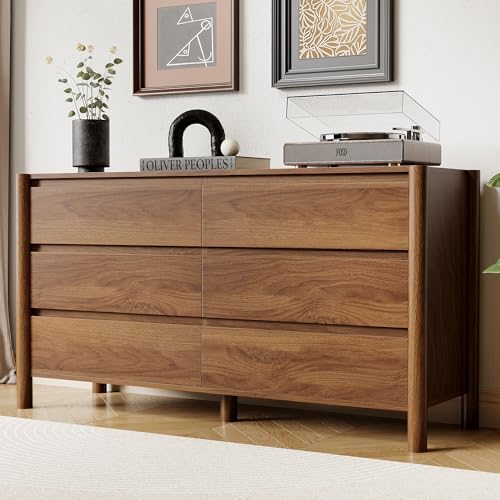

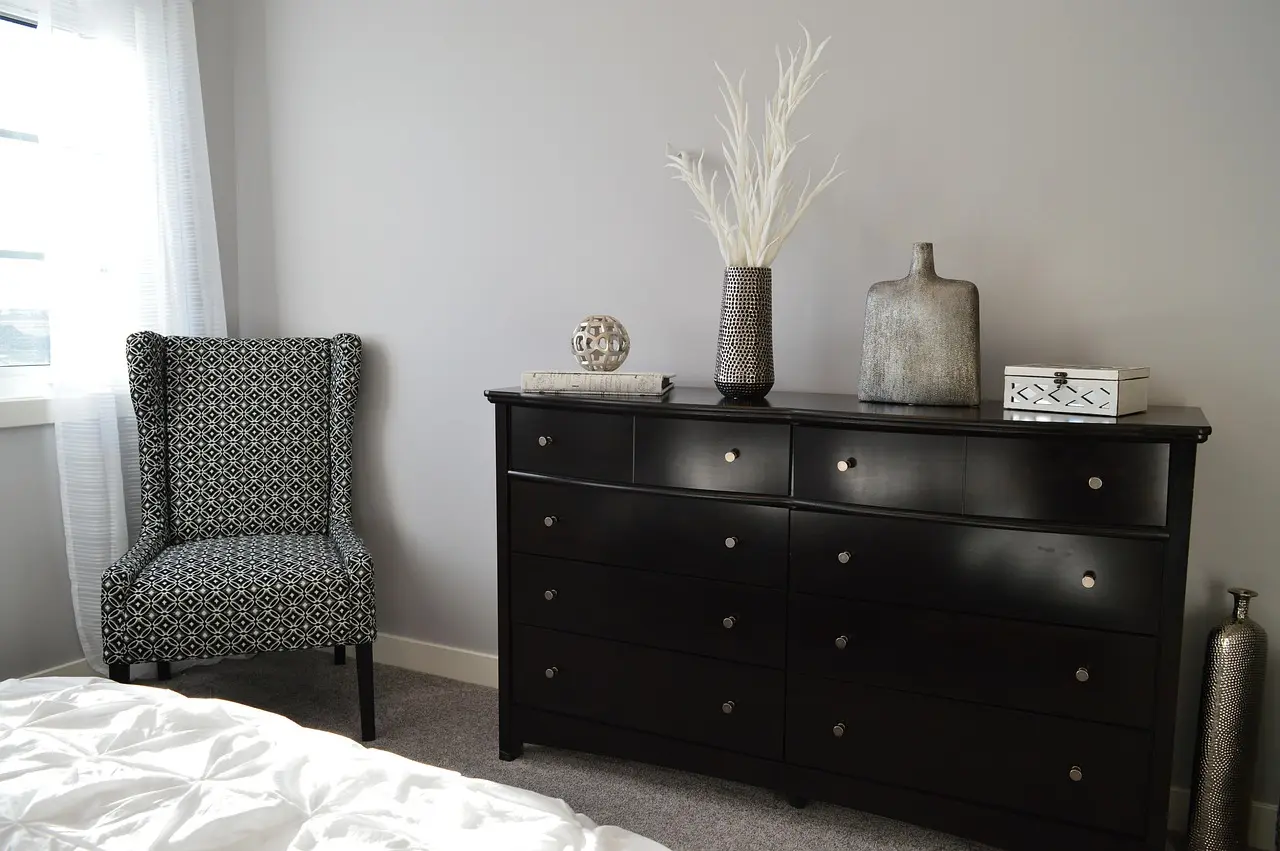
A large dresser is usually a wide or tall storage piece with enough drawer volume to serve as a main bedroom dresser, not a spare accent piece. In practical terms, shoppers often mean a dresser about 60 inches wide or more, or a tall chest with more vertical storage and a larger drawer stack. The exact price depends on width, height, depth, drawer count, and how easily it fits your room.
Typical dimensions and drawer count
Large dressers often start at 60 inches wide, which is also the point where material and hardware costs tend to rise. Depth commonly falls around 18 to 20 inches, and height can range from about 30 inches for a low wide dresser to 50 inches or more for a tall chest. Drawer count usually runs from about 6 to 9, though some wide models go higher.
More drawers do not always mean more usable storage. Shallow drawers, thick frames, or bulky trim can cut into usable volume. A dresser with fewer but deeper drawers can sometimes hold more clothing than a larger-looking unit with narrow drawers.
Clearance and placement basics
Measure the room, not just the wall. Leave enough clearance for drawers to open fully, and check that doors, vents, and bed corners do not block the front face. A dresser that fits on paper can still be awkward if you cannot stand in front of it comfortably.
Tall or heavy dressers should include wall anchoring. That matters more when the piece is high, top-heavy, or placed in a child’s room. Anchor kits are usually low-cost add-ons, but they are part of the real budget.
Large dresser cost range by tier
Most buyers pay a few hundred dollars for a standard dresser, and large dressers span a wider range because size, material, and build quality move the price fast. A basic large dresser can start near the low hundreds, while premium hardwood or custom pieces can pass $2,000. Most mainstream dressers land between $300 and $1,500.
Budget large dressers
Budget large dressers often use MDF, particleboard, or laminate surfaces. CurrentCost estimates a basic MDF or laminate dresser at $150 to $450, and FitlyFast places budget dressers under $300. These pieces can work for guest rooms, rentals, or short-term needs when you can accept lighter construction and a shorter service life.
Mid-range large dressers
Mid-range dressers often hit the best balance of price and durability for everyday use. CurrentCost places solid wood or veneer dressers at $350 to $1,200, while LatestCost says midrange dressers commonly cost $350 to $900. This tier often includes better drawer slides, sturdier backs, and finishes that hold up better to daily use.
Premium large dressers
Premium large dressers usually use hardwood, finer veneer work, custom sizing, or upgraded joinery. CurrentCost says premium hardwood or custom dressers can exceed $2,000, and FitlyFast says high-end dressers start at $1,500 or more. At this level, you are often paying for species quality, finish detail, and long-term durability as much as size.
What makes a large dresser cost more?
The biggest price drivers are material, size, hardware, and finish. A 60-inch dresser needs more raw material and stronger support than a smaller model, so the cost rises with width, height, and drawer count. Better drawer glides, cleaner finish work, and denser wood also push prices up.
Solid wood versus MDF or engineered wood
Solid wood usually costs more because the material itself is more expensive, heavier to move, and often built with better joinery. Wood species matter too. A dresser made from oak, maple, or walnut typically lands above pine or mixed hardwood pieces, and premium hardwood or custom models can exceed $2,000. Solid wood also tends to age better if the finish is sound and the construction is solid.
MDF and engineered wood usually cost less because they are cheaper to make and easier to ship. They can be perfectly reasonable for a bedroom that does not face heavy wear, but they are more sensitive to moisture and edge damage. If a drawer front chips or swells, repairs are harder and sometimes not worth the effort.
Drawer glides and hardware quality
Drawer glides matter more than many shoppers expect. Roller glides are usually cheaper and simpler, while ball-bearing slides cost more but tend to feel smoother and hold up better under load. Soft-close hardware adds cost too, but it reduces slamming and can extend the life of the box and face frame.
Check the load rating if it is listed. Heavier drawers, especially wide ones, need hardware that can handle repeated use without sagging or sticking. A cheap large dresser with weak slides may cost less on day one and more later in repairs or replacement.
Finish type, surface material, and repairability
Painted finishes, stained wood, veneer, and laminate all price differently. Painted surfaces can look clean and modern, but they may show chips more readily. Stained wood usually costs more because the grain shows through and the finish work is more involved. Veneer gives the look of wood at a lower cost than solid hardwood. Laminate is often the easiest to clean and one of the cheapest, but it is harder to repair if damaged.
Scratch resistance and cleaning needs vary by finish. Laminate generally cleans with less fuss. Stained and painted surfaces need more care around edges, corners, and water exposure. Repairability is part of value, because a finish that can be touched up may last longer in a busy bedroom.
Large dresser cost worksheet
Use this worksheet to compare cost by usable storage and expected life, not price alone. The yearly figure is a simple estimate: total cost divided by expected lifespan, including common delivery and assembly assumptions where noted. That makes a more expensive dresser easier to compare when it should last much longer.
| Width | Drawer count | Material | Delivery type | Assembly need | Expected lifespan | Estimated total cost-per-year | Notes |
|---|---|---|---|---|---|---|---|
| 60 in | 6 | MDF/laminate | Threshold delivery | Yes | 4 years | $95/year | No stairs; room placement not included |
| 62 in | 6 | MDF/veneer | Threshold delivery | Yes | 5 years | $132/year | Second-floor room; stair carry fee likely |
| 66 in | 7 | Veneer over engineered wood | White-glove delivery | No | 7 years | $186/year | Room placement included; narrow hall |
| 68 in | 8 | Veneer over hardwood frame | White-glove delivery | No | 10 years | $165/year | Stairs plus corner turn; confirm access first |
| 72 in | 9 | Solid oak | White-glove delivery | No | 15 years | $147/year | Heavy piece; wall anchor kit recommended |
| 74 in | 9 | Solid walnut | White-glove delivery | No | 20 years | $170/year | Room placement and stair carry can add more |
Use the worksheet this way: first decide the width and drawer count you actually need, then compare delivery type, assembly, and lifespan. A dresser that costs more up front can be cheaper per year if it lasts much longer and needs fewer repairs or replacements.
- Measure the wall, walkway, and drawer clearance.
- Choose the widest size that still leaves usable room.
- Compare material and hardware, not finish alone.
- Add delivery, stair carry, room placement, and assembly.
- Estimate lifespan based on daily use and move risk.
- Divide total cost by lifespan to compare options.
Say your bedroom has a 70-inch wall and you want a 60-inch dresser with six drawers. A $280 laminate piece may fit the budget, but if it needs stair carry, assembly, and replacement in a few years, the yearly cost can approach a sturdier mid-range model that lasts much longer.
How much does delivery and assembly add?
Delivery and assembly can add a meaningful amount to the final price of a large dresser. The same source lists delivery at $50 to $200 and labor at $0 to $320. The larger and heavier the dresser, the more likely you are to pay for stair carry, room placement, or full white-glove service.
Threshold delivery versus white-glove delivery
Threshold delivery means the dresser is brought just inside the front door or garage. White-glove delivery usually includes transport into the room, unpacking, and sometimes assembly or debris removal. White-glove service costs more, but it can save time and reduce the risk of damage on the way to a second floor or tight bedroom.
Stair carry and room placement fees
Stair carry surcharges are common when movers must take a heavy dresser up or down steps. Room placement fees may apply if the crew needs to move the dresser beyond the threshold and into the exact spot you want. These fees matter more with tall or solid wood dressers because weight and size slow the move.
Assembly charges and shipping cost drivers
Assembly charges can be listed separately or bundled into labor. Some dressers arrive fully assembled, while others need drawer installation, anti-tip hardware, or leg attachment. Shipping cost rises with size, weight, and packaging volume, so a wide dresser often costs more to move than a smaller one even when the base price looks similar.
A common first-timer mistake is ordering a large dresser without checking hallway turns and stair width. A 72-inch dresser can be a good fit on paper and still trigger a delivery problem if the landing is tight or the room door opens inward.
Is a solid wood large dresser worth it?
Solid wood is worth paying more for when you want long service life, better repairability, and a piece that can handle daily use. It is less compelling for a short-term rental, a child’s room that may change soon, or a bedroom where the dresser is likely to move several times. The value depends on use, not on material alone.
Best use cases for solid wood
Solid wood makes sense for a primary bedroom, a long-term home, or a buyer who wants a dresser that can be refinished and repaired later. It also suits heavier loads and wider drawer spans, since a stronger structure can reduce sagging over time. If the finish is well done, a solid wood dresser can hold value better than many budget alternatives.
When MDF or veneer is the smarter buy
MDF or veneer can be smarter when you need a lower upfront cost, lighter weight, or a style that may change in a few years. That matters in rentals, guest rooms, and some kids’ rooms. Just keep moisture sensitivity and damage risk in mind. If the dresser is likely to get banged up or moved often, cheaper construction may age faster than expected.
Matching price to lifespan and move risk
When comparing a $350 veneer dresser with a $900 solid wood model, look at the expected lifespan and the cost of moving it. If the furniture will stay in place for years, the higher price may pay back through durability. If you expect one move soon, shipping damage and stair fees can erode the advantage.
Suppose a family wants a tall dresser for a child’s room on the second floor. A solid wood model may be worth the added cost if it needs wall anchoring and will stay in use for many years, but a heavy premium piece may be the wrong pick if frequent moves are likely.
Frequently asked questions
How much does a large dresser cost?
Delivery and assembly can add more.
How much does a tall dresser cost?
A tall dresser often costs about the same as a wide one at similar quality, but height can raise the price if it needs more structure, better hardware, or wall anchoring. A tall dresser with more drawers and better slides usually costs more than a basic chest.
How much should a dresser cost?
For a quality dresser, many shoppers land between $400 and $1,200. That range often gives you better hardware, more durable materials, and a finish that holds up better than a budget piece. The right number depends on use case, size, and whether delivery is included.
How much does it cost to ship a large dresser?
Shipping and delivery for a large dresser often falls in the $50 to $200 range, with more for stair carry, room placement, or white-glove service. Weight, packaging size, and distance all matter, so a heavy wide dresser usually costs more to move than a small one.
What makes a large dresser more expensive?
Width, height, drawer count, material, and hardware are the main drivers. Solid wood, soft-close ball-bearing slides, better finish work, and custom sizing all add cost. White-glove delivery and stair carry can raise the final total even if the base price looks reasonable.
Is a large dresser worth paying more for solid wood?
It can be, especially for a primary bedroom or any long-term setup where the dresser will stay in place for years. Solid wood usually lasts longer, handles repair better, and can carry more weight. For rentals or short-term use, MDF or veneer may be the smarter buy.
Products related to this article
Sponsored / affiliate links. As an Amazon Associate I earn from qualifying purchases. I may earn additional commission from eligible campaigns.