What Is a Highboy Dresser?
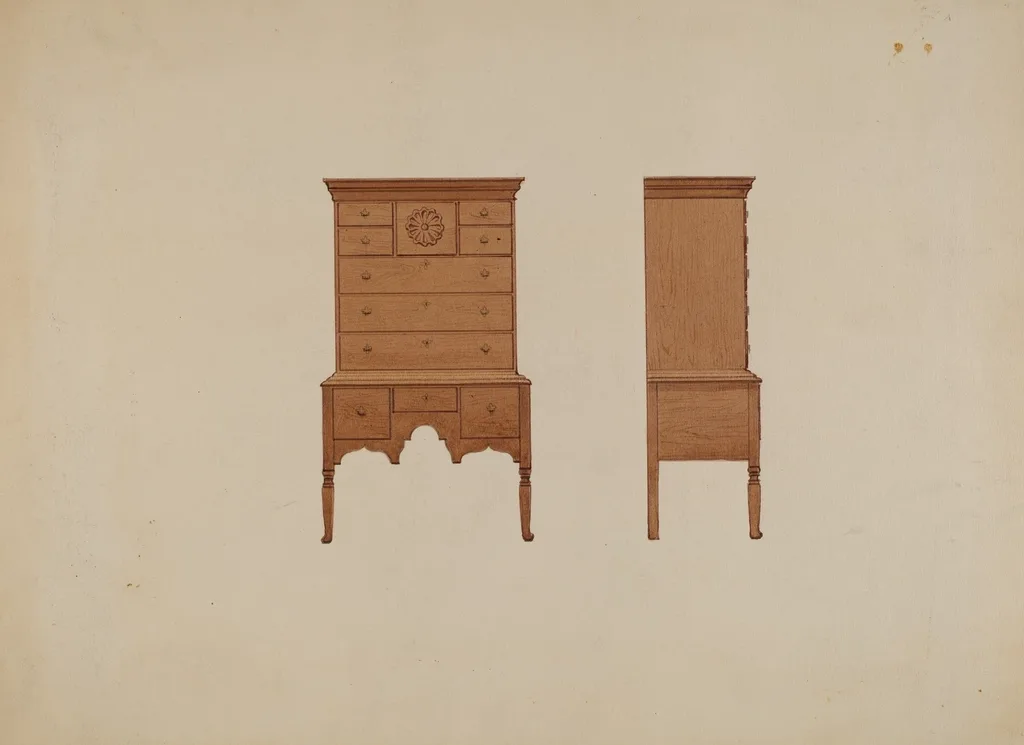
A highboy dresser is a tall, narrow dresser usually built as a drawer-only case, often in two stacked sections: a chest of drawers above a base. In antique furniture use, highboy is the classic term; tallboy is commonly used interchangeably in resale and search listings. The key rule is simple: true highboys are drawer-based, while door-front pieces are usually something else, even if sellers use the word loosely.
That antique-versus-modern caveat matters because the term has expanded in marketplace language. Museums and major reference sources describe the historical highboy as an American tall chest made in stacked parts, while modern listings often use “highboy” as a general SEO label for any tall dresser. So the photos, drawer layout, and door count should decide the category, not the title alone. Britannica and museum collections describe the form as a tall chest of drawers, and antique references typically place classic examples in the tall, narrow range rather than as broad cabinet pieces.
Marketplace usage vs. traditional furniture definitions
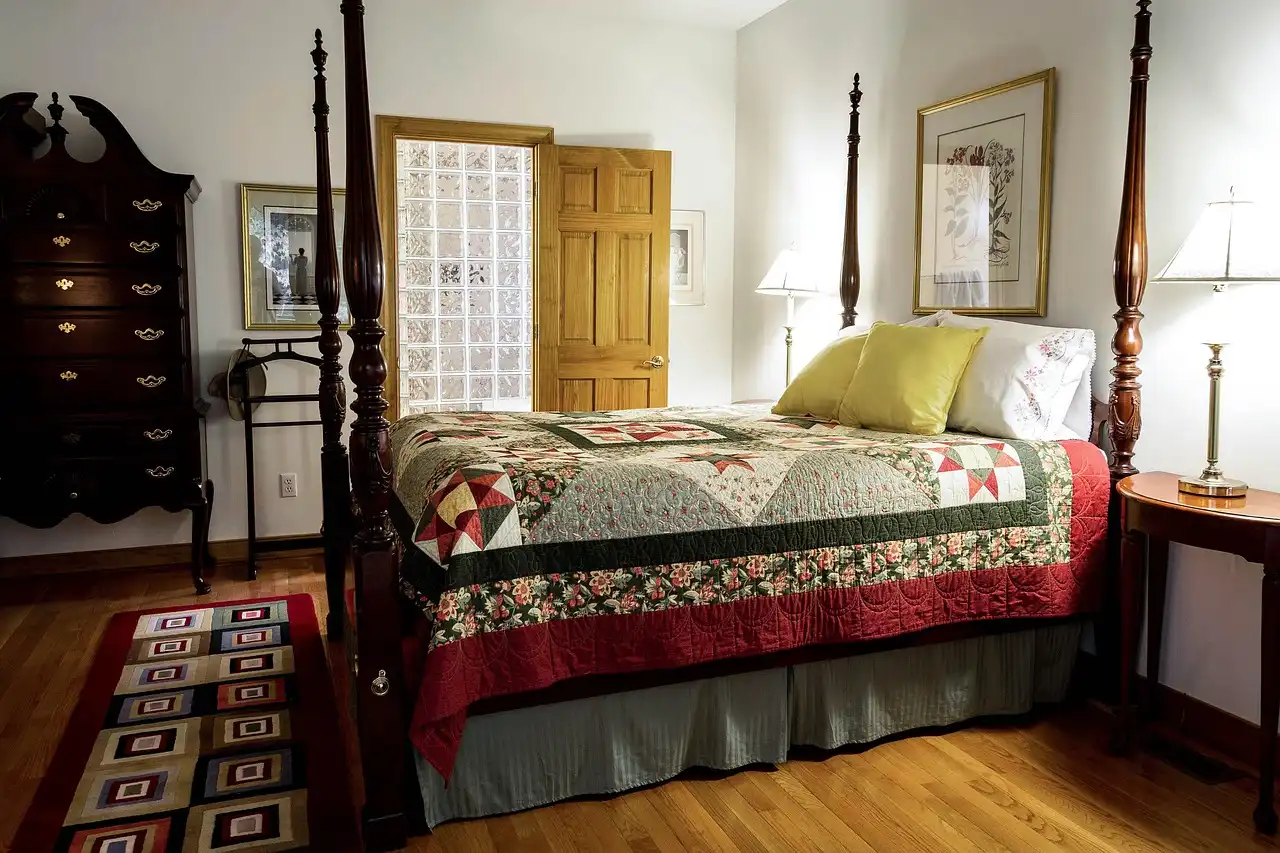
A highboy dresser is a tall storage case with stacked drawers and a vertical silhouette. In plain terms, it is a dresser built to use height instead of width, so it takes up less floor space than a standard low dresser while offering more drawer capacity than many compact chests. Historic highboys are usually described as a two-part chest of drawers, with the upper section mounted above a lower base.
The term is used loosely in resale, so you will see it applied to both vintage and modern pieces. Chairish lists 1,284 highboy dresser items, and Chairish includes highboys as tall casegoods in bedroom furniture categories. That tells you the market treats the term as a searchable style tag, not a single fixed factory spec. In other words, marketplace language is evidence of usage, not proof of furniture type.
Why the term varies by seller
Sellers often write highboy when they want to signal “tall dresser” rather than a strict furniture type. That can help, but it can also blur the line between a true drawer-based highboy, a broader chest of drawers, and door-front storage pieces like armoires. Reference sources and museum catalogs usually use the term more narrowly than resale sites do.
A common first-timer mistake is seeing “highboy” in a listing title and assuming the piece must have a classic two-part form. It may, or it may simply be a tall dresser with a similar profile. The photos and dimensions matter more than the label, especially when the listing language is optimized for search rather than classification.
How is a highboy different from a tallboy or chest of drawers?
Highboy and tallboy are often used interchangeably in search results and resale listings. Chest of drawers is broader. A chest of drawers can describe many drawer-only storage pieces, including a highboy, while tallboy usually points to the same tall, vertically stacked form that people mean when they search for a highboy dresser.
Where chest of drawers fits
Chest of drawers is the umbrella term. A highboy is generally grouped under that umbrella when the piece has stacked drawers and a tall footprint. A low dresser, a lingerie chest, and a gentleman’s chest can also sit in the larger chest-of-drawers family, but they are not the same thing. Antique furniture references commonly treat highboy as a specialized chest of drawers, not a separate category of cabinet.
If a listing says “high chest of drawers,” that is another clue the seller means a tall, drawer-based case. Chairish includes a “High Chest of Drawers” listing, which shows how flexible marketplace language can be. As with other listing terms, the phrase is useful evidence of how the market describes the piece, not a final authority on its construction.
What to look for in vintage listings
Vintage listings often use style labels before they use construction terms. A piece may be called “highboy,” “tallboy,” or “dresser” in the same description. Use the drawer count, door presence, and overall footprint to decide what it really is, especially when the seller also mentions an era such as early American, Art Deco, or campaign. Museum and dealer descriptions of historic highboys usually emphasize proportion and stacked construction, not just height.
Highboy dresser vs. armoire, lingerie chest, and gentleman’s chest
Doors versus drawers is the fastest way to sort these pieces. A highboy dresser is usually drawer-based. An armoire is door-based. A gentleman’s chest may combine drawers with hanging storage. A lingerie chest is usually slimmer and smaller in footprint than a standard highboy, even though both can read as tall, narrow storage. This is the most reliable first-pass distinction for shoppers and sellers.
Doors versus drawers
An armoire is the wrong match when the storage section is mostly behind doors. Chairish even includes a “Highboy Armoire” listing, which shows why the term can blur in commerce. If the front is dominated by doors and shelves, think armoire first, not highboy dresser. For identification, doors are the deciding construction cue because they change the entire storage function.
Narrow footprint versus broader case
A lingerie chest is designed to stay slim. It is often searched alongside tall dresser terms because both are vertical, but the footprint is usually narrower and the drawer layout lighter. A gentleman’s chest tends to be broader and more complex, with drawers plus a larger storage section that may include hanging space. A narrow, drawer-heavy case can still be a highboy; a broader mixed-use case usually is not.
Suppose a listing shows a 56.5-inch-tall piece with a single door on top and drawers below. That is more likely a gentleman’s chest or an armoire-style hybrid than a plain highboy dresser. The door changes the reading immediately. In antique and dealer language, a true highboy generally stays drawer-only in its visible front presentation.
Highboy dresser identification checklist
Use this checklist when a listing looks like a highboy but the label is unclear. The strongest indicators are stacked drawers, a narrow footprint, and no doors in the main front. One or two matching cues may not be enough; the goal is to confirm the form, not just the height.
- Check whether the storage is mostly drawers, not doors.
- Count the drawers and note whether they are stacked in two sections.
- Compare height to width. A highboy should read as tall and narrow, not squat.
- Read the listing title last. It can help, but it should not override the photos.
- Confirm the room fit before buying if the piece is for a nursery, closet, or apartment hallway.
Highboy dresser identification matrix
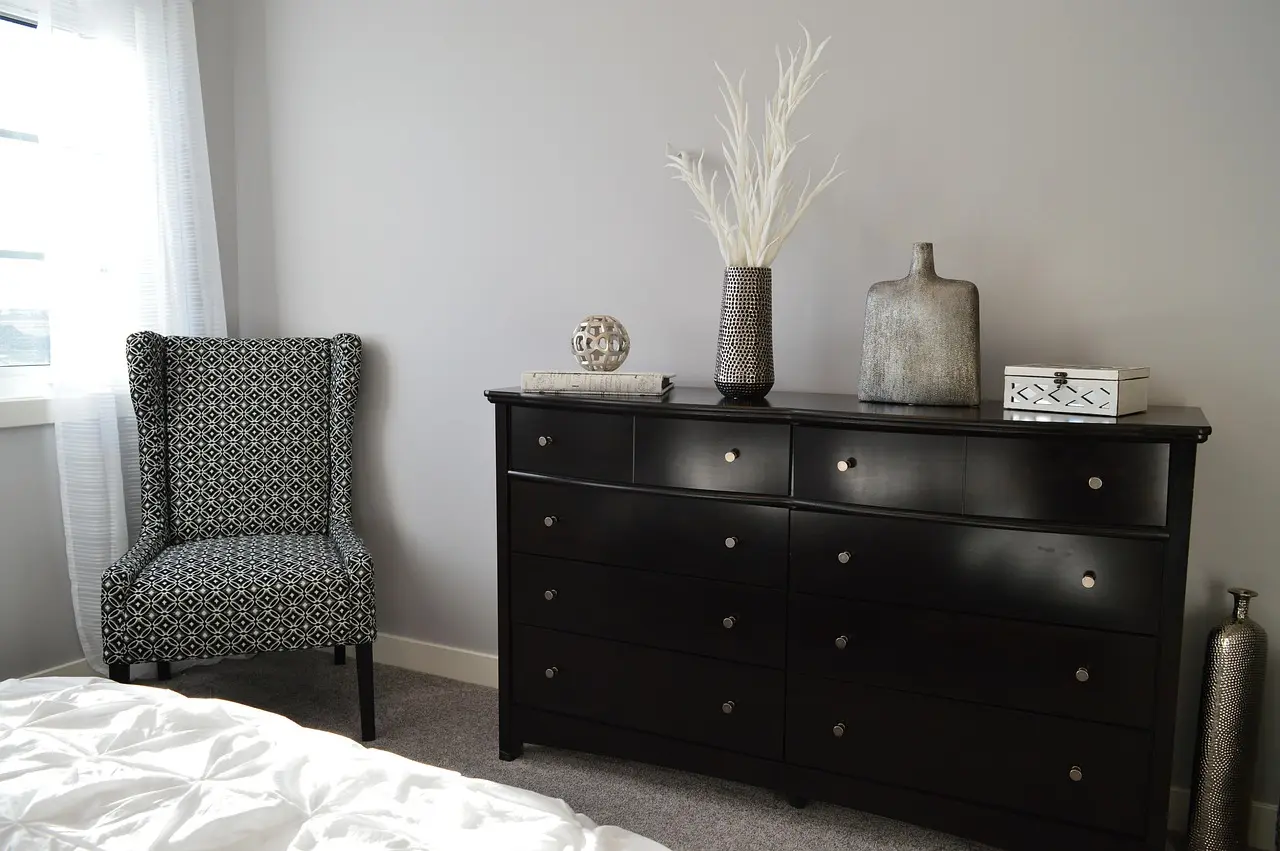
This matrix gives you a fast way to sort common tall storage pieces by shape, drawer layout, and listing language. Use it with the photos and measurements in a listing, not as a one-number rule. The added construction cue column makes the distinction clearer and more useful than height alone.
| Furniture type | Typical height range | Drawer count | Door presence | Common aliases | Defining construction cue | Best-use room |
|---|---|---|---|---|---|---|
| Highboy dresser | About 54 to 56 inches in many listings; historical examples can be taller, including 71 inches | Often 6 or more | No doors in the classic form | Highboy, tallboy, tall dresser | Stacked drawer sections in a tall, narrow case | Bedroom, nursery, small apartment |
| Tallboy dresser | About 54 to 56 inches is common in resale listings | Usually stacked drawers | Usually no | Tallboy, highboy, tall dresser | Vertical drawer stack with little or no cabinet space | Bedroom, closet overflow |
| Chest of drawers | Varies widely | Usually 4 or more | Usually no | Drawer chest, chest, dresser | Drawer-only storage without a fixed highboy proportion | Bedroom, hallway, guest room |
| Gentleman’s chest | Often tall and broad | Mixed drawers and storage sections | Sometimes yes | Gentleman’s chest, wardrobe chest | Broad body with mixed storage zones, sometimes including hanging space | Bedroom, dressing area |
| Lingerie chest | Usually shorter and slimmer than a standard highboy | Often 5 to 7 small drawers | No | Semantics vary; sometimes tall skinny dresser | Very narrow case with smaller drawers and lighter scale | Bedroom, tight corner, closet |
| Armoire | Often tall, with larger cabinet proportions | May have drawers at the base | Yes | Wardrobe, cabinet, highboy armoire | Door-front cabinet with interior shelving or hanging space | Bedroom, entry, media storage |
Red-flag listing terms can save time. They do not prove a piece is not a highboy, but they should make you check the photos and dimensions before you buy.
| Red-flag listing term | What it may mean | What to verify |
|---|---|---|
| Armoire | Door-based storage, not a drawer-only highboy | Door count and interior shelves |
| Wardrobe | Closet-style cabinet with hanging space | Whether the piece has shelves or a hanging rod |
| Chest of drawers | Broader category, not a precise highboy label | Drawer stack, height, and footprint |
| Highboy armoire | Hybrid language; may lean cabinet-like | Whether doors dominate the front |
| Tall dresser | Generic vertical dresser wording | Drawer count and whether the piece is narrow |
What dimensions and proportions matter most?
Height matters, but it is not the only cue. A highboy dresser usually reads as tall, narrow, and vertically stacked. A common listing height sits around 54 to 56 inches, yet there are shorter and much taller examples. Width, depth, and drawer arrangement matter just as much as the total height. Antique references and retail/editorial descriptions typically emphasize proportion over a single measurement.
Height, width, and depth cues
Look for a relatively narrow width compared with height. A piece that is 54.5 inches high or 56.5 inches high can fit the common highboy scale, but that does not make it a highboy by itself. A wide, low chest with the same height would not read the same way. Historical highboys can also be taller than most resale listings, so proportion is the better guide.
Depth also helps. Highboys are often practical in bedrooms because they use vertical space, but they should still leave room for drawer pull-out and walkways. In narrow rooms, a slim profile can matter more than a few extra inches of height. For antique pieces, museum and dealer notes often describe the form as tall and relatively narrow, with stacked drawers making up the main body.
Why drawer stack layout matters more than a single measurement
- Check whether the storage is mostly drawers, not doors.
- Count the drawers and note whether they are stacked in two sections.
- Compare height to width. A highboy should read as tall and narrow, not squat.
- Read the listing title last. It can help, but it should not override the photos.
- Confirm the room fit before buying if the piece is for a nursery, closet, or apartment hallway.
Picture a 30-inch-wide dresser that stands 55 inches high in a nursery. If it has six drawers, no doors, and a slim case, that is a plausible highboy-style piece. Now picture a 42-inch-wide cabinet at the same height with two doors and two small drawers below. That is a different storage type, even if the title says highboy.
What styles and materials are common on highboys?
Highboys appear in many eras. Buyers often search Mid-Century Modern, early American, campaign, Danish, and Art Deco examples. Materials and finishes vary too: walnut, teak, mahogany, burl wood, solid wood, and refinished surfaces all show up in listings. The style changes, but the vertical storage form stays the clue. Antique and established furniture references note that the form has long adapted to different decorative periods.
Style eras buyers search
Mid-Century Modern highboys tend to have cleaner lines and tapered legs. Danish examples often lean simple and functional. Early American pieces can feel heavier and more traditional. Campaign versions may have hardware and case details that read more travel-ready or utilitarian. Art Deco highboys may use stronger geometry and decorative veneer work. The style vocabulary changes, but the stacked vertical case remains the giveaway.
Common woods and finishes
Walnut and teak are common in mid-century and Danish pieces. Mahogany appears often in traditional and antique forms. Burl wood can signal a decorative veneer treatment. “Solid wood” is a common listing phrase, but it does not automatically tell you the age, style, or construction quality. “Refinished” means the surface has been restored or altered, which can change color and sheen without changing the form.
Chairish labels a piece as a “Highboy Dresser” by Drexel Heritage, and another listing uses “Tallboy Refurbished.” Those examples show how modern and restored pieces often sit beside older forms in the same search results. Marketplace examples are useful for seeing language patterns, but they are not the same as historical definition.
Frequently asked questions
What is a highboy dresser?
A highboy dresser is a tall storage piece with stacked drawers and a narrow vertical profile. In resale listings, the term often overlaps with tallboy and tall dresser. It usually points to a drawer-based bedroom storage piece rather than a cabinet with doors. In historical furniture use, it refers to a tall chest of drawers, often in two sections.
What is a tall dresser called?
A tall dresser may be called a highboy, tallboy, or simply a tall dresser in listings. The broader furniture category is a chest of drawers. To identify the right term, check whether the piece is mostly drawers, whether doors are present, and how narrow the case is. The label alone is not enough to separate a true highboy from a generic tall dresser.
What is a tall dresser with doors called?
A tall dresser with doors is more likely an armoire, wardrobe, or gentleman’s chest than a true highboy. Doors change the furniture type. If the front is mostly cabinet doors with shelves or hanging space, the piece should not be treated as a drawer-only highboy. That rule matters more than any seller keyword.
What is a highboy furniture?
In furniture listings, highboy usually means a tall casegood with drawers and a vertical silhouette. It is a shape-and-function label, not a strict antique-only term. Sellers may use it for vintage, modern, refinished, or styled pieces that fit the tall vertical dresser profile. The historical definition is narrower than the marketplace use.
What is a tall skinny dresser called?
A tall skinny dresser may be called a highboy, tallboy, or lingerie chest, depending on drawer count and footprint. If it is especially narrow with smaller drawers, lingerie chest may be the better fit. If it has stacked full-size drawers, highboy is more likely. Proportion and drawer layout matter more than the nickname.
What is a highboy table
“Highboy table” is not the standard label for a dresser-style storage piece. In furniture shopping, the word highboy usually refers to a tall dresser or chest of drawers, not a table. If a listing uses both terms, check carefully to see whether it is a mislabeled storage case. A genuine highboy should still read as a tall chest, not a tabletop piece.
Products related to this article
Sponsored / affiliate links. As an Amazon Associate I earn from qualifying purchases. I may earn additional commission from eligible campaigns.