How to Fix a Hemnes Dresser Drawer That Won’t Close
Start by removing the drawer and checking likely causes in order: obstruction, misalignment, then hardware failure. If the drawer still binds with nothing inside, the slide or drawer box is usually the problem. Leaving it alone can scar the runners, chip the drawer front, and make the repair harder later. This guide shows how to diagnose a Hemnes drawer that stops short, sits crooked, or rubs, then fix it with the right adjustment or part replacement.
Obstruction


Clear anything inside the drawer first, then inspect the drawer box and slide path. Hemnes drawer removal and runner style can vary by production run, so confirm the stop, tab, or release style against the assembly manual for your exact version before forcing the drawer out. IKEA assembly instructions and parts diagrams show the runner layout and drawer stops; common repair guides also note that debris and shifted contents are the fastest causes of a no-close complaint.
- Empty the drawer and look for items that rise above the back edge or corners.
- Use a flashlight to check the drawer recess and the cabinet opening for debris or obstructions.
- Confirm the release style on both sides by comparing it with the assembly manual for your exact Hemnes version.
- Remove any blockage, refit the drawer, and test closure gently.
Parts and tools
- Screwdriver for removing mounting screws and slide hardware
- Flashlight for inspecting the recess, runners, and hidden obstructions
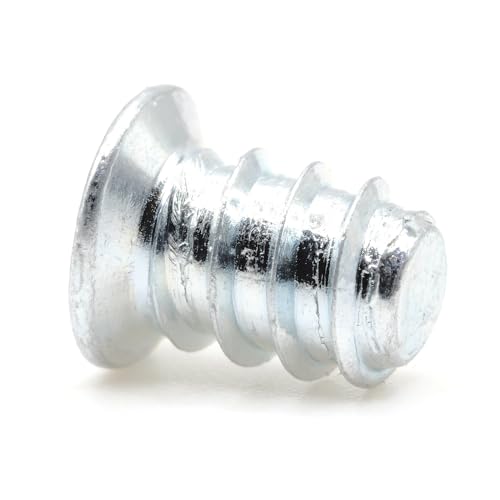
- Replacement screws if any mounting holes are stripped
- Replacement slide set if a slide is kinked, warped, or bent beyond reuse
- Optional wood glue or fasteners if a drawer bottom or joint has loosened
Hemnes drawer close-failure decision table
| Symptom | What you’ll see | What to test next | When replacement is better than repair |
|---|---|---|---|
| Drawer stops because of an obstruction | Items or debris protrude above the back edge or corner | Clear the path, then test with the drawer empty | If the cabinet side or runner is gouged, replace damaged hardware |
| Drawer bottom sags or drags | The panel bows downward, rubs the runner, or drops at the front | Check the grooves and fasteners that hold the bottom in place | If the panel is cracked, split, or warped, replacement is safer |
| Drawer sticks on one side | One front corner moves before the other, or one side rubs first | Compare both slides and runners for bends, twist, or racking | If a slide is kinked or the runner is bent, replace the part |
| Front sits crooked or loose | The reveal is uneven, or the front shifts when pulled | Check the corner joints and front fasteners | If the front panel holes are stripped or the joint will not hold square, replacement is better |
| Drawer will not close flush after reassembly | The drawer hits before fully seating, even after reinstalling | Verify the slide position against the pre-drilled holes | If repeated adjustment does not restore the original track position, replace the damaged slide |
| Drawer closes partway, then binds | It moves freely at first, then catches in the same spot | Check for bent slide members, a racked box, or a damaged runner | If the binding point is fixed and visible damage is present, replacement is usually faster |
How do you remove the Hemnes drawer safely?
Release the drawer stops or tabs on both sides, then pull the drawer free so you can inspect the box, front, and slide hardware. IKEA’s assembly sheets show that the release method can differ by production run, so match the tab movement to your manual before you pull hard. This is the cleanest way to see whether the problem is inside the drawer, at the runner, or in the cabinet opening.
- Open the drawer fully until the stops are exposed.
- Find the tab stops on either side of the drawer.
- Press or lift the tabs as the drawer design allows, then pull the drawer straight out.
- Set the drawer on a flat surface and inspect the back, bottom, and front joints.
- Use a flashlight to check the recess and the slide path inside the dresser opening.
If the drawer closes halfway and then catches with nothing inside, it may point to a bent runner, an out-of-position slide, or a box that is out of square. That usually points away from contents and toward a bent runner, a slide mounted out of position, or a drawer box that is out of square. Repair sources that cover drawer diagnostics note that repeated binding in the same spot is a strong clue that the hardware path is no longer straight.
Drawer box out of square
Fix the drawer itself if the problem is a loose joint, a racked box, or a front panel that has shifted. A drawer that is out of square will usually reveal uneven gaps, corners that do not meet cleanly, or one side that leads the other during closure. If the frame is still square and the hardware is sound, tightening and realigning can be enough.
- Check the corners of the drawer box for gaps.
- Tighten loose fasteners so the box pulls back into square.
- Inspect the front panel and reattach it if it has shifted.
- Check the bottom panel for sagging, separation, or loose grooves.
- Use replacement fasteners or adhesive only if the joint still holds square.
When a repair is enough
If the drawer box is square, the front is secure, and the slide path is straight, tightening usually solves the problem. If the drawer bottom is loose but intact, resecuring it can restore support. If the panel has warped badly or split at the edges, replacement is often the faster and safer call.
Slide/runner damage
Check the slides and runners if the drawer sticks on one side, drops as it comes out, or binds after you reinstall it. Hemnes drawer slides need to be straight and undamaged, and they must line up with the pre-drilled holes shown in the assembly manual and parts layout. A kinked, warped, or twisted slide usually needs replacement rather than force.
- Remove the drawer and look along each slide for bends, kinks, or twist.
- Check the runners inside the cabinet for wear, debris, or a bent edge.
- Remove the slide with a screwdriver if it sits crooked or has damaged mounting points.
- Reinstall the slide in the pre-drilled holes, then tighten the screws evenly.
- Slide the drawer in slowly and stop if one side rubs before full closure.
Picture a drawer that closes on the left but drags on the right. That usually means the right slide, runner, or side of the drawer box is out of line. Fixing only the loose side often brings the drawer back to an even reveal. Repair guidance for bent slides and racked boxes also recommends checking the entire path, not just the visibly loose part, because one damaged point can pull the whole drawer out of line.
Bottom panel failure
A loose bottom panel can make the drawer sag, rub the runner, or drop when pulled out. That failure often starts as a soft corner or a panel that no longer sits flat in its groove. Tightening or refastening works only if the panel still fits the frame cleanly and the grooves have not split open.
- Lift the drawer and check whether the bottom panel flexes more than the frame.
- Inspect the grooves and fasteners that hold the bottom in place.
- Secure any loose fasteners, then let the drawer sit flat while the repair sets.
- Replace the bottom panel if it has cracked, bowed, or pulled free from the groove.
- Retest the drawer with normal load before refilling it fully.
If that did not work
If the drawer still drops or drags after the bottom is secured, inspect the slides again. A weak bottom can mimic a slide problem, but a damaged runner can create the same symptom. Fix the structural issue first, then confirm the hardware is still straight and seated correctly.
Common mistakes
The most common error is to tighten random screws without checking what is actually binding. Another is forcing the drawer closed, which can bend a good slide or chip the front. Reinstalling hardware off the original hole pattern can also shift the drawer just enough to keep it from closing flush.
- Skipping the flashlight inspection of the recess
- Ignoring objects sticking up from the back of the drawer box
- Using the wrong mounting holes during reinstallation
- Leaving a swollen or damaged bottom panel in place
- Replacing slides before checking whether the drawer box is square
Final flush-close test
The drawer should generally close flush without extra pressure. The reveal should look even from side to side, and the drawer should move smoothly under normal load with no rub, drop, or catch. If it only closes when empty, the issue is still there and the drawer needs another pass through the checklist.
- Load the drawer normally.
- Close it slowly and check that both sides travel evenly.
- Look for an equal reveal at the front.
- Open and close it several times to confirm smooth travel.
Frequently asked questions
How do I fix a dresser drawer that won’t close?
Start with the drawer empty, then inspect the back edge, sides, and runners for anything blocking travel. If the drawer still will not close, remove it with the side tabs, check the slides with a flashlight, and reinstall them in the pre-drilled holes if they are loose or out of line.
How do I repair a broken dresser drawer?
Repair the drawer by fixing the part that has failed: loose corners, a damaged bottom, or a shifted front. If the frame is still square and the slide hardware is straight, tightening and reattaching can work. If the box is split or badly racked, replacement is usually the better choice.
How do I fix a dresser drawer bottom that is loose or failing?
Support the drawer on a flat surface, inspect the grooves and fasteners, and secure any loosened points before the panel drops farther. If the bottom has cracked, bowed, or pulled free from the frame, replace it rather than trying to force the drawer back into service.
Why does my drawer drop when I pull it out?
A drawer that drops on pullout often has a loose bottom panel, a weak runner, or a slide that no longer supports the side evenly. Check the hardware first, then the bottom panel. If one side drops more than the other, the slide or runner on that side is the likely problem.
How do I fix a dresser drawer that sticks on one side?
Check the side that sticks for a bent slide, a warped runner, or a drawer box that is no longer square. Remove the drawer, inspect both tracks with a flashlight, and reinstall the hardware in the same hole pattern. If the slide is kinked or warped, replace it.
How do I tell if the drawer slides are bent or warped?
Look down the length of the slide and compare both sides for twist, kinked edges, or a section that no longer sits straight. A slide that binds in the same spot after reinstallation is usually damaged. If it will not lie flat or align with the pre-drilled holes, replace it.
Sources
- IKEA Hemnes assembly instructions and parts diagrams for drawer removal, stop/tab release style, and runner layout
- Repair guidance on diagnosing bent drawer slides, racked drawer boxes, and sagging bottoms from reputable home-repair sources
- Manufacturer or parts documentation for the specific Hemnes production run being serviced
Products related to this article
Sponsored / affiliate links. As an Amazon Associate I earn from qualifying purchases. I may earn additional commission from eligible campaigns.