How Much Does a Small Dresser Cost?
A small dresser usually costs about $100 to $350 before delivery and assembly, with value options often around $150 to $250. The best value sweet spot is usually an all-in budget of about $250 to $500, where you start to get meaningfully better drawer construction, sturdier hardware, and more dependable finishes without crossing into custom-furniture pricing. Leaving out extras can miss the real total by roughly 20 to 50 percent once shipping, assembly, and solid-wood upgrades are added. This guide breaks down compact dresser price bands, what changes the total, and when a full-size dresser is the better buy.
What counts as a small dresser?


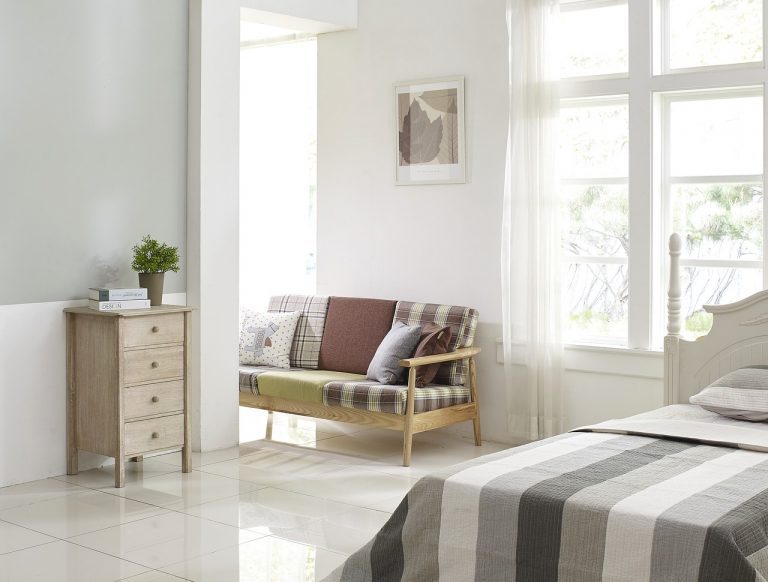
A small dresser usually means a compact 3-drawer or 4-drawer unit made for tight bedrooms, guest rooms, or entry storage. Retail listings for compact dressers commonly cluster in those drawer counts, with 2-drawer pieces sometimes sold as low dressers or nightstand-style storage rather than full dressers. Packed for transport, many small dressers land around 34 × 20 × 32 inches, though the exact footprint changes with design, drawer depth, and whether the piece ships assembled or flat-packed.
Small dressers differ from full-size dressers because they use fewer drawers, less material, and less hardware. That usually keeps the price lower, but it also limits storage, so the buyer pays for compactness rather than capacity.
Typical drawer count and footprint
Three drawers and four drawers are the most common small-dresser formats in retailer listings, while 2-drawer pieces are more often positioned as compact storage or bedside furniture. That drawer count is the clearest first filter for shoppers comparing size, storage, and price.
Ready-made models are the most common. Flat-packed versions usually lower the sticker price, while custom-built small dressers cost more because labor, joinery, and finish work are built into the order.
Ready-made, flat-packed, and custom-built options
Ready-made dressers cost more to ship but less to assemble. Flat-packed pieces often cut freight costs, then add labor at home. Custom-built units sit at the top of the range because the maker controls dimensions, wood choice, joinery, and finish.
Small dresser price matrix
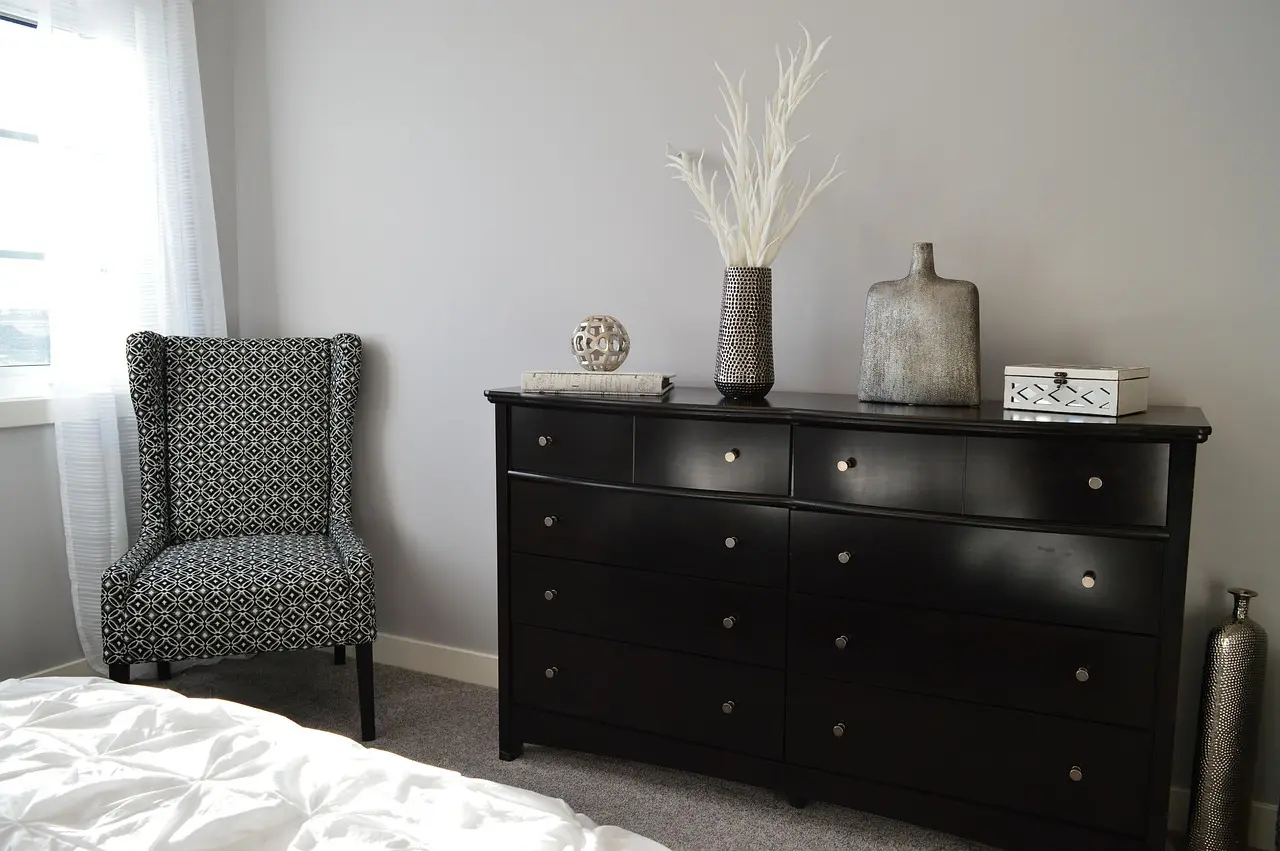
This matrix separates compact dressers from larger bedroom storage pieces. It shows how drawer count changes the all-in total, not just the tag price, so you can compare a true small dresser against a low-priced full-size model more clearly.
| Tier | Drawer count | Product price | Delivery | Assembly | All-in total |
|---|---|---|---|---|---|
| Budget | 2 drawers | $49.89 to $199 | $40 to $90 | $34 to $68 | $123.89 to $357 |
| Budget | 3 drawers | $79 to $249 | $40 to $90 | $34 to $68 | $153 to $407 |
| Budget | 4 drawers | $120 to $299 | $50 to $100 | $34 to $68 | $204 to $467 |
| Mid-range | 2 drawers | $200 to $350 | $50 to $100 | $34 to $68 | $284 to $518 |
| Mid-range | 3 drawers | $250 to $500 | $50 to $110 | $34 to $68 | $334 to $678 |
| Mid-range | 4 drawers | $350 to $800 | $60 to $120 | $34 to $68 | $444 to $988 |
| Premium | 2 drawers | $900 to $1,400 | $80 to $150 | $34 to $68 | $1,014 to $1,618 |
| Premium | 3 drawers | $1,200 to $1,800 | $90 to $180 | $34 to $68 | $1,324 to $2,048 |
| Premium | 4 drawers | $1,500 to $2,000+ | $100 to $200 | $34 to $68 | $1,634 to $2,268+ |
Example retailer snapshots make the bands easier to trust. Budget compact dressers at mass retailers commonly appear in the 2- to 4-drawer range below $250, while mid-range models at better-known furniture retailers and marketplaces often land in the mid-hundreds. Premium examples from solid-wood and design-focused makers routinely move into four figures once the piece is built for higher-end materials, joinery, and finish quality.
The table shows the ceiling clearly. A compact dresser can look affordable at the sticker level and still cross $400 once delivery and assembly are added. Premium small dressers move into custom-furniture territory fast.
Benchmark compact dresser examples by tier
Below is a practical benchmark view of what shoppers usually see in the market, including the kind of product snapshot that tends to land in each tier. Retailer listings and product pages commonly show the same pattern: lower prices for flat-packed engineered wood, higher prices for better finishes, stronger joinery, and heavier assembled pieces. Shipping weight and assembled dimensions are especially important because they affect freight cost and room fit.
| Tier | Example SKU / retailer snapshot | Drawer count | Typical product price | Shipping weight | Assembled dimensions |
|---|---|---|---|---|---|
| Budget | Flat-packed 2- to 3-drawer compact dresser from a mass retailer | 2-3 | $49.89 to $199 | 50 to 80 lb | About 24-36 in W x 16-20 in D x 28-34 in H |
| Mid-range | 3- to 4-drawer dresser from a mainstream furniture retailer or marketplace seller | 3-4 | $200 to $500 | 70 to 110 lb | About 28-40 in W x 18-22 in D x 30-36 in H |
| Premium | Solid-wood or design-forward compact dresser from a premium furniture brand | 2-4 | $900 to $2,000+ | 90 to 150+ lb | About 30-44 in W x 18-24 in D x 30-40 in H |
What drives the price up?
Material is the biggest driver, but it is not the only one. Solid wood costs more than MDF or laminate, and the bill rises again when the drawer count grows, the hardware gets better, or the joinery becomes more durable. Furniture marketplaces and assembly services also show that labor and delivery can add a meaningful amount to the base price, especially on heavier pieces.
Solid wood versus MDF and laminate
Basic MDF and laminate dressers are commonly listed at $150 to $450. Solid wood veneer dressers are listed at $350 to $1,200. Premium hardwood custom dressers can reach $2,000+.
Wood species also matter. Pine and poplar usually sit lower on the price ladder than maple, cherry, white oak, or walnut. The harder and denser the wood, the more the maker pays in material, machining, and finishing time.
How species and finish affect cost
Finish quality changes the total because it affects sanding, sealing, color consistency, and durability. A painted MDF dresser with basic hardware will usually cost less than a walnut piece with dovetailed drawers and smoother slide hardware.
Compare two 3-drawer units with the same size. The pine-and-laminate version may look cheap at checkout, but the solid-wood version often feels steadier, holds hardware better, and keeps its shape longer.
Why drawer count and hardware add labor
More drawers mean more cut parts, more runners, more pulls, and more assembly steps. That adds labor whether the dresser ships flat-packed or arrives fully built. In the compact category, the jump from 2 drawers to 4 drawers can be more visible than shoppers expect.
How much should a dresser cost?
A fair price for a small dresser depends on construction, not just size. For budget shoppers, $150 to $250 is a reasonable target if the piece uses wood or wood-composite materials and feels stable enough for daily use. That is also the range where the buyer starts seeing better hardware and fewer weak points without paying premium markup.
The common market sits wider than that. Most U.S. dresser purchases fall between $300 and $1,000, while mid-range dressers are priced at $200 to $800. That means a small dresser can be a smart buy below the market average if the build holds up.
Fair price markers for budget buyers
Budget dressers can start at $49.89 and top out near $199. That range can work for a dorm room, a spare room, or temporary storage, but the lowest prices often trade away drawer glide quality, drawer box strength, and finish consistency.
A $200 dresser can be a solid purchase if it has wood or wood-composite construction. At that price, buyers should expect better hardware and less wobble than the cheapest flat-pack options.
When mid-range is the better value
Mid-range dressers are priced at $200 to $800. That is often the value ceiling for a small dresser because you can usually get sturdier drawers, better finish work, and better fasteners without moving into custom pricing.
If the dresser will hold heavier clothing, linens, or daily-use items, mid-range is often the safer stop. The extra cost can buy smoother use and less chance of early sagging.
Signs a premium price is justified
Premium pricing makes sense when the dresser uses hardwood, custom sizing, upgraded joinery, or a finish that needs more labor. It can also make sense if the piece has to match a built-in room plan or a higher-end bedroom set.
At that point, the buyer is paying for material, fit, and finish work, not just storage.
What should you budget for delivery and assembly?
Assembly and delivery can add a meaningful amount to a small dresser purchase. Furniture assembly marketplaces commonly quote labor in the $34 to $68 range for a dresser-sized job, with the final total depending on complexity, location, and whether the piece arrives flat-packed or preassembled. Delivery pricing can vary even more because freight policies and service levels differ by retailer.
Typical assembly labor costs
A simple two-drawer unit may take about one hour. A 3-drawer or 4-drawer dresser can take longer, especially if the hardware is packed in many small bags or the instructions are weak. At $34 per hour, the labor bill can move quickly.
Many furniture assembly marketplaces and service listings place dresser assembly in a range that is consistent with that labor estimate, especially for medium-sized pieces with multiple drawers. That is why shoppers should treat assembly as part of the purchase price, not a separate afterthought.
Packed weight and shipping fees
Packed weight can run 50 to 110 lb, and oversized dimensions can trigger dimensional-weight billing. That is why a small dresser can still ship like a heavier item than the size suggests, especially on long routes or faster delivery speeds.
Delivery costs vary sharply by route and speed. Retail freight policies often charge more for threshold delivery, room-of-choice service, or longer-distance shipping, while local store drop-off can be much cheaper. A compact dresser may be light enough to seem simple, but freight billing often reflects box size and handling, not just the item’s footprint.
Removal and haul-away charges
Single-piece furniture removal can run $85 to $135 for a dresser or wardrobe. Junk-removal pricing pages often show that haul-away charges rise with item count, labor, and access difficulty, so a dresser picked up with other furniture may cost more or less than a standalone removal estimate depending on the provider.
A common first-timer mistake is budgeting only for the dresser itself, then discovering that delivery and old-piece removal add enough cost to change the whole purchase decision.
Small dresser vs wardrobe vs fitted wardrobe
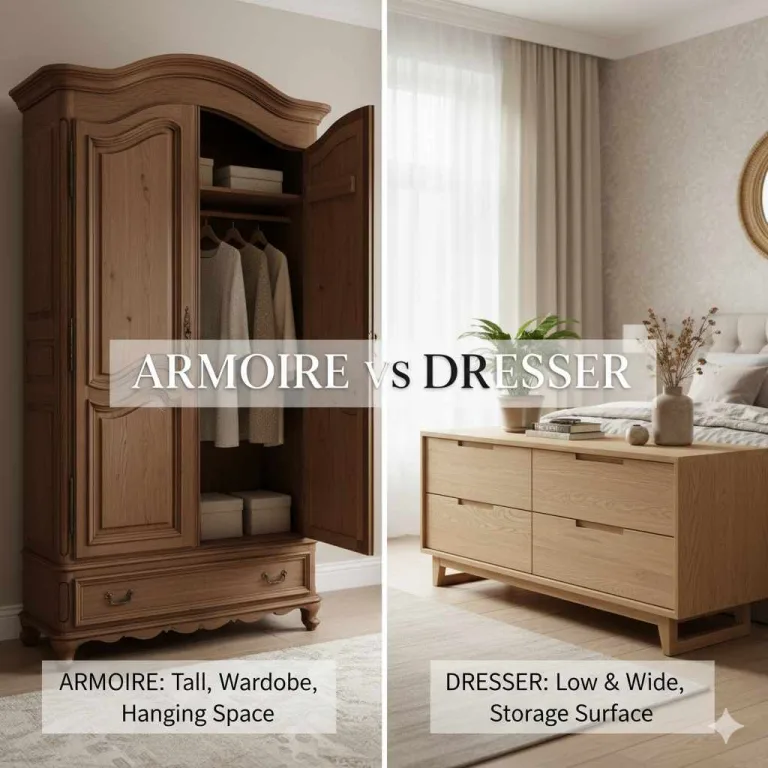
A small dresser is usually the cheapest choice when you need short, wide storage and only a few drawers. A small wardrobe costs more because it adds hanging space, taller panels, and often more internal hardware. A small fitted wardrobe costs the most because installation, room-specific sizing, and carpentry drive both material and labor costs. For most buyers, the dresser is the best value unless hanging storage is essential.
When a small dresser is the cheaper choice
Choose a small dresser if you mainly need folded-clothing storage and you want the lower-cost option that still works beside a bed or under a window. It is often easier to move, easier to replace, and less expensive to deliver than a wardrobe.
In all-in terms, a small dresser is commonly the best value when the budget is under about $500 and the room does not need a dedicated hanging section.
When a wardrobe costs more but stores more
Pick a wardrobe when hanging space matters more than drawer space. It costs more, but the taller cabinet can replace multiple storage pieces in one room. A small wardrobe typically costs more than a compact dresser because the shell is larger, the internal fittings are more complex, and delivery can be pricier.
For a buyer who needs both drawers and hanging storage, the wardrobe can still be the better all-in value if it replaces a separate dresser and clothes rack.
When a fitted wardrobe is worth the premium
Choose a fitted wardrobe when the room has awkward dimensions, sloped ceilings, or built-in storage goals that off-the-shelf furniture cannot solve cleanly. It costs the most upfront, but it can make sense when you need a permanent, space-maximizing solution rather than portable furniture.
For most homes, though, the fitted option only becomes the better value when the room design really demands a custom solution.
Realistic price ranges and all-in cost comparison
As a rough budget guide, a small dresser often lands around $150 to $500 all-in, a small wardrobe commonly lands around $300 to $900 all-in, and a small fitted wardrobe can easily start around $1,500 and rise well beyond that once design, labor, and installation are included. That makes the dresser the cheapest path to contained storage, the wardrobe the middle ground, and the fitted wardrobe the premium solution.
If you are comparing value rather than style, the key question is whether hanging storage or room-specific cabinetry justifies the jump in delivery and installation.
When is a cheap dresser not worth it?
A cheap dresser is not worth it when the build looks light enough to wobble, rack, or sag under normal use. Very low prices can be fine for temporary storage, but the savings disappear if drawers stick, the back panel flexes, or the frame fails early.
Flimsy build signs to watch
Watch for thin drawer bottoms, loose back panels, exposed particleboard edges, and hardware that feels soft or undersized. Those are the parts most likely to fail first.
Low-cost features that often fail first
Cheap slides, weak cam locks, and light-duty drawer runners often create the first problems. The dresser may still look fine on day one, but repeated opening and closing exposes weak parts fast.
A simple buy-or-pass rule
- Buy if the dresser uses wood or wood-composite construction, has stable drawers, and fits your room without forcing a compromise on size.
- Pass if the price is low but the frame flexes, the drawer bottoms feel thin, or the assembly hardware looks undersized for the load.
- Move up a tier if delivery and assembly push the total close to a sturdier model that already includes better materials.
Frequently asked questions
How much does a small dresser cost?
A small dresser usually costs $100 to $350 before delivery and assembly. Budget models can start near $49.89, while mid-range and premium compact units cost more as material, finish, and drawer count rise. The all-in total often moves higher once freight and setup are added.
How much does a good dresser cost?
A good dresser often lands around $200 to $800, with the sweet spot for many small dressers sitting near the lower half of that range. A $200 dresser can still be a solid buy if it uses wood or wood-composite construction and has stable hardware.
What is a fair price for a small dresser?
A fair price for a small dresser is usually $150 to $250 for a budget-conscious buyer who wants decent materials and basic reliability. If delivery and assembly are included, a fair all-in total may be closer to the mid-$200s or above, depending on distance and setup time.
How much does a small dresser cost new versus custom-made?
New compact dressers often sit in the $100 to $800 range depending on materials and drawer count. Custom-made small dressers start much higher because they include design time, hand labor, and better joinery, and premium hardwood custom dressers can reach $2,000+.
Which materials make a small dresser more expensive?
Solid wood makes a small dresser more expensive than MDF or laminate. Among woods, species such as maple, cherry, white oak, and walnut usually cost more than pine or poplar. Better finish work and stronger joinery also raise the price.
How much should I budget for dresser assembly or delivery?
Budget for assembly at about $34 per hour, then add delivery based on route length, speed, and whether the dresser ships as a large boxed item. If you also need haul-away, single-piece removal can run $85 to $135 for a dresser or wardrobe.
What hidden costs affect the total price of a small dresser?
Freight surcharges, dimensional-weight billing, assembly labor, haul-away, and faster shipping can all raise the total. A compact dresser may look inexpensive online, then jump once the retailer adds delivery and setup. That is why the all-in total matters more than the sticker price.
Products related to this article
Sponsored / affiliate links. As an Amazon Associate I earn from qualifying purchases. I may earn additional commission from eligible campaigns.