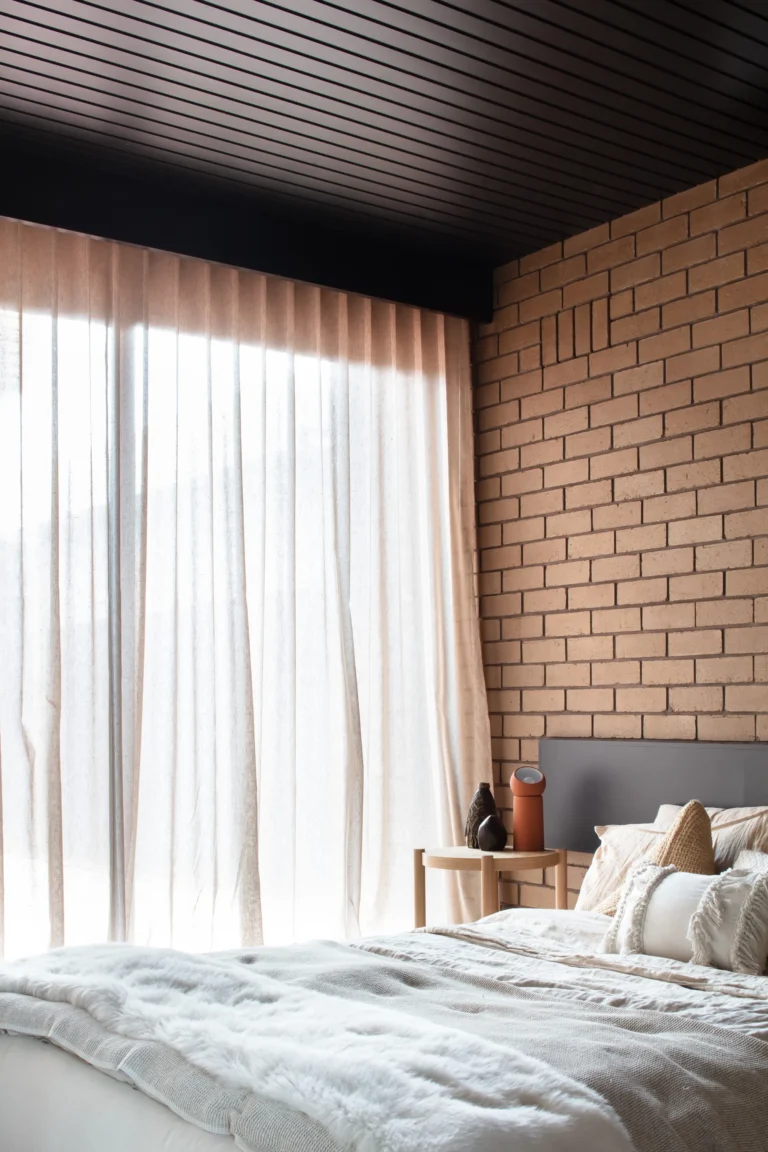
How to Stop Drafts Under a Bedroom Door
Stop drafts under a bedroom door by measuring the gap first: a door sweep is commonly used for gaps under about 1/4 inch, a threshold or adjustable sweep is often used for gaps around 1/4 to 3/8 inch, and a door seal or weatherstripping fix is often used for larger leaks. Left open, that gap sends heated air out, pulls in noise and dust, and makes the room harder to keep comfortable. This guide shows how to find the leak location and choose the right fix by gap size, permanence, and whether you rent.
Why your bedroom door still drafts


The bottom edge is usually the main leak point, but side and top gaps can leak too. Exterior bedroom doors take more wind pressure than interior doors, so they often need both bottom sealing and perimeter sealing. If a new strip did not fix the problem, the frame, floor, or latch may be out of alignment.
What you’ll need
- Tape measure
- Door sweep, weatherstripping, threshold part, or draft stopper
- Screwdriver or utility knife
- Cleaner and dry cloth
- Caulk or sealant for fixed cracks near trim and casing
Where is the leak coming from?
Begin at the bottom edge, then check the latch side, hinge side, and top edge. A draft under the door points to a gap at the threshold or floor line. Air around the frame usually points to weatherstripping, warped wood, or a latch that does not pull the door closed tightly.
Check the bottom edge first
Hold a tissue or thin strip of paper near the lower edge while the door is closed. If it moves, the bottom gap is leaking. Measure that gap before buying anything, because the size tells you whether a sweep, threshold adjustment, or temporary stopper makes sense.
Check the latch side and hinge side
Look for daylight between the door and jamb. If the gap is wider near the latch, the strike may need alignment. If it is wider near the top or bottom on the hinge side, the door may be sagging or the frame may be warped.
Check the top edge and trim
Top and trim gaps matter more for noise, light, and privacy than for cold air alone. Fixed cracks around casing can be sealed with paintable acrylic latex caulk. Do not use caulk on edges that open and close, because it will crack and fail.
Door gap decision table
This table matches the symptom to the fix so you do not buy the wrong part. Measure first, then choose based on gap size, tool needs, and how permanent you want the result to be.
| Symptom | Likely gap | Best fix | Tools needed | Renter-friendly? | Cost band | Likely failure mode |
|---|---|---|---|---|---|---|
| Light draft, little dust, door closes normally | Under 1/4 inch | Adhesive door sweep or draft stopper | Measuring tape, scissors or knife | Yes | Low | Sweep too wide and drags |
| Cold air at the bottom, door still opens smoothly | 1/4 to 3/8 inch | Screw-on sweep or adjustable threshold | Screwdriver, tape measure | Usually no | Low to moderate | Wrong width or uneven floor leaves a gap |
| Draft plus light leakage at the frame | Jamb or stop gap | Weatherstripping on clean, dry surfaces | Cleaner, cloth, utility knife | Yes, if adhesive-backed | Low | Poor adhesion on dusty or damp wood |
| Gap changes from one side to the other | Warped jamb or misaligned latch | Adjust strike, hinge, or threshold first | Screwdriver | Maybe | Low | Seal fails because the door is not square |
| Only a temporary cold stop is needed | Small to moderate | Door snake or draft stopper | None | Yes | Low | Moves when the door is opened often |
How do you stop drafts under the door?
Use a bottom seal that matches the gap, then test the door for smooth closing. For small leaks, a sweep or door snake is enough. For larger gaps, the threshold or sweep height usually needs adjustment. If the door sticks after installation, the seal is too tall or the floor is uneven.
- Measure the bottom gap at both corners and the center.
- Choose a sweep for under 1/4 inch, or a threshold or adjustable sweep for 1/4 to 3/8 inch.
- Clean the bottom edge and floor line so adhesive or fasteners hold.
- Install the sweep or place the draft stopper, then close the door.
- Trim or lower the seal by 1/8 inch at a time if the door drags, then recheck.
Say your bedroom door has a 3/16-inch gap and the room feels cold only near the floor. An adhesive sweep can solve that without hardware changes. If the same door also rattles in the frame, add weatherstripping around the jamb after the bottom seal is set.
What if the draft is around the frame?
If air is coming from the sides or top, seal the jamb and stop with weatherstripping, then check the threshold. Foam, rubber, and felt are all common weatherstripping materials. The strip should compress when the door closes. If it does not, the door may still leak or may not latch correctly.
Use weatherstripping on clean, dry jambs
Remove dust and old adhesive first. Stick-on weatherstripping works best on a clean, dry surface. It is a better fit for side and top gaps than for the moving bottom edge. On exterior bedroom doors, seal both the perimeter and the underside if wind pressure is part of the problem.
Seal fixed cracks with caulk
Use caulk only on stationary cracks around trim and casing. A paintable acrylic latex sealant is common indoors. It belongs where wood or drywall does not move. It does not belong on the door edge, sweep path, or threshold contact line.
Adjust or inspect the threshold
A worn, uneven, or low threshold can leave a gap even when the sweep is new. Many thresholds adjust with screws. Turn them a little at a time, then shut the door and recheck the seal. If the floor slopes, a sweep alone may not fill the low side.
Suppose a renter has a bedroom door that leaks from the sides, but the lease does not allow drilling. Adhesive weatherstripping plus a draft stopper can cut the draft without permanent hardware. That is usually the better choice when noise and light matter as much as warmth.
Common mistakes
Most bad results come from buying the wrong part for the gap. A sweep that is too tall will scrape, while one that is too short leaves the same leak. Another common miss is treating a warped frame like a seal problem. The fix has to match the cause.
- Buying the wrong sweep width: Measure the door width and the gap before ordering.
- Using caulk on moving gaps: Reserve it for fixed trim cracks only.
- Ignoring a worn threshold: An uneven base can defeat a new sweep.
- Overlooking latch misalignment: A door that does not pull tight will keep leaking.
- Skipping surface prep: Adhesive strips fail on dusty or damp jambs.
How to stop drafts around exterior doors
Exterior doors are a higher-risk source of winter drafts than interior bedroom doors. They face wind, temperature changes, and more wear. Start with the bottom gap, then seal the jamb, then check the threshold. If the door opens to the outdoors, a full perimeter fix is often needed.
How to stop a draft from front door
Measure the bottom gap and inspect the strike side before buying parts. A front door often needs a bottom sweep plus weatherstripping around the stop. If the threshold is adjustable, raise it only enough to close the gap without making the door hard to latch.
How to prevent draft from front door
Keep the door closed tightly, replace worn seals before they flatten completely, and check the threshold after seasonal temperature swings. For a front door that feels cold at the bottom and sides, combine a sweep with perimeter weatherstripping. That gives better control than relying on one part alone.
How to draft proof your bedroom for cozy and comfortable sleep — Create a warm space for your winter slumber with our expert advice
Focus on the leak that affects sleep most: bottom drafts, frame leaks, noise, or light. A bedroom that stays comfortable usually needs less air movement, better light control, and tighter perimeter sealing than a hallway door. Start with the gap that you can measure and fix, then add a temporary stopper if you want a low-cost backup.
Frequently asked questions
How to stop drafts around exterior doors: check the bottom edge, jamb
Check the bottom edge, jamb, and threshold in that order. Exterior doors often need both a bottom seal and perimeter weatherstripping because wind pressure pushes air through weak points. If the threshold is worn or uneven, a new sweep alone may not hold.
How to stop a drafty door
Start with measurement, then work from the bottom up. If the bottom is sealed and the door still leaks, move to the jamb, top edge, and threshold. A door that still drafts after new weatherstripping often has a warped frame or latch misalignment.
How to draft proof your bedroom for cozy and comfortable sleep — Create a warm space for your winter slumber with our expert advice: close the largest leak first
Close the largest leak first, then add the smaller fixes that affect sleep quality. A bottom sweep can cut cold air, while perimeter weatherstripping helps with noise and light. If you rent, start with tool-free or adhesive options and move to hardware only if you own the door.
Products related to this article
Sponsored / affiliate links. As an Amazon Associate I earn from qualifying purchases. I may earn additional commission from eligible campaigns.
 FLEXMAN H8 Router Table Insert Plate, Precision Aluminum Alloy Wood Milling Flip Board Set, 9.5 X 7.9 Multifunctional Woodworking Router Plate for Carving Milling
 ANKROYU Coping Sled, Aluminum Alloy Router Table Coping Sled, Compact Clamp Cutting Coping Sled, Accurate Router Table Sled, Sliding Router Sled for Door