How to Replace a Door Threshold Seal (Step-by-Step)
A door threshold seal (also called a door sweep or bottom weatherstripping) blocks drafts, pests, and moisture where the door meets the floor, and typically lasts 5 to 15 years before it needs replacing. A worn seal lets in noticeable cold air and can raise heating costs. This guide covers the tools, removal, and step-by-step replacement.
Why Your Doorway Needs a Happy Threshold Seal
A door threshold seal, also known as a door sweep or weatherstripping for your door bottom, is a crucial, yet often overlooked, component of your home’s comfort and efficiency. Its primary job is to create a tight seal between the bottom of your door and the threshold (the piece of wood or metal just below it).
When this seal is intact and in good condition, it’s your first line of defense against:
- Energy Loss: Drafts can escape through gaps, letting heated or cooled air out and causing your HVAC system to work harder, leading to higher utility bills. This is especially true for exterior doors.
- Pests: Small gaps can be an open invitation for insects, rodents, and even dust and debris to enter your home.
- Water Intrusion: A damaged seal can allow rainwater to seep under your door, potentially causing damage to your flooring and subfloor.
- Noise: A good seal can also help dampen sound, contributing to a quieter indoor environment.
A damaged or missing threshold seal is like leaving a window slightly ajar on a blustery day – it just makes your home less comfortable and efficient than it could be. Fortunately, fixing it is a rewarding DIY project that anyone can tackle with a little guidance.

Signs You Need a New Door Threshold Seal
Before we dive into the “how-to,” let’s make sure you actually need a replacement. Here are some tell-tale signs:
- Visible Gaps: Look at the bottom of your door when it’s closed. Can you see daylight or significant space between the door and the threshold?
- Drafts: On a windy day, can you feel air blowing under the door?
- Worn or Cracked Material: Inspect the seal itself. Is it cracked, brittle, torn, or flattened from years of use?
- Pests: If you’re noticing small critters or excessive dust bunnies accumulating near the door bottom, the seal might be compromised.
- Noise: If you can easily hear what’s happening on the other side of the door, the seal might not be doing its job effectively.
- Water Damage: Have you noticed dampness on your floor near the door after rain?
If any of these sound familiar, it’s time to get your hands a little dirty and replace that trusty seal!
Best Threshold Seal Pick
Kerf-Style Door Bottom Replacement Seal, 32″ – $30.99
A true kerf-slide replacement, matching the swap-the-old-seal method this guide walks through step by step.
- Best for: Replacing an existing kerf-mounted seal like the one this guide removes
- Why we picked it: Vinyl fins seal tighter against the floor than a basic foam strip
- Main drawback: Needs trimming to your exact door width before install
Compare more seal and install options
 Option 1 Cuttable Vinyl Threshold Insert, 39″ – $16.99
|
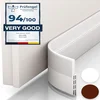 Option 2 Adjustable Door Sweep Draft Stopper – $9.90
|
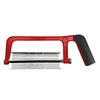 Option 3 Mini Hacksaw with Miter Box – $8.99
|
As an Amazon Associate we earn from qualifying purchases.
Gathering Your Essential Tools and Materials
The beauty of this project is that it doesn’t require a professional toolkit. You likely have most of these items around the house already, or they are very budget-friendly to acquire. Having everything ready before you start makes the process smooth and enjoyable.
What You’ll Need:
- New Door Threshold Seal: Ensure it’s the correct type and length for your door.
- Measuring Tape: To measure your door’s width accurately.
- Screwdriver: Often a Phillips head, but check your existing seal’s fasteners. A small flathead can also be handy for prying.
- Utility Knife or Strong Scissors: For trimming the new seal if necessary.
- Pliers (optional): Might be helpful for removing stubborn old screws.
- Cleaning Rags: To wipe down the door bottom and threshold.
- All-Purpose Cleaner or Wipes: For a thorough clean.
- Safety Glasses: Always a good idea when working with tools.
- Work Gloves (optional): To protect your hands.
Choosing the Right Threshold Seal
There are a few common types of door threshold seals. The most popular and easiest for DIYers to install on existing doors are the “insert” or “kerf-in” types, which slide into a groove (kerf) at the bottom of the door. Others might be screw-on or adhesive strips. Always measure the width of your door and the thickness of the groove to ensure you get the right fit. Many hardware stores offer a variety of lengths, often designed to be cut to size.
When in doubt, take a picture of your current seal or the bottom of your door to the hardware store to get expert advice. Reputable brands like Weather Stopping offer excellent resources and products for energy efficiency.
Step-by-Step: How to Replace Your Door Threshold Seal
Ready to transform your entryway from drafty to delightful? Follow these simple steps. Remember, patience and a positive attitude are your best tools!
Step 1: Prepare the Area and Remove the Old Seal
Start by opening the door fully. You’ll be working at the bottom edge. If you’re replacing a screw-on type, locate the screws holding the old seal in place. Use your screwdriver to carefully remove them. Sometimes, these screws can be stubborn, so a bit of gentle wiggling or a dab of penetrating oil might help. If it’s an insert type, look for the end of the rubber or vinyl seal that fits into the groove. You might need a small flathead screwdriver or a putty knife to gently pry up the end of the old seal to start removing it.
Pull the old seal out from the groove. If it’s long, you may need to work it out piece by piece. Keep an eye out for any old fasteners or debris that might be hiding in the groove.
Step 2: Clean the Door Bottom and Threshold
Once the old seal is out, you’ll want to truly clean the area. Use a damp rag with a bit of all-purpose cleaner to wipe down the bottom edge of the door where the seal was attached, as well as the threshold itself. Remove any dirt, dust, grime, or old adhesive. A clean surface ensures a better fit for your new seal and helps it last longer. For stubborn gunk, a gentle scraper might be needed, but be careful not to gouge the wood or metal.
A clean threshold surface is essential for a good seal. This step might seem minor, but it’s vital for a professional finish!
Step 3: Measure and Cut Your New Seal
Now, let’s get your new seal ready. Measure the width of your door where the seal will go. Your new seal should be either the exact width of the door or slightly longer, as you’ll trim it to fit precisely. If your new seal comes longer than needed, use your measuring tape and a utility knife or strong scissors to cut it to the correct length. It’s always better to cut a little less than you think you need and then trim again if necessary, rather than cutting too much.
A snug fit is key! You want the seal to be firm against the edges of the door without being so tight that it bends or warps.
Step 4: Install the New Threshold Seal
This is where the magic happens! For most insert-style seals, you’ll start at one end of the door’s groove. Gently push the flat, thicker part of the seal into the groove. Hold the seal firmly and work your way across the bottom of the door, pushing the seal into the groove as you go. You might need to wiggle it a bit to get it seated properly. Ensure the rubber or vinyl fin (the part that actually sweeps the threshold) is facing the correct direction – usually it should trail behind the door as you open it.
If you have a screw-on type seal, align it with the pre-drilled holes or mark your own. Then, use the screws provided to attach it securely to the bottom of the door. Don’t overtighten, as this can strip the wood.
Step 5: Test the Seal and Make Adjustments
Open and close the door a few times. Does it swing freely without catching on your new seal? Does the seal make firm contact with the threshold when the door is closed?
If the door feels stiff, the seal might be too long or not seated correctly. You may need to trim a tiny bit off the length or ensure it’s fully pushed into the groove. If there are still gaps when the door is closed, double-check that the seal is properly inserted and that the door itself isn’t warped. You can often make minor adjustments by gently nudging the seal into place or ensuring it’s flush with the door’s edge.
A perfectly sealed door should feel smooth to operate and create a solid barrier against drafts.
Maintaining Your New Door Threshold Seal
Once your new seal is in place, a little care will keep it working effectively for years to come. Regular checks and cleaning are the best ways to ensure longevity and optimal performance. Think of it as a simple spa treatment for your door!
Regular Inspections:
Periodically (perhaps every six months or seasonally), take a quick look at your door seal. Check for any signs of wear, such as cracks, tears, or flattening. Especially after harsh weather, a quick inspection is a great idea.
Cleaning:
Wipe down the seal with a damp cloth and mild soap if needed to remove dirt and grime. This prevents buildup that could interfere with its sealing function. Avoid harsh chemicals that might degrade the material.
Checking for Drafts:
On a cool or windy day, place your hand along the bottom of the door. Do you feel any air escaping? If so, it might be time for a minor adjustment or indicate it’s nearing the end of its lifespan.
By following these simple maintenance tips, you can ensure your new door threshold seal continues to provide comfort and energy savings for your home.

Types of Door Threshold Seals and Their Benefits
Choosing the right seal can make a difference in installation ease and effectiveness. Here’s a look at some common types:
If the whole threshold (not just the seal) is damaged, see how to change a door threshold. Installing on a concrete slab instead of wood subfloor? Check how to install a door threshold on concrete.
| Seal Type | Description | Best For | Pros | Cons |
|---|---|---|---|---|
| Kerf-In / Insert Seal | Slides into a pre-cut groove (kerf) at the bottom of the door. Often has a flexible sweep fin. | Most modern doors with a groove. Easy DIY replacement. | Easy to install, replaceable, good seal, often adjustable. | Requires a groove in the door; can be tricky if groove is damaged. |
| Screw-On Seal | A metal or plastic strip with a rubber or bristle seal that screws directly onto the bottom of the door. | Doors without a kerf, or for extra security. | Durable, often very effective at sealing, good for uneven thresholds. | Requires drilling; can be bulkier; less aesthetic for some. |
| Adhesive-Backed Seal | A strip with a strong adhesive backing applied to the door bottom. Often foam or rubber. | Doors where you can’t or don’t want to drill or cut. Temporary fixes. | Very easy to apply, no tools needed (usually). | Adhesive can fail over time or in extreme temperatures; less durable; may not offer as tight a seal. |
| Door Sweep | Attached to the outside or inside bottom edge of the door, often a strip with bristles or rubber flaps. Some retract. | Works with most doors, good for wider gaps. | Can cover larger gaps, effective for weather and pests. | Can be visible, may snag on flooring; bristles can wear down. |
For most homeowners looking for a straightforward replacement on a standard door, the kerf-in or insert seal is usually the most popular and recommended choice due to its ease of installation and effective sealing capabilities. According to the U.S. Department of Energy, proper weatherstripping, including door seals, is a cost-effective way to reduce energy loss and improve home comfort.
Frequently Asked Questions About Replacing Door Threshold Seals
Here are some common questions beginners have about this project:
Q1: How long should my new door threshold seal be?
A1: It should be the exact width of your door. Always measure your door’s width before purchasing a new seal. Most seals are sold in standard lengths and can be cut to size with scissors or a utility knife.
Q2: Can I replace the seal on an exterior door and an interior door?
A2: Absolutely! The process is the same. Exterior doors benefit most from robust weatherproofing to keep out drafts, moisture, and pests, saving on energy bills. Interior doors might benefit from a seal to help with soundproofing or privacy, especially between rooms or from a garage.
Q3: Do I need to remove the door to replace the seal?
A3: No, in most cases, you do not need to remove the door. This project is designed to be done with the door in its frame. You’ll just need to open the door to access the bottom edge.
Q4: What if my door has no groove (kerf) at the bottom?
A4: If your door doesn’t have a groove, you’ll likely need a screw-on type of seal or a door sweep. These attach directly to the outside or inside of the door bottom. Just ensure you choose one compatible with your door type and threshold.
Q5: My new seal is stiff and hard to get into the groove. What should I do?
A5: Sometimes, new rubber or vinyl can be a bit stiff. Try gently warming it with a hairdryer on a low setting for a minute or two to make it more pliable. Don’t overheat it! Also, ensure you’re pushing it into the groove evenly from one side to the other.
Q6: How often should I replace my door threshold seal?
A6: This depends on the material, exposure to the elements, and how much the door is used. Typically, a seal can last anywhere from 5 to 15 years. Visual inspection for wear and tear or feeling for drafts will tell you when it’s time for a replacement.
Q7: Can I use caulk instead of a seal?
A7: Caulk is for sealing stationary gaps and cracks, not for moving parts like the bottom of a door. A door needs a flexible seal that can compress and decompress as it opens and closes. Caulk would crack and fail quickly.
Conclusion: Effortless Comfort for Your Home
See? Replacing a door threshold seal is a straightforward, rewarding DIY project that truly makes a difference in your home’s comfort and efficiency. You’ve learned why these seals are essential, how to spot signs of wear, what tools you’ll need, and most importantly, a clear, step-by-step guide on how to install a new one yourself. With a little effort, you can banish those annoying drafts, keep pests out, and lower your energy bills – all while feeling incredibly proud of your home improvement accomplishment!
Don’t let a worn-out seal diminish your home’s coziness.
Products related to this article
Sponsored / affiliate links. As an Amazon Associate I earn from qualifying purchases. I may earn additional commission from eligible campaigns.