How to Install a Deadbolt: Effortless Guide
Effortlessly boost your home’s security by learning how to install a deadbolt on a door. This beginner-friendly guide will walk you through each step, making it simple to add this essential layer of protection to any entrance. Get ready for a secure and stylish home with this straightforward DIY project!
For another door or hardware repair, How To Make A Hidden Bookshelf Door: Diy gives readers a closely related troubleshooting step.
For a related storage or furniture fix, How To Make A Drawer Lock: Diy Methods helps readers compare the next practical option.
For another door or hardware repair, How to Install a Door Threshold on Concrete: 5 Steps gives readers a closely related troubleshooting step.
Worrying about home security can cast a shadow over your peace of mind. A strong, reliable deadbolt is one of the simplest and most effective ways to keep your home safe and sound. But for many, the idea of tackling this kind of DIY project feels a bit daunting. You might think it requires special tools or a degree in carpentry, leaving you feeling stuck. Well, I’m here to tell you that it’s much more achievable than you think! With a little patience and this clear, step-by-step guide, you’ll be confidently installing a deadbolt on your door in no time, adding a significant layer of comfort and security to your lovely home.
Why a Deadbolt is Your Home’s Best Friend
Think of a deadbolt as your front door’s trusty bodyguard. Unlike the spring latch on your doorknob, which can often be jimmied open, a deadbolt uses a solid metal bolt that extends deep into the doorframe. This makes it much harder for intruders to force their way in. Installing one is a smart move for anyone looking to add an extra layer of security without breaking the bank or calling in expensive help. It’s a DIY win that pays off in peace of mind!
The Benefits at a Glance
- Enhanced Security: Significantly deters break-ins.
- Durability: Built to withstand forced entry attempts.
- Peace of Mind: Sleep better knowing your home is more secure.
- Easy Installation: A manageable DIY project for most homeowners.
- Increased Property Value: A well-secured home is always a plus.

Gathering Your Tools and Materials: Your Security Setup Kit
Before we start transforming your door into a fortress (okay, maybe just a more secure one!), let’s make sure you have everything you need. Having all your supplies ready to go is key to a smooth and enjoyable DIY experience. It’s like setting the stage for a successful home decor project – everything in its place!
Essential Tools:
- Deadbolt Lock Set: This typically includes the deadbolt mechanism, strike plate, screws, and a template.
- Measuring Tape: For precise measurements.
- Pencil: For marking lines and holes.
- Drill: With drill bits (usually 1-inch and 2-1/2 inches are common, but check your lock’s instructions).
- Chisel: A sharp one is best for fine-tuning.
- Hammer: To gently tap the chisel.
- Screwdriver: Usually a Phillips head, to match your screws.
- Safety Glasses: Protect those precious eyes!
- Utility Knife: May be needed for trimming or scoring.
Optional but Helpful:
- Door Jigs: If you’re feeling fancy and want super clean cuts, these can help guide your drill.
- Clamps: To hold the door steady while you work.
- Painter’s Tape: For marking and preventing wood splintering.
Step-by-Step Guide: How to Install a Deadbolt on a Door (DIY Edition!)
Alright, let’s get this done! We’ll break this down into simple, manageable steps. Remember, take your time, double-check your measurements, and you’ll feel a huge sense of accomplishment when you’re finished. This is where your home security gets a stylish upgrade!
Step 1: Check Your Door and Prepare the Area
First things first, let’s look at your door. Most doors are already prepared for a deadbolt, especially if there’s a doorknob with a separate lock. If you’re adding a deadbolt to a totally new spot or a door that’s never had one, you’ll need to do more extensive cutting. For this guide, we’ll assume your door has the necessary openings for a standard deadbolt installation, or you’re replacing an old one. Clear the area around the door so you have plenty of space to work without knocking things over. It’s always a good idea to work in good lighting!
Step 2: Prepare the Deadbolt Mechanism
Your new deadbolt comes in a box, and it’s important to look through all the pieces. You’ll typically have the deadbolt bolt (the part that goes into the door edge), the interior/exterior lock cylinders, and a mounting plate with screws. Many bolts are adjustable for different door thicknesses. Look for a small switch or a moveable piece on the bolt itself. If yours is adjustable, slide it to match your door’s thickness, which is usually about 1-3/4 inches for standard exterior doors. Consult your lock’s manual for specifics on adjusting the bolt.
| Door Thickness Range | Bolt Setting |
|---|---|
| 1-3/8 inches to 1-3/4 inches | Standard Position |
| 1-3/4 inches to 2-1/4 inches | Extended Position |
Step 3: Install the Deadbolt Bolt into the Door
Now, let’s get that bolt into the edge of your door. You’ll see a rectangular hole already cut into the door’s edge. Insert the deadbolt bolt so that the faceplate sits flush against the door edge. Make sure the bolt works smoothly. If the faceplate doesn’t sit flat, you might need to use your chisel to carefully shave away a tiny bit of wood. Be gentle! Test the bolt again. It should slide in and out without any binding. If it does, it’s ready for the next step.
Step 4: Mark and Drill the Door Holes
This is where your template comes in handy! Most deadbolt kits include a paper template. You’ll need to position this template on your door according to the instructions. It usually tells you how far from the edge of the door and how high up from the floor to place it. Sometimes, there are existing holes, and the template will guide you. If you don’t have a template, measure carefully. A common placement is 6 inches above the doorknob. Once you’ve marked the center points with your pencil, it’s time to drill!
You’ll typically need two holes: one large one on the face of the door (usually 2-1/2 inches) for the mechanism, and a smaller one on the edge (usually 1 inch) for the bolt. Make sure you drill straight and all the way through. Drill slowly and steadily. To minimize splintering, you can place a piece of painter’s tape over the area before you mark and drill.
Pro Tip: When drilling the large hole on the face of the door, drill from both sides to meet in the middle. This helps prevent blowout on the opposite side.
For more detailed guidance on measuring and drilling, resources like Popular Mechanics offer excellent visual aids.
Step 5: Mount the Deadbolt Mechanism
Now, slide the deadbolt mechanism through the large hole in the door, ensuring the bolt assembly is seated correctly in the edge of the door. Guide the mechanism so that the screws will pass through the mounting holes on the inside and outside of the door. You’ll likely have two large screws coming from the outside cylinder and two smaller screws that go through the inside cylinder and secure everything together. Fit these screws into place. Use your screwdriver to tighten them. Don’t overtighten just yet; just make them snug. Test the lock to make sure it turns smoothly.
Step 6: Prepare the Door Frame (Strike Plate Installation)
This step is crucial for security. The strike plate is the metal piece on your door frame that the deadbolt slides into. You’ll need to mark where the bolt will enter the frame. Close the door gently, and with the deadbolt extended, you can often see a mark on the door frame where the bolt hits. Or, you can use a pencil to mark the frame through the hole in the deadbolt mechanism.
Open the door again. You’ll need to create a recess for the strike plate. Most kits come with a template for this, or you can trace the shape of the strike plate onto the door frame. Use your chisel and hammer to carefully cut out this recess. You want the strike plate to sit flush with the door frame. Once the recess is ready, position the strike plate and mark where the screw holes should go. Drill pilot holes for the screws.
Important Security Note: For maximum security, it’s highly recommended to use longer screws (3-inch screws are ideal) that go through the strike plate, the door frame, and into the wall stud behind it. This is a critical step to prevent the door from being kicked in. You can purchase these longer screws at any hardware store.
You can find more information on strike plate reinforcement from reputable sources like The Home Depot.
Step 7: Install the Strike Plate
Align the strike plate with your prepared recess and screw it into place. If you’re using the longer, security screws, drive them in securely. Make sure the deadbolt bolt enters the strike plate opening smoothly when you test the lock. Sometimes, you might need to slightly adjust the opening in the strike plate with a file if the bolt doesn’t align perfectly. The goal is a sturdy, smooth engagement.
Step 8: Final Checks and Testing
Now for the moment of truth! Close the door and test your new deadbolt. Turn the key from the outside and the thumbturn from the inside. Does it slide smoothly? Is it secure? Open and close the door multiple times to ensure the bolt is entering the strike plate correctly without any sticking or binding. Check that the screws are all snug but not so tight that they’re stripping the wood.
Step 9: Interior Locking Mechanism (Thumbturn)
The inside part of your deadbolt usually has a thumbturn that allows you to lock and unlock the deadbolt without a key. Make sure this is installed correctly and turns easily. For some locks, you might need to connect this to the bolt mechanism with a spindle that passes through the door.
Maintaining Your New Deadbolt for Long-Term Security
Your new deadbolt is installed and looking great! To ensure it keeps working smoothly and provides top-notch security for years to come, a little regular care goes a long way. It’s similar to maintaining your favorite decorative furniture – a little attention keeps it looking its best and functioning perfectly.
- Lubrication: Periodically (every 6-12 months), apply a graphite-based lubricant or a silicone spray to the keyhole and the bolt mechanism. Avoid using oil-based lubricants like WD-40, as they can attract dust and gum up the works over time.
- Check Screws: Every so often, especially after a change in seasons, quickly check if the mounting screws and strike plate screws are still snug.
- Test Operation: Make it a habit to test your deadbolt weekly or monthly. Ensure it locks and unlocks smoothly.
- Cleanliness: Wipe down the exterior of the lock with a damp cloth. Avoid harsh chemicals that could damage the finish.
When to Call a Professional
While installing a deadbolt is a very doable DIY project, there are times when it’s best to let a locksmith or experienced handyman take over. If you encounter any of these situations, don’t hesitate to seek professional help:
- Damaged Door: If your door is old, warped, or already has extensive damage, it might not be a stable surface for deadbolt installation.
- Unsupported Door Frame: If your door frame is weak or not properly secured to the wall stud, adding a deadbolt might not provide its full security benefit.
- Complex Lock Types: Smart locks or those with intricate electronic components can have more complex installation requirements.
- Uncertainty: If you’ve tried the steps and are still struggling or unsure about any part of the process, a professional can save you time and prevent mistakes.

Frequently Asked Questions About Deadbolt Installation
Q1: Do I need a special kind of door to install a deadbolt?
Most standard exterior doors are designed to accommodate deadbolts. If your door has a solid core, it’s ideal. Hollow-core doors may not be strong enough to support a deadbolt securely. It’s always best to check your door’s construction.
Q2: How do I know if my door is thick enough for a deadbolt?
Standard exterior doors are typically around 1-3/4 inches thick and are well-suited for deadbolts. Most deadbolt kits are adjustable to fit this common thickness. Make sure to check the specifications of your chosen deadbolt lock.
Q3: What if the holes for the deadbolt aren’t already drilled?
If your door doesn’t have existing holes, you’ll need to drill them yourself. This involves using a hole saw (usually 2-1/2 inches) for the main body of the lock and a smaller bit (usually 1 inch) for the bolt. It’s a bit more involved, but definitely achievable with careful measuring and the right tools. Many DIY guides and videos can help with this specific process.
Q4: Can I install a deadbolt on an interior door?
Yes, you can install a deadbolt on an interior door, such as for a home office or bedroom, if you want added privacy and security for that specific room. The process is largely the same as for an exterior door.
Q5: What is the difference between a deadbolt and a spring latch lock?
A spring latch lock, typically part of a doorknob set, uses a spring mechanism that automatically locks when the door is closed. It can often be bypassed with a shim or by breaking the latch. A deadbolt, on the other hand, has a solid bolt that is manually extended and retracted, making it much more resistant to forced entry.
Q6: Do I need to have the door open or closed to install the deadbolt bolt?
You install the deadbolt bolt into the edge of the door while the door is open. The part that goes into the door edge is inserted into the prepared hole on the door’s side before you mount the main lock cylinder and handle.
Q7: How can I make sure the deadbolt is secure against kick-ins?
The most important step for security against kick-ins is using longer screws (at least 3 inches) for the strike plate. These screws should go through the strike plate and the door frame, anchoring into the wall stud behind it. This reinforcement is critical for preventing the door from being forced open.
Conclusion: Your Home, Secured and Stylish!
See? You’ve done it! You’ve successfully learned how to install a deadbolt on your door, adding a significant upgrade to your home’s security and your own peace of mind. It’s a rewarding DIY project that proves you can tackle home improvement tasks with confidence and style. You’ve not only enhanced your home’s safety but also gained a valuable skill. Now, you can relax knowing your entrance is better protected, all thanks to your own capable hands. Enjoy the added security and the satisfaction of a job well done – your beautifully secured home awaits!
Products related to this article
Sponsored / affiliate links. As an Amazon Associate I earn from qualifying purchases. I may earn additional commission from eligible campaigns.
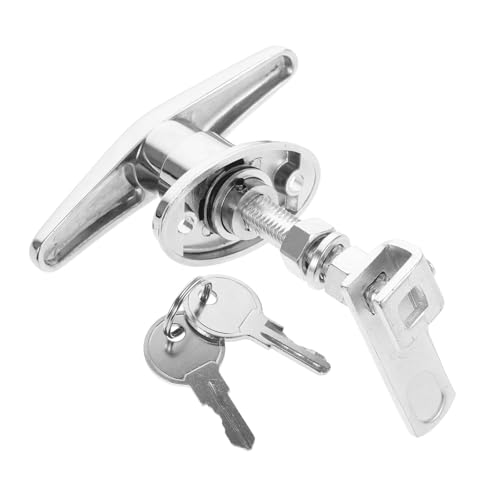 Toddmomy Cabinet Door Lock and Drawer Security Lock with Keys Zinc Alloy 38Mm for File Cabinets and Toolboxes Secure for Office and Home Storage
 20PCS Home Decor Brick Hook, Metal Brick Wall Hanger for 2 - 1/4 to 2 - 2/5 Inch Bricks, No Drill Heavy Duty Alloy Steel Clip with 20 lbs Capacity for Indoor Outdoor Use