How to Tighten a Door Handle in Under 5 Minutes
A loose door handle usually just needs the set screw or mounting screws tightened with an Allen wrench or screwdriver, no replacement parts needed. Ignoring a wobbly handle lets the mechanism wear further until the handle spins freely or falls off. This guide covers how to identify your handle type first, since the fix differs slightly between lever, knob, and mortise handles.
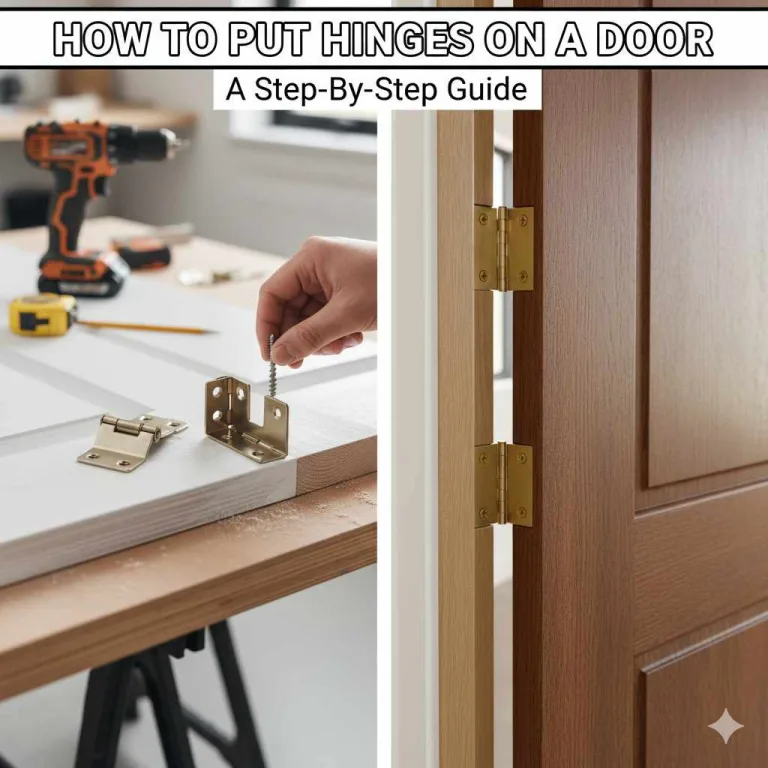
For another door or hardware repair, How To Get Pins Out Door Hinges gives readers a closely related troubleshooting step.
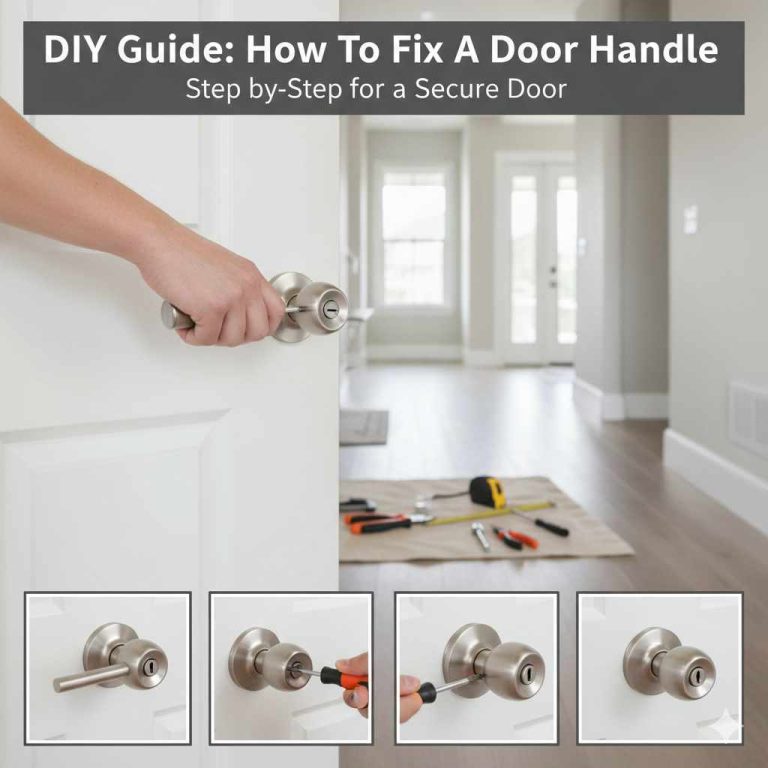
For another door or hardware repair, How To Fix A Door Handle gives readers a closely related troubleshooting step.
Why Do Door Handles Get Loose?
It’s a natural part of life for things to loosen up over time, and door handles are no exception. Think about all the times you grab that handle – it’s a lot! This constant use, along with everyday wear and tear, vibration, and even changes in temperature and humidity, can cause the screws or the internal mechanisms holding your door handle in place to gradually loosen. It’s like your favorite cozy sweater getting a little stretched out after many washes. The good news is that a loose handle is usually a sign of a minor issue, not a major problem, and it’s perfectly within your reach to fix!

Tools You Might Need
Before we dive into the tightening process, let’s gather our supplies. The beauty of tightening a door handle is that it rarely requires specialized or expensive tools. You probably have most of what you need already in your home!
- Screwdriver(s): This is your primary tool. You’ll likely need a Phillips head screwdriver (the one with the cross-shaped tip) and possibly a flathead screwdriver (the one with a single, flat blade). Having a set with various sizes is always helpful for different screw types.
- Allen Wrench (Hex Key): Some door handles, especially more modern or lever-style ones, use small set screws that require an Allen wrench. These often come with the handle if you ever had to install one.
- Pliers: Sometimes, you might need pliers to gently grip a small part while you work.
- Small Hammer: In rare cases, for certain types of hardware or to gently tap a spindle back into place.
- Soft Cloth or Rag: To protect the finish of your door hardware from scratches.
- Penetrating Oil (Optional): For very stubborn or old hardware, a tiny bit might help loosen things up.
Identifying Your Door Handle Type
The way you tighten a door handle depends largely on its type. Most common door handles fall into a few main categories. Knowing which one you have will help you find the right screws to tighten.
| Handle Type | Description | Common Tightening Points |
|---|---|---|
| Knob/Lever Handles (Residential Passage/Privacy) | These are the most common types found on interior doors like bedrooms and bathrooms. They usually have a rose (the decorative plate on the door) and either a knob or a lever you turn/push. For example, Kwikset brand handles utilize many of these mechanisms. |
Screws hidden on the underside or side of the rose, or a small set screw on the lever neck. |
| Mortise Locks | Often found on older or higher-end exterior doors. These have a substantial lock body that fits into a mortise (pocket) cut into the door edge. | Screws visible on the exterior and interior trim plates, and sometimes screws that hold the handles to the spindle. You can find more about the history and types of mortise locks on resources like Wikipedia’s Mortise Lock page. |
| Dummy Handles | These look like regular handles but don’t have a latch or locking mechanism; they are for doors that don’t need to close or latch, like on closets or double-door systems. | Screws are usually visible on the decorative plate or can be accessed from the back of the door. |
| Decorative Handles (Cabinet/Furniture) | Smaller handles or knobs used on cabinets, drawers, and furniture. | A single screw from the back of the drawer or cabinet door. |
How To Tighten A Door Handle: Step-by-Step Guide
Alright, let’s get down to business! Tightening a door handle is usually a quick fix. We’ll cover the most common methods.
Method 1: For Handles with Visible Screws on the Rose
Many standard interior door handles have decorative covers called roses. Sometimes, the screws holding the handle assembly to the door are right on this rose.
- Locate the Screws: Look closely at the rose on both sides of the door. You might see two or more screws clearly visible.
- Choose the Right Screwdriver: Select a screwdriver that fits the screws snugly. Using the wrong size can strip the screw head, making it much harder to tighten.
- Tighten the Screws: With the correct screwdriver, turn each screw clockwise. Tighten them firmly, but be careful not to overtighten, which could damage the door or the hardware.
- Test the Handle: Gently try the handle to see if the wobble has stopped. If it feels more secure, you’re done! If it’s still a bit loose, try tightening the screws a tiny bit more, or check for other screws.
Method 2: For Handles with Hidden Screws (Snap-On Rose)
This is probably the most common scenario for modern door knobs and levers. The decorative rose hides the actual mounting screws.
- Find the Slot or Hole: Look for a small slot, notch, or tiny hole on the side of the rose, usually near the bottom or where the lever/knob stem meets the rose. Sometimes, you might see a very small screw head flush with the rose.
- Gently Pry the Rose (if applicable): If you see a slot or hole, insert the tip of a flathead screwdriver or a thin, sturdy tool (like a putty knife or even a butter knife) into the slot. Gently twist to dislodge the rose cover. It should pop or unsnap from the base. If there’s a tiny screw head, you’ll use a small screwdriver on that instead.
- Expose the Mounting Screws: Once the rose is off, you’ll see the actual screws that attach the handle mechanism to the door.
- Tighten the Screws: Use your Phillips head screwdriver to tighten these screws. Turn them clockwise until they are snug.
- Replace the Rose: Once the screws are tight and the handle feels secure, simply align the rose cover and push it back into place. It should snap back on securely.
- Test the Handle: Give the handle a good test to ensure it’s firm and functions smoothly.
Method 3: For Lever Handles with Set Screws
Many lever-style handles have a small set screw that secures the lever to the spindle that runs through the door. If the lever itself feels loose or spins freely while the rest of the mechanism is tight, this is likely the culprit.
- Locate the Set Screw: Examine the neck of the lever handle, where it meets the rose. You’ll often find a tiny hole. This is where the set screw is located.
- Get the Right Tool: You will almost certainly need an Allen wrench (also called a hex key) for this. Check what size hole you have – often it’s one of the smaller standard sizes.
- Tighten the Set Screw: Insert the Allen wrench into the set screw hole. Turn it clockwise. You might only need a quarter or half turn to feel it tighten. This screw presses against the spindle and holds the lever in place.
- Test the Lever: Check if the lever is now firmly attached and operates the latch correctly.
- Reassemble if Needed: If the set screw was inside a cover or you had to remove a decorative cap, reattach it.
Method 4: For Cabinet and Furniture Knobs/Handles
These are usually the simplest to fix!
- Access the Back: Open the cabinet door or pull out the drawer.
- Identify the Screw: You’ll see a screw coming from the inside, going into the knob or handle.
- Tighten the Screw: Use a screwdriver that fits the screw head. Turn it clockwise to tighten the knob or handle securely against the door or drawer front.
- Test: Give the knob or handle a wiggle to ensure it’s firm.

DIYSELF 17pc Folding Allen Wrench Set, Metric & SAE
$13.59
- Covers both metric and SAE set-screw sizes used in lever handles
- Folding design stays organized, won’t lose the one size you need
- Same tool works on cabinet and closet handles too
| Option | Image | Price | |
|---|---|---|---|
| MULWARK 17pc Folding Allen Wrench Set (2-Pack) |  |
$16.13 | View → |
| EKLIND 8pc Ball-Hex Precision Screwdriver Set |  |
$24.49 | View → |
| ZDingTech 4pc 1/4″ Allen Wrench Set, Long Arm | 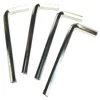 |
$5.99 | View → |
Troubleshooting Common Issues
Even with the best instructions, sometimes you encounter a little hiccup. Here are some common problems and how to solve them:
- Stripped Screw Heads: If the screwdriver just spins and doesn’t grip the screw, the head might be stripped. You can try using a rubber band between the screwdriver and the screw head for extra grip, or a screw extractor kit if it’s severely damaged. For minor stripping, a slightly larger or different type of screwdriver might catch an edge.
- Screws Won’t Tighten (Spinning Freely): This often means the threads in the door or the internal hardware are stripped. You might need to replace the hardware, or in a pinch, use a slightly larger screw if the hole allows, or even a bit of wood filler to give the original screw something to grip.
- Loose Spindle: If the handle parts are tight but the internal spindle feels loose where it passes through the door, the screws holding the main mechanism together might be loose. Make sure to tighten those first.
- Warped Door or Frame: In rare cases, a warped door or frame can put pressure on the hardware, making it feel loose or difficult to operate even when tight. This is a more complex fix, often requiring adjustments to the door or frame itself.
- Missing Parts: If a piece of the internal mechanism is missing, it won’t tighten properly. This usually means replacing the entire handle set.
When to Call a Professional
While most door handle issues are beginner-friendly DIY tasks, there are times when calling in a professional is the best choice. If you’ve tried the steps above and the handle is still significantly loose, or if you’re dealing with very old, intricate, or high-security locks where you’re concerned about damaging them, it might be time to consult a locksmith or a handyman. For instance, if you have a complex mortise lock or a smart lock that’s malfunctioning, professional help is recommended. Resources like ASSA ABLOY, a global leader in door opening solutions, offer insights into advanced lock mechanisms that might require expert attention.
Maintaining Your Door Hardware
Once you’ve got those handles tightened, a little ongoing care can keep them working smoothly for years to come. Simple maintenance includes:
- Regular Cleaning: Wipe down your hardware with a soft, damp cloth to remove dust and grime. Avoid abrasive cleaners that can damage the finish (see how to clean brass door knobs if yours has tarnished).
- Check for Looseness Periodically: Make it a habit to give your frequently used door handles a quick wiggle every few months. A little check-up can prevent a small issue from becoming a bigger one.
- Lubrication (Sparingly): If a latch mechanism sounds squeaky or stiff, a tiny bit of graphite lubricant or a silicone-based spray can help. Never use oil-based lubricants like WD-40 on the latch mechanism itself; it can attract dust and gum up. Check manufacturer recommendations for specific hardware.

Frequently Asked Questions (FAQ)
Q1: How do I know if my door handle is loose?
A: A door handle is considered loose if it wobbles, feels shaky, doesn’t return to its original position smoothly when released, or if there’s noticeable play in the handle itself. You might hear rattling sounds.
Q2: Can I tighten a door handle without taking it apart?
A: Yes! For surface-mounted screws on the rose or set screws on levers, you can often tighten them without fully disassembling the handle. If the screws are behind a snap-on rose, you’ll need to remove the rose, but this isn’t full disassembly.
Q3: What if the screws are stripped and I can’t tighten them?
A: A stripped screw head makes it hard for your screwdriver to grip. You can try a rubber band between the screwdriver and the screw for extra friction, or use a screw extractor kit designed for this purpose. If the threads in the door are stripped, you might need to use a slightly larger screw or repair the hole.
Q4: Should I tighten screws on both sides of the door?
A: Generally, yes. Most interior door handles are secured by a spindle that passes through the door, held by screws on both sides (often just one side is easily accessible after removing the rose). Tightening accessible screws will usually make the whole assembly secure.
Q5: How much should I tighten the screws?
A: Tighten them until they are snug and the handle feels firm. Overtightening can strip the screws, damage the door, or crack the hardware. It’s better to tighten in stages and test along the way.
Q6: My lever handle is loose, but the screws on the rose are tight. What could be wrong?
A: This usually means the set screw that holds the lever onto the spindle is loose. Look for a tiny hole on the neck of the lever (where it meets the rose) and tighten the set screw inside with an Allen wrench.
Q7: Can I use glue to fix a loose door handle?
A: It’s generally not recommended to use glue as a primary method for tightening hardware, especially not a strong adhesive like super glue or epoxy. This can make future repairs or adjustments impossible. For a slightly wobbly knob on its post, a tiny bit of strong epoxy underneath the decorative cap (if it’s separate) might work in a pinch for a cabinet knob, but for main door handles, it’s best to use the intended screws and mechanisms.
Conclusion
See? Tightening a door handle is a completely achievable DIY project that makes a real difference in how your home feels and functions. You’ve learned to identify different handle types, gather the simple tools you need, and follow straightforward steps to secure even the wobbliest handles. It’s little victories like these that build confidence and make your home a more comfortable, welcoming space. Now, you can tackle that loose handle with a smile, knowing you’ve got this! Enjoy the satisfaction of a job well done and doors that operate smoothly and securely.
Sponsored / affiliate links. As an Amazon Associate I earn from qualifying purchases. I may earn additional commission from eligible campaigns.Products related to this article