How to Adjust a Shower Door Hinge: 6 Easy Steps
Fix a sagging or scraping shower door hinge by locating the adjustment screws under the hinge caps and turning them in small quarter- or half-turns to raise, lower, or realign the door. Adjust too much at once instead of one hinge at a time and the door ends up binding or scraping worse than before. This 6-step guide covers assessment, adjustment, and testing for frameless and semi-frameless doors.
If the problem is the handle instead of the hinge, see how to fix a door handle. And if you’re working on a different door type entirely, our guide on how to get pins out of door hinges covers standard interior doors.
Why Your Shower Door Hinge Needs Adjustment
Shower doors are used multiple times a day, every day. Over time, this constant use, combined with water and humidity, can cause the hinges to settle, loosen, or become nudged out of their original position. This can manifest in a few frustrating ways:
- Sagging Door: The most common sign is a door that appears to be hanging lower on one side, making it difficult to open or close smoothly. You might hear scraping sounds as you try to move it.
- Uneven Gaps: You’ll notice inconsistent spacing between the door and the frame or surrounding panels. This can let water escape the shower, creating a wet mess on your bathroom floor.
- Sticking or Binding: The door might catch on the frame or another panel, requiring extra force to operate. This constant tugging can eventually damage the hinge or the door itself.
- Leaky Shower: A door that doesn’t seal properly due to hinge misalignment is a prime culprit for leaks.
Addressing these issues promptly not only restores the functionality and aesthetics of your shower but also prevents minor problems from becoming major, more costly repairs down the line. Think of it as a little bit of preventative maintenance for a beautiful, functional bathroom.

Gather Your Tools: What You’ll Need for the Fix
The good news is that you likely have most of these tools already, or they are very inexpensive to acquire. Having the right tools makes the job smoother and safer. Here’s what you’ll want within reach:
- Screwdriver Set: You’ll need both Phillips head and flathead screwdrivers. It’s best to have a set with various sizes so you can find the perfect fit for your hinge screws. A magnetic tip is also a handy bonus.
- Adjustable Wrench or Pliers: For certain types of hinges, you might need to grip and turn nuts or bolts. An adjustable wrench or a sturdy pair of pliers will do the trick.
- Level: To ensure your door is perfectly plumb (straight up and down) and level (side to side) after the adjustment. A small torpedo level is ideal for this tight space.
- Lubricant (Optional but Recommended): A silicone-based spray lubricant can help loosen stubborn screws and ensure the hinges operate smoothly after adjustment. Avoid oil-based lubricants, which can attract dust and gunk.
- Soft Cloths or Rags: To wipe away any debris, excess lubricant, or water.
- Painter’s Tape (Optional): To mark your starting points or to protect delicate surfaces.
- Helper (Recommended): While you can sometimes do this alone, having an extra pair of hands to support the door can make the process much easier and safer.
Before you start, take a moment to identify the type of hinges on your shower door. Most frameless or semi-frameless shower doors use adjustable hinges that look something like this:
| Hinge Type | Visual Description | Adjustment Method |
|---|---|---|
| Standard Hinges | Usually have visible screws on the interior and exterior of the hinge plate, often with a decorative cover. | Direct screw adjustment; sometimes a small set screw on the side. |
| Set Screw Hinges | Often have one or two small set screws located on the side or bottom of the hinge body. | Using an Allen wrench (hex key) to turn the set screw. |
| Clip-On or Snap-In Hinges | Less common for adjustments, these typically rely on precise installation. However, some manufacturers offer minor adjustments via hidden set screws. | Requires careful inspection for hidden adjustment points, often set screws or specialized fasteners. |
Knowing your hinge type will help you anticipate the adjustment method. If you’re unsure, consult your shower door’s manual or look for manufacturer markings on the hinge itself.
Best Shower Hinge Replacement Pick
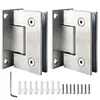
Alise Glass Shower Door Hinges (2-Pack) – $21.24
For when this guide’s When to Call a Professional section applies – if the hinge itself is worn out, adjustment alone won’t fix a stripped mechanism.
- Best for: Replacing hinges too worn for the adjustment screws to grip anymore
- Why we picked it: Matches the standard 90° frameless glass hinge style this guide’s steps are built around
- Main drawback: Full hinge swap needs more tools than the quarter-turn adjustment this guide covers
Compare more shower hinge fixes
 Option 1 Shower Door Repair Kit with Pivot Bushing – $37.99
|
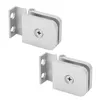 Option 2 1/4″ Glass Door Hinge Replacement (2-Pack) – $36.99
|
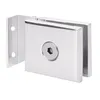 Option 3 Rockwell Mini Hinge, Polished Chrome – $28.00
|
As an Amazon Associate we earn from qualifying purchases.
Step-by-Step Guide: How to Adjust Your Shower Door Hinge
Let’s get your shower door looking and working like new! This guide focuses on the most common adjustable hinges found on frameless and semi-frameless shower doors. Remember to work slowly and methodically.
Step 1: Assess the Misalignment
Open and close the shower door several times. Pay close attention to where it’s sticking, sagging, or not sealing correctly. Use your level to check if the door is plumb and parallel to the frame or adjacent fixed pane. This initial assessment will tell you which direction you need to adjust.
- Door Sagging on the Handle Side: This usually means the bottom of the door needs to be lifted, or the top needs to be lowered.
- Door Sagging on the Hinge Side: This is less common but might indicate a loose hinge mounting or a settlement issue.
- Door Scraping the Top Frame: The door might need to be lowered or the frame might have shifted.
- Door Scraping the Bottom Track: The door likely needs to be lifted.
Take photos if it helps you remember the starting position or visualize the problem. If you have a helper, have them slowly move the door while you observe.
Step 2: Prepare the Area and Hinges
If your hinges have decorative caps, gently pry them open or remove them. You might need a small flathead screwdriver or even just your fingernails. This will expose the adjustment screws or set screws.
If the screws or set screws are difficult to access or seem stuck, a quick spray of a silicone-based lubricant can work wonders. Let it sit for a few minutes. Wipe away any excess lubricant with a rag to prevent drips. This is also a good time to clean any grime or soap scum from the hinges, which can make them easier to work with.
Step 3: Locate the Adjustment Screws
Most adjustable shower door hinges have small set screws located on the side or bottom of the hinge body. These screws are often hidden and might require removing a decorative cover first. You’ll typically need an Allen wrench (hex key) or a small screwdriver to turn these. Some older or simpler hinges might have screws directly on the mounting plates that can be loosened and retightened to allow for minor shifts.
A common design involves two set screws per hinge: one for up/down adjustment and another for in/out (or forward/backward) adjustment. The exact location and orientation can vary by manufacturer. A good resource for understanding specific hinge types is often found by searching for your shower door brand and model online, sometimes leading to downloadable manuals or diagrams from reputable sites like Shower-Doors.com, which offers a wide range of replacement parts and information.
Step 4: Make Small Adjustments
This is where patience is key! Adjust one hinge at a time, and make very small turns – typically a quarter turn or half turn is enough. Turn the adjustment screw clockwise to lift the door or push it outwards (away from the frame), and counter-clockwise to lower the door or pull it inwards (towards the frame). The exact effect depends on the hinge design.
Important Tip: If your door is sagging on the handle side, you’ll likely need to adjust the top hinge to slightly lift that side, or the bottom hinge to slightly lower it. Often, adjusting the top hinge to bring it slightly away from the door frame can help.
After each small adjustment, have your helper gently close the door and check its alignment and movement. See if the scraping has stopped or reduced, or if the gaps are becoming more even.
Step 5: Test and Fine-Tune
Repeat Step 4 – make a small adjustment, test the door – until the door hangs straight and moves freely without binding or scraping. Use your level frequently to ensure the door is plumb.
Example Scenario: If your door is scraping the frame near the top on the handle side, you might need to slightly lift the top hinge. Locate the adjustment screw on the side of the top hinge. Turn it clockwise a quarter turn. Close the door. If it’s still scraping, try another quarter turn. If it’s now too high, turn it counter-clockwise a little. It’s a process of small increments.
Always ensure that when you’re done, the door seals properly when closed and doesn’t leak water when in use.
Step 6: Secure and Reassemble
Once you’re happy with the door’s position and movement, it’s time to secure everything. Make sure the adjustment screws are snug but don’t overtighten them, as this can strip the threads or damage the hinge mechanism. If your hinges had set screws, ensure they are firmly in place without excessive force.
Replace any decorative caps you removed. Give the door a final few open and close cycles to ensure everything feels solid and moves smoothly. Wipe down the hinges and surrounding areas one last time.
Troubleshooting Common Shower Door Hinge Problems
Even with the best intentions, you might encounter a few snags. Here are some common issues and how to tackle them:
| Problem | Possible Cause | Solution |
|---|---|---|
| Screws Won’t Turn or Are Stripped | Corrosion, overtightening, or wrong screwdriver size used previously. | Use a penetrating lubricant (like WD-40 or a specialized rust remover). Let it soak. If stripped, you might need a screw extractor or professional help. For small hinge screws, ensure you’re using a perfectly fitting manual screwdriver rather than a power drill. Power drills can easily strip small screws once resistance is met. |
| Hinges Still Stick or Sag After Adjustment | Uneven adjustment across multiple hinges; a bent hinge component; worn-out hinges; frame issues; or door glass unevenly weighted. | Ensure all hinges are contributing equally to the alignment. Check for any visible damage or bending on the hinge itself. If hinges appear worn or loose even after tightening, they might need replacement. Frame issues or uneven weight distribution may require professional assessment. |
| Door Leaks After Adjustment | The door is no longer sealing correctly against the sweep or frame. | Re-adjust the door to ensure it’s closing flush. Check and clean the door sweeps and weatherstripping. If the frame has shifted, slight adjustments might bring it back into alignment. Sometimes, it might require adding or repositioning a sweep for a better seal. Always consider the angle of the glass itself as part of the seal. |
| Hinge Making Noise | Dry hinge mechanism or debris inside. | Clean the hinge thoroughly and apply a silicone-based spray lubricant. Work the door back and forth to distribute the lubricant. |
| Can’t Find Adjustment Screws | Hinge type might not be adjustable, or screws are very well hidden. | Carefully inspect all sides and undersides of the hinge. Consult your shower door manufacturer’s manual or website, or search online for your specific shower door model’s hinge type. Some systems use specialized tools or sequences. For critical issues, reaching out to the manufacturer or a glass specialist might be necessary. |
For more information on maintaining shower doors and hardware, resources like the Consumer Product Safety Commission (CPSC) offer general safety guidelines for home products, which indirectly apply to ensuring safe and proper function of items like shower doors.
When to Call a Professional
While this DIY guide is designed to help you tackle most common shower door hinge adjustments, there are times when it’s best to enlist the help of a professional. If you experience any of the following, consider calling a glass specialist or a handyman:
- The glass is cracked or chipped: Do not attempt to adjust a door with damaged glass, as it could shatter.
- The frame appears to be damaged or warped: This is beyond a hinge adjustment and may require structural repair.
- You can’t find any adjustment points: Your hinges may not be designed for DIY adjustment.
- The hinges are heavily corroded or seem seized: Forcing them could cause more damage.
- You’ve tried the steps and the problem persists: It might be a more complex issue.
- You’re uncomfortable with any part of the process: Safety and peace of mind are paramount.
Professionals have specialized tools and extensive experience with various shower door systems. They can quickly diagnose complex problems and perform repairs or replacements efficiently, ensuring your shower door is safe and perfectly installed.

Frequently Asked Questions (FAQ)
Q1: How often should I check my shower door hinges?
A: It’s a good idea to visually inspect your shower door hinges every few months. If you notice any signs of sagging, sticking, or water leakage, it’s time for a closer look and potential adjustment.
Q2: Can I adjust frameless shower door hinges?
A: Yes, most frameless and semi-frameless shower doors feature adjustable hinges designed for minor alignment corrections. The adjustment mechanism is usually a small set screw on the hinge body.
Q3: What happens if I overtighten the adjustment screws?
A: Overtightening can strip the threads in the hinge mechanism, making it impossible to adjust further or secure the hinge properly. It can also damage the hinge itself, potentially requiring replacement.
Q4: Do I need lubricant for shower door hinges?
A: While not always essential for adjustment itself, a silicone-based spray lubricant is highly recommended for loosening stubborn screws and for post-adjustment maintenance to ensure smooth operation and prevent future stiffness.
Q5: My door is heavy. Can I adjust it myself?
A: While it’s possible, shower doors can be heavy and awkward. Having a second person to support the door while you make adjustments is strongly recommended for safety and ease of handling.
Q6: How do I know if my hinge needs replacement instead of adjustment?
A: If the hinge is visibly damaged, corroded, cracked, or if you’ve made adjustments and the door still sags or binds significantly, the hinge might be worn out and require replacement.
Q7: Can adjusting hinges fix a leaky shower door?
A: Yes, if the leak is caused by misalignment preventing a proper seal against the sweep or frame. Proper adjustment can ensure the door closes correctly and creates a watertight barrier.
Conclusion: Enjoy Your Smoothly Operating Shower Door!
There you have it! Adjusting a shower door hinge might seem like a daunting task at first, but with a little patience and the right approach, you can achieve a perfect fit and smooth operation. You’ve gained the knowledge to identify common issues, gather the necessary tools, and confidently make those small, precise adjustments that make all the difference. It’s incredibly satisfying to fix something yourself and restore the beauty and functionality of your bathroom. So, take a moment to admire your work – your shower door should now be gliding beautifully, sealing perfectly, and enhancing the overall comfort and style of your personal sanctuary. You’ve got this!
Products related to this article
Sponsored / affiliate links. As an Amazon Associate I earn from qualifying purchases. I may earn additional commission from eligible campaigns.