How to Remove a Bifold Closet Door: Step-by-Step
Removing a bifold closet door means assessing how the panels connect to the top track and floor guide, detaching the panels, then lifting the pivot pins free of the track. Skip the assessment and you can strip a hinge or bend a pin forcing a door that is still attached somewhere. This guide covers the tools, the step-by-step process, an alternative for hinged bifold doors, and what to do with the door once it is out.
Why Would You Need to Take Down a Bifold Door?
Before we dive into the “how,” let’s chat about why you might find yourself needing to remove a bifold door. Understanding your motivation can help you appreciate the process even more!
Renovations or Updates: This is a big one! If you’re redecorating a room, updating a closet, or even moving a wall, the bifold door might be in the way or simply not fit the new aesthetic.
Replacement: Sometimes, bifold doors get damaged, or you might want a different style of door. Taking the old one down is the first step to installing a new one.
Cleaning or Painting: Need to give that door a thorough scrub, a fresh coat of paint, or re-stain it? Removing it from its tracks makes this job much easier and ensures a more professional finish.
Access for Repairs: If the track or hardware needs repair, it’s often easiest to remove the entire door first.
Repurposing the Space: You might decide you want to open up a space entirely, removing the door and its hardware to create a more fluid layout.

Essential Tools You’ll Need
Don’t worry, you probably have most of these tools already! Having the right equipment makes any DIY job smoother and safer.
Here’s a quick checklist of what you’ll need to gather:
Screwdriver Set: You’ll likely need both Phillips head and flathead screwdrivers. Many bifold door hinges use Phillips screws.
Pry Bar (Optional but helpful): A small pry bar can be useful for gently persuading stubborn hinge plates or track components.
Tape Measure: Handy for noting measurements before you start, in case you need to re-install it or a new one.
Safety Glasses: Always a good idea to protect your eyes from dust or falling debris.
Work Gloves: These can protect your hands from splinters or rough hardware.
A Helper (Recommended): While you can do this alone, having a second person makes lifting and maneuvering the door much easier and safer.
For a comprehensive guide on basic home tools and their uses, the This Old House tool guide is an excellent resource for beginners.
Best Bifold Door Removal Pick
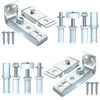
Bifold Door Hardware Repair Kit – $6.99
Replacement pivots and track hardware for reinstalling the door this guide walks through removing, or fitting a new one to the same opening.
- Best for: Reinstalling the door after this guide's removal steps, or preparing the track for a replacement
- Why we picked it: Matches the pivot pins and track hardware this guide's Step 1 assessment identifies on most bifold doors
- Main drawback: Repair-kit parts only, so a fully new track still needs to be purchased separately
Compare more hardware kits and tools
 Option 1 Bifold Door Hardware Repair Kit, 2-Pack – $6.79
|
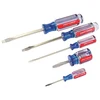 Option 2 CRAFTSMAN 5-Piece Slotted Screwdriver Set – $18.27
|
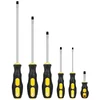 Option 3 Fixinus 6-Piece Magnetic Slotted Screwdriver Set – $9.99
|
As an Amazon Associate we earn from qualifying purchases.
Understanding Bifold Door Hardware
Bifold doors are designed to fold in half and slide along a track. This ingenious design relies on specific hardware to function. Knowing the parts will make removal a breeze.
Typically, you’ll find these components:
Track: This is usually mounted at the top of the door frame. The door hardware slides within it.
Rollers/Hinges: These are attached to the top and sometimes the bottom of the door panels. They connect the door to the track or guide.
Pivot Pins: These are often found at the bottom of the door, fitting into sockets on the floor or frame, allowing the door to swing.
Guide: A small piece that fits into the bottom track to keep the door panels from swinging out too much.
Door Panels: The actual folding doors themselves.
Different manufacturers may use slightly different terminology or variations of these parts, but the core function remains the same.
Step-by-Step Guide: How to Take Down a Bifold Door
Let’s get our hands a little dirty! Follow these simple steps, and before you know it, your bifold door will be down and safely out of the way.
Step 1: Assess Your Door and Hardware
Before you touch anything, take a good look at how your bifold door is installed.
Examine the Top Track: Notice how the rollers or hinges connect to the track. Are there any visible screws or clips holding them in place?
Check the Bottom: See if there are pivot pins in the floor or a guide mechanism.
Identify Hinges: Bifold doors usually have hinges connecting the two panels together and hardware connecting the panels to the track.
This initial assessment will give you a clear picture of what you’ll be dealing with.
Step 2: Prepare the Area
Clear out the space in front of and around the bifold door. You’ll need room to work and a place to set the door down once it’s removed. Remove any items from shelves or the floor that could be in your way or get damaged.
Step 3: Detach the Door Panels (if necessary)
Some bifold doors have hinges connecting the two panels. If yours does, you might need to separate them first.
Look for screws holding these hinges together.
Use your screwdriver to carefully remove these screws.
Once the screws are out, the two panels should separate. Be gentle, especially if the hinges are old or stiff.
If your bifold door consists of a single unit that folds, you might skip this step and move to lifting it from the track.
Step 4: Remove the Door from the Top Track
This is often the trickiest part, but with a helper, it’s manageable.
Locate the Pivoting/Rolling Mechanism: At the top of each door panel, there will be a piece that rides in the track.
Lift and Angle: With your helper, carefully lift the door panel upwards. You’ll likely need to angle it slightly to disengage the roller from the track. Many tracks have an opening or a way for the roller to slide out.
Guide it Free: Once one side is out, gently guide the rest of the panel out of the track. Repeat for the other panel if it’s a double bifold door.
Patience is key here. If it feels stuck, double-check for any hidden screws or clips you might have missed in Step 1.
Step 5: Disengage Bottom Pivot Pins (if applicable)
If your door has bottom pivot pins that fit into sockets on the floor or a bottom track, you’ll need to deal with those.
Lift the Door Up: As you lift the door panel to remove it from the top track (in Step 4), the bottom pivot pin will lift out of its socket.
Be Ready to Catch: Have your helper ready to support the door as it comes free, as it will become completely detached at this point.
Step 6: Remove the Track and Hardware (Optional)
Once the door panels are safely removed, you might want to remove the hardware itself.
Top Track: Look for screws attaching the track to the door frame or ceiling. Use your screwdriver to remove these. If the track is particularly long or securely fastened, a pry bar might help gently loosen it once the screws are out.
Bottom Guide: If there’s a bottom guide attached to the floor or frame, locate its screws and remove them.
If you plan on re-installing the same bifold door later, carefully label and store all the hardware. This is a great tip from seasoned DIYers!
Step 7: Secure the Door Panels
With the doors removed, you’ll want to store them properly.
Lay them Flat: Find a safe, flat space to lay the door panels down.
Protect Them: If you’re concerned about scratches, place a blanket or some old sheets underneath and on top of the panels.
Stacking: If you have multiple panels, you can stack them carefully.
Alternative Method: Hinged Bifold Doors
Some bifold doors aren’t the typical sliding kind. They might be hinged like regular doors but fold in the middle. These generally have standard door hinges.
If you have this type of bifold door:
Support the Door: Have your helper ready to hold the door steady.
Remove Hinge Pins: On the side hinges, you’ll see pins. You can gently tap these straight up and out using a hammer and a nail set or a flathead screwdriver.
Lift the Door Off: Once the pins are removed, the door should be free. Lift it away from the frame.
Remove Hinges: If you need to remove the hinges from the door or frame, use your screwdriver to take out the associated screws.
What to Do With Your Removed Bifold Door?
You’ve successfully removed your bifold door! Now what?
If you are replacing it with new hardware rather than reinstalling the same door, our guide on building bifold doors covers sizing and hanging a fresh pair. Storage: If you plan to re-install it later, store it in a dry, safe place, protected from damage.
Repurpose: Could it become a unique room divider, a headboard, or parts of a DIY project? Get creative!
Donate or Sell: If it’s in good condition and you no longer need it, consider donating it to a local charity or selling it online.
Disposal: If it’s damaged beyond repair, dispose of it responsibly according to your local waste management guidelines.

Bifold Door Removal FAQ
Here are some common questions beginners have when removing a bifold door.
Q1: Do I need a helper to remove a bifold door?
A1: While it’s possible to remove a bifold door by yourself, it’s strongly recommended to have a helper. Doors can be heavy and awkward, and a second person makes the process much safer and easier, especially when lifting them out of the track.
Q2: What if the door is stuck in the track?
A2: If the door is stuck, don’t force it. Re-examine the track and hardware for any hidden screws, clips, or obstructions you might have missed. Sometimes, a gentle wiggle or a bit of lubricant can help. If it still won’t budge, check the manufacturer’s instructions or design, as there might be a specific release mechanism.
Q3: How do I remove a bifold door with a metal track?
A3: Metal tracks usually have rollers or hinges that slide within them. The removal process is generally the same: lift the door panel upwards and angle it to disengage the roller from the track. For the track itself, simply unscrew it from the frame once the door is detached.
Q4: Can I paint my bifold door while it’s still hanging?
A4: While you can paint a bifold door while it’s hanging, it’s much harder to get a smooth, even finish, especially on the folding edges. Removing the door, as outlined in this guide, allows for thorough painting on all sides and edges, leading to a much more professional result.
Q5: What’s the difference between a bifold door and a folding door?
A5: The terms are often used interchangeably! Generally, a “bifold door” specifically refers to a door that is hinged in the middle and folds in half, typically using a top track system. A “folding door” can be a broader term that includes bifold doors but might also encompass other folding panel systems.
Q6: How much space do I need around the door to remove it?
A6: You’ll need enough clear floor space in front of the door to safely maneuver and set the door panel down. Aim for at least 3-4 feet of clear space. Ensure there’s also enough room to stand comfortably on either side of the door frame.
Q7: I have old bifold doors. Will the removal process be different?
A7: The fundamental process of lifting and disengaging from the track remains similar for most bifold doors, regardless of age. However, older hardware might be more prone to rust or stiffness, so take extra care and be gentle. Inspecting the hardware closely for wear and tear is crucial.
Conclusion
And there you have it! You’ve successfully learned how to take down a bifold door. I hope this guide has demystified the process and given you the confidence to tackle this home improvement task. Remember, with a little preparation, the right tools, and a bit of patience, you can achieve fantastic results on your own.
Whether you’re preparing for a renovation, a new door installation, or just a thorough cleaning, removing a bifold door is a totally achievable DIY project. You’ve got this! Take pride in your new skills and enjoy the refreshed space you’re creating. Happy decorating!
Products related to this article
Sponsored / affiliate links. As an Amazon Associate I earn from qualifying purchases. I may earn additional commission from eligible campaigns.