How Do I Lubricate A Door Lock: Genius Fix
Quick Summary:
Easily lubricate a door lock by using the right product, like graphite powder or a silicone-based spray, applied directly into the keyhole. This simple fix will stop sticking, squeaking, and ensure smooth operation, bringing quiet comfort back to your home.
For another door or hardware repair, How To Get Pins Out Door Hinges gives readers a closely related troubleshooting step.
For a related storage or furniture fix, How To Make A Drawer Lock: Diy Methods helps readers compare the next practical option.
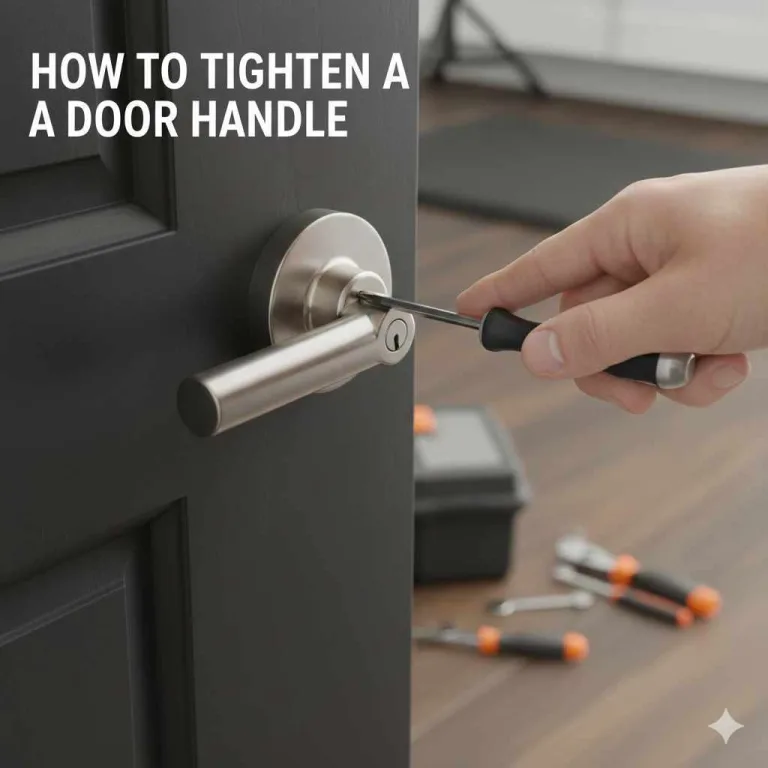
For another door or hardware repair, How To Fix A Door Handle gives readers a closely related troubleshooting step.
Does your front door lock groan like a grumpy old bear every time you turn the key? Or maybe it feels stiff and sticky, making you wonder if you’ll get locked out (or in!)? You’re not alone! A stubborn door lock is a common household annoyance that can bring a little bit of stress to your day. But fret not, dear homeowner! With a few simple steps and the right tools, you can easily fix this yourself. It’s a wonderful way to add a little comfort and quiet to your home, and you don’t need to be a DIY expert to achieve amazing results. Get ready to say goodbye to that frustrating squeak and hello to smooth, silent entry!
Unlock Smooth Entry: Your Simple Guide to Lubricating a Door Lock
At Arlene J. Clark Designs, we believe that a beautiful home is a functional home. And nothing feels more frustrating than a door lock that misbehaves. It’s the first and last thing you interact with when you leave and return home. When it’s sticky or noisy, it can really disrupt the peaceful flow of your sanctuary. The good news is that learning how to lubricate a door lock is surprisingly simple. It’s a quick fix that makes a big difference in your daily comfort and can even prolong the life of your lock. Let’s dive into how you can achieve this effortless improvement in your home.

Why Do Door Locks Need Lubrication?
Think of your door lock like any other moving part in your home – it needs a little attention to keep working at its best. Over time, dust, dirt, and debris can get inside the lock’s delicate mechanisms. This gunk can cause friction, leading to that annoying squeaking or sticking. In drier climates or during seasons with low humidity, metal parts can also become dry and less cooperative. Proper lubrication helps to:
- Reduce friction between moving parts.
- Prevent rust and corrosion.
- Easily overcome sticking and stiffness.
- Silence squeaky hinges and mechanisms.
- Ensure smooth key insertion and turning.
- Extend the lifespan of your lock hardware.
By understanding these reasons, you can see how important this simple maintenance task is for keeping your home secure and your doors operating smoothly.
Choosing the Right Lubricant: Not All Sprays Are Created Equal!
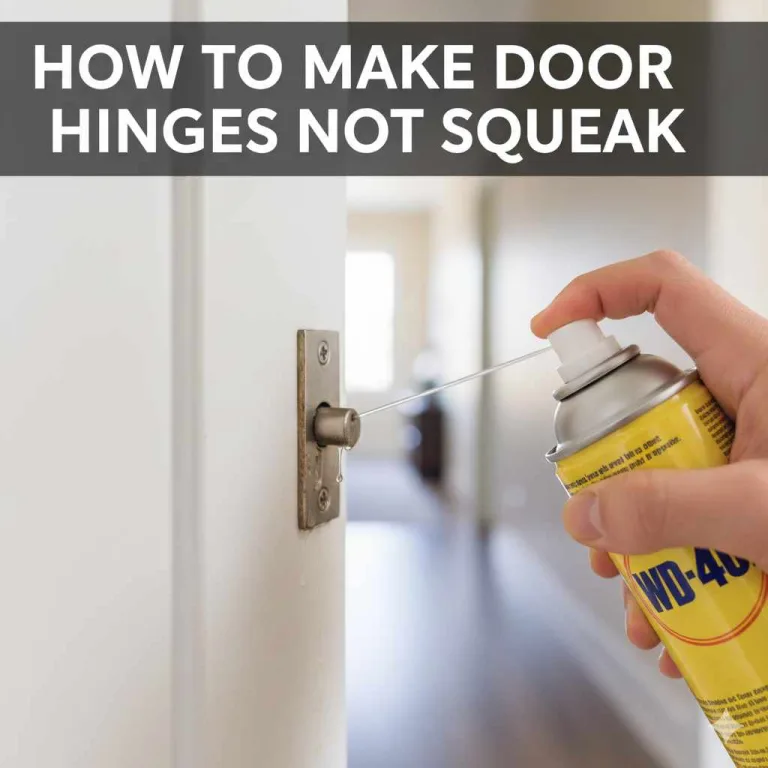
This is where many people make a common mistake. Not all lubricants are suitable for door locks, and using the wrong one can actually cause more problems down the line. For instance, using oily lubricants like WD-40 (while an excellent degreaser) is generally not recommended for the internal mechanisms of a lock. Why? Because over time, these oils can attract and hold onto dust and grime, creating a sticky mess inside that’s harder to clean than the original problem!
The best lubricants for door locks create a dry, protective barrier that repels dust and moisture. Here are the top choices:
Recommended Lubricants for Door Locks:
- Graphite Powder: This is a long-standing favorite for a reason. Graphite is a dry lubricant that won’t attract dust. It coats the metal pins and tumblers, allowing them to slide freely. You can buy it in small puffer bottles for easy application.
- Silicone-Based Sprays: These are excellent alternatives to oil-based sprays. They provide good lubrication without leaving a greasy residue. Look for sprays specifically designed for locks or general-purpose silicone lubricants. They are great for both the internal lock mechanism and often for the weatherstripping around doors too.
- PTFE-Based Sprays (Teflon): Similar to silicone, PTFE lubricants create a dry, low-friction coating. They are very effective and also don’t attract dirt.
Lubricants to Avoid:
- Petroleum-Based Lubricants (e.g., WD-40 for internal lock parts): As mentioned, these can attract dirt and gum up the works over time. While great for quick fixes or cleaning, they aren’t ideal for long-term lock maintenance.
- Grease: Too thick and will definitely attract dirt.
- Cooking Oil: While it might seem like a quick fix, it will quickly become rancid and sticky.
For detailed information on lock maintenance and types of lubricants, resources like those from the National Security Alliance (while not a government .gov, it’s a reputable industry resource for security information) can provide further insights into keeping your home secure and well-maintained.
Gather Your Tools: Simple Supplies for a Smooth Lock
Before you start, gather a few basic items. You likely have most of these around your home already, making this a budget-friendly DIY project!
What You’ll Need:
- Your chosen lubricant: Graphite powder or a silicone/PTFE spray.
- A thin straw attachment (if using spray): Most spray cans come with one. This helps direct the lubricant precisely.
- A clean cloth or paper towel: For wiping away any excess.
- Optional: A small brush or compressed air: To clear loose debris from the keyhole before lubricating, if it looks very dusty.
Having these simple items ready will make the process quick and easy. You’re just minutes away from a perfectly functioning lock!
Step-by-Step: How to Lubricate a Door Lock Like a Pro (Beginner Edition!)
Let’s walk through the process together. It’s straightforward and satisfyingly effective.
Step 1: Assess the Lock
First, take a close look at your lock. Does the key go in easily? Does it turn freely once inserted? Listen for any squeaks or grinding sounds. This will help you understand the current state of the lock and appreciate the improvement afterwards.
Step 2: Prepare the Lock (Optional but Recommended)
If the keyhole looks particularly dusty or has visible debris, you can gently try to clear some of it out. A puff of compressed air (held at a distance) or a soft brush can help remove loose particles. The goal isn’t deep cleaning, but just removing anything obvious that might prevent the lubricant from getting inside.
Step 3: Apply the Lubricant
For Graphite Powder:
- Unscrew the cap or attach the puffer nozzle if it has one.
- Insert the tip of the puffer into the keyhole as far as it will comfortably go.
- Give a few gentle puffs of graphite powder into the lock. You don’t need a lot – a little goes a long way!
- Remove the puffer.
For Silicone or PTFE Spray:
- Attach the thin straw applicator to the nozzle of the spray can. This helps you aim accurately.
- Insert the tip of the straw into the keyhole.
- Press the nozzle gently for a few short bursts of spray. Again, don’t overdo it! Aim to get the lubricant inside the mechanism.
- Remove the straw.
Step 4: Work the Lubricant In
This is a crucial step to ensure the lubricant coats all the internal parts. Take your key and insert it fully into the lubricated lock.
- Gently turn the key back and forth (without locking or unlocking, if possible) for at least 10-15 seconds.
- If the key feels stiff, apply a tiny bit more lubricant and repeat.
- You should start to feel the mechanism moving more freely as the lubricant spreads.
Step 5: Test the Lock
Now for the moment of truth! Insert the key fully and turn it to lock and unlock your door several times. Listen for squeaks and feel for any sticking. It should be noticeably smoother and quieter.
Step 6: Clean Up Any Excess
If there was any visible overflow of lubricant (though this is rare with the right products and application), wipe it away with a clean cloth or paper towel. This keeps your door looking tidy.
And there you have it! A perfectly lubricated door lock that operates with ease. This simple DIY task can save you a lot of annoyance and potential repair costs.
Troubleshooting: What If My Lock Is Still Stubborn?
Sometimes, even a good lubrication might not completely solve the problem, especially if the lock is older or has more significant issues. Here are a few things to consider:
- Is it the lock or the door frame? Sometimes, doors sag, and the bolt doesn’t align with the strike plate on the frame, causing stiffness. Try lubricating the strike plate area or checking if the door needs adjustment.
- Did you use the right lubricant? If you suspect you used an oil-based product previously, you might need to clean it out first using an appropriate lock cleaner before applying graphite or silicone. This is a bit more advanced and might require professional advice for specific products.
- Is the key bent or worn? A damaged key can cause difficult operation. Try a different key if you have a spare.
- Is the lock mechanism damaged? If lubrication doesn’t help and the key feels like it’s going to break, or the lock won’t turn at all, the internal mechanism might be worn out or broken. In this case, it’s time to consider replacing the lock. Websites like This Old House offer excellent advice on door and lock related issues, many of which are DIY friendly.
Don’t get discouraged if it’s not a perfect fix immediately. Sometimes a second round of lubrication, or addressing a slightly different issue, is all it takes.
Frequency of Lubrication: Keeping Things Running Smoothly
How often should you perform this simple lock lubrication? It really depends on your environment and how much the lock is used.
General Recommendations:
- High-Usage Doors (Front Doors, Back Doors): Consider lubricating these every 6-12 months.
- Low-Usage Doors (Interior Doors, Storm Doors): Every 1-2 years might be sufficient.
- Harsh Climates: If you live in an area with coastal air, heavy dust, or extreme temperature fluctuations, you might want to lubricate more frequently, perhaps every 3-6 months.
Listen to your locks! If you start to notice even a slight stiffness or hear a faint squeak, it’s a good sign it’s time for a little lubrication treat. Proactive maintenance is key to preventing future headaches.
Benefits Beyond a Smooth Turn: Style and Comfort
While the primary goal is mechanical perfection, a well-functioning lock contributes to the overall feel and style of your home. Imagine this:
- Peaceful Entry: No more jarring squeaks announcing your arrival or departure.
- Effortless Access: Quickly and easily get in and out of your home, even with your hands full.
- Extended Home Value: Well-maintained hardware looks better and can be a small but appreciated detail for guests or potential buyers.
- Sense of Security: Knowing your lock is functioning perfectly adds a layer of comfort and peace of mind.
These benefits go beyond just mechanics; they enhance your daily living experience and contribute to a more comfortable and welcoming home. It’s amazing how a tiny bit of care can positively impact your living space!

Cost-Effectiveness: A DIY Dream!
Let’s talk about value. The cost of a can of graphite powder or silicone spray is typically very low, often under $10. Compared to calling a locksmith or replacing a lock prematurely, this simple DIY task is incredibly cost-effective.
| Task | DIY Cost (Lubrication) | Professional Cost (Lock Repair/Replacement) | Time Investment (DIY) |
|---|---|---|---|
| Lubricating a Door Lock | $5 – $10 (for lubricant) | $100 – $350+ (depending on service) | 5 – 15 minutes |
| Replacing a Standard Lockset | $20 – $50 (for new lock) + DIY time | $150 – $400+ (for parts and labor) | 30 – 60 minutes |
As you can see, a DIY lubrication is one of the easiest and most affordable home maintenance tasks you can undertake, delivering immediate positive results for your comfort and your wallet.
Frequently Asked Questions About Lubricating Door Locks
Q1: Can I use cooking oil to lubricate my door lock?
A: It’s best to avoid cooking oil. While it might seem like a quick fix, it can become sticky and rancid over time, attracting dirt and making the lock problem worse. Stick to graphite powder or silicone-based sprays for lasting results.
Q2: How often should I lubricate my door locks?
A: For frequently used doors like your front or back door, aim to lubricate every 6 to 12 months. Less-used doors may only need it every 1-2 years. Listen to your lock; if it starts to feel stiff or squeak, it’s time for lubrication.
Q3: What’s the difference between WD-40 and graphite powder for locks?
A: WD-40 is primarily a water displacer and degreaser, not a long-term lubricant for delicate mechanisms like locks. It can attract dust and gunk over time. Graphite powder is a dry lubricant that doesn’t attract dirt, making it ideal for the internal pins and tumblers of a lock.
Q4: My lock is completely stuck. Can lubrication help?
A: If the lock is completely stuck and the key won’t budge, lubrication might help if the issue is just dryness or minor debris. Apply the lubricant and let it sit for a few minutes before gently trying the key. If it remains stuck, there might be a deeper mechanical issue that requires professional attention.
Q5: Do I need to remove the lock to lubricate it?
A: No, absolutely not! The beauty of this fix is that you can lubricate the lock directly through the keyhole using the specialized applicators that come with graphite powder or spray lubricants.
Q6: How much lubricant should I use?
A: Less is more! You only need a small amount. For graphite powder, a few gentle puffs are enough. For spray, a couple of short bursts are sufficient. Over-lubricating can attract more dirt.
Q7: Can I lubricate the doorknob too?
A: If your doorknob mechanism itself is squeaky or stiff (distinct from the lock cylinder), you can apply a small amount of silicone spray or graphite. Often, there’s a small hole on the neck of the knob where you can spray. However, focus on the keyhole first, as that’s the primary area for the lock cylinder.
Conclusion: Your Home Deserves Smooth Operation
Taking a few minutes to properly lubricate your door lock is a small act of home maintenance that pays off in daily comfort and peace. No more wrestling with a stubborn key, no more jarring squeaks to disrupt your quiet moments. You’ve learned why locks get sticky, the best products to use (and avoid!), and a simple, step-by-step method to get your lock working like new again. This is a fantastic example of how easy and rewarding DIY home care can be, contributing to a more beautiful, functional, and personally styled home without breaking the bank.
Remember, your home is your sanctuary, and every detail, from the grandest design feature to the simplest, smoothest-turning lock, plays a part in creating that welcoming atmosphere. Feel empowered by this simple fix, and go enjoy the quiet satisfaction of a door that opens and closes with effortless grace. Happy decorating, and enjoy the peace of mind that comes with a perfectly functioning home!
Products related to this article
Sponsored / affiliate links. As an Amazon Associate I earn from qualifying purchases. I may earn additional commission from eligible campaigns.