Worx Pegasus Vs Keter Table: Which Is Better?
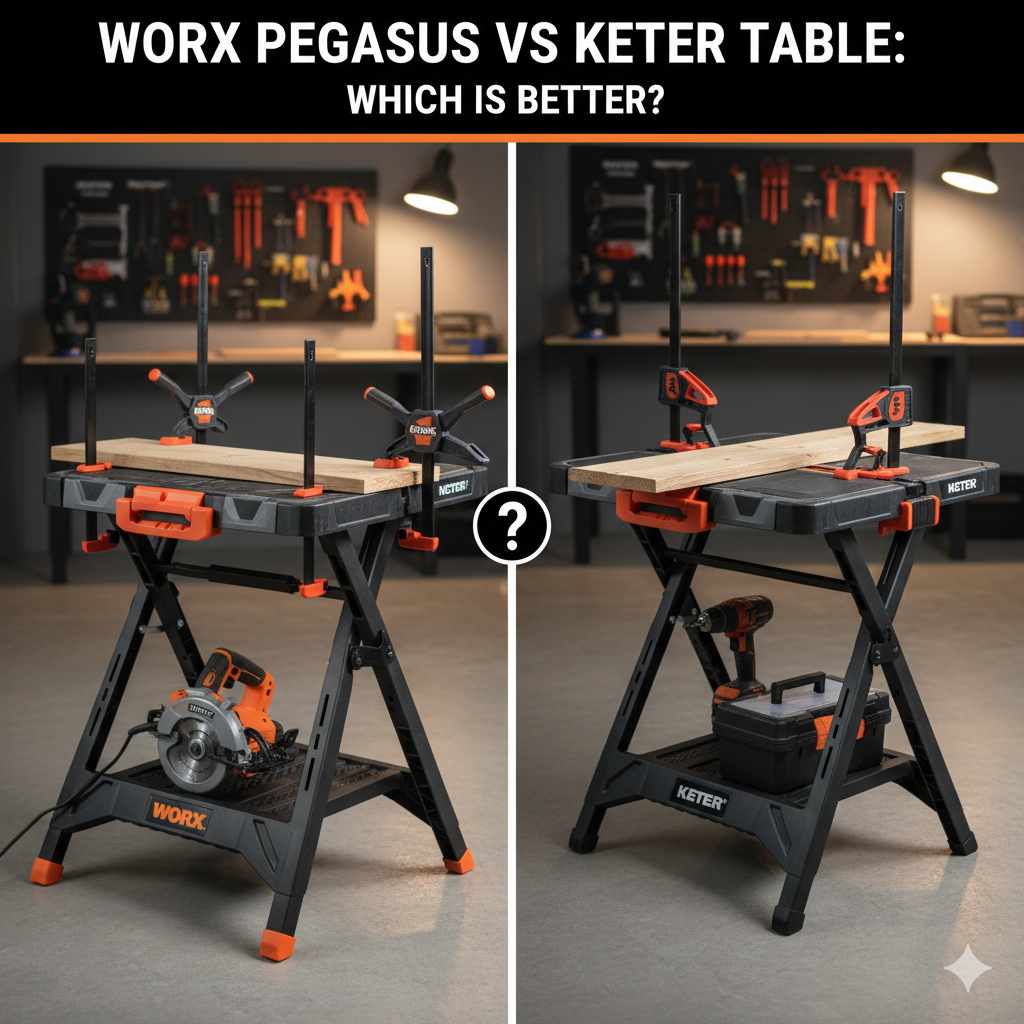
The Worx Pegasus and Keter Folding Work Table are both designed for portability and light-duty tasks. Your choice depends on specific needs like workspace size, weight capacity, and extra features. The Pegasus offers a larger work surface and more built-in features. The Keter is often praised for its compact fold and simplicity.

WORX
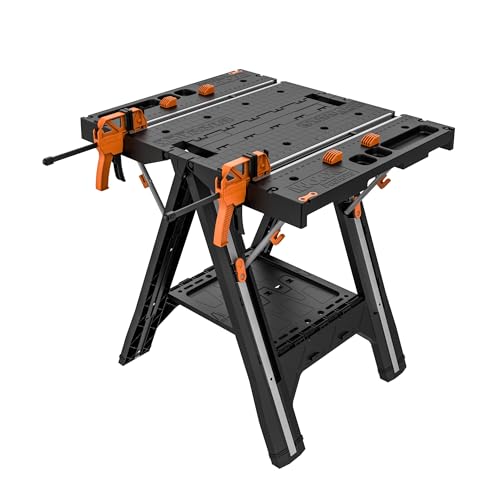
WORX Portable Folding Workbench, 2-in-1 Pegasus Table…
- FOLD AND GO: More than just a workbench for garage use, the Pegasus goes anywhere you need extra support . It’s easy to pop open f…
- TWO-IN-1 DESIGN: Seamlessly transition between a workbench and a sawhorse to tackle projects of all sizes
- HEAVY-DUTY SUPPORT: As a portable workbench, it offers a high load-bearing capacity up to 300 lbs. As a sawhorse, it supports an i…
As an Amazon Associate I earn from qualifying purchases.
Understanding Portable Workbenches
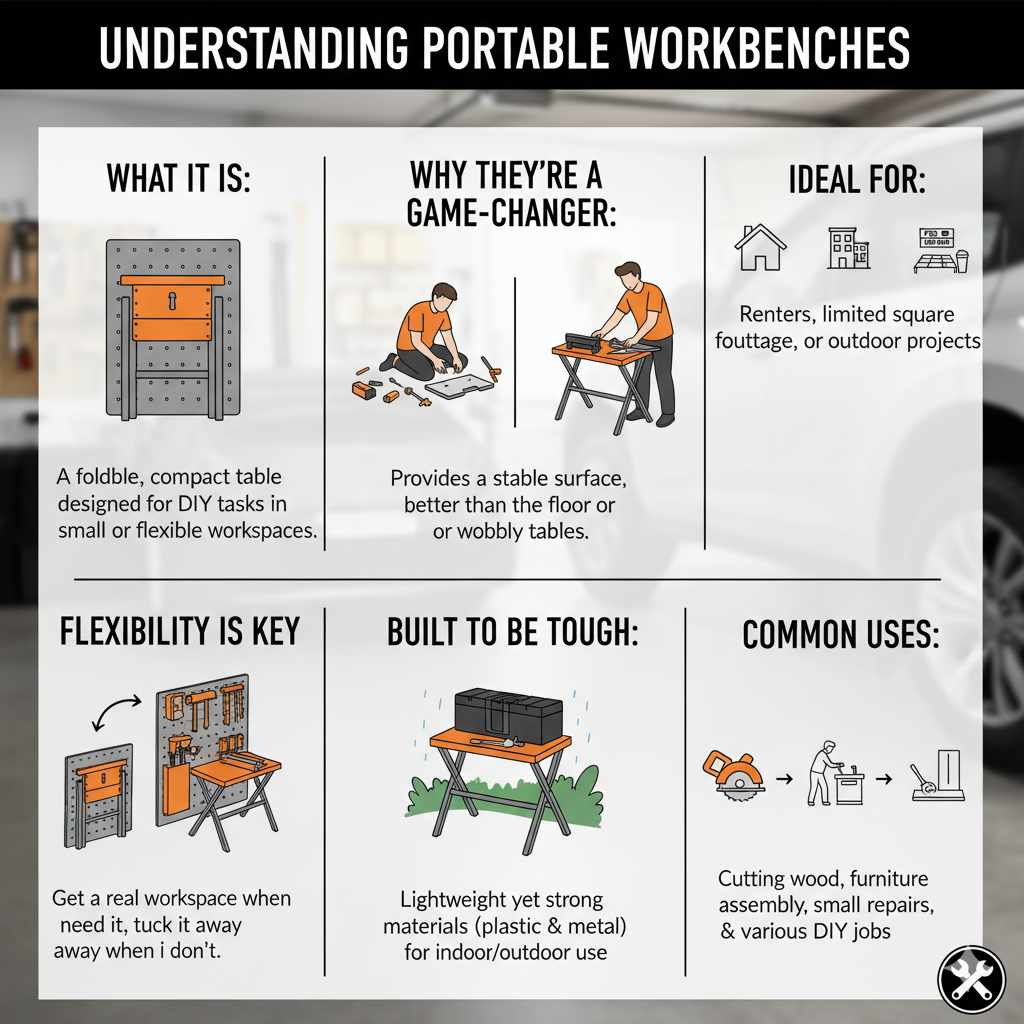
A portable workbench is a game-changer for small spaces or for folks who move their workspace around. Think of a garage that doubles as a car spot. Or a basement workshop that needs to make room for other things.
These tables fold up. They usually don’t take up much space when stored. They are built to be tough enough for common DIY jobs.
This includes tasks like cutting wood, assembling furniture, or doing small repairs. They provide a flat, stable surface. This is way better than working on the floor or a wobbly card table.
The main idea is flexibility. You get a real workspace when you need it. Then, it tucks away neatly when you don’t.
This is perfect for renters or anyone with limited square footage. It also suits people who like to work on their deck or in the backyard sometimes. The design focus is on being lightweight but strong.
They use materials like plastic and metal. This helps keep the weight down. It also makes them more resistant to weather.
This means you can use them inside or outside.
My First Workbench Fiasco
I remember my early DIY days. I had a tiny one-car garage. Every weekend was a Tetris game.
I’d pull out my old, wobbly sawhorse setup. It was just two old pieces of wood on some metal legs. It was okay for some things.
But one day, I was trying to cut a long piece of plywood. I had to have my neighbor help me hold it steady. It felt so clumsy.
Then, the plywood slipped! Thankfully, no one was hurt. But it scared me.
I realized I needed a proper, stable surface. One that could handle longer pieces and offer more support. I felt that little pang of regret.
I should have invested in a good portable workbench sooner. It would have made things so much safer and easier. That experience really stuck with me.
It taught me the value of having the right tools, even for basic tasks.
Worx Pegasus: Key Features and What They Mean
Large Work Surface: The Pegasus boasts a generous work area. This is great for bigger projects. You can lay out larger boards.
You can even place a miter saw on it. It often comes with built-in features that help secure your work. This means less fumbling around.
Integrated Clamps: Many Pegasus models include slots or channels. These help you hold your workpiece. You can often use standard quick clamps with these.
This is a huge plus for stability. It keeps your materials from shifting. It makes cuts cleaner and safer.
Tool Holders: You’ll often find built-in spots for tools. This means your drill, saw, or other items are close by. They are organized and off the main work surface.
This keeps your workspace clear. It helps you work faster.
Weight Capacity: It’s designed to hold a good amount of weight. Check the specs, but it’s usually strong enough for most home DIY tasks. This means it won’t buckle under pressure.
Worx Pegasus Overview
The Worx Pegasus is a popular choice. It offers a lot of bang for your buck. Think of it as a versatile workhorse.
It’s designed to do more than just be a flat surface. It often comes with clever features. These are built to make your projects smoother.
One of the standout things is its size. It provides a large, stable platform. This is really important when you’re dealing with bigger pieces of wood or materials.
Many users love how it feels sturdy. It doesn’t wobble much, even when you’re cutting or drilling.
What really sets it apart are the integrated clamping systems. These aren’t just simple slots. They often work with Worx’s own clamp system or standard clamps.
This lets you lock down your material. It’s a big deal for safety and precision. Cutting straight lines or drilling accurate holes becomes much easier.
It feels much more professional. Plus, it often has tool storage built right in. This means your drills, bits, or other small tools are right where you need them.
They’re not scattered around. This keeps your main work area clear. This helps you focus on the task at hand.
It also folds up relatively flat for storage. This makes it practical for garages or sheds.
The materials used are tough plastic and metal. This makes it durable. It can handle some rough use.
It’s also designed with legs that can be adjusted on uneven ground. This is a thoughtful touch. It ensures your workbench stays level.
This is crucial for accuracy and safety. It often comes with an accessory kit too. This might include things like clamps or other helpful bits.
These extras add to its value. It’s a system designed to help you get more done.
Keter Folding Work Table Overview
The Keter Folding Work Table is another strong contender. It often appeals to people looking for simplicity and extreme portability. Think of it as a straightforward, reliable surface.
Its main selling point is how easily it folds and stores. It’s often praised for being very lightweight. This makes it super easy to carry.
If you move your work area often, this is a big plus. It might be from the garage to the yard, or even to a friend’s house for a project.
When you set it up, it provides a decent work surface. It’s usually a bit smaller than the Worx Pegasus. But for many common tasks, it’s perfectly adequate.
It’s sturdy enough for general assembly, painting, or light cutting. The mechanism for setting it up and taking it down is usually very simple. This means you can go from stored to ready-to-use in just a minute or two.
This speed is great when you just need a quick spot to work. It often includes basic features. These might be small notches to help hold materials.
But it typically doesn’t have the advanced clamping systems found on the Pegasus.
The Keter is made from durable plastic. This makes it resistant to weather and easy to clean. It’s a practical choice for outdoor use.
It also has a good weight capacity for its size. It’s designed to be stable enough for its intended tasks. While it might not have all the bells and whistles, its strength lies in its ease of use and storage.
It’s a no-fuss option. It gets the job done without being complicated. For someone who needs a basic, portable workstation, the Keter is a solid choice.
Quick Comparison: Worx Pegasus vs. Keter Table
Work Surface Size: Pegasus is usually larger. Keter is typically smaller.
Portability: Keter is often lighter and folds more compactly.
Features: Pegasus has more built-in features like advanced clamping. Keter is simpler.
Durability: Both are made of durable plastic and metal. Both are built for home use.
Weight Capacity: Both offer good capacity for their size. Check specific models for exact numbers.
The “Work Surface” Showdown
Let’s talk about the main event: the work surface. This is where you do all your magic. The Worx Pegasus generally offers a larger surface area.
This means you can spread out more. If you’re working with large sheets of plywood, long boards, or multiple components for an assembly, this extra space is a lifesaver. It reduces the need to constantly reposition your work.
It gives you room to lay out your tools and materials. This makes the workflow much smoother. You can even often fit a miter saw or other larger tools on its surface.
This makes it a more central workstation.
The Keter Folding Work Table usually has a more modest work surface. It’s perfectly adequate for many tasks. Think of cutting smaller pieces of wood, sanding, or assembling smaller items.
If your projects are generally not too large, the Keter’s surface will be just fine. The key difference here is scale. If you frequently work with big materials, the Pegasus wins.
If your projects are usually smaller, the Keter’s size is manageable and contributes to its overall portability.
Beyond just the size, think about the texture and the integrated features. Both offer stable surfaces. The Pegasus often has more intricate designs.
These are meant to help you secure your work. This can include specific grooves or channels. These are designed to work with clamps.
This makes it feel more like a professional setup. The Keter’s surface is usually simpler. It might have a few notches or edges.
These offer basic support. But they don’t offer the same level of integrated clamping power. So, for precision work or when you need materials locked down tight, the Pegasus has an edge.
When Is a Bigger Work Surface Better?
- Cutting large sheets of plywood or MDF.
- Assembling furniture with many parts.
- Using a miter saw or other larger power tools.
- Spreading out multiple materials at once.
- Projects where you need ample space for measurement and layout.
Portability and Storage: The Space Savers
This is where the decision can really swing. How easy is it to move and store your workbench? The Keter Folding Work Table is often a champion here.
It’s designed to be lightweight. It folds down quite flat. Many models have carrying handles.
This makes them super easy to grab and go. If you have a small apartment or a very crowded garage, this is a huge advantage. You can tuck it away in a corner, slide it under a bed, or lean it against a wall.
Its compact size when folded is a major selling point for many.
The Worx Pegasus is also portable and foldable. It’s not heavy, but it can be a bit bulkier when folded compared to the Keter. Its design prioritizes stability and features, which can sometimes add a little to its folded dimensions.
It still folds down for easier storage. You can store it in a garage, shed, or closet. It’s manageable for most homes.
However, if absolute minimal storage footprint is your top priority, the Keter might have a slight edge. Think about how often you’ll be moving it. If it’s just from the garage to the driveway, either will work.
If you’re carrying it up and down stairs or moving it frequently between different rooms or even outdoors, the Keter’s lighter weight and sleeker fold might be more appealing.
Consider the setup and takedown time as well. Both are designed for quick assembly. But the Keter’s simpler design often means an even faster deployment.
You might just unfold the legs and lock them into place. The Pegasus also has a straightforward process. But sometimes, the more complex features can add an extra step.
For someone who needs to set up and pack away repeatedly throughout the day, this can matter. For most home users, both are quick enough. It’s really about that last mile of portability and how small it can get when it’s put away.
Storing Your Workbench: Top Tips
- Vertical Storage: Lean it against a wall in your garage or shed.
- Underneath: If it folds flat enough, slide it under a workbench or shelving unit.
- Behind Furniture: In a closet or spare room, it can often fit behind other items.
- Keep it Clean: Wipe it down before storing to prevent dust and grime build-up.
- Check for Obstructions: Make sure no tools or materials are left on it before folding.
Integrated Clamping and Holding Power
This is a big one for serious DIYers. How well can you secure your materials to the workbench? The Worx Pegasus really shines here.
It often comes with or is designed to work with advanced clamping systems. You’ll find slots and channels that help you position clamps. These clamps can grip your workpiece firmly.
This is crucial for accurate cuts, drilling, and assembly. When your wood is locked down, it doesn’t move. This means cleaner cuts with a saw.
It means precise holes with a drill. It reduces the risk of errors and accidents. Some models even include quick-release clamps that integrate directly into the table.
These integrated clamping features are a huge step up from a basic table. They allow you to perform tasks that might be difficult or impossible on a simpler workbench. You can keep your hands free to operate tools, rather than trying to hold the material in place.
This extra security is invaluable. It transforms the workbench from just a surface into a functional workstation. It allows for more complex and precise woodworking or crafting projects.
You feel more confident tackling tougher jobs.
The Keter Folding Work Table typically offers a more basic approach to holding materials. You might find some notches or edges on the surface. These can help stabilize pieces slightly.
Some models might have simple pre-drilled holes. You could potentially add your own clamps. But there are usually no dedicated, integrated clamping solutions like you find on the Pegasus.
For simple tasks, this is perfectly fine. If you’re just screwing two pieces of wood together, it works. But if you need to make precise cuts or ensure absolute stability for a delicate operation, you might find yourself wishing for more holding power.
You might need to buy separate clamps and find creative ways to use them.
Myth vs. Reality: Workbench Clamping
Myth: You can always just use regular clamps on any surface.
Reality: Integrated clamping systems are much more effective. They provide better control and stability. They are designed to work with the table’s structure, offering superior grip.
Myth: Clamps are only for advanced users.
Reality: Even for basic projects, clamps improve safety and accuracy. They prevent materials from slipping.
Build Quality and Durability
When you’re investing in a tool like a workbench, you want it to last. Both Worx and Keter are known for producing reasonably durable products for their price points. The Worx Pegasus is typically constructed with sturdy plastic and metal components.
The legs are usually robust. The main surface is designed to withstand the rigors of DIY work. It’s made to resist scratches, impacts, and general wear and tear.
The folding mechanisms are generally well-built. This means they should hold up over time with regular use.
Keter also uses durable plastics. These are often impact-resistant and UV-stable, meaning they won’t degrade quickly if exposed to sunlight. Their folding tables are designed for repeated opening and closing.
The mechanisms are typically simple and strong. For their intended purpose as portable, home-use workbenches, both brands offer good durability. You won’t get the same heavy-duty construction as a professional woodworking bench.
But for home DIY, they are built to last.
What can affect durability? Overloading the workbench is a common mistake. Always check the weight capacity for the specific model you’re considering.
Exceeding this can damage the legs or the surface. Also, how you store it matters. Leaving it out in harsh weather for extended periods can degrade the plastic.
Rough handling during transport can also cause damage. By treating either workbench with reasonable care, you can expect it to serve you well for many years. The Pegasus, with its slightly more complex design, might have more points of articulation.
This could theoretically be more points of wear. But in practice, both are generally reliable.
Ease of Setup and Takedown
Nobody wants to spend a lot of time wrestling with their workbench. Both the Worx Pegasus and the Keter Folding Work Table are designed for quick setup. The Keter often takes the crown for pure simplicity.
You might just flip the legs down, lock them, and you’re ready to go. It’s very intuitive. This speed is fantastic if you’re short on time or just need a surface for a quick job.
It’s the kind of table you can deploy in under a minute.
The Worx Pegasus also has a user-friendly setup. The legs usually fold out and lock securely. If it has integrated features like clamp slots, these are ready immediately.
The process is straightforward. However, sometimes the more advanced features can add a small extra step or two. For example, ensuring all locking mechanisms are fully engaged might require a little more attention.
But overall, it’s still very fast. We’re talking a couple of minutes at most for either table. This is what makes them truly portable.
They are ready when you are.
Think about the storage aspect too. Folding them down is usually just as quick as setting them up. You release the locks, fold the legs, and secure the unit.
Again, the Keter might feel slightly simpler due to fewer components. But the Pegasus also folds down neatly. The ease of use here means you’re more likely to actually use the workbench.
If it’s a hassle to set up, you might just skip it. Both of these options make it easy to get to work.
Setting Up Your Workbench: A Quick Guide
1. Clear Space: Ensure you have enough room to open and use the table.
2. Unfold Legs: Gently pull the legs outward until they lock into place.
3. Check Stability: Give the table a slight nudge to make sure it’s steady.
4. Engage Clamps (if applicable): If your table has integrated clamps, make sure they are ready.
5. Start Working: You’re all set!
Real-World Scenarios
Imagine you’re a weekend warrior. You have a small garage. You love building shelves, fixing bikes, or doing small woodworking projects.
You need a space to cut wood, drill holes, and assemble things. You don’t have room for a permanent workbench. You might set up your Keter table in the driveway on a Saturday morning.
You cut your pieces, sand them down. Then, you fold it up and put it away before dinner. It’s quick, easy, and gets the job done without taking over your space.
Now, picture yourself as a DIY enthusiast who’s tackling something a bit more involved. Maybe you’re building a custom cabinet or assembling a complex piece of furniture. You need to make precise cuts.
You need to hold pieces steady for drilling. You’re using a miter saw for some angled cuts. In this case, the Worx Pegasus would be fantastic.
You can lock down your wood securely. The larger surface allows you to manage longer boards. You can even set up your miter saw on it.
This provides a stable, dedicated station for a more demanding project. It feels professional and safe.
Or maybe you’re a crafter. You do a lot of scrapbooking, model building, or other detailed work. You need a clean, flat surface.
You also need to keep your small tools organized. A simpler table like the Keter might be perfect for this. It provides a clean space.
You can lay out your supplies. If you need to cut paper or small pieces of material, it’s ideal. For someone doing intricate painting or gluing, the ease of cleaning the Keter is also a bonus.
It really comes down to the scale and complexity of what you plan to do.
Choosing Based on Your Project Type
Light Assembly & Repairs: Keter is often sufficient. Quick setup, easy storage.
Woodworking (small to medium projects): Pegasus offers more stability and clamping. Better for precise cuts.
Large Sheet Material Work: Pegasus’s larger surface is a significant advantage.
Crafting & Detailed Work: Keter’s simplicity and clean surface can be ideal.
Using Power Tools (Miter Saw, etc.): Pegasus generally provides a more secure platform.
What About the Accessories?
Accessories can really boost the usefulness of any tool. The Worx Pegasus often comes with accessories or has them readily available. These might include specific types of clamps designed to fit into the table’s channels.
Some packages might even include extra tool holders or dividers. These accessories are designed to enhance the functionality of the workbench. They help you make the most of its features.
Having the right clamps that fit perfectly means you can secure your work much more effectively. This leads to better results and fewer frustrations.
The Keter Folding Work Table is usually simpler. It might come with basic instructions and perhaps a small accessory for setup. The focus is on the table itself.
If you need more advanced features, you’ll likely have to source them yourself. This means buying separate clamps, saw horses, or other supports. While this gives you flexibility to choose exactly what you want, it also means additional cost and a bit more effort.
For some users, this is fine. They prefer to customize their setup. For others, having integrated features is more convenient.
When comparing, consider not just the table itself, but what comes with it or what easily integrates. The Worx Pegasus, with its system-oriented design, often feels more complete out of the box if you’re looking for those advanced features. The Keter, on the other hand, is a solid base.
You can build upon it if you wish. But its core strength is its simple, functional design. Think about your budget.
Sometimes a table with fewer built-in accessories is less expensive. But then you need to factor in the cost of any add-ons you might need. The overall value depends on what you plan to do with it.
When Is It Normal, and When Should You Worry?
It’s good to know what to expect from your portable workbench. For both the Worx Pegasus and the Keter table, a little bit of wobble is normal when you first set them up. This is especially true if your floor isn’t perfectly level.
The legs are usually designed to adjust slightly. You might need to position them carefully. But if the table shakes violently when you lean on it, or if the legs feel like they might buckle, that’s a cause for concern.
Cracks in the plastic are also not normal. While plastic can get scratched, major cracks indicate a potential defect or that the table has been overloaded or mishandled. The folding mechanisms should operate smoothly.
If they feel extremely stiff, sticky, or like they might break, that’s a warning sign. Check the weight capacity. This is crucial.
If you’re putting a very heavy tool or material on the table, and it starts to sag or look stressed, stop. You are likely exceeding its limits.
For the Worx Pegasus, pay attention to the locking mechanisms for the legs and any integrated clamp systems. If they don’t engage securely, your work won’t be stable. For the Keter, focus on the basic leg stability and the smooth operation of the fold.
If either table shows signs of significant structural weakness, or if the primary function of providing a stable work surface is compromised, it’s time to investigate. This might mean contacting the manufacturer for support or considering a replacement. A safe workbench is paramount for any DIY project.
Quick Fixes and Tips
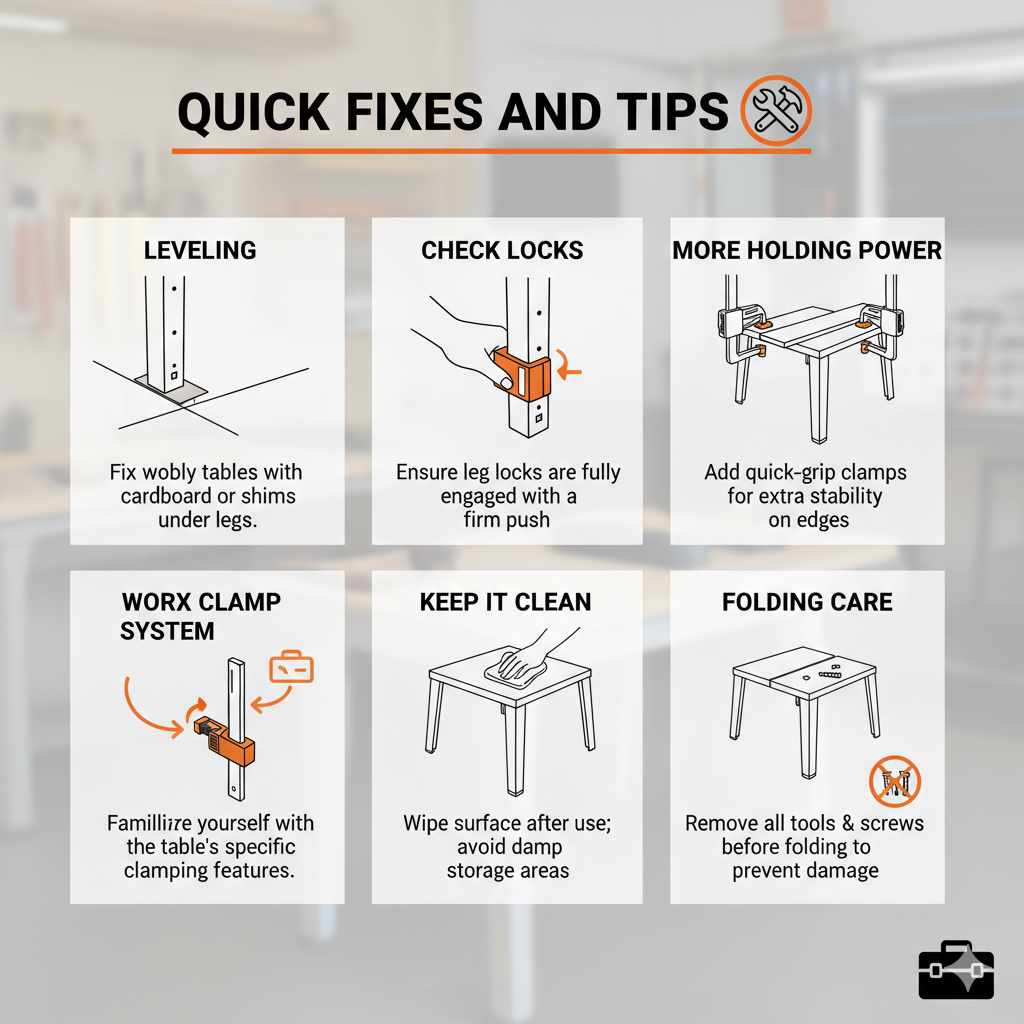
Sometimes, a few simple adjustments can make a big difference. If your portable workbench feels a little wobbly, check the floor. Is it uneven?
Try placing a thin piece of cardboard or a rubber shim under one of the legs. This can often level it out. Make sure all the locking mechanisms for the legs are fully engaged.
Sometimes they just need a firm push to click into place.
If you find yourself needing more holding power on either table, consider buying a good set of quick-grip clamps. You can often find ways to use them with the table’s edges or by adding your own simple jigs. For the Worx Pegasus, familiarize yourself with its specific clamping system.
Watch a quick video if needed. Understanding how to use those features makes a huge difference.
Keep your workbench clean. Wipe down the surface after each use. This prevents dirt and debris from building up.
It makes it easier to set up next time. Also, avoid storing it in damp areas if possible. This can help prolong the life of the plastic components.
When folding it away, make sure no tools or screws are left on the surface. This can damage the surface or the folding mechanism. Simple care and attention make your portable workbench much more useful and longer-lasting.
Workbench Care Checklist
After Use:
- Wipe down the surface.
- Check for any loose parts.
- Remove all tools and materials.
Before Storing:
- Ensure it’s completely dry.
- Fold legs securely.
- Store in a dry, protected area.
Frequently Asked Questions
What is the primary difference between the Worx Pegasus and the Keter Folding Work Table?
The primary difference is often in their features and work surface size. The Worx Pegasus usually offers a larger work area and more integrated clamping features. The Keter table is typically more compact, lighter, and focuses on simplicity and extreme portability.
Which workbench is better for heavy-duty tasks?
For heavy-duty tasks, the Worx Pegasus is generally a better choice. Its larger work surface, stronger build, and integrated clamping system provide more stability and support for demanding projects. However, always check the specific weight capacity for each model.
Can I use my own clamps with the Keter Folding Work Table?
Yes, you can often use your own clamps with the Keter table. While it doesn’t have the same integrated clamping channels as the Pegasus, you can usually find ways to secure materials using the table’s edges or by improvising with standard clamps.
How much weight can these portable workbenches typically hold?
Weight capacities vary by model. The Worx Pegasus often supports several hundred pounds (e.g., 300-500 lbs). The Keter Folding Work Table might have a slightly lower capacity, often in the 200-300 lb range. Always refer to the manufacturer’s specifications for the exact numbers.
Is the Worx Pegasus difficult to set up compared to the Keter?
Both are designed for easy setup. The Keter is known for its extreme simplicity, often taking just seconds. The Worx Pegasus is also very quick, but its additional features might involve one or two extra steps to ensure everything is locked in place securely.
Which workbench is better for small apartments or limited storage space?
For very limited storage space and maximum portability, the Keter Folding Work Table is often preferred. Its lighter weight and more compact folded size make it easier to store in tight areas.
Final Thoughts
Deciding between the Worx Pegasus and the Keter Folding Work Table really boils down to your specific needs. If you need a larger workspace with advanced features for more demanding DIY projects, the Pegasus is likely your winner. It offers more stability and built-in help for securing materials.
If your priority is absolute ease of transport, quick setup, and minimal storage footprint, the Keter is a fantastic choice. It’s simple, light, and gets the job done without fuss. Both are solid options for home use.
Think about your typical projects. Consider the space you have. This will guide you to the best workbench for your home.
Related pick: Check today's price on Amazon
Products related to this article
Sponsored / affiliate links. As an Amazon Associate I earn from qualifying purchases. I may earn additional commission from eligible campaigns.