How To Remove Cat Hair From A Sofa Fast
Effectively removing cat hair from a sofa involves a few key techniques. These include using the right tools like lint rollers, rubber gloves, or a damp sponge, followed by a good vacuuming. Regular grooming of your cat also helps reduce shedding onto furniture.
Understanding the Furry Challenge
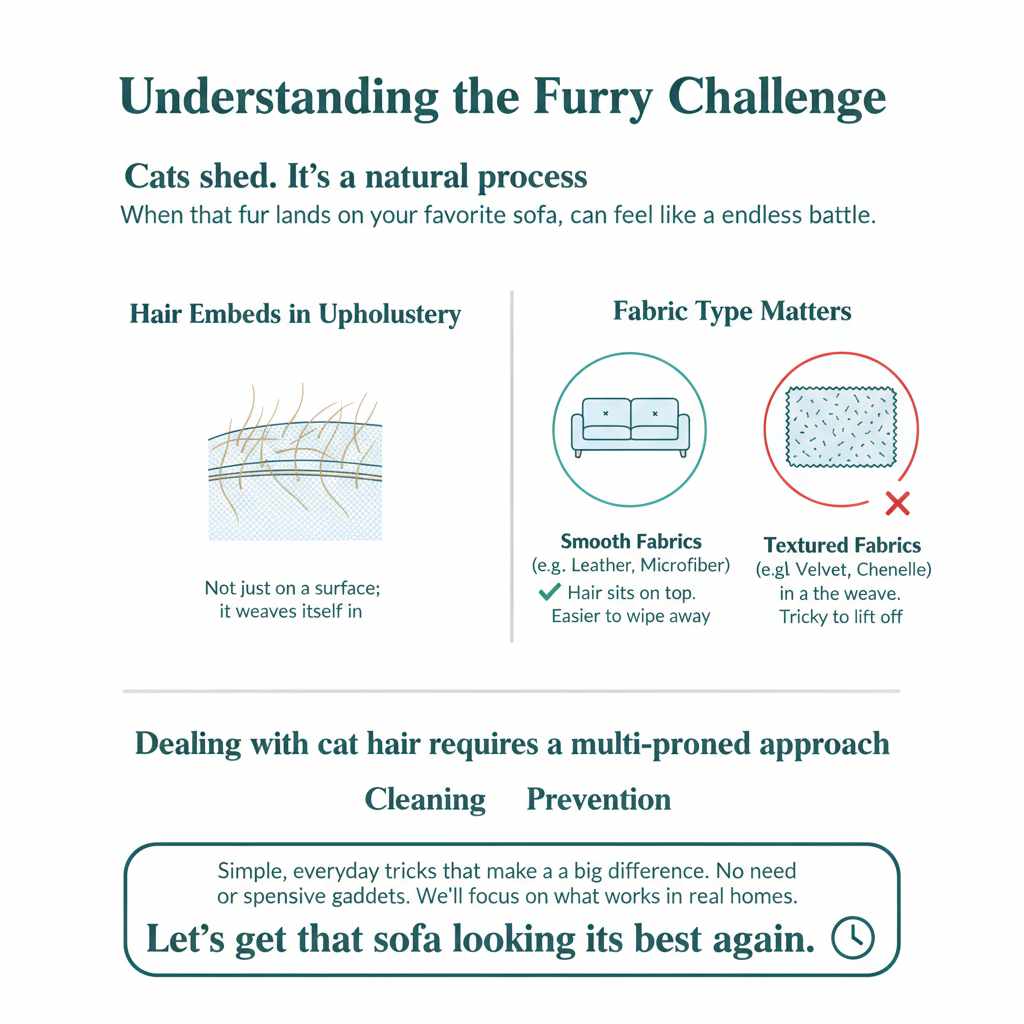
Cats shed. It’s a natural process. Their fur helps regulate body temperature and protects their skin.
But when that fur lands on your favorite sofa, it can feel like an endless battle. Different cat breeds shed more than others. Long-haired cats might leave longer strands, while short-haired cats can leave a denser carpet of fine hairs.
This hair embeds itself into upholstery fibers. It’s not just on the surface; it weaves itself in.
The type of fabric your sofa is made of also plays a big role. Smooth, tightly woven fabrics like leather or microfiber might let hair sit on top. This makes it easier to wipe away.
However, textured fabrics like velvet, chenille, or heavily woven cotton can grab and hold onto fur like static cling. The hairs get caught in the weave, making them tricky to lift off. This is why some sofas seem to attract more cat hair than others.
Dealing with cat hair on your sofa requires a multi-pronged approach. It’s not just about cleaning; it’s also about prevention. We’ll explore both.
You’ll learn simple, everyday tricks that make a big difference. No need for special, expensive gadgets. We’ll focus on what works in real homes, using tools you likely already have or can get easily.
Let’s get that sofa looking its best again.
My Sofa, the Cat Hair Magnet
I remember one particularly frustrating Saturday. I had guests coming over in a few hours. My usually pristine living room sofa looked like a furry haven for my ginger tabby, Marmalade.
He loves to nap there. He’d clearly had a good long sleep. I’d brushed him that morning, or so I thought.
But the sofa was covered. It was a thick, orange fuzz. I tried just wiping it with my hand.
That just smeared it around.
Then I grabbed a wet cloth. It picked up some hair, but it also made the fabric damp. And it left wet streaks.
I felt a wave of panic. How was I going to get this off in time? I tried vacuuming, but my regular vacuum cleaner attachments just sort of pushed the finer hairs deeper into the fabric.
It wasn’t lifting them. The more I tried, the more I felt like I was making it worse. It was a tiny, furry disaster unfolding in my living room.
My guests would arrive any minute!
Common Sofa Fabrics & Their Hair Attraction
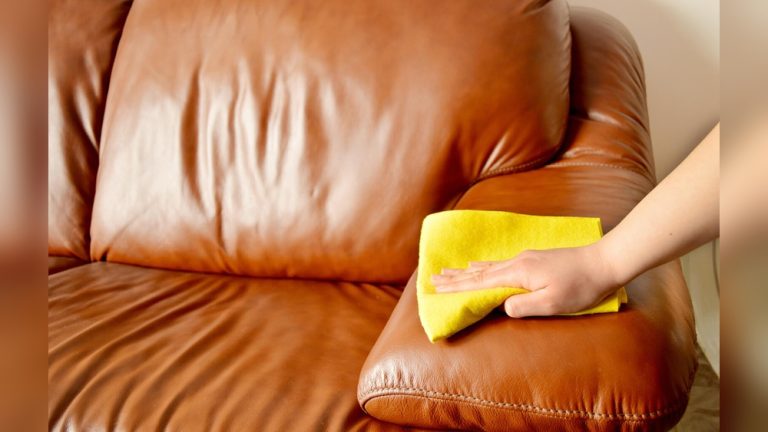
Leather: Generally easy to clean. Hair often sits on top and can be wiped away.
Microfiber: Smooth texture helps. Hair can be removed with rubber gloves or lint rollers.
Velvet: Can be tricky. The plush fibers trap hair deeply.
Chenille: Similar to velvet, its textured weave holds onto fur well.
Cotton/Linen Blends: Can vary. Tightly woven ones are better; looser weaves grab more hair.
Tools of the Trade: Your Cat Hair Removal Arsenal
Before we dive into the methods, let’s talk about your tools. You don’t need a whole new set of cleaning supplies. Many effective solutions are already in your home.
Or they are very inexpensive. Having a few key items on hand makes the job much faster and easier. Think of these as your secret weapons against the fur invasion.
Rubber Gloves: This might sound odd, but it’s a game-changer. Dampen a pair of household rubber gloves. Then, simply run your gloved hands over the sofa.
The friction and the slight moisture cause the cat hair to clump together. These clumps are easy to pick up and discard. It works surprisingly well on most fabric types.
It’s a simple, effective method that costs almost nothing if you already have gloves.
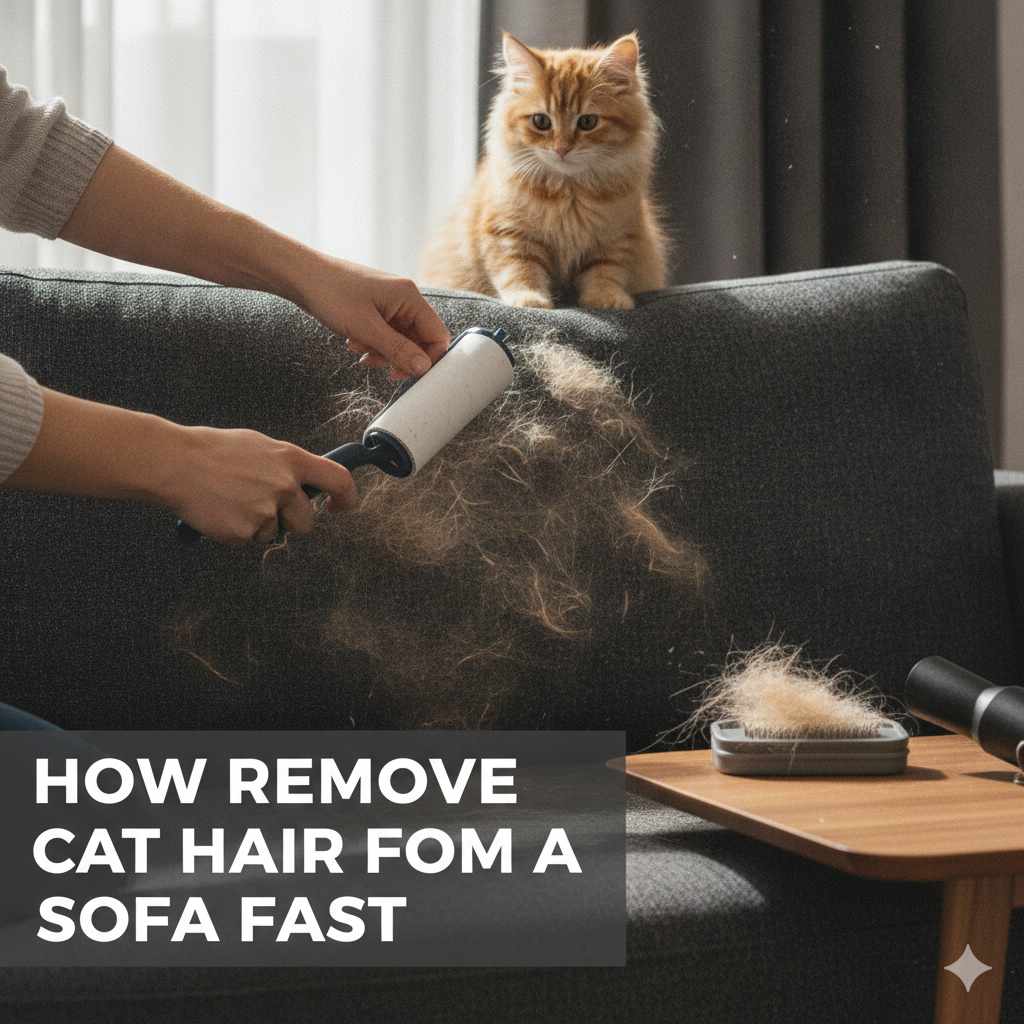
Lint Rollers: The classic choice for a reason. There are sticky paper lint rollers and reusable gel or silicone ones. For heavy shedding, the sticky paper ones are great.
You just peel off a layer when it’s full of hair. Reusable ones can be rinsed and used again. Keep one handy by your sofa for quick touch-ups.
They are especially good for clothing, but they work on furniture too.
Damp Sponge or Microfiber Cloth: A slightly damp sponge or a good quality microfiber cloth can work wonders. The moisture helps attract and clump the hair. Wipe in one direction across the fabric.
You’ll see the hair gather. Rinse the sponge or cloth often. Be careful not to over-wet your sofa, especially if it’s a fabric that stains easily.
Just a light dampness is all you need.
Vacuum Cleaner with Attachments: Your vacuum is a powerful tool, but you need to use it right. A standard brush head might not be enough. Look for upholstery attachments or a specialized pet hair attachment.
These often have rubber or silicone bits that help lift embedded fur. Make sure to vacuum in multiple directions. This helps dislodge hairs trapped in the weave.
Squeegee: A window squeegee can be surprisingly effective. Drag the rubber edge across the fabric. It works on a similar principle to the rubber gloves, gathering hair into piles.
This is especially good for flat, upholstery fabrics. It requires a bit of elbow grease, but it can pull up a lot of embedded fur.
Quick-Scan: Best Tools for Cat Hair Removal
- Rubber Gloves (damp): Clumps hair effectively.
- Lint Rollers (sticky): Great for quick touch-ups.
- Damp Sponge/Cloth: Good for light to moderate hair.
- Pet Hair Vacuum Attachment: Powerful for deep cleaning.
- Squeegee: Works well on flat fabrics.
The Power of Prevention: Less Hair, Less Hassle
The best way to deal with cat hair on your sofa is to prevent it from getting there in the first place. This might sound obvious, but there are a few things you can do. Regular grooming is number one.
If your cat sheds a lot, brushing them daily can significantly reduce the amount of fur that ends up on your furniture. Use a good quality brush designed for your cat’s coat type.
For my ginger Marmalade, I use a deshedding tool. It looks a bit intimidating, but it works wonders. It reaches down to his undercoat and pulls out loose hairs before they can escape.
He actually seems to enjoy it. Make grooming a positive experience for your cat. Offer treats and praise.
This way, they’ll tolerate it better, and you’ll see a real difference in shedding.
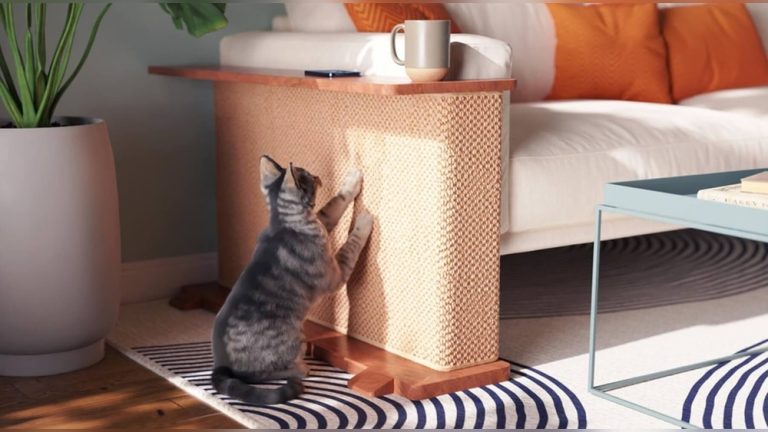
Consider designated cat spots. If your cat has comfy beds or favorite blankets in other areas, they might be less inclined to claim the sofa as their primary napping zone. You can also try placing a throw blanket over your sofa.
This blanket will catch most of the hair. It’s much easier to wash a blanket than to deep-clean your sofa upholstery. Choose a material that doesn’t attract too much static cling.
Air purifiers can also help. While they won’t stop shedding, they can capture airborne fur and dander. This means less settles on your surfaces.
Regular vacuuming of the floors, especially around the sofa, also helps. It prevents loose hairs from getting kicked back up onto the furniture. These small steps add up.
They make a big difference over time in keeping your sofa cleaner.
Step-by-Step: Removing Hair with Rubber Gloves
This is one of my go-to methods. It’s quick, effective, and uses something most people already have. You’ll need a pair of rubber gloves, like the kind you use for washing dishes.
You might also want a trash can nearby. First, put on the gloves. Make sure they fit snugly but are comfortable.
Now, lightly dampen the gloves with water. You don’t want them dripping wet, just slightly moist.
Start by wiping your gloved hands across the sofa. Use firm, sweeping motions. Work in sections.
You’ll notice the hair starting to gather and clump together. It’s like magic, but it’s just science. The rubber creates friction, and the moisture helps the hairs stick to your glove.
Continue wiping, gathering the clumps. Rinse your gloves as they get full of hair. Then, wring them out and continue.
Pay attention to crevices and seams. These areas often hold the most hair. You can use your fingers to get into these tight spots.
Once you’ve gone over the entire sofa, you should have a pile of collected cat hair. Simply pick up these clumps and throw them away. This method is fantastic for all sorts of upholstery fabrics.
It’s my first choice for a quick clean-up before guests arrive.
Rubber Glove Method in a Nutshell
What you need: Household rubber gloves, water, trash can.
Steps:
- Put on gloves.
- Lightly dampen gloves.
- Wipe hands across sofa in sweeping motions.
- Gather clumps of hair.
- Rinse gloves as needed.
- Dispose of collected hair.
The Vacuum Cleaner Strategy: Getting the Deep Stuff
While manual methods are great for surface hair, your vacuum is essential for deep cleaning. Not all vacuums are created equal when it comes to pet hair. If you have a modern vacuum cleaner, it likely has specialized attachments.
The most important one is the upholstery tool. Some have rubberized edges or bristles designed to lift hair.
Before you start, check your sofa for any loose items. Then, begin vacuuming. Start at the top of the sofa and work your way down.
Use overlapping strokes. Vacuum in different directions. This is key.
Hair can get caught in the weave from various angles. Going against the usual direction can help dislodge it.
For stubborn areas, like the arms or the back where cats love to rub, you might need to go over them a few times. Use the crevice tool for those hard-to-reach spots. It fits into the seams and edges of cushions.
Make sure to empty your vacuum cleaner’s dustbin or bag afterward. Pet hair can quickly clog up a vacuum, reducing its effectiveness. A clean filter also helps a lot.
I found that using my vacuum’s pet hair attachment on a medium suction setting worked best for my chenille sofa. High suction sometimes just pressed the hair into the fabric. The attachment’s rubber fins were what really did the trick.
They lifted the fur out so the vacuum could suck it up. It took a bit longer than the rubber glove method, but it got out hairs I didn’t even see.
Vacuuming Tips for Pet Hair
Use the right attachment: Upholstery tool or pet hair brush.
Vacuum in multiple directions: Up, down, sideways.
Overlap strokes: Ensure full coverage.
Use crevice tool: For seams and edges.
Empty the bin/bag: Maintain suction power.
Clean filters: Improves efficiency.
When Fabrics Fight Back: Tackling Tricky Materials
Some sofa fabrics are just notorious for holding onto cat hair. Velvet and chenille are common culprits. Their soft, deep pile can trap hair like a magnet.
For these materials, you need to be a bit more strategic. The rubber glove method is still a good starting point. It will help gather the surface hair.
After using the gloves, you might find that some hair is still embedded. This is where a stiff-bristled brush or a specialized pet hair brush for upholstery can help. Use short, firm strokes.
Brush in one direction. This can help lift the hairs that are stuck deep in the fibers. You’ll then need to go back over it with a lint roller or your vacuum to pick up the loosened hair.
I have a velvet armchair that Marmalade adores. Initially, I thought it was a lost cause. The hair just seemed to vanish into the nap.
But I discovered that a damp microfiber cloth, followed by a dedicated pet grooming brush (the kind with fine metal bristles), works wonders. I brush in the direction of the nap, and then I use the cloth to wipe away the loosened fur. It’s a bit more work, but it restores the chair’s look.
For very delicate fabrics, always test any cleaning method in an inconspicuous spot first. You don’t want to cause damage. If you’re unsure, it’s best to stick to gentler methods like a lint roller or a very lightly dampened cloth.
Avoid harsh scrubbing. Patience is key with these tougher fabrics. You might need to repeat steps.
Quick Tricks for Instant Refresh
Sometimes, you just need a quick fix. Maybe your cat just had a zoomies session on the sofa. Here are some fast, effective ways to get your sofa looking presentable again in minutes.
Instant Hair Removal Checklist
- Sticky Tape: Wrap packing tape around your hand, sticky side out. Pat the sofa.
- Balloon: Rub a balloon on your hair to create static. Then wave it over the sofa. The static will attract loose hairs.
- Fabric Softener Spray: Lightly mist the sofa with diluted fabric softener. Let it dry. This can help loosen hairs.
Sticky Tape Method: Get a roll of packing tape or duct tape. Wrap it around your hand, sticky side out. Pat the surface of the sofa.
The tape will pick up hair. When the tape is covered, peel off a new section. This is great for small areas or when you don’t have a lint roller handy.
Static Electricity Boost: A dry environment can make cat hair cling worse. You can use static to your advantage. Rub a balloon on your clothes or hair.
The static charge will attract loose hairs from the sofa. Wave the charged balloon gently over the fabric. It’s a fun trick that actually works for light shedding.
Fabric Softener Secret: Mix a little bit of liquid fabric softener with water in a spray bottle. Lightly mist your sofa. Don’t soak it.
Let it air dry. The fabric softener can help reduce static cling and loosen embedded hairs. Once dry, you can use a lint roller or rubber gloves to easily remove the hair.
These quick tricks are perfect for emergency touch-ups. They won’t replace a deep clean, but they can make a world of difference when you need your sofa to look good fast. They also leverage common household items, making them super convenient.
Maintaining a Hair-Free Haven
Once you’ve gotten your sofa looking clean, the goal is to keep it that way. Consistency is your best friend here. Regular, small efforts are much easier than a massive hair removal session every week.
Try to integrate these habits into your routine.
Daily Brushing: As mentioned, brushing your cat daily is a huge help. Even just five minutes can make a difference. If your cat enjoys it, do it more often.
You’ll find less hair on everything.
Weekly Vacuuming: Make vacuuming your sofa a weekly task. Use your pet hair attachments. This prevents hair from building up and becoming deeply embedded.
It’s much faster to vacuum a lightly haired sofa than one covered in weeks of shedding.
Strategic Throws: Use throw blankets on your cat’s favorite napping spots on the sofa. This protects the upholstery. Wash these blankets regularly.
They are your first line of defense.
Quick Wipes: Keep a lint roller or a damp microfiber cloth handy. If you notice a few hairs here and there, give them a quick wipe. These small touch-ups prevent minor issues from becoming major ones.
Window Cleaning Tools: If you have pets, you might find that window cleaning tools can be useful. A squeegee works well on fabric. A damp microfiber cloth is also excellent.
These simple tools help grab and lift hair.
By adopting these simple maintenance habits, you can significantly reduce the amount of time and effort you spend removing cat hair from your sofa. It makes your home more enjoyable for both you and your furry companion.
What This Means for Your Home
Living with pets means accepting some level of pet hair. But it doesn’t mean your home has to feel constantly covered in it. Understanding how cat hair attaches to different fabrics and having the right tools can make a huge difference.
You’ve learned that prevention is as important as removal.
When it’s normal to see some cat hair: It’s completely normal to find some cat hair on your sofa, especially if you have a shedding cat. It’s part of sharing your home with a furry friend. If you notice a light dusting, a quick wipe or lint roll is usually enough.
When to worry: You generally don’t need to worry about cat hair itself. It’s not a health hazard unless you have severe allergies. However, if you notice an excessive amount of shedding that’s sudden or severe, it could indicate a health issue with your cat.
This might include skin problems, stress, or diet deficiencies. In such cases, a vet visit is recommended.
Simple checks: Regularly feel your sofa’s fabric. Does it feel slick with hair? Or is it just a light coating?
Does the hair easily lift off with a quick swipe? These are good indicators of how much effort you’ll need. Also, check your grooming tools.
If your pet brush is overloaded after just a few strokes, it means your cat is shedding a lot, and you need to increase brushing frequency.
The key takeaway is that a clean sofa is achievable. It just requires a little knowledge and consistent effort. You can enjoy your cozy living space without being constantly covered in fur.
It’s about finding a balance that works for your household.

Frequently Asked Questions about Cat Hair Removal
How often should I deep clean my sofa for cat hair?
For most homes with pets, a weekly deep clean using a vacuum with the right attachments is a good rule of thumb. If your cat sheds heavily or you have guests often, you might want to do it more frequently, perhaps twice a week.
Can I use a hairdryer to remove cat hair?
A hairdryer on a cool setting might help loosen some hair, but it’s not the most effective method. It can also blow the hair around, making it harder to collect. Static electricity from a balloon or rubber gloves is generally more reliable.
What is the best way to clean hair from a recliner sofa?
Recliner sofas have many moving parts and crevices. Use a vacuum with a crevice tool for the seams and under the footrest. Rubber gloves or a damp sponge work well for the main seating areas.
For built-in fabric, pet hair attachments are often most effective.
Does water make cat hair harder to remove from fabric?
Slight dampness, like with a damp rubber glove or sponge, helps hair clump together, making it easier to remove. However, over-wetting can cause issues like mold or water stains on some fabrics. A light touch is best.
Are there specific types of furniture covers that help with cat hair?
Yes, look for furniture covers made from smooth, tightly woven materials like microfiber or polyester blends. These materials are less likely to trap hair compared to fabrics like velvet or chenille. They are also much easier to wash.
How can I stop my cat from shedding so much on the sofa?
Regular grooming is key. Brushing your cat daily with a good deshedding tool can remove loose fur before it lands on furniture. Ensuring your cat has a balanced diet rich in omega-3 and omega-6 fatty acids can also promote a healthier coat and reduce excessive shedding.
Conclusion
Tackling cat hair on your sofa doesn’t have to be a losing battle. With the right tools and a few simple strategies, you can keep your furniture looking fresh and clean. Remember, a little prevention goes a long way.
Regular grooming and strategic use of throws can make a big difference. When it’s time to clean, rubber gloves, lint rollers, and your vacuum cleaner are your best allies. Enjoy your cozy, hair-free sofa!
Products related to this article
Sponsored / affiliate links. As an Amazon Associate I earn from qualifying purchases. I may earn additional commission from eligible campaigns.