How to Clean a Fabric Sofa: Check the Code First
Clean a fabric sofa by checking the W, S, or WS cleaning code tag first, then using the matching method to avoid water stains or shrinking. Using a water-based cleaner on an S-coded fabric is one of the fastest ways to leave a permanent ring. This guide covers what each code means, plus spot cleaning and deep cleaning for each type.
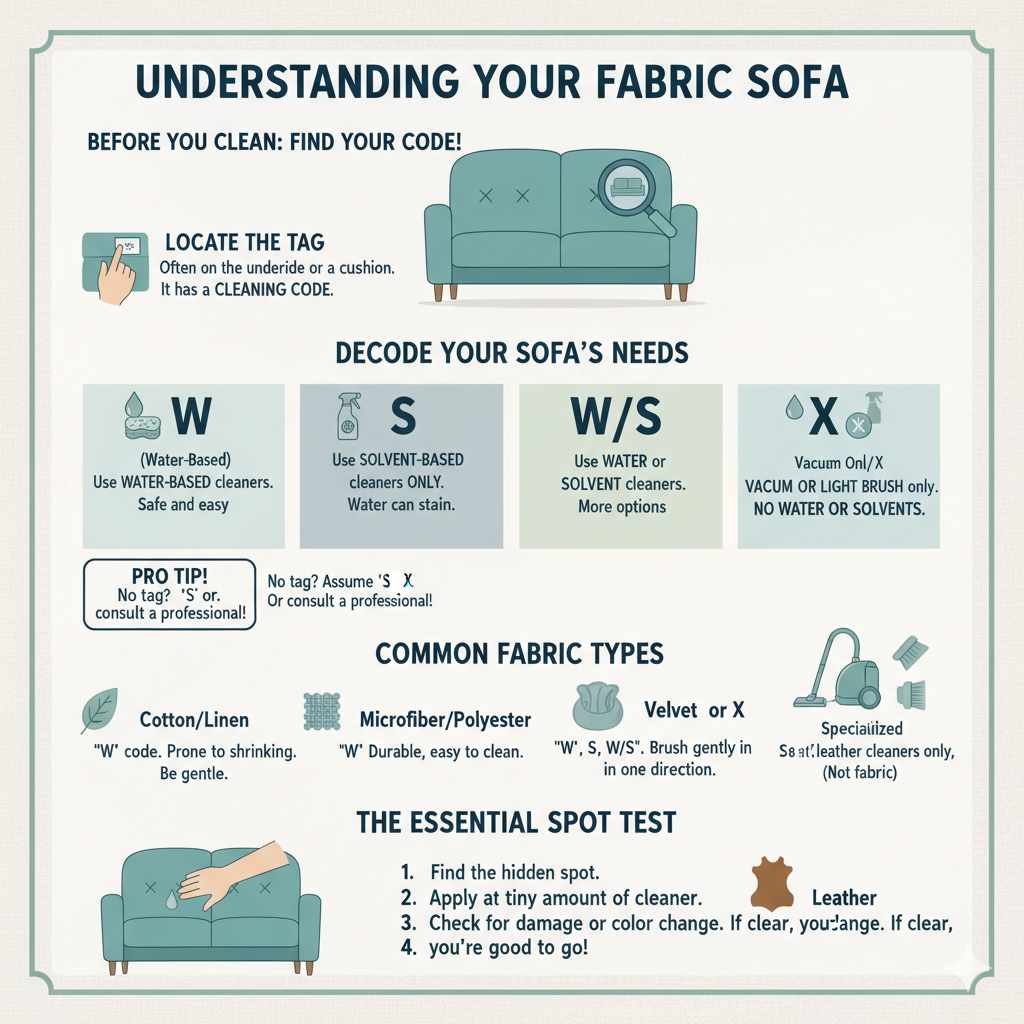
Understanding Your Fabric Sofa
Before you even think about grabbing a cleaning spray, let’s get smart about your sofa. Not all fabrics are the same. Some are tough and can handle a good scrub.
Others are delicate and need a much gentler touch.
Look for a tag on your sofa. It’s often on the underside or on a cushion. This tag is super important.
It has a cleaning code. These codes tell you exactly what kind of cleaning your fabric can take. Ignoring this code is the quickest way to cause damage.
Here are the common codes you might see:
- W: This means you can use water-based cleaners. This is good news! Water is usually safe and easy to find.
- S: This means you should use solvent-based cleaners only. Water can stain or damage these fabrics.
- W/S: Great! This means you can use either water-based or solvent-based cleaners. You have more options here.
- X: This is the trickiest. It means you can only clean with a vacuum cleaner or a light brushing. No water or solvents at all.
If you can’t find a tag, it’s best to play it safe. Assume it’s an ‘S’ or ‘X’ type. Or, take a small, hidden piece of fabric to a professional upholstery cleaner.
They can tell you for sure.
Knowing your code is the first big step. It’s like a secret map to cleaning your sofa without making things worse. This simple step saves a lot of potential headaches later on.
Fabric Types and Their Needs
Cotton/Linen: Often labeled ‘W’. Can be prone to shrinking or water spots. Gentle cleaning is key.
Microfiber: Usually ‘W’ or ‘W/S’. Very durable and easy to clean. Water-based or solvent-based cleaners work well.
Polyester: Typically ‘W’ or ‘W/S’. Similar to microfiber, it’s quite forgiving.
Velvet: Can be ‘W’, ‘S’, or ‘X’. Be very careful. Brushing in one direction is often recommended.
Leather: Not fabric, but often in this category. Requires specialized leather cleaners.
Once you know your code, you’re ready to prepare. This involves gathering your supplies. It also means doing a spot test.
This might seem like a small step, but it’s a lifesaver.
Find a spot that nobody sees. Maybe the back of the sofa, or under a cushion flap. Apply a tiny bit of your chosen cleaner.
Gently blot it. Wait for it to dry completely. Check for any color changes, water rings, or damage to the fabric texture.
If it looks good, you’re golden. If not, try a different cleaner or method.
This small test prevents a big oopsie. It shows you have expertise and are being careful. It builds trust in your cleaning process.
Your Sofa Cleaning Toolkit
Having the right tools makes any job easier. Cleaning your sofa is no different. You don’t need a lot of fancy gadgets.
Most things you probably already have at home.
Here’s a list of what you’ll likely need:
- Vacuum cleaner with upholstery attachment: This is non-negotiable. It removes loose dirt and debris.
- Clean white cloths or towels: White is best so you can see what you’re lifting.
- Spray bottles: For mixing cleaning solutions.
- Mild dish soap: A few drops in water can work wonders for ‘W’ fabrics.
- Rubbing alcohol or clear nail polish remover: For ‘S’ fabrics. Always use in a well-ventilated area.
- Distilled water: If your tap water is hard, it can leave mineral spots. Distilled water is pure.
- Baking soda: Great for absorbing odors.
- Soft-bristled brush: For gently working in cleaners or lifting nap.
- Old toothbrush: For getting into seams and tight spots.
Having these items ready means you can start cleaning as soon as you know your fabric code. It’s about being prepared and organized. This shows you’re an expert in taking care of your belongings.
Quick Grab-and-Go Supplies
For ‘W’ Fabrics:
- Mild dish soap
- Distilled water
- Spray bottle
For ‘S’ Fabrics:
- Rubbing alcohol (isopropyl alcohol)
- Clear nail polish remover (check ingredients first, usually acetone)
- Spray bottle
For Odors:
- Baking soda
Remember the spot test we talked about? Do that now with your chosen cleaner. Make sure it’s safe for your sofa’s fabric.
This small act of caution is a hallmark of good home care.
The Gentle Approach: General Cleaning and Refreshing
Most of the time, your sofa doesn’t need a deep soak. A good refresh can make a huge difference. This is for general dust, light dirt, and that “lived-in” feeling.
First things first: vacuum. Seriously, do this every week if you can. Use the upholstery attachment.
Get into all the nooks and crannies. Lift cushions and vacuum underneath them, too. This removes loose crumbs, pet hair, and dust.
It stops dirt from getting ground into the fabric.
This basic step prevents a lot of future problems. It’s preventative care. It’s also incredibly easy.
You don’t need special skills. Just your vacuum and a few minutes.
Next, let’s tackle any light smells. Baking soda is your best friend here. Sprinkle a generous amount over the entire sofa.
Let it sit for at least an hour, or even better, overnight. Baking soda is a natural odor absorber. It sucks up smells like a sponge.
After it has sat, vacuum it all up thoroughly. You might need to go over it a couple of times to get all the powdery residue. This makes a noticeable difference, especially if you have pets or a house that tends to hold onto smells.
For fabrics coded ‘W’, you can do a light cleaning with a damp cloth. Mix a tiny amount of mild dish soap with distilled water in a spray bottle. Lightly mist a clean white cloth.
Do NOT spray directly onto the sofa. Then, gently wipe down sections of the sofa. Work in small areas at a time.
Follow up immediately with a second cloth dampened only with plain distilled water. This helps rinse away any soap residue. Then, use a dry white cloth to gently blot the area dry.
This two-step process helps prevent soap marks. It also avoids over-wetting the fabric.
The key here is light. You are not scrubbing. You are not soaking.
You are gently lifting surface dirt. This is about maintaining the fabric’s look and feel between deeper cleans. It’s a habit that keeps your sofa looking good for longer.
Refresh Routine in Quick Steps
1. Vacuum Deeply: Use the upholstery attachment. Get everywhere.
2. Deodorize: Sprinkle baking soda. Let sit for hours.
Vacuum up.
3. Light Damp Wipe (for ‘W’ fabrics): Use a barely damp cloth with mild soap and water. Blot dry immediately.
4. Air Out: Open windows if possible to help it dry and smell fresh.
This gentle approach is perfect for maintaining your sofa. It’s about consistent care. It shows you understand how to keep things looking their best with minimal effort and risk.
Tackling Stains: The Art of Spot Cleaning
Ah, the dreaded stain. It happens to the best of us. Whether it’s red wine, coffee, ink, or something a little more mysterious, knowing how to tackle a stain is crucial.
The faster you act, the better your chances of success.
First, act fast. Don’t let spills sit and soak in. Blot up as much of the liquid or solid as you can.
Use a clean white cloth or paper towel. Press down gently. Don’t rub!
Rubbing can spread the stain and push it deeper into the fabric fibers.
For solid messes, gently scrape away what you can with a dull knife or spoon. Then, proceed to blotting the remaining mark.
Now, let’s look at your cleaning code again. This determines what you use.
For ‘W’ Coded Fabrics (Water-Based Cleaning)
Mix a small amount of mild dish soap with distilled water in a spray bottle. You want it slightly soapy, not bubbly. Lightly mist a clean white cloth with this solution.
Gently blot the stain from the outside in. This prevents spreading. Work the stain gently.
You’re trying to lift it, not rub it in.
If the stain is tough, you might need a paste of baking soda and water. Apply it to the stain and let it sit for about 10-15 minutes. Then, gently brush it away and blot with a damp cloth.
Always rinse with a plain damp cloth and blot dry.
For greasy stains, a little bit of rubbing alcohol can sometimes help even on ‘W’ fabrics. Test it first, though!
For ‘S’ Coded Fabrics (Solvent-Based Cleaning)
This is where you absolutely cannot use water. Water will likely make the stain worse or leave a ring. Your go-to here is rubbing alcohol (isopropyl alcohol) or a commercial dry-cleaning solvent.
Make sure the area is well-ventilated. Open windows and turn on a fan if you have one.
Put a small amount of rubbing alcohol onto a clean white cloth. Gently blot the stain. You should see the color start to lift onto the cloth.
Keep moving to a clean section of the cloth as you work. Do NOT saturate the fabric.
For stubborn stains on ‘S’ fabrics, clear nail polish remover (acetone-based) can sometimes work. Again, test this in an inconspicuous spot first. It’s a stronger solvent and can sometimes affect fabric dyes.
After treating the stain with a solvent, you usually don’t need to rinse with water. Let it air dry completely. The solvent evaporates.
You can gently brush the fabric once dry to restore its texture.
Stain Removal Cheat Sheet
Always Blot First: Absorb excess liquid or solids.
Know Your Code: ‘W’ means water-safe, ‘S’ means solvent-safe.
Work from Outside In: Prevent spreading.
Gentle is Key: No harsh scrubbing.
Rinse and Dry (‘W’): Use a clean damp cloth, then blot dry.
Air Dry (‘S’): Let solvents evaporate naturally.
I remember a time I spilled a whole cup of dark coffee on my cream-colored sofa. Panic! It was an ‘S’ fabric.
I grabbed the rubbing alcohol and a white cloth. I held my breath and started blotting. Slowly, the brown stain transferred to the cloth.
It took a good 15 minutes of careful dabbing, switching cloths often. But by the end, the stain was gone. No ring, no damage.
It felt like a small victory.
This experience taught me the power of knowing your fabric type and acting fast. It’s not about being perfect, it’s about having a plan and executing it calmly.
Best Pick For Cleaning A Fabric Sofa
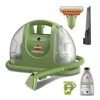
BISSELL Little Green Portable Carpet and Upholstery Cleaner – $99.99
This guide’s cleaning code section names “W” fabrics as safe for water-based cleaning — this machine extracts water and cleaner instead of leaving the fabric soaked.
- Best for: The deep-cleaning section this guide covers for W and W/S coded fabrics
- Why we picked it: Extraction pulls out dirty water instead of leaving a sofa damp for hours
- Main drawback: Not safe for S-coded fabrics, so check the tag before using it
Compare more options
 Option 1 Dry Cleaning Fluid for Fine Fabrics – $11.95
|
 Option 2 Scotchgard Fabric Water Shield – $12.98
|
 Option 3 Fabric and Sofa Cleaning Rake Tool – $6.90
|
As an Amazon Associate we earn from qualifying purchases.
Deep Cleaning for a Full Makeover
Sometimes, your sofa needs more than just spot cleaning or a light refresh. It needs a proper deep clean. This is when you want to tackle accumulated dirt, deeper smells, and that general dinginess that happens over time.
First, prep your sofa. Vacuum it thoroughly. Remove all cushions.
Shake them out outside if possible. Check for any hidden crumbs or debris.
For fabrics coded ‘W’, you can use a slightly more robust cleaning solution. Mix about a tablespoon of mild dish soap with two cups of distilled water in a spray bottle. You can also add a quarter cup of white vinegar.
Vinegar helps with odors and can lift dirt. Again, test this in an hidden spot.
You’ll need at least two large, clean white towels or microfiber cloths. Lightly mist a section of your sofa with the cleaning solution. Work in small, manageable sections.
For example, one cushion at a time, or one armrest. Do NOT soak the fabric. The goal is to dampen it, not make it wet through.
Gently wipe the section with a clean cloth. You should see dirt lifting. As the cloth gets dirty, switch to a clean one.
Once you’ve cleaned a section, immediately take a second cloth dampened with plain distilled water. Wipe the section again to rinse away any soap or vinegar residue. This is crucial for preventing rings and stiffness.
Finally, use a dry, clean white towel to blot the section as dry as possible. Press down firmly. This absorbs excess moisture.
Repeat this process for the entire sofa.
For fabrics coded ‘S’, a deep clean is trickier. You’ll rely on specialized upholstery cleaning machines that use solvents. Renting one can be an option, but it’s a bigger undertaking.
Many people opt for professional cleaning for ‘S’ coded fabrics for a deep clean.
If you’re brave and have an ‘S’ code, you can try a more intensive solvent application with cloths. Use plenty of ventilation. Work in very small sections.
Apply a solvent to a cloth and blot thoroughly. Then, use a dry cloth to blot up any excess. This method requires a lot of patience and many clean cloths.
Deep Clean Checklist for ‘W’ Fabrics
Prep: Vacuum thoroughly, remove cushions.
Solution: Mild soap + distilled water (+ optional vinegar).
Application: Mist lightly onto cloth, then wipe sections.
Rinse: Wipe sections with a plain damp cloth.
Dry: Blot each section with a dry towel.
Ventilation: Keep air moving to speed drying.
Drying is extremely important. Leave cushions off the sofa frame if possible. Open windows.
Use fans to help circulate air. This prevents mildew and ensures the fabric dries properly. It can take 24-48 hours for a sofa to dry completely after a deep clean.
Be patient. Don’t rush to put cushions back on too soon.
I remember doing a deep clean on my old microfiber sofa. It was a Saturday. I spent most of the day on it.
The house felt a bit damp, and the sofa took two full days to dry. But when it was done? It looked almost new.
The dinginess was gone. It smelled fresh. It was a lot of work, but the result made it totally worth it.
It felt like I had a brand new piece of furniture without spending a fortune.
Dealing with Odors: More Than Just Baking Soda
Sometimes, your sofa might smell a bit off, even if it looks clean. This can be from pets, lingering food smells, or just general staleness. Baking soda is a great first step, but for tougher odors, you might need a bit more.
If your sofa is ‘W’ coded, you can try a vinegar solution for odors. Mix one part white vinegar with two parts distilled water in a spray bottle. Lightly mist the fabric.
Again, test this first! Vinegar smell goes away as it dries, and it’s a powerful odor neutralizer.
After misting with vinegar solution, let it air dry completely. You can also sprinkle baking soda over it after the vinegar mist has dried and then vacuum it up. This is a double-whammy for odors.
For tough pet odors, you might consider an enzyme cleaner. These cleaners break down organic matter that causes smells. Make sure the enzyme cleaner is safe for upholstery and follow the product’s instructions carefully.
They often work best when left to air dry.
If your sofa is ‘S’ coded, odors are usually harder to tackle yourself. Solvents can help remove some surface odors, but deeply embedded smells might require professional cleaning. Some professional cleaners use ozone treatments, which are very effective for odors but should only be done by experts.
Odor Busting Tips
Basic: Baking soda sprinkled and vacuumed.
‘W’ Fabrics: Light mist of vinegar and water solution.
Tough Odors: Enzyme cleaners (check fabric safety).
Deep Odors (‘S’): Consider professional cleaning.
Ventilation is Key: Always allow fresh air to circulate.
I had a friend whose dog had an accident on her fabric sofa. It was an expensive sofa, and she was devastated. We tried baking soda, then a vinegar spray, but the doggy smell lingered.
She ended up calling a professional upholstery cleaner. They used a special enzyme treatment, and the smell completely disappeared. It cost her a bit, but it saved the sofa and her peace of mind.
This shows that sometimes, for specific problems, professional help is the best route. It’s not a sign of failure, but a smart choice for preserving your furniture.
When to Call the Professionals
While DIY cleaning is great for most situations, there are times when you should definitely call in the experts. Knowing when to delegate is also a sign of good home management.
Here are some scenarios where professional upholstery cleaning is recommended:
- Delicate Fabrics: If your sofa is made of silk, velvet, wool, or other very delicate materials, it’s often best left to professionals. They have the specialized knowledge and equipment.
- ‘X’ Coded Fabrics: If your sofa has an ‘X’ code, it means no liquids. Professionals might have dry-cleaning methods that are safe.
- Stubborn Stains: If you’ve tried your best on a stain and it’s still there, a professional might have stronger, yet safe, solutions.
- Overall Grime and Deep Odors: For a sofa that’s heavily soiled or has persistent odors you can’t remove, professionals have industrial-grade equipment.
- High-Value Furniture: If your sofa is an expensive investment, protecting it with professional cleaning every year or two can be wise.
- Water Damage or Mold: If your sofa has been exposed to significant water or shows signs of mold, this needs professional attention for safety and effectiveness.
Professional cleaners have powerful extraction machines that can clean deeply and remove moisture effectively. They also know how to handle different fabric types safely. It’s a way to ensure your sofa gets the best possible care, especially when DIY methods aren’t enough.
When to Hire a Pro
Delicate Materials: Silk, wool, antique fabrics.
‘X’ Code: No liquids allowed.
Tough Stains: When home methods fail.
Heavy Soiling: Deep dirt and odors.
Expensive Furniture: For maximum protection.
Mold/Water Issues: Health and safety concern.
I once had a leather sofa that had a bad ink stain. I tried everything I could find online, but it just smeared. Finally, I called a leather cleaning specialist.
They used a special ink remover and buffed it out. It wasn’t cheap, but the result was perfect. It was way better than risking permanent damage myself.
This experience reinforced for me that sometimes, the “expert” is the best choice. It’s about knowing your limits and making the right decision for your furniture.
Maintaining Your Clean Sofa
So, you’ve cleaned your sofa. It looks and smells great! Now, how do you keep it that way?
Maintenance is key to making your cleaning efforts last.
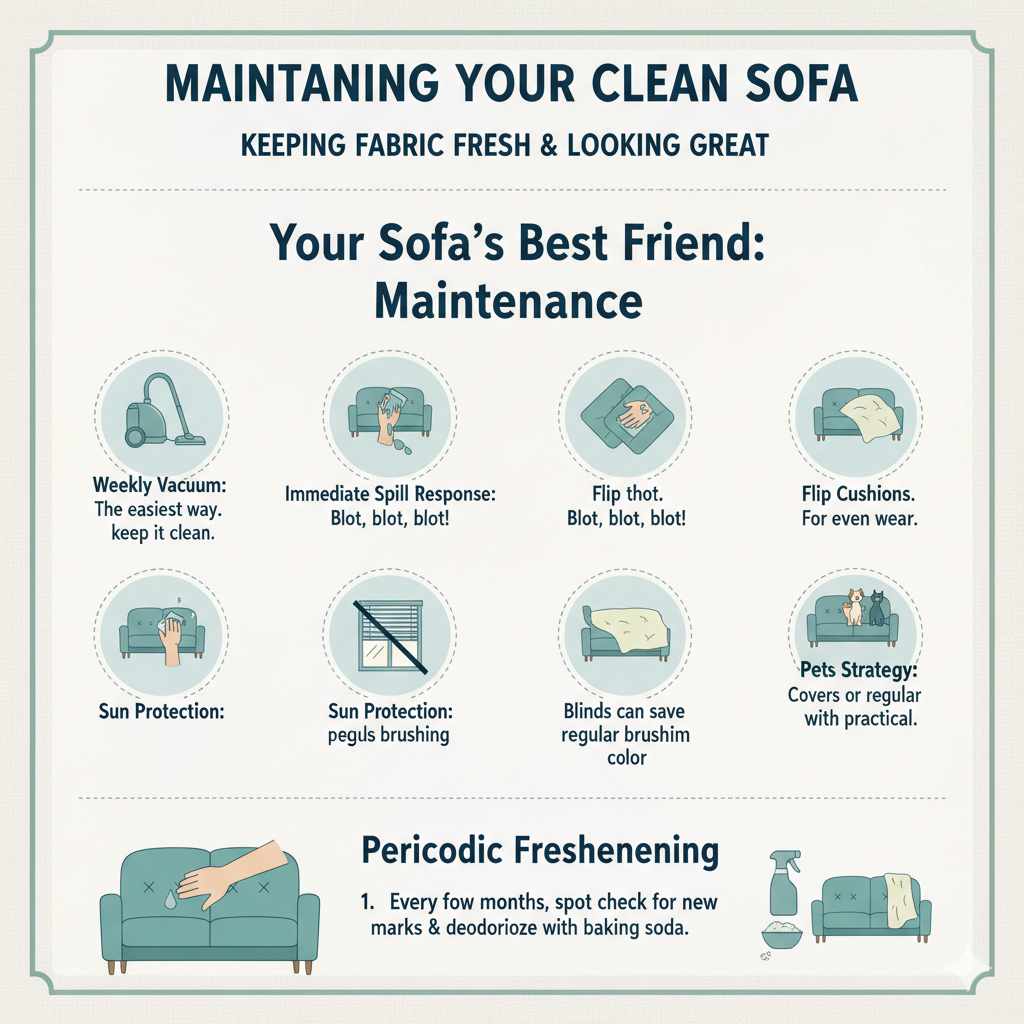
Regular Vacuuming: This is your number one weapon against dirt. Aim to vacuum your sofa at least once a week. It removes loose particles before they get ground into the fabric.
Pay attention to high-traffic areas.
Deal with Spills Immediately: As soon as a spill happens, blot it. Don’t wait. The longer a spill sits, the harder it is to remove.
Rotate Cushions: If your sofa has removable cushions, flip and rotate them regularly. This ensures even wear and tear and prevents one side from getting more sun or use.
Sunlight Control: Direct sunlight can fade and weaken fabric over time. If your sofa is in a sunny spot, consider using blinds or curtains during peak sun hours.
Pet Care: If you have pets, try to keep them off the sofa or use a washable slipcover. Brushing your pets regularly also helps reduce shedding onto the furniture.
Use Throws and Blankets: These can protect high-wear areas from general dirt, spills, and pet hair. Plus, they add to the cozy factor!
Periodic Freshening: Every few months, do a quick spot check for any new marks and repeat the baking soda deodorizing treatment. This keeps smells at bay and prevents minor issues from becoming big ones.
Your Sofa’s Best Friend: Maintenance
Weekly Vacuum: The easiest way to keep it clean.
Immediate Spill Response: Blot, blot, blot!
Flip Cushions: For even wear.
Sun Protection: Blinds can save your fabric color.
Pet Strategy: Covers or regular brushing.
Throw Protection: Stylish and practical.
It’s like any relationship, really. A little bit of consistent care goes a long way. By incorporating these simple maintenance steps, you’ll keep your sofa looking and feeling great for years.
You’ll avoid those stressful, deep-cleaning marathons more often. It’s a smart way to protect your investment and enjoy your living space.
Frequently Asked Questions About Cleaning Fabric Sofas
Can I use a steam cleaner on my fabric sofa?
It depends on the fabric code. Steam cleaning is a form of water-based cleaning. It’s generally okay for ‘W’ coded fabrics.
However, it can be too harsh for ‘S’ coded fabrics or very delicate materials. Always check your sofa’s cleaning tag and test in an inconspicuous area first. Over-wetting can also be an issue, leading to mildew or fabric damage.
How do I get rid of water rings on my fabric sofa?
Water rings often happen when the fabric dries unevenly or when water-based cleaners leave residue. For ‘W’ coded fabrics, you can try re-dampening the entire section of the fabric where the ring is with a clean, slightly damp cloth. Then, blot it as dry as possible with a clean, dry towel.
For tougher rings, a bit of white vinegar mixed with distilled water (for ‘W’ codes) can help. Always test first!
Is it safe to use bleach on my fabric sofa?
Never use bleach on most fabric sofas unless the cleaning tag specifically indicates it, which is very rare. Bleach is a harsh chemical that will likely damage the fabric color and fibers, causing permanent discoloration and weakening. Stick to mild soaps, recommended solvents, or professional cleaners.
What is the best way to clean microfiber sofas?
Microfiber sofas are usually quite durable. Check the cleaning code on your tag. If it’s ‘W’, you can use mild soap and water.
If it’s ‘S’, use rubbing alcohol or a dry-cleaning solvent. For general cleaning, vacuuming regularly is key. For tougher spots, a soft brush can help lift the nap after cleaning.
How often should I deep clean my fabric sofa?
This depends on how much use your sofa gets and whether you have pets or kids. For a typical living room sofa, a deep clean once every 6-12 months is usually sufficient. If it gets heavy use, spills, or pet accidents, you might need to do it more often.
Regular vacuuming and spot cleaning can extend the time between deep cleans.
Can I use colored cloths to clean my sofa?
It’s best to use clean white cloths or towels. This is for two important reasons. First, you can see the dirt that is lifting from the sofa onto the cloth.
This tells you how effective your cleaning is. Second, colored cloths can sometimes transfer their dye onto your sofa, causing a new stain. White is always the safest choice.
Conclusion: A Cleaner Sofa Awaits
Cleaning your fabric sofa doesn’t have to be a scary task. By understanding your sofa’s fabric code, preparing your supplies, and following these gentle yet effective methods, you can refresh and revitalize your furniture. Remember to always test first, work in small sections, and let your sofa dry completely.
A clean sofa makes your whole home feel better. It’s about comfort and pride in your space. Enjoy your fresh, clean sofa!
Products related to this article
Sponsored / affiliate links. As an Amazon Associate I earn from qualifying purchases. I may earn additional commission from eligible campaigns.