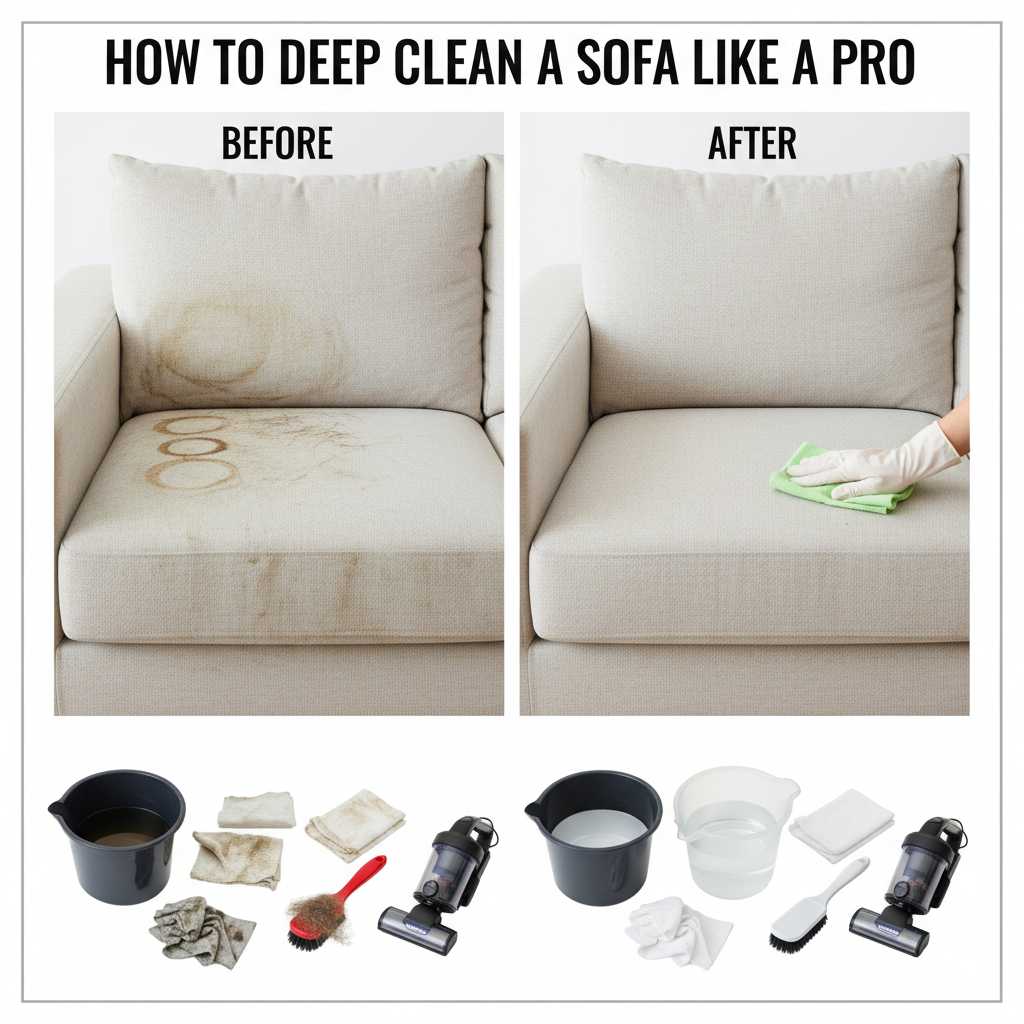
How To Deep Clean A Sofa Like A Pro
You love your sofa. It’s where you relax, watch movies, and gather with loved ones. But over time, it can collect dust, dirt, and even odors.

Korser
Korser 110" L-Shaped Modular Sectional Sofa with…
- Tool-Free Assembly & Ready to Use: Skip the hassle of traditional furniture—no tools, screws, or complicated instructions needed.…
- Partment-Friendly Size & Flexible Modular Design: Designed for small apartments, this modular sectional includes three lightweight…
- Deep Seating for Everyday Comfort: Designed for relaxed daily living, this sofa for living room features a 30.08" deep seat and a…
As an Amazon Associate I earn from qualifying purchases.
For a closely related home or decor topic, How Do You Spell Chaise Lounge: Essential Spelling gives readers a useful next step.
For another cleaning or care problem, How To Remove Cat Hair From A Sofa Fast gives readers a useful next step.
You want it to look and smell its best. Knowing how to tackle a deep clean can feel like a big job. Many people worry about damaging their furniture.
This guide will walk you through the steps. You’ll learn how to get your sofa truly clean. We’ll cover different materials and common problems.
By the end, you’ll feel confident. You can make your sofa feel new again.
Deep cleaning a sofa involves careful assessment of fabric type, thorough vacuuming, targeted stain removal, and deodorizing. Always test cleaning solutions in an inconspicuous area first. Follow specific care instructions for your sofa’s material to avoid damage.
Understanding Your Sofa’s Fabric
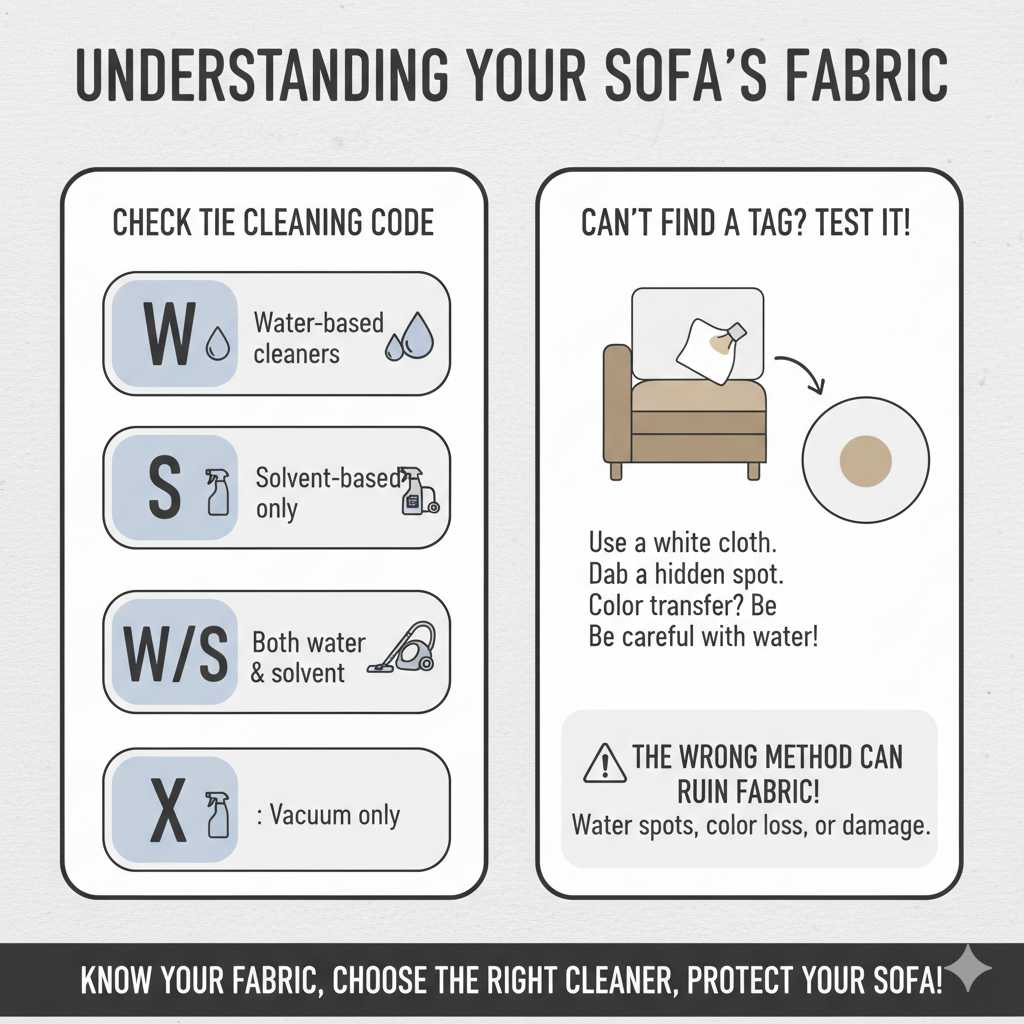
Before you start any cleaning, you need to know what your sofa is made of. This is super important. The wrong cleaning method can ruin the fabric.
It can cause water spots or even color loss. Look for a tag on your sofa. It might be under a cushion or on the frame.
This tag usually has a cleaning code.
These codes tell you what you can use. There are four main ones:
- W: Water-based cleaners are okay.
- S: Solvent-based cleaners only. No water.
- W/S: Both water and solvent cleaners can be used.
- X: Vacuum only. No water or solvents.
If you can’t find a tag, you might need to do some research. Look up the brand and model of your sofa online. Or, you can test a small spot yourself.
Use a plain white cloth. Dampen it with water. Gently rub a hidden area.
If color comes off, you know to be careful with water.
The Power of a Good Vacuum
Vacuuming is the first step for almost any sofa. It gets rid of loose dirt. It also removes crumbs and pet hair.
This makes the rest of the cleaning easier. Use the brush attachment on your vacuum. This helps lift dirt from the fibers.
Pay attention to crevices and seams. That’s where a lot of debris hides.
Don’t forget the back and sides of the sofa. These areas can collect dust too. Even if they don’t show much, they still need cleaning.
For stubborn pet hair, you might need a special pet grooming tool for your vacuum. Or, a lint roller can work wonders.
I remember trying to clean a microfiber couch once. I skipped the thorough vacuuming. I just went straight for a spray cleaner.
Big mistake. The spray just made a muddy mess with all the embedded dust. It took way longer to fix it.
So, a good vacuum is key. Seriously, don’t skip this part.
Vacuuming Tips for Different Fabrics
For delicate fabrics (like silk or linen): Use a soft brush attachment. Vacuum gently in one direction.
For sturdy fabrics (like canvas or denim): You can use a bit more pressure. A slightly stiffer brush can help.
For leather sofas: Use a soft brush. Be careful not to scratch the leather. Wipe down with a soft, damp cloth afterward.
Tackling Stains Head-On
Stains happen. Coffee spills, food splatters, ink marks. The good news is, most can be dealt with.
The trick is to act fast. The longer a stain sits, the harder it is to remove. Always blot, don’t rub.
Rubbing pushes the stain deeper into the fibers. Use a clean white cloth or paper towel.
For a ‘W’ coded sofa, you can often use a mild soap and water solution. Mix a little dish soap with warm water. Dip a clean cloth in it.
Wring it out well. Gently blot the stain from the outside in. This prevents spreading.
If your code is ‘S’, you need a solvent cleaner. You can buy these at most stores. Follow the product instructions carefully.
Make sure you have good ventilation when using solvents. They can have strong fumes.
For ‘W/S’ coded sofas, you have more options. You can try the water-based method first. If that doesn’t work, then try a solvent cleaner.
If your code is ‘X’, you cannot use any liquid cleaners. You’ll need to stick to vacuuming and brushing. Sometimes, professional cleaning is the only option for stains on these fabrics.
One time, my toddler drew on our cream-colored sofa with a crayon. I panicked! I quickly grabbed a damp cloth and a tiny bit of dish soap.
I blotted it gently. It came right out. I was so relieved.
It taught me that quick action is the best defense.
Common Stain Types and How to Treat Them
Grease Stains: Try cornstarch or baking soda. Sprinkle it on the stain. Let it sit for a few hours to absorb the grease.
Then, vacuum it up. Follow with a mild soap and water solution if needed (for ‘W’ or ‘W/S’ codes).
Ink Stains: For ‘S’ or ‘W/S’ codes, a rubbing alcohol solution can work. Test it first. Apply a small amount to a cloth.
Blot the stain gently. Repeat as needed.
Pet Stains (Urine): These need to be treated right away. Blot up as much as possible. Use an enzymatic cleaner specifically made for pet stains.
These cleaners break down the odor-causing molecules. They are usually safe for ‘W’ or ‘W/S’ coded fabrics.
Deep Cleaning the Fabric
After tackling stains, it’s time for a general fabric clean. This refreshes the whole sofa. For most fabric sofas (‘W’ or ‘W/S’ codes), you can use a fabric cleaner.
You can buy commercial ones or make your own.
A simple homemade cleaner is mild soap mixed with water. Use a spray bottle. Lightly mist the fabric.
Do not soak it. Work in sections. Use a clean, damp cloth to wipe away the suds.
Then, use a dry cloth to absorb excess moisture.
Allow the sofa to air dry completely. Open windows if you can. Good air circulation helps.
Avoid sitting on the sofa until it’s fully dry. This can prevent new marks.
For sofas that require solvent cleaning (‘S’ code), you’ll need a specific upholstery cleaner. Always test it in a hidden spot first. Apply it to a clean cloth, not directly to the sofa.
Gently wipe the fabric. Work in small areas. Use a dry cloth to remove any residue.
I once tried to clean my grandmother’s old velvet sofa. I didn’t check the code. I used too much water.
It left ugly water rings. It was a sad lesson. Velvet is tricky.
Now I always, always check the tag and test first. It’s worth the extra few minutes.
Fabric Cleaner Testing Method
Step 1: Find a hidden spot. This could be the back of the sofa or under a skirted bottom.
Step 2: Apply a small amount of your chosen cleaner to a clean white cloth.
Step 3: Gently rub the spot. Let it sit for a minute.
Step 4: Wipe with a clean, damp cloth. Then, blot dry with another dry cloth.
Step 5: Wait for it to dry completely. Check for any color changes, fading, or texture issues.
Refreshing and Deodorizing
Even a clean sofa can sometimes smell a bit stale. This is especially true if you have pets or live in a humid climate. Baking soda is your best friend here.
It’s a natural deodorizer. It doesn’t just mask odors; it absorbs them.
Sprinkle a generous layer of baking soda over the entire sofa. You can use a sieve to get an even coat. Let it sit for at least an hour.
For tougher odors, you can leave it overnight. Then, vacuum it up thoroughly. Make sure you get all of it.
You don’t want your sofa feeling gritty.
Another option is to use a fabric refresher spray. Choose one that is safe for upholstery. Again, test it in a hidden spot first.
You can also use a mix of water and a few drops of essential oil. Lavender or lemon are nice choices. Just be careful not to use too much oil.
It could leave a mark.
Sometimes, the smell comes from deep within the cushions. If vacuuming and baking soda don’t fully get rid of it, you might need to clean the cushion covers. Check if they are removable and washable.
If so, follow the care instructions. If not, you might need to air them out.
I once had a couch that started smelling a bit musty. I couldn’t figure out why. I tried all the usual sprays.
Nothing worked. Then I remembered baking soda. I put a thick layer on.
I left it overnight. The next day, I vacuumed. The smell was completely gone!
It was amazing. And so simple.
DIY Deodorizing Spray
Ingredients:
- 1 cup distilled water
- 1 tablespoon white vinegar
- 5-10 drops of your favorite essential oil (optional, e.g., lavender, lemon, eucalyptus)
Instructions:
1. Mix all ingredients in a clean spray bottle.
2. Shake well before each use.
3. Lightly mist the sofa. Avoid soaking the fabric.
4. Let it air dry completely.
5. Always test in an inconspicuous area first.
Cleaning Specific Sofa Materials
Different materials need different care. Let’s look at some common ones:
Leather Sofas
Leather is durable but needs specific care. First, vacuum it well. Use a soft brush attachment.
Then, wipe it down with a soft, damp cloth. This removes dust and grime. For deeper cleaning, use a leather cleaner.
Apply it to a cloth, not directly onto the leather. Wipe in gentle, circular motions.
Conditioning is also important for leather. It keeps it supple and prevents cracking. Use a leather conditioner every 6-12 months.
Again, apply it with a soft cloth. Buff gently. Avoid using harsh chemicals or abrasive cleaners.
They can damage the finish.
I have a friend who has had her leather sofa for over 15 years. She cleans it regularly and conditions it twice a year. It still looks incredible.
It shows that good care really pays off.
Microfiber Sofas
Microfiber is popular because it’s soft and durable. For cleaning, check the code. Most microfiber is ‘W’ or ‘W/S’.
Use a vacuum with a brush attachment to remove dirt and pet hair.
For stains, blot them with a clean cloth. Use a mild soap and water solution for ‘W’ coded microfiber. For ‘S’ coded, you’ll need a solvent-based cleaner.
After cleaning, you can restore the softness by brushing the fabric with a soft-bristled brush. This lifts the fibers.
Velvet Sofas
Velvet can be tricky. It’s prone to crushing and water stains. Always check the cleaning code.
If it’s ‘S’, use only solvent cleaners. If it’s ‘W’ or ‘W/S’, be very careful with water. Use it sparingly.
Vacuum velvet gently with an upholstery attachment. For light cleaning, a damp cloth can work. For deeper cleaning, consider a specialized velvet cleaner.
Always test first. To revive crushed pile, you can use a steamer from a distance. Keep the steamer moving.
Do not hold it in one spot for too long.
Cotton and Linen Sofas
These natural fabrics are breathable and comfortable. They are usually ‘W’ coded. This means water-based cleaners are generally safe.
Vacuum them regularly. For stains, blot them immediately. Use a mild soap and water solution.
Blot with a damp cloth, then dry. Be aware that cotton and linen can wrinkle easily.
If your cotton or linen sofa has removable slipcovers, check the washing instructions. Some can be machine washed. This is a great way to deep clean them.
Always use cold water and a gentle cycle. Air dry or tumble dry on low heat.
Quick Guide: Sofa Material & Cleaning
Leather: Vacuum, damp cloth, leather cleaner, leather conditioner.
Microfiber: Vacuum, water-based or solvent cleaner (check code), brush to restore texture.
Velvet: Gentle vacuum, solvent cleaner (often ‘S’ code), steam carefully for pile.
Cotton/Linen: Vacuum, water-based cleaners (‘W’ code), wash slipcovers if removable.
Always test any cleaner in an inconspicuous area first!
Cleaning Cushions and Upholstery Inserts
Don’t forget the cushions themselves. Many cushion covers can be removed. Check the tags on the cushions.
If they are washable, follow the instructions. Wash them separately from other laundry. Use a gentle detergent and cold water.
If the covers are not removable or washable, you’ll clean them as you would the rest of the sofa. This might involve spot cleaning or a light mist of fabric cleaner. For the inserts themselves (the foam or stuffing), you usually can’t wash them.
If they smell musty, try airing them out. Take them outside on a sunny, breezy day. Let them sit for a few hours.
Sometimes, the stuffing can clump. You can try to fluff it up by hand. If the stuffing is beyond repair, you might be able to replace it.
This is a more advanced step, often best left to professionals.
I once had sofa cushions that got damp from a leaky window. They started to smell. I took the covers off and washed them.
The inserts, though, were still a bit damp. I put them out in the sun for a whole afternoon. That dried them out and got rid of the musty smell.
It worked perfectly.
Cushion Care Quick Checklist
Removable Covers: Check care tag. Wash if possible. Air dry or low heat tumble dry.
Non-Removable Covers: Spot clean or mist gently. Dry thoroughly.
Inserts (Stuffing): Air out in sun and breeze. Fluff by hand.
Persistent Odors: Consider baking soda treatment on the inserts.
When to Call a Professional
While most deep cleaning can be done at home, there are times when professional help is best. If you have a very delicate or antique sofa, you might want to err on the side of caution. Professional cleaners have specialized equipment and knowledge.
If your sofa has a ‘X’ cleaning code and you have stubborn stains, a professional might have solutions you don’t. Also, if you’ve tried your best and are not seeing results, or if you’re worried about causing damage, it’s worth the investment.
Professional cleaning services can deep clean upholstery using steam or extraction methods. They can often remove deeply embedded dirt and allergens. They can also handle challenging fabrics like silk, rayon, or certain types of leather.
I had a beautiful silk upholstered chair that got a mysterious dark stain. I was terrified. I considered trying to clean it myself.
But I knew silk was fragile. I called a professional upholstery cleaner. They were able to remove the stain completely.
It saved me so much stress and potential damage.
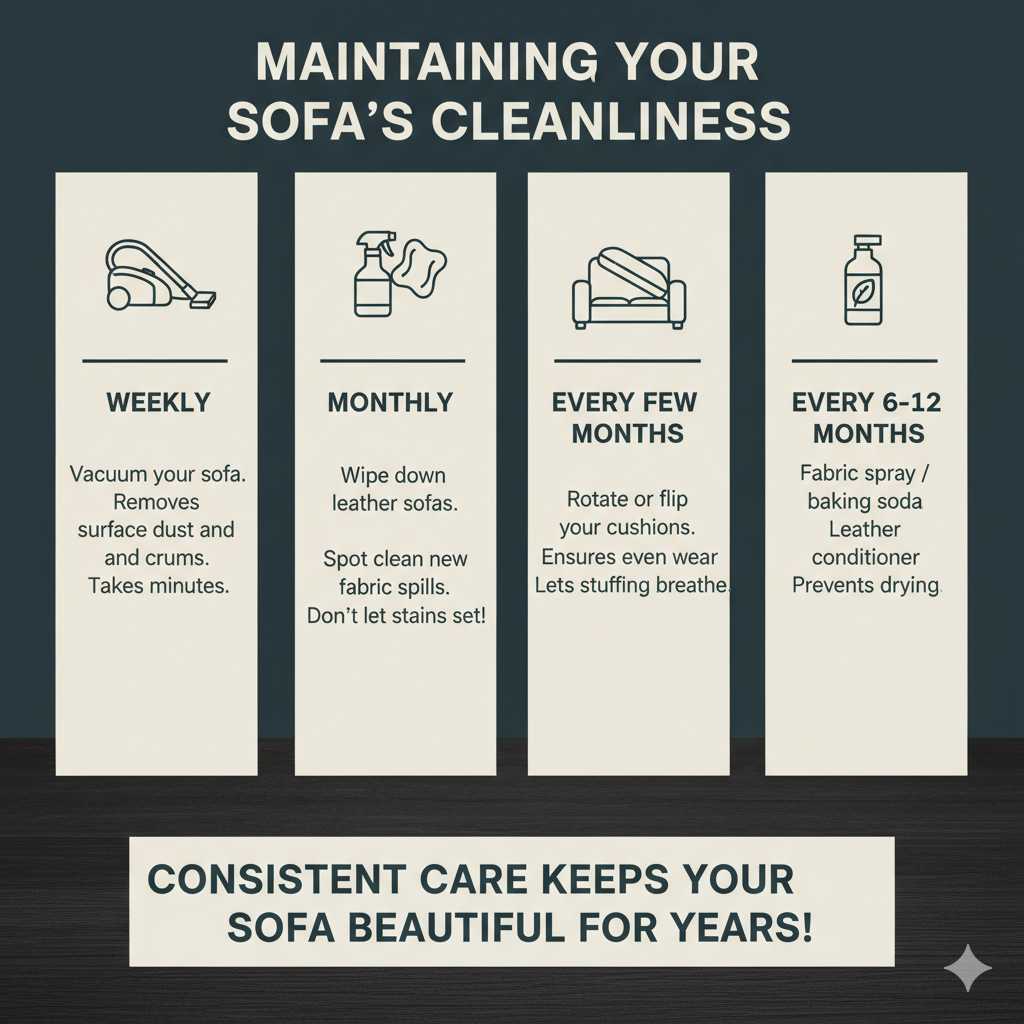
Maintaining Your Sofa’s Cleanliness
Deep cleaning is great, but the real magic is in regular maintenance. A little effort over time prevents the need for huge cleaning jobs later. Make it a habit!
Weekly: Vacuum your sofa. This gets rid of surface dust and crumbs. It takes just a few minutes.
Monthly: Wipe down leather sofas if you have them. For fabric sofas, spot clean any new spills immediately. This is crucial.
Don’t let stains set.
Every Few Months: Rotate or flip your cushions. This helps them wear more evenly. It also lets the stuffing inside breathe.
Every 6-12 Months: Do a light refresh. This could be a quick spray of fabric refresher or another baking soda treatment. For leather, apply conditioner.
These small steps will keep your sofa looking good. They will also help it last longer. You’ll feel more comfortable inviting people over.
You won’t have to worry about little messes.
Sofa Maintenance Schedule
Daily/As Needed: Blot spills immediately. Remove pet hair.
Weekly: Thorough vacuuming of all surfaces and crevices.
Monthly: Wipe down leather. Check for new spots on fabric.
Quarterly: Rotate/flip cushions. Light fabric refreshing.
Annually: Leather conditioning. Consider professional cleaning if needed.
Frequently Asked Questions About Sofa Cleaning
How often should I deep clean my sofa?
The frequency of deep cleaning depends on usage. For a busy family sofa, every 6-12 months is a good rule of thumb. If you have pets or allergies, you might want to do it more often, perhaps every 3-6 months.
How often should I deep clean my sofa?
The frequency of deep cleaning depends on usage. For a busy family sofa, every 6-12 months is a good rule of thumb. If you have pets or allergies, you might want to do it more often, perhaps every 3-6 months.
Can I use dish soap to clean my sofa?
Yes, mild dish soap mixed with water can be used on sofas with a ‘W’ or ‘W/S’ cleaning code. It’s a gentle option for general cleaning and light stains. Always test it in an inconspicuous spot first.
Can I use dish soap to clean my sofa?
Yes, mild dish soap mixed with water can be used on sofas with a ‘W’ or ‘W/S’ cleaning code. It’s a gentle option for general cleaning and light stains. Always test it in an inconspicuous spot first.
What is the best way to remove pet odors from a sofa?
Baking soda is excellent for absorbing pet odors. Sprinkle it liberally over the sofa, let it sit for several hours or overnight, then vacuum thoroughly. For stubborn odors, consider an enzymatic cleaner designed for pet stains.
What is the best way to remove pet odors from a sofa?
Baking soda is excellent for absorbing pet odors. Sprinkle it liberally over the sofa, let it sit for several hours or overnight, then vacuum thoroughly. For stubborn odors, consider an enzymatic cleaner designed for pet stains.
My sofa has a ‘W’ cleaning code, but I’m scared of water stains. What can I do?
Even with a ‘W’ code, it’s wise to be cautious. Use cleaning solutions sparingly. Lightly mist the fabric rather than soaking it.
Always blot away excess moisture with a dry cloth and ensure good air circulation for drying.
My sofa has a ‘W’ cleaning code, but I’m scared of water stains. What can I do?
Even with a ‘W’ code, it’s wise to be cautious. Use cleaning solutions sparingly. Lightly mist the fabric rather than soaking it.
Always blot away excess moisture with a dry cloth and ensure good air circulation for drying.
How do I clean a sofa with removable cushions?
First, check the care tags on the cushion covers. If they are machine washable, follow the instructions. If not, clean them like the rest of the sofa.
For the cushion inserts (the stuffing), air them out in the sun and fluff them.
How do I clean a sofa with removable cushions?
First, check the care tags on the cushion covers. If they are machine washable, follow the instructions. If not, clean them like the rest of the sofa.
For the cushion inserts (the stuffing), air them out in the sun and fluff them.
What should I do if I can’t find a cleaning code on my sofa?
If there’s no tag, you can research your sofa’s brand and model online. Alternatively, test cleaning solutions on a small, hidden area. Start with water.
If color transfers or it damages the fabric, use a solvent-based cleaner. If unsure, contact the manufacturer or a professional cleaner.
What should I do if I can’t find a cleaning code on my sofa?
If there’s no tag, you can research your sofa’s brand and model online. Alternatively, test cleaning solutions on a small, hidden area. Start with water.
If color transfers or it damages the fabric, use a solvent-based cleaner. If unsure, contact the manufacturer or a professional cleaner.
Conclusion
Taking care of your sofa doesn’t have to be overwhelming. By understanding your fabric, vacuuming regularly, and treating stains promptly, you can keep your sofa looking and smelling fresh. Remember to always test cleaners and work with your sofa’s specific needs.
A clean sofa makes any room feel more inviting.
Related pick: Check today's price on Amazon
Products related to this article
Sponsored / affiliate links. As an Amazon Associate I earn from qualifying purchases. I may earn additional commission from eligible campaigns.