How to Stop Cat Scratching Sofa Safely
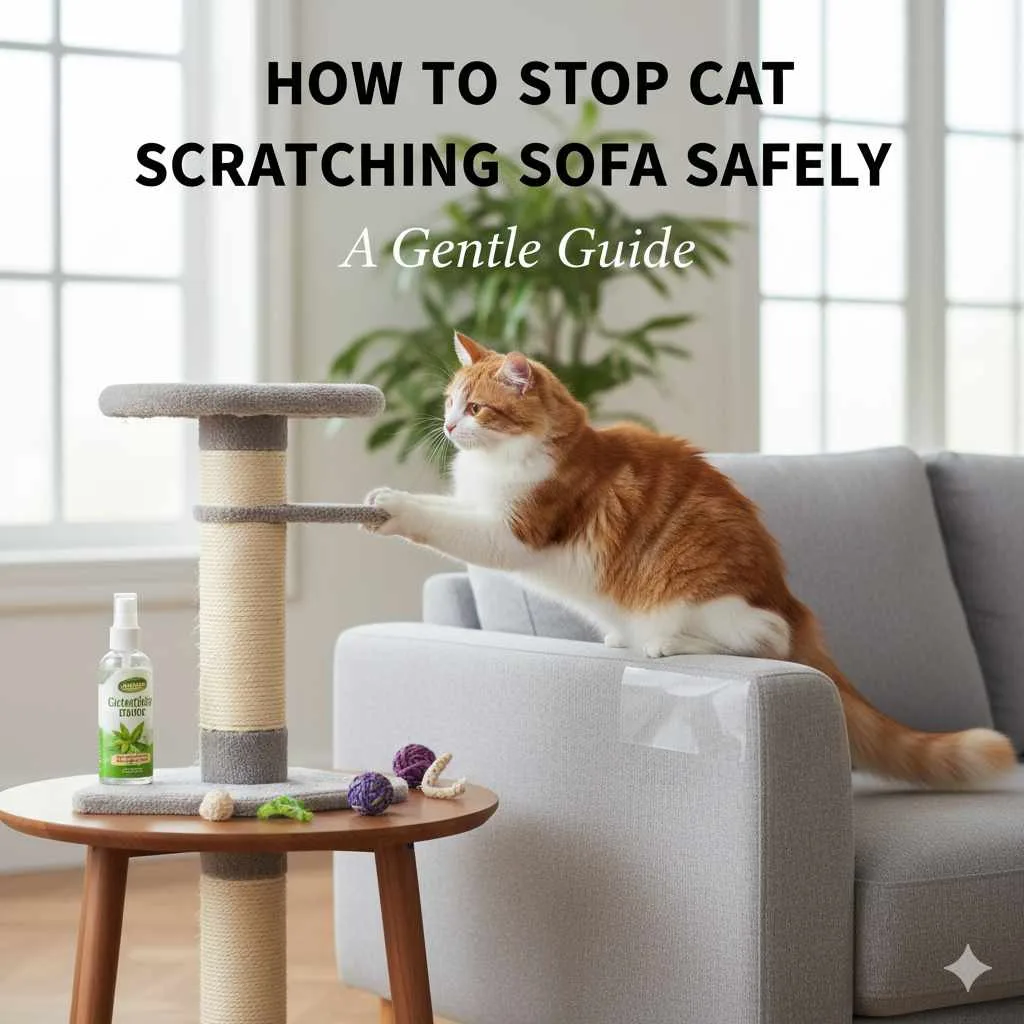
To stop your cat from scratching the sofa safely, implement a multi-faceted approach: provide attractive scratching alternatives, use deterrents on the sofa, trim your cat’s nails regularly, and understand your cat’s scratching needs. This ensures your furniture stays protected while keeping your feline friend happy and healthy.
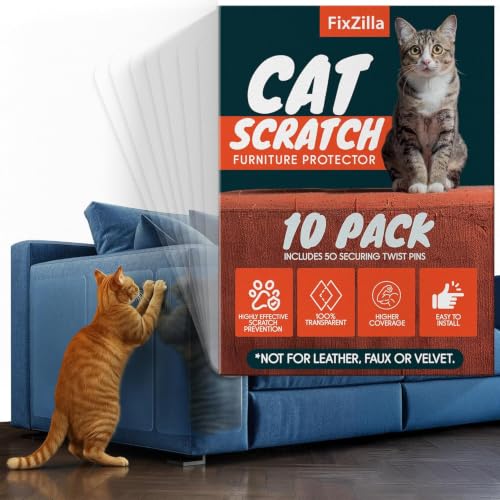
FixZilla
FixZilla Anti Cat Scratch Furniture Protector, 10-Pack…
- Effective - Cat scratch deterrent for furniture and stop cats from scratching furniture. These adhesive cat scratch protectors for…
- Furniture protectors for cats - Unlike other clear couch protectors from cats scratching, our cat couch protector is durable, and…
- Transparent, discreet, durable - This anti scratch furniture protector is thick & strong enough to defend against scratching but c…
As an Amazon Associate I earn from qualifying purchases.
For a closely related home or decor topic, How To Fix A Sofa Frame: Repair gives readers a useful next step.
For another cleaning or care problem, How To Deep Clean A Sofa Like A Pro gives readers a useful next step.
For a closely related home or decor topic, How To Decorate Above A Sofa: Stylish Ideas gives readers a useful next step.
Oh, the charm of a cozy sofa and the gentle purrs of a beloved cat! It’s a picture of domestic bliss, isn’t it? But sometimes, that bliss can be a little… clawed. If you’ve ever found your cat enthusiastically sharpening their nails on your favorite armchair or sofa, you’re not alone. It’s a common frustration for cat parents everywhere, and it can feel like a battle of wills between your desire for a pristine living room and your cat’s natural instincts. But don’t despair! You don’t have to choose between a beautiful home and a happy cat. We’re going to walk through simple, effective, and kind ways to redirect your cat’s scratching behavior, protecting your sofa and keeping your furry friend content.
Why Do Cats Scratch Furniture Anyway?
Before we dive into solutions, it’s helpful to understand why our feline companions feel the need to scratch. It’s not out of spite or a desire to annoy you! Scratching is a deeply ingrained, essential behavior for cats.
Cats scratch for several important reasons integrated into their well-being and communication:
- To Mark Territory: Cats have scent glands in their paws. When they scratch, they leave both a visual mark and a scent, signaling to other cats (and even to you!) that this is their space.
- To Maintain Claw Health: Scratching helps cats shed the outer, dull layer of their claws, revealing a sharp, new claw underneath. It’s like a natural manicure!
- For Stretching: When a cat stretches out to scratch, it’s a full-body workout. It helps them stretch their muscles, tendons, and ligaments from their toes all the way up to their shoulders.
- For Stress Relief and Excitement: Scratching can be a way for cats to express their emotions, whether they’re feeling playful, excited, or even a bit stressed.
Understanding these motivations is the first step to finding successful alternatives that work for both you and your kitty. Our goal is to provide appropriate outlets for these natural behaviors.

The Best Scratching Alternatives for Your Cat
The most effective way to stop a cat from scratching your sofa is to give them something better to scratch. Think of it as offering a more appealing alternative that satisfies their instincts. The key is variety and placement!
Choosing the Right Scratching Posts
Not all scratching posts are created equal. Cats have preferences, and offering different types will increase the chances of finding what your cat loves.
- Material: Cats tend to prefer rougher, more textured materials. Popular choices include sisal rope, corrugated cardboard, and natural wood. Avoid materials that are too smooth or slippery.
- Stability: A wobbly scratching post is a no-go! Cats need something sturdy that won’t tip over when they’re really going at it. Look for posts with wide, heavy bases or those that can be secured.
- Height and Orientation: Some cats love to stretch upwards, while others prefer to scratch horizontally or at an angle. Offer both vertical and horizontal options. Vertical posts should be tall enough for your cat to fully extend their body.
- Variety: Don’t stick to just one type. Consider posts wrapped in sisal rope, angled cardboard scratchers, cat trees with scratching surfaces, or even simple wooden planks.
Strategic Placement is Key
Where you put the scratching post is just as important as what it’s made of.
- Near Existing Scratching Spots: Place new scratching posts right next to the furniture your cat is currently targeting. This makes the alternative easily accessible and more tempting.
- In High-Traffic Areas: Cats like to mark territory in places where they spend a lot of time or where important “scent messages” are. Put posts in living rooms, near windows, or by entrances.
- Near Sleeping Areas: Cats often like to scratch when they wake up as part of their stretching routine. Placing a post near their favorite napping spots can be very effective.
Make Scratchers More Appealing
Sometimes, a new scratching post needs a little extra encouragement to become a cat’s top choice.
- Catnip: Sprinkle some dried catnip on the scratching post or use a catnip spray. Most cats are drawn to it!
- Playtime: Engage your cat near the scratching post with a favorite toy. Dangle a wand toy around it, encouraging them to grab onto the post to “catch” their prey.
- Positive Reinforcement: When you see your cat using the scratching post, offer praise, a gentle pet, or a small treat. This helps them associate the post with positive experiences.
Deterrents: Making Your Sofa Less Appealing
While providing alternatives is usually the best long-term solution, you might also need to make your sofa less attractive to your cat in the short term. The goal here is to make the sofa unpleasant for scratching without causing your cat distress.
Texture Deterrents
Cats often dislike certain textures. You can use these to your advantage.
- Double-Sided Sticky Tape: Cats generally hate sticky surfaces. Products like Sticky Paws are specifically designed for furniture. Apply strips of this tape to the areas of your sofa your cat scratches. You can also use wide packing tape applied sticky-side-up if you’re careful not to damage the fabric (test in an inconspicuous spot first!).
- Aluminum Foil: Many cats dislike the crinkly sound and shiny texture of aluminum foil. Cover the targeted areas with foil. While not the most aesthetically pleasing, it can be a temporary solution.
- Plastic Sheeting or Covers: You can purchase commercial furniture protectors made of clear plastic. These are effective at preventing scratches and can often be left on discreetly. Alternatively, you can use thick plastic drop cloths temporarily.
Scent Deterrents
Some smells can be off-putting to cats.
- Citrus Scents: Cats often dislike the smell of citrus. You can try spritzing diluted lemon or orange essential oil (ensure it’s highly diluted and safe for pets – some oils are toxic!) on the areas you want to protect. Alternatively, place orange or lemon peels near the sofa.
- Commercial Deterrent Sprays: Many pet stores offer non-toxic, cat-safe deterrent sprays. These usually have a scent that cats find unpleasant. Always follow the product instructions and test in a hidden area of your sofa fabric first.
Environmental and Routine Adjustments
Sometimes, changes in their environment can influence scratching behavior.
- Clean Up Scents: If your cat is marking territory on the sofa, clean the area thoroughly with an enzymatic cleaner. This will remove their scent markers, making them less likely to return to scratch the same spot. You can find these cleaners at most pet supply stores.
- Reduce Stressors: If scratching is a stress response, try to identify and minimize any potential stressors in your cat’s environment. This could include introducing new pets slowly, ensuring they have their own safe spaces, or sticking to a consistent daily routine.
Nail Care: A Practical Solution
Keeping your cat’s nails trimmed is a direct way to reduce the damage they can inflict, making scratching less of an issue. Regular nail trims can significantly help protect your furniture.
How to Trim Your Cat’s Nails
This might seem daunting, but with a little practice and the right tools, it becomes manageable.
What You’ll Need:
- Cat Nail Clippers: Use clippers specifically designed for cats. There are guillotine style and scissor style.
- Styptic Powder (Optional but Recommended): This stops bleeding quickly if you accidentally cut the quick.
- A Calm Environment: Choose a quiet time when your cat is relaxed.
- High-Value Treats: For positive reinforcement.
Steps for Trimming:
- Get Your Cat Comfortable: Start by gently handling your cat’s paws without the clippers. Pet them, massage their paws, and extend their claws. Do this for short periods daily until they are used to it.
- Identify the Quick: The quick is the pink part inside the nail that contains blood vessels and nerves. You want to avoid cutting this.
- Hold the Paw and Press Gently: Hold your cat’s paw firmly but gently. Press down on the toe pad to extend the claw.
- Trim the Tip: Position the clippers just in front of the quick and snip off the sharp tip of the nail. Cut only a small amount at a time. If you are unsure, it is better to cut too little.
- Reward: Immediately offer praise and a treat.
- If You Cut the Quick: Don’t panic! Apply a small amount of styptic powder to the bleeding nail. It should stop quickly. Then, end the session on a positive note with a treat.
Initially, you might only be able to trim one or two nails at a time. That’s perfectly fine! Gradually work your way up to doing all nails in one session. Most cats only need their nails trimmed every 2-4 weeks.
When to Seek Professional Help
If your cat is extremely resistant to paw handling or you are very nervous about trimming their nails, don’t hesitate to ask your veterinarian or a professional groomer to demonstrate the technique. They can also trim your cat’s nails for you. According to The Humane Society of the United States, making regular nail trimming a part of your cat’s grooming routine can prevent major damage.
Other Considerations for Sofa Safety
Beyond the primary methods, a few extra strategies can bolster your efforts to keep your sofa safe from your cat’s claws.
Soft Paws/Nail Caps
These are small, vinyl caps that are glued onto your cat’s trimmed nails. They effectively blunt the claws, preventing any damage to furniture.
Pros:
- Extremely effective at preventing scratches.
- Non-toxic and safe for cats.
- Can be applied at home after a little practice.
Cons:
- Require regular reapplication as nails grow (usually every 4-6 weeks).
- Some cats may try to chew them off.
- Can be a bit fiddly to apply initially.
It’s crucial to ensure the caps are the right size and that they are glued only to the nail, not the skin. Follow application instructions carefully, and consult your vet if you have concerns.
Understanding Your Cat’s Scratching Habits
Observing your cat can provide valuable clues. What type of surface do they target? Are they scratching a particular corner of the sofa? Do they scratch when they wake up, play, or seem stressed? Knowing these details can help you choose the most appropriate scratching post and deterrents. For example, if they always go behind the sofa, consider a tall, sturdy post placed there.
Consistency is Crucial
Whatever methods you choose, consistency is your best friend. All members of the household should be on board with the strategy. Redirect your cat gently and consistently every time you see them scratch the sofa. Make the scratching alternatives rewarding and the sofa less appealing. Over time, your cat will learn where it’s okay to scratch.
Troubleshooting Common Issues
Even with the best intentions, you might encounter some challenges. Here’s how to tackle them:
Scenario: My cat ignores the new scratching post.
- Solution: Assess its placement. Is it near where they scratch now? Is it stable? Is it the right material or height for them? Try applying catnip or engaging them with a toy around it.
Scenario: My cat is scratching even with nail caps on.
- Solution: Check if the nail caps have fallen off or if your cat has managed to remove them. Ensure you are trimming their nails before applying new caps. If the caps are consistently failing, they might not be the right solution for your cat.
Scenario: My cat scratches the sofa when I’m not home.
- Solution: Rely more heavily on deterrents like sticky tape or foil on the sofa during the day. Ensure there are attractive scratching alternatives available even when you’re out. Consider placing more scratchers in their preferred “secret” scratching spots.
Scenario: My cat is scratching aggressively and seems stressed.
- Solution: This could indicate underlying stress or anxiety. Consult your veterinarian or a certified cat behaviorist. They can help identify the cause and develop a stress-reduction plan. You might need to provide more enrichment, ensure their environment is secure, or address territorial issues.

FAQ: Your Beginner Questions Answered
Q1: How quickly can I expect to see results?
A1: Results vary depending on your cat, but you should start to see a difference within a few days to a couple of weeks of consistent redirection and deterrent use. Patience and persistence are key!
Q2: Is it safe to use essential oils as deterrents?
A2: Some essential oils, especially when undiluted, can be toxic to cats. It’s best to exercise extreme caution. Highly diluted citrus scents from real peels or commercially made, cat-safe deterrent sprays are generally a safer bet. Always research thoroughly and consult your vet if you’re unsure.
Q3: Should I ever declaw my cat?
A3: Declawing is a controversial procedure that involves amputating the last bone of each toe. Many veterinarians and animal welfare organizations advise against it due to potential long-term physical and behavioral problems. Focusing on training and providing alternatives is a more humane approach.
Q4: My cat only scratches the arms of the sofa. What should I do?
A4: Place vertical scratching posts right next to the sofa arms or consider specialized arm-protector scratchers. You can also wrap the sofa arms with double-sided tape or other deterrents temporarily while you encourage post use.
Q5: Can I use home remedies to deter scratching?
A5: Some home remedies like diluted citrus spray or specific textures (foil, sticky tape) can work. However, always ensure they are safe for your cat and test them on an inconspicuous part of your sofa fabric first to avoid damage. Commercially available, cat-safe products are often the most reliable choice.
Q6: My cat is elderly and still scratching. What can I do?
A6: Older cats may scratch more due to arthritis pain or changes in their claws. Ensure they have scratching posts at accessible heights and may benefit from softer scratching materials. Regular nail trims become even more important. If scratching habits change suddenly, consult your vet to rule out medical issues.
Conclusion
Protecting your sofa from cat scratching doesn’t have to be a constant battle. By understanding your cat’s natural behaviors, providing appealing alternatives like varied scratching posts, making your sofa less tempting with gentle deterrents, and maintaining regular nail care, you create a harmonious environment for everyone. Remember, your cat isn’t scratching to be difficult; they’re engaging in essential, instinctual behaviors. Your role is to guide them towards approved outlets.
It might take a little time, observation, and perhaps a few trial-and-error attempts to find the perfect combination of solutions for your unique feline friend and your home decor. But with patience, consistency, and a loving approach, you absolutely can achieve a beautiful, comfortable living space that you and your beloved cat can both enjoy scratch-free. So take a deep breath, grab some treats, and embark on this rewarding journey to a more peaceful coexistence with your furry companion. Happy decorating, and happy cat-parenting!
Related pick: Check today's price on Amazon
Products related to this article
Sponsored / affiliate links. As an Amazon Associate I earn from qualifying purchases. I may earn additional commission from eligible campaigns.
 Cat Deterrent Spray, Cat Deterrent for Furniture Protection, Cat Scratch Deterrent Training Aid, Natural Cat Repellent Spray with Citrus Scent, Indoor & Outdoor Traning Aid for Anti Scratch,
 Azobur Couch Patch Repair Fabric,Microfiber Fabric, Self-Adhesive, for Sofa Repair and Upholstery, 2 Pieces, 9.5 x 11 inches (Light Brown)