How To Clean A Leather Sofa: Best Effortless Guide
Quick Summary: Effortlessly clean your leather sofa by dusting weekly, spot-cleaning spills immediately with a damp cloth, and performing a gentle deep clean with a pH-neutral soap solution followed by conditioning. This easy guide ensures your sofa stays beautiful for years.

Weiman
Weiman Leather Cleaner, Conditioner & Protector, Car…
- Cleaning & conditioning: Powerful leather cleaner and conditioner that removes dirt, oils, grime, and residue while restoring natu…
- UV protection to prevent cracking: Provides advanced UV protection for leather, helping prevent fading, drying, discoloration, and…
- Works on all finished leather: Safe and effective on all finished leather surfaces, including car interiors, leather couches, sofa…
As an Amazon Associate I earn from qualifying purchases.
For another cleaning or care problem, How To Remove Cat Hair From A Sofa Fast gives readers a useful next step.
For another cleaning or care problem, Amazing Microfiber Sofa Stain Removal gives readers a useful next step.
For another cleaning or care problem, How To Deep Clean A Sofa Like A Pro gives readers a useful next step.
Your leather sofa is a beautiful centerpiece in your living room, a place for comfort and gathering. But keeping it looking its best can sometimes feel like a daunting task, especially for those who are new to home decor or simply want simple, effective solutions. You might worry about using the wrong products and causing damage, or perhaps you’re just unsure where to begin. Relax! Caring for your leather furniture doesn’t need to be complicated or time-consuming. This guide is here to walk you through, step-by-step, making the process refreshingly simple and confidence-boosting. Let’s transform that worry into a sparkling, well-loved sofa with minimal fuss.
The Simple Secret to a Sparkling Leather Sofa: Your Effortless Guide
Leather sofas are not only stylish but also incredibly durable and can last for decades with proper care. However, life happens! Spills, dust, everyday wear, and tear can take their toll. The good news is that maintaining that pristine look is much easier than you might think. We’ll break down the process into simple, manageable steps, covering everything from daily dusting to tackling tougher spots and giving your sofa a rejuvenating clean and condition. You’ll feel like a pro in no time, keeping your beloved sofa looking fabulous and feeling incredibly comfortable.
Why Regular Cleaning Matters for Your Leather Sofa
Think of regular cleaning as an investment in your sofa’s longevity and appearance. Dust and dirt particles, though tiny, can act like fine sandpaper over time, subtly scratching and dulling the leather’s surface. Spills, if left unattended, can seep into the material, leading to stains that are much harder to remove later. Furthermore, your skin’s natural oils and body heat can also break down the leather’s protective qualities. Consistent, gentle cleaning not only keeps your sofa looking visually appealing but also helps preserve the leather’s natural oils, preventing it from drying out, cracking, or becoming brittle. This proactive approach ensures your sofa remains a source of pride and comfort for many years.
What Kind of Leather Do You Have? The Crucial First Step
Before you grab any cleaning supplies, the most important step is to identify your sofa’s leather type. Different leathers have different needs, and using the wrong cleaner can cause irreversible damage. For example, a delicate aniline-dyed leather requires much gentler care than a protected or pigmented leather. Most manufacturers provide care instructions, often found on a tag underneath the sofa or in its original documentation. If you can’t find these, here’s a quick guide:
- Protected/Pigmented Leather: This is the most common type for sofas. It has a durable topcoat that makes it resistant to stains and fading. It feels smooth and often has a uniform color.
- Aniline/Unprotected Leather: This leather is dyed with soluble dyes and has no protective topcoat or a very thin one. It’s soft, natural-looking, and shows markings like scars and color variations. It’s more susceptible to stains and requires very gentle cleaning.
- Semi-Aniline Leather: A good middle ground, offering more protection than aniline but retaining a natural feel.
- Nubuck/Suede: These are buffed leathers with a velvety texture. They require specialized cleaning methods, often involving brushes and dry cleaning methods, and are generally not suitable for the liquid cleaning methods described in this guide without extreme caution.
When in doubt, always err on the side of caution and test any cleaning solution in an inconspicuous area first, like the back or underside of the sofa, before applying it to the main surfaces. This simple check can save you a lot of heartache!

Gathering Your Cleaning Arsenal: Essential Tools and Supplies
Having the right tools makes any cleaning job much more efficient and effective. For a general leather sofa clean, you won’t need anything too specialized. Here’s what you should have ready:
| Item | Description & Use |
|---|---|
| Microfiber Cloths | You’ll need at least three. They are soft, absorbent, and won’t scratch leather. Use one for dusting, one for cleaning, and one for drying/buffing. |
| Soft Brush (Vacuum Attachment) | A soft-bristled brush attachment for your vacuum cleaner is perfect for gently removing dust and debris from crevices. |
| pH-Neutral Soap | Mild, non-alkaline soap like a gentle dish soap (e.g., Ivory, Dawn) or a dedicated leather cleaner. Avoid harsh detergents, ammonia, or bleach. For guidance on choosing the right leather cleaner, reputable sources like the Leather Industries of America (LIA) offer excellent resources on leather types and care. |
| Distilled Water | Using distilled water prevents mineral deposits from tap water from leaving streaks or spots on your leather. Mix with soap for your cleaning solution. |
| Leather Conditioner | After cleaning, a conditioner replenishes moisture, keeping the leather supple and protected. Choose one specifically designed for furniture upholstery. |
| Small Bowl or Bucket | For mixing your cleaning solution. |
Having these items handy will ensure you’re well-prepared for each step of the cleaning process.
The Effortless Step-by-Step Guide to Cleaning Your Leather Sofa
Now that you have your supplies and know your leather type, let’s get started with the cleaning process. We’ll break it down into easy-to-follow steps, ensuring a gentle yet thorough clean.
Step 1: The Weekly Dust & Vacuum Routine
Consistency is key! Dedicate a few minutes each week to this simple maintenance. This prevents dust from building up and makes deeper cleans less frequent.
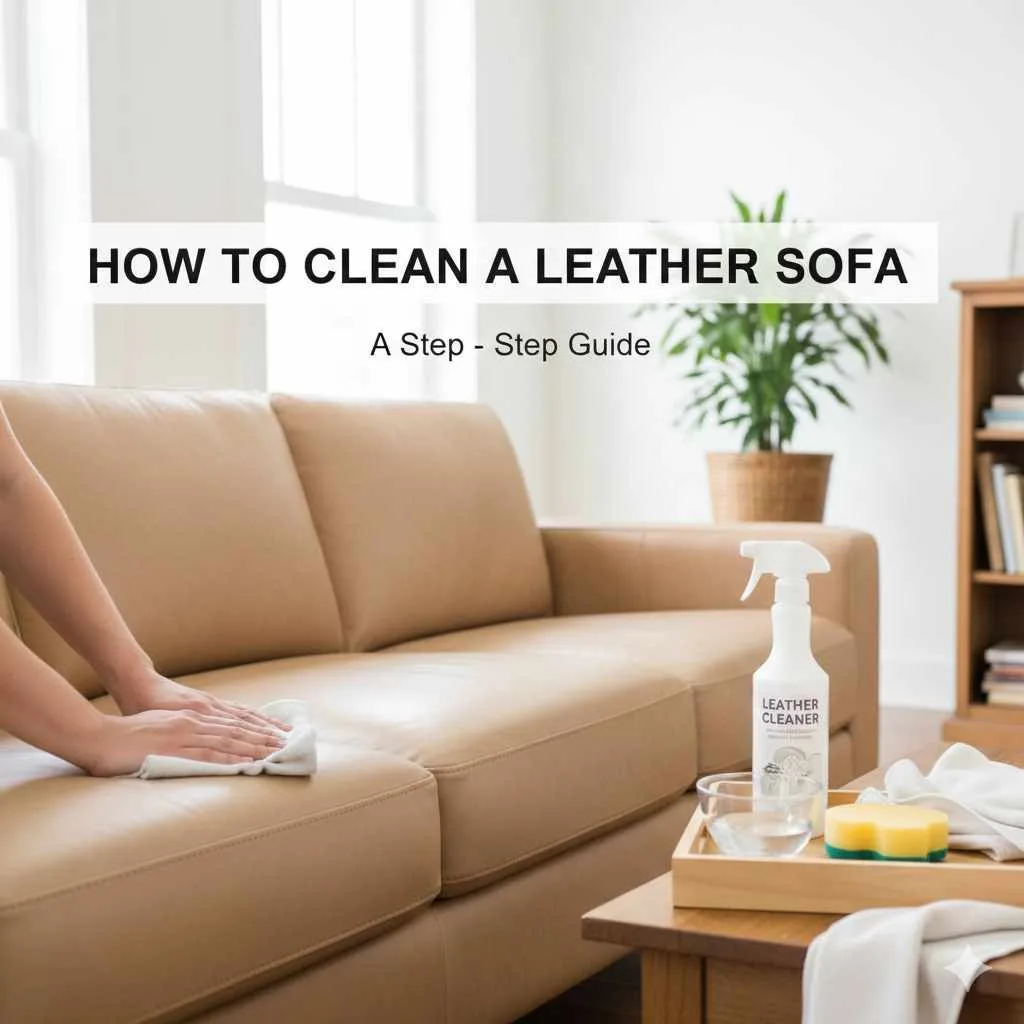
- Dusting: Take a clean, dry microfiber cloth and gently wipe down the entire surface of the sofa. Pay attention to crevices, seams, and any patterned areas.
- Vacuuming: Attach the soft brush to your vacuum cleaner. Gently vacuum all surfaces, including cushions, arms, and the back. This is especially important for getting into the nooks and crannies where dust and crumbs tend to hide. Move slowly and avoid pressing too hard.
This simple routine takes less than 10 minutes and makes a huge difference in the long run.
Step 2: Tackling Spills and Spots Immediately
Accidents happen, but acting fast is your best defense against stubborn stains.
- Blot, Don’t Rub: For liquid spills, immediately grab a clean, dry microfiber cloth or a paper towel and gently blot the area. Rubbing can spread the spill and push it deeper into the leather.
- For Sticky Residue: If the spill leaves a sticky residue after blotting, dampen a clean microfiber cloth with plain water (distilled is best). Wring out the cloth so it’s just damp, not wet. Gently wipe the affected area.
- Dry Thoroughly: Use a dry microfiber cloth to gently pat the area dry.
For colored spills like wine or ink, quick action is crucial. Blot as much as possible. For protected leathers, you might be able to use a slightly damp cloth with a tiny amount of pH-neutral soap. Always test first and proceed with extreme care.
Step 3: The Gentle Deep Clean (As Needed)
This is for when a weekly dust-off isn’t enough, or if you notice dullness or mild grime. Aim to do this every 3-6 months, or more often if your sofa is in high-traffic area or if you have pets and children.
- Prepare Your Cleaning Solution: In your bowl or bucket, mix about one cup of distilled water with a tiny amount of pH-neutral soap. You want just a few drops of soap to create a very mild, slightly sudsy solution. Over-sudsing means too much soap, which can strip the leather’s natural oils.
- Dampen Your Cloth: Dip a clean microfiber cloth into the solution. Wring it out thoroughly so it is only slightly damp, not wet. Excess water is the enemy of leather.
- Clean in Sections: Work on one small section of the sofa at a time. Gently wipe the leather in a circular motion, applying light pressure. Don’t scrub!
- Rinse (Wipe): Use a second clean microfiber cloth dampened only with plain distilled water to wipe away any soap residue. Again, ensure the cloth is well wrung out.
- Dry and Buff: Immediately dry the section with a third clean, dry microfiber cloth. Buff the leather gently to restore its sheen.
- Repeat: Continue this process, section by section, across the entire sofa.
Patience is key here! By working in small sections and ensuring the cloth is only damp, you protect your sofa’s integrity while getting it clean.
Step 4: Conditioning Your Leather Sofa
Cleaning can sometimes strip away a bit of the leather’s natural moisture. Conditioning replenishes this, keeping it soft, flexible, and protected. This step is vital for preventing cracks and maintain that luxurious feel.
- Ensure Sofa is Clean and Dry: It’s best to condition after a deep clean, once the sofa is completely dry.
- Apply Conditioner Sparingly: Put a small amount of leather conditioner onto a clean, soft microfiber cloth. A little goes a long way.
- Work it In: Gently rub the conditioner into the leather in a circular motion, working on small sections at a time.
- Allow to Absorb: Let the conditioner sit and absorb into the leather for the time recommended by the product manufacturer (usually 10-20 minutes).
- Buff Off Excess: Use another clean, dry microfiber cloth to gently buff the surface. This removes any excess conditioner and brings out a beautiful sheen.
How often should you condition? For most sofas in moderate climates, conditioning every 6-12 months is sufficient. However, if you live in a very dry climate or your sofa is exposed to direct sunlight, you might want to condition more frequently, perhaps every 3-6 months.
Special Considerations for Different Types of Leather
As touched on earlier, not all leathers are created equal. Here’s a quick recap of how to approach cleaning different common types:
Protected (Pigmented) Leather Care
This is the most forgiving type. You can generally use a slightly more robust cleaning solution. A mild soap and water solution is usually safe, and many commercial leather cleaners are designed for this type. Always test first! conditioning still recommended every 6-12 months.
Aniline & Semi-Aniline Leather Care
These are more sensitive. For aniline leather, a dry dusting and vacuuming is often all that’s recommended for routine care. For minor spots, you might use a barely damp cloth with distilled water. For cleaning, opt for specialized aniline leather cleaners and always test in an inconspicuous area. Conditioning should be done with products specifically formulated for aniline leather, as they are often very lightweight and designed not to darken the hide.
Nubuck & Suede Leather Care
Liquid cleaning is generally a no-go unless you are using specialized foam cleaners designed for these materials. The best approach involves using a suede brush to lift the nap and remove surface dust and debris. For stains, specialized suede erasers or dry cleaning cloths are often the safest bet. If you’re hesitant, it’s often best to consult a professional upholstery cleaner for these delicate finishes.
A great resource for in-depth understanding of different leather finishes and their care can be found on the American Leather website, which offers detailed guides specific to their products and materials.
Common Pitfalls to Avoid When Cleaning Leather
Even with the best intentions, it’s easy to make mistakes when cleaning leather. Staying aware of these common errors will help you protect your valuable furniture:
- Using Harsh Chemicals: Never use bleach, ammonia, general household cleaners, furniture polish (unless specifically for leather), or abrasive cleaners. These can strip the finish, fade the color, and damage the leather permanently.
- Soaking the Leather: Leather is like skin; too much water can damage it, leading to stiffness, cracking, and even mold or mildew in extreme cases. Always use a damp, not wet, cloth.
- Rubbing Aggressively: Gentle blotting and wiping are key. Scrubbing can push stains deeper and damage the leather’s surface.
- Skipping the Conditioner: Cleaning without conditioning is like washing your hands and not applying lotion. It can leave the leather dry and prone to damage.
- Ignoring Manufacturer’s Instructions: Your sofa’s care tag is its birth certificate for cleaning advice. Always refer to it first.
- Using the Wrong Products: Not all leather cleaners or conditioners are universal. Ensure they are suitable for your specific type of upholstery leather.
By being mindful of these, you’ll ensure your cleaning efforts are always beneficial, never detrimental.

FAQ: Your Leather Sofa Cleaning Questions Answered
Here are some common questions beginners have about cleaning their leather sofas, answered simply and clearly.
Q1: How often should I clean my leather sofa?
For most homes, a quick dust and vacuum once a week is perfect. A more thorough, gentle cleaning with a soap solution should be done every 3-6 months. Conditioning is typically needed every 6-12 months, depending on your climate and usage.
Q2: Can I use baby wipes to clean my leather sofa?
It’s generally not recommended. Baby wipes can contain chemicals, alcohol, or lotions that might not be suitable for all types of leather and could potentially cause discoloration or damage the finish over time. Only use wipes specifically designed for leather upholstery.
Q3: What is the best way to remove ink stains from a leather sofa?
For protected leather, act fast! Blot the ink immediately. You might try a tiny amount of rubbing alcohol on a cotton swab, dabbing gently only on the ink mark and then immediately wiping with a damp cloth followed by a dry one. For aniline or untreated leather, professional cleaning is often the safest bet. Always test any method in an inconspicuous area first.
Q4: My leather sofa feels dry and looks dull. What should I do?
This is a clear sign it needs conditioning! Follow Step 4 in our guide to apply a good quality leather conditioner. This will help restore moisture, suppleness, and shine. Ensure the sofa is clean and dry before applying any conditioner.
Q5: Is it okay to use saddle soap on my sofa?
Saddle soap is typically for equestrian tack and can be too harsh for upholstery leather. It often contains heavy waxes that can build up on your sofa, attract dirt, and potentially clog the leather’s pores. Stick to mild, pH-neutral soaps or dedicated leather cleaners and conditioners.
Q6: Can I use vinegar to clean my leather sofa?
A highly diluted vinegar solution (e.g., 1 part white vinegar to 10 parts distilled water) can be used on some types of protected leather for spot cleaning, as the acidity can help cut through grease. However, it’s still risky. Many experts recommend avoiding it altogether to prevent potential damage to the finish or discoloration. Always test in a hidden spot first, and if you’re unsure, opt for milder soap or professional cleaners.
These FAQs should cover the most common concerns, bringing you more confidence in your leather care routine.
Conclusion: Enjoy a Beautiful, Well-Maintained Leather Sofa
Taking care of your leather sofa is an achievable and rewarding part of home ownership. By incorporating a simple weekly dusting and vacuuming routine, addressing spills immediately, and performing gentle deep cleans and conditioning every few months, you’ll ensure your sofa remains a comfortable, stylish, and inviting part of your home for years to come. Remember to always identify your leather type and test any cleaning product in an inconspicuous spot first. With these easy steps and a little bit of care, your leather sofa will not only stay beautiful but will continue to enhance the warmth and style of your living space. Happy cleaning!
Related pick: Check today's price on Amazon
Products related to this article
Sponsored / affiliate links. As an Amazon Associate I earn from qualifying purchases. I may earn additional commission from eligible campaigns.